Aloha in the Air: Becoming a Hawaiian Airlines Flight Attendant

Happy International Flight Attendants Day!

At Hawaiian Airlines and Alaska Airlines, we’re proud of our flight crew, whose expertise in hospitality and care ensures every journey is safe and comfortable. More than just creating memorable travel experiences, they are among the most dynamic professionals in the industry.

Interested in joining our flight crew? Hawaiian Airlines is hiring hundreds of flight attendants as our combined network with Alaska Airlines continues to grow. Candidates fluent in Japanese or Korean are especially encouraged to apply. Apply today at www.HawaiianAirlines.com/careers/flight-attendants.

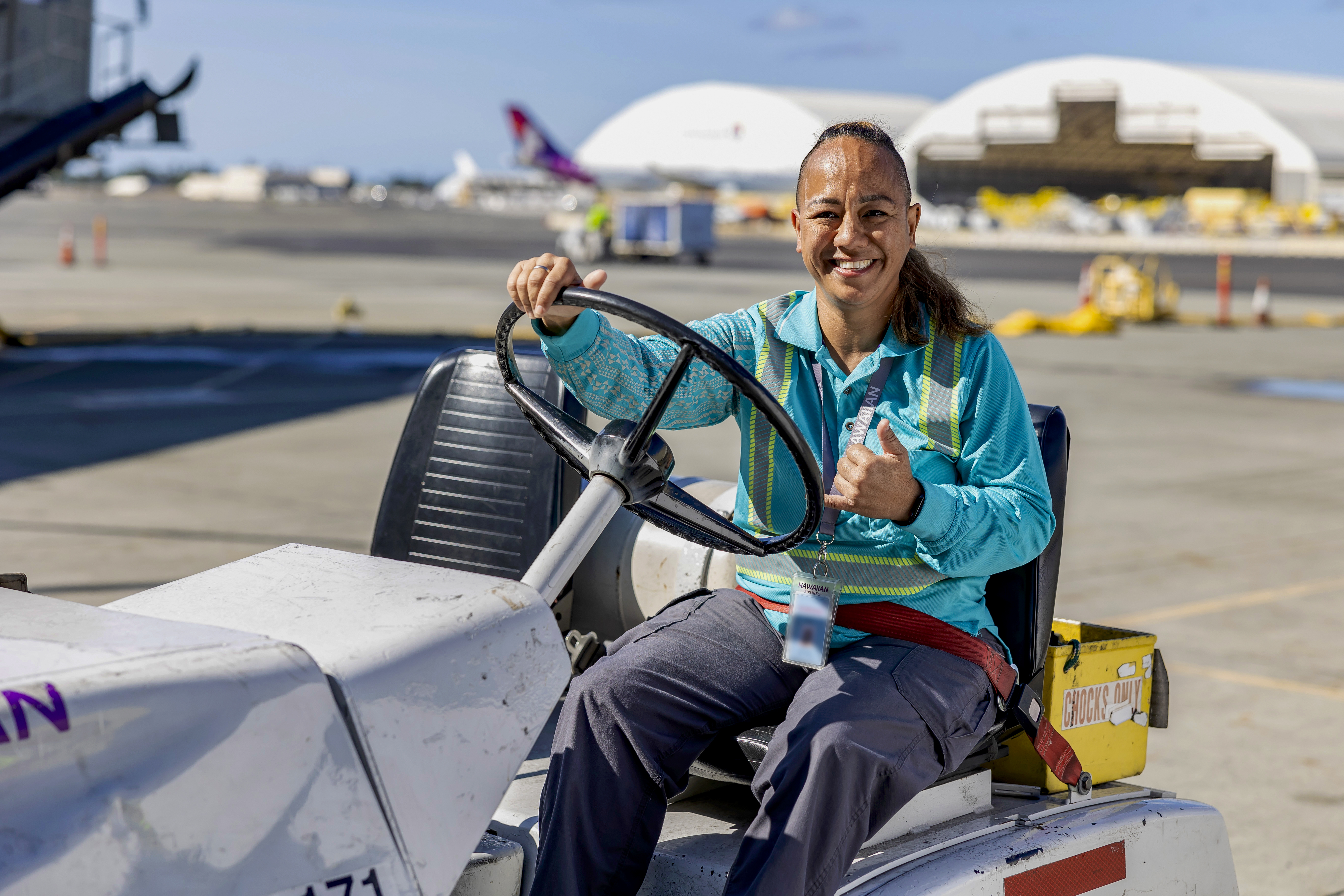
If a future as a flight attendant is on your horizon, Kanoelehua “Kanoe” offers a firsthand look at life in the skies — sharing her journey, experiences, and helpful tips for those just starting out.

Meet Kanoe

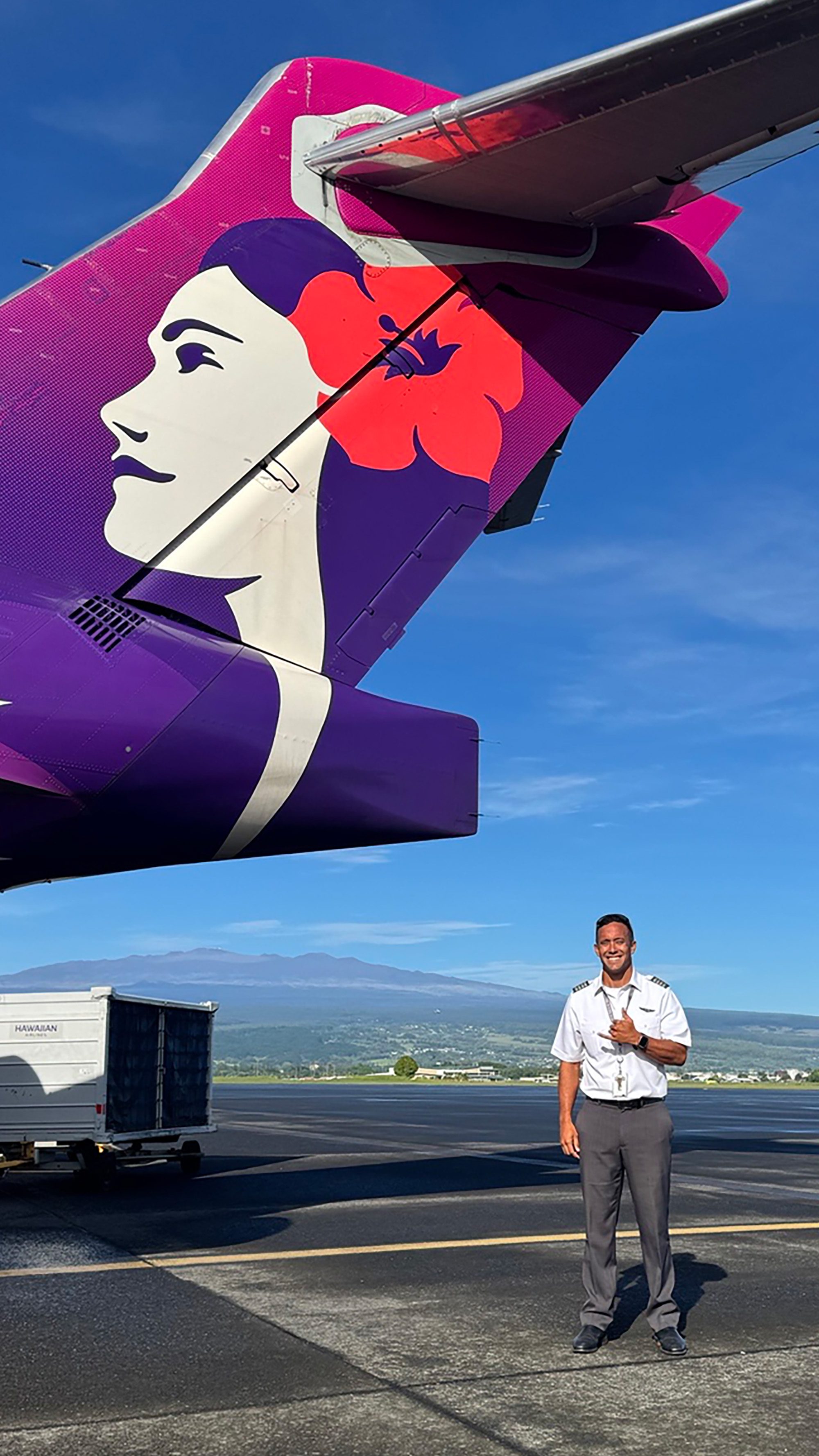
Kanoe was born in Honolulu, Oʻahu, and raised in Hilo on the Big Island of Hawaiʻi. She loves flying to Auckland, New Zealand and Tokyo, Japan.

When she’s not working, you can find her at a coffee shop somewhere on the island.

The Training

Flight attendant training is a commitment. According to Kanoe, the multi-week program is fast-paced and requires dedication, focus and performance. “You can learn an entire training module in one day, and then the next morning, you might be tested on that module. Then, right after, you’ll start working on something completely new,” she explained.

Beyond technical and service knowledge, training also prepares you to manage stress and respond effectively in high-pressure situations. “We learn how to compartmentalize information and work under pressure so we can act quickly,” Kanoe said. “When you’re on the plane, you could be having a good time with your coworkers and guests, and then all of a sudden, there’s a medical emergency. At that point, everyone’s brain flips a switch. The cool thing about our training is that everyone graduates with the same knowledge and is ready to respond.”

Kanoe emphasizes leaning into your learning style early. “Everyone learns differently. For me, studying with my classmates before and after training helped me a lot, because I could go back and forth with them on topics or questions. But for some, going straight home to study on their own worked best for them. The expectations are high, so identifying a learning routine that works for you early is huge.”

At graduation, the sense of shared pride and camaraderie is stronger than ever. “When I got my wings, I knew I was exactly where I was meant to be, and three years later, I’m so happy knowing I’m still meant to be here.”

Once initial training is under your belt, flight attendants are required to complete recurrent training each year to stay up to date with their skills and knowledge.

The Day-to-Day

First impressions matter. When guests are boarding the plane or she’s interacting with coworkers, Kanoe shared she’s often thinking about how to best extend aloha to each person and meet them where they’re at.

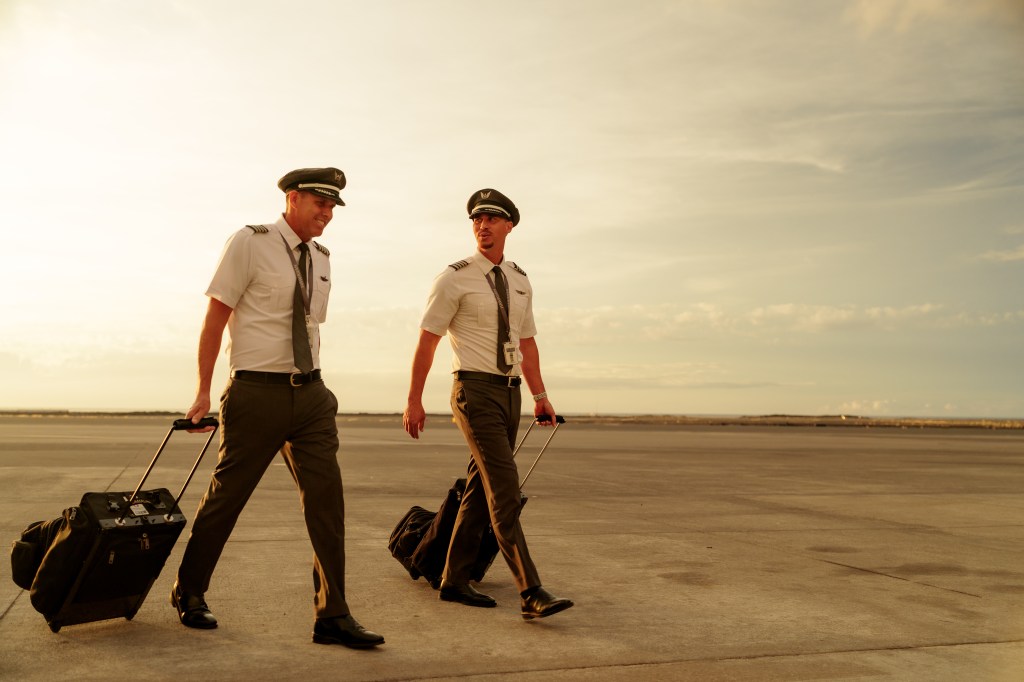
Grooming is an important (and fun) part of the job. Flight attendants are expected to follow specific guidelines, with crisp uniforms and a clean-cut appearance, giving the role its reputation for being as glamorous as it is thrilling. “I think it’s important to hold yourself to a standard, and I think the grooming process is a huge part of that,” Kanoe said.

She added, “Your whole job is about caring for other people, so getting ready is a nice way to take that extra step for yourself.  Plus, putting in the time to aloha yourself sets a good mental tone to start your day.”

The Perks

Aside from travel, Kanoe believes the best perk is the flexibility. Flight attendants can bid for flights and adjust their schedules to suit their needs and interests. For example, by working flights throughout our extensive Neighbor Island network, parents can be home with their families each night. Alternatively, flight attendants from other countries like Japan can bid for those flights to stay connected with friends and family abroad.

Kanoe with her crewmates during the launch of Hawaiian Airlines’ nonstop service to the Cook Islands.

“The nice thing about a bid schedule is that you can always tweak it to what you need that month or what you want to fly. You don’t always get the flights you bid for, but you’re still able to travel to incredible places and connect with some amazing people,” she explained.

Another big highlight? The friendships. “My favorite part of the job is that I get to work with friends,” she said. “And if you’re just working with someone for the first time, it never really feels that way. That’s the best thing about Hawaiian Airlines, we have such a unique ‘ohana culture.”

Kanoe with her crewmates during the launch of Hawaiian Airlines’ nonstop service to the Cook Islands.

The Mindset

Kanoe reiterated that it’s important to have empathy in difficult times. “If I’m working with a guest who is upset or having a difficult time, I’m trying to have empathy and extend aloha to them (and myself) in those situations,” Kanoe said. “Travel can be stressful for some people, including for flight crew, so I feel it’s important to keep that in perspective.”

If you’re new, accept that you’re still learning. “That first year is like being a baby deer and learning how to walk,” she laughed. “You’re figuring out your routine, applying everything you learned in training, conceptually and physically, in real time, and learning how to troubleshoot with everyone watching. It’s helpful to lean into the fact that you’re new and to ask your coworkers for their thoughts or assistance.”

Kanoe also emphasized that many Hawaiian Airlines crew members have built their seniority and knowledge over the decades and are often happy to assist.

Throughout it all, don’t forget to enjoy the experience. “This job gives me a huge social fulfillment in my life, even when it’s talking to guests or laughing with my coworkers. Those moments are so meaningful to me and something I feel so lucky to have,” Kanoe said.

“You know, when I first applied to become a flight attendant, I took the job thinking it’d be something I do for just a few years. But once I got into training and learned about the aviation world and how good this job is, things changed. I feel really blessed to travel the world representing Hawaiian Airlines and working with the people that I do.”

The Expertise

A common misconception is that flight attendants are only there to serve. In reality, safety is their primary focus and expertise. “People think we’re strictly for service, but we’re always safety professionals before we’re service professionals,” Kanoe said. “When you’re in the sky, there’s a limited number of resources, but we’re always ready to respond to an unplanned emergency with what’s available and in accordance with our training.”

Aloha in the Air: Becoming a Hawaiian Airlines Flight Attendant

Summary

Hawaiian Airlines is hiring hundreds of flight attendants to support the growth of its combined network with Alaska Airlines, with a special need for candidates fluent in Japanese or Korean.

This International Flight Attendants Day, Kanoelehua “Kanoe” shares her journey, experiences and helpful tips for those just starting out in their career.

Happy International Flight Attendants Day!

At Hawaiian Airlines and Alaska Airlines, we’re proud of our flight crew, whose expertise in hospitality and care ensures every journey is safe and comfortable. More than just creating memorable travel experiences, they are among the most dynamic professionals in the industry.

Interested in joining our flight crew? Hawaiian Airlines is hiring hundreds of flight attendants as our combined network with Alaska Airlines continues to grow. Candidates fluent in Japanese or Korean are especially encouraged to apply. Apply today at www.HawaiianAirlines.com/careers/flight-attendants.

If a future as a flight attendant is on your horizon, Kanoelehua “Kanoe” offers a firsthand look at life in the skies — sharing her journey, experiences and helpful tips for those just starting out.

hero-ANC

Meet Kanoe


Kanoe was born in Honolulu, Oʻahu, and raised in Hilo on the Big Island of Hawaiʻi.

She loves flying to Auckland, New Zealand and Tokyo, Japan.

When she’s not working, you can find her at a coffee shop somewhere on the island.

The Training

Flight attendant training is a commitment. According to Kanoe, the multi-week program is fast-paced and requires dedication, focus and performance. “You can learn an entire training module in one day, and then the next morning, you might be tested on that module. Then, right after, you’ll start working on something completely new,” she explained.

Beyond technical and service knowledge, training also prepares you to manage stress and respond effectively in high-pressure situations.

“We learn how to compartmentalize information and work under pressure so we can act quickly,” Kanoe said. “When you’re on the plane, you could be having a good time with your coworkers and guests, and then all of a sudden, there’s a medical emergency. At that point, everyone’s brain flips a switch. The cool thing about our training is that everyone graduates with the same knowledge and is ready to respond.”

Kanoe emphasizes leaning into your learning style early. “Everyone learns differently. For me, studying with my classmates before and after training helped me a lot, because I could go back and forth with them on topics or questions. But for some, going straight home to study on their own worked best for them. The expectations are high, so identifying a learning routine that works for you early is huge.”

At graduation, the sense of shared pride and camaraderie is stronger than ever. “When I got my wings, I knew I was exactly where I was meant to be, and three years later, I’m so happy knowing I’m still meant to be here.”

Once initial training is under your belt, flight attendants are required to complete recurrent training each year to stay up to date with their skills and knowledge.

hero-ANC
hero-ANC

The Day-to-Day

First impressions matter. When guests are boarding the plane or she’s interacting with coworkers, Kanoe shared she’s often thinking about how to best extend aloha to each person and meet them where they’re at.

Grooming is an important (and fun) part of the job. Flight attendants are expected to follow specific guidelines, with crisp uniforms and a clean-cut appearance, giving the role its reputation for being as glamorous as it is thrilling. “I think it’s important to hold yourself to a standard, and I think the grooming process is a huge part of that,” Kanoe said.

She added, “Your whole job is about caring for other people, so getting ready is a nice way to take that extra step for yourself.  Plus, putting in the time to aloha yourself sets a good mental tone to start your day.”

The Perks

Aside from travel, Kanoe believes the best perk is the flexibility. Flight attendants can bid for flights and adjust their schedules to suit their needs and interests. For example, by working flights throughout our extensive Neighbor Island network, parents can be home with their families each night. Alternatively, flight attendants from other countries like Japan can bid for those flights to stay connected with friends and family abroad. 

“The nice thing about a bid schedule is that you can always tweak it to what you need that month or what you want to fly. You don’t always get the flights you bid for, but you’re still able to travel to incredible places and connect with some amazing people,” she explained.

Another big highlight? The friendships. “My favorite part of the job is that I get to work with friends,” she said. “And if you’re just working with someone for the first time, it never really feels that way. That’s the best thing about Hawaiian Airlines, we have such a unique ‘ohana culture.”

The Mindset

Kanoe reiterated that it’s important to have empathy in difficult times. “If I’m working with a guest who is upset or having a difficult time, I’m trying to have empathy and extend aloha to them (and myself) in those situations,” Kanoe said. “Travel can be stressful for some people, including for flight crew, so I feel it’s important to keep that in perspective.”

If you’re new, accept that you’re still learning. “That first year is like being a baby deer and learning how to walk,” she laughed. “You’re figuring out your routine, applying everything you learned in training, conceptually and physically, in real time, and learning how to troubleshoot with everyone watching. It’s helpful to lean into the fact that you’re new and to ask your coworkers for their thoughts or assistance.”

Kanoe also emphasized that many Hawaiian Airlines crew members have built their seniority and knowledge over the decades and are often happy to assist.

Throughout it all, don’t forget to enjoy the experience. “This job gives me a huge social fulfillment in my life, even when it’s talking to guests or laughing with my coworkers. Those moments are so meaningful to me and something I feel so lucky to have,” Kanoe said.

“You know, when I first applied to become a flight attendant, I took the job thinking it’d be something I do for just a few years. But once I got into training and learned about the aviation world and how good this job is, things changed. I feel really blessed to travel the world representing Hawaiian Airlines and working with the people that I do.”


hero-ANC

The Expertise

A common misconception is that flight attendants are only there to serve. In reality, safety is their primary focus and expertise. “People think we’re strictly for service, but we’re always safety professionals before we’re service professionals,” Kanoe said. “When you’re in the sky, there’s a limited number of resources, but we’re always ready to respond to an unplanned emergency with what’s available and in accordance with our training.”

Alaska Airlines launches new era of inflight dining with Chef’s (tray) Table – a First Class experience

Summary

Alaska Airlines launches Chef’s (tray) Table, a new rotating First Class dining experience featuring seasonal menus crafted by celebrated West Coast chefs, starting with James Beard Award-winner Chef Brady Ishiwata Williams of Seattle’s Tomo restaurant.

Born from the success of last year’s collaboration with Chef Brandon Jew, the program will spotlight regional culinary talent and culturally rooted cuisine, reflecting the West Coast’s rich food scene and deepening Alaska’s commitment to community and quality.

Alaska Airlines is further elevating inflight dining with the launch of its newest culinary initiative, Chef’s (tray) Table, a First Class dining program designed by celebrated chefs up and down the West Coast. The program debuts with a thoughtfully crafted menu by Chef Brady Ishiwata Williams, the James Beard award-winning talent behind Seattle’s renowned Tomo restaurant.

Alaska Airlines’ new Chef’s (tray) Table program was born from the overwhelming success of its collaboration with San Francisco’s Chef Brandon Jew that launched last year. What began as a single partnership to elevate the onboard dining experience made it clear: guests are hungry for meals that reflect the West Coast’s rich, diverse culinary culture.

That success laid the groundwork for an expanded, rotating chef series featuring menus that change seasonally and spotlight regional talent. As a natural next step, Chef Jew is now part of the official Chef’s (tray) Table program, which will grow into a lineup of top chefs whose signature styles and culinary stories are thoughtfully woven into the inflight experience.
“Chef Williams and Chef Jew work tirelessly at their craft and remain deeply rooted in their communities, no matter how successful they become. They embody Alaska’s values of giving back, creating thoughtfully curated meals with high-quality ingredients and providing memorable guest experiences — making this a perfect partnership.”

– Todd Traynor-Corey

Vice President of Guest Experience, Alaska Airlines

Honoring Heritage and Community: The Story Behind Chef Brady’s Tomo

Chef Brady’s Seattle restaurant, Tomo, is named in honor of his grandmother, Tomoko Ishiwata Bristol, whose cooking deeply influenced his culinary journey. A self-taught chef, Brady got his start in his grandparent’s diner before rising through the ranks to become executive sous chef at a Michelin-rated restaurant in Brooklyn, and later, executive chef at Seattle’s iconic Canlis where he earned a James Beard Award for Best Chef. He opened Tomo in 2021 to much anticipation in the vibrant, diverse neighborhood of White Center, aiming to offer the community a rich culinary experience that reflects his Japanese American heritage and creativity.

 “Every dish and ingredient carries a story, and I’m incredibly proud to partner with an airline that champions local business owners like me to bring elevated and culturally rooted cuisine to the skies,” said Chef Brady Ishiwata Williams. “This collaboration has shown me how deeply Alaska cares about every detail — from carefully selecting its partners to food sourcing — and how committed they are to transforming your tray table into the chef’s table. These are dishes I make in the kitchen, and thanks to Alaska, I now get to share them with guests in the sky.”

“We know that food connects people to the world, different cultures and a sense of place. The Chef’s (tray) Table brings that connection to life onboard, before our guests even reach their destinations,” said Traynor-Corey. “We’re thrilled to kick off our next culinary chapter with Chef Brady, who brings the flavors of the Pacific Northwest and his Japanese American heritage to the skies in a way that’s both innovative and delicious.”

Last month, Alaska unveiled Chef Jew’s new spring menu and expanded his Cantonese-inspired First Class dishes to more East Coast routes from San Francisco, building on a successful partnership that launched last year to an overwhelmingly positive response from guests.

Preorders begin today.

The exclusive menu launches in First Class on June 5 with preorders starting today.
Available on flights between Seattle and John F. Kennedy International Airport, Newark Liberty International Airport and Ronald Reagan Washington National Airport.

No matter where our guests sit, Alaska delivers a premium dining experience with a variety of chef-curated cuisine. That includes our Main Cabin.

Alaska also recently unveiled its newest 100% plant-based and gluten-free The Best Laid Plants grain bowl for Main Cabin guests on most flights over 1,100* miles. Created in collaboration with the culinary team at Seattle-based Evergreens™ — The Best Laid Plants grain bowl features Chimichurri Tofu, avocado, quinoa, and a side of Mango Habanero Dressing.

Fueled by Alaska’s industry leading pre-order program, the airline continues to offer more inflight dining choices than any other U.S. carrier. Guests can now choose from up to five chef-curated dishes, including at least one hot meal option on flights over 1,100* miles. In addition to Alaska’s freshly prepared selections—like the guest-favorite Signature Fruit & Cheese Platter—fresh meals are available exclusively through pre-order purchase.

For Alaska’s spring menu available in First Class, Premium Class and Main Cabin, click here.

Full Chef Brady Ishiwata Williams First Class Menu:

hero-ANC

Route: SEA to EWR/JFK; EWR/JFK to SEA; SEA to DCA; DCA to SEA

Departures 5-9:59 a.m.

Breakfast: Mochi Waffle & Fried Chicken: rice flour bubble waffle topped with crispy tempura fried chicken. Served with an apple miso butter and a tamari-maple syrup.

Routes: SEA to DCA/EWR/JFK

Departures 10 a.m. – 11:59 p.m.

Dinner: Klingemann Farms Glazed Short Rib: Klingemann Farms Short Rib, from Central Washington, glazed with a balanced serrano jaew sauce. Complemented with soy and Shaoxing Wine stir-fried rice cakes, spinach, & hon-shimeji mushrooms and steamed baby bok choy. Served with tangy pickles and radishes.

hero-ANC
hero-ANC

Route: DCA/EWR/JFK to SEA

Departures 10 a.m. – 10:59 p.m.

Dinner: Buckwheat Soba with Ahi-tuna Tataki: buckwheat soba noodles in a cold ponzu broth, served chilled and topped with edamame, scallions, pickled seaweed, tofu, cucumber and shiso leaf. Seared ahi-tuna tataki served on the side with a spicy chili crisp.

*Certain meal options may not be available on some flights, including redeye flights or where catering is not available

For our media kit, including downloadable images, click here.

Jet-set to Japan: Crew-approved Tokyo travel tips

Summary

Our new Seattle-Narita service gives more Pacific Northwest travelers and beyond the opportunity to experience the award-winning hospitality that Hawaiian Airlines is known for. 

Planning a trip to Japan? Our experienced flight crew shares expert travel tips for Tokyo visitors—whether it’s your first time or you’re making a return journey to the Land of the Rising Sun.

In case you missed it — daily service between Seattle and Tokyo (Narita) has officially taken off! Last week’s inaugural flight, operated by Hawaiian Airlines, marks the start of a new chapter as our combined company transforms Seattle into the West Coast’s premier global gateway.

Hawaiian Airlines has provided nonstop service and authentic Hawaiian hospitality to Japan since 2010. Over the years, these flights have deepened the personal, historical and cultural connections that bridge Hawaiʻi and Japan. Now, we’re excited to share our love for the Land of the Rising Sun and bring those strong bonds to the Pacific Northwest.

Thinking about visiting Tokyo for the first (or second, third, fourth…) time, but need a little inspiration? We followed our favorite travel advice and asked the experts — our flight attendants — for their top tips.

 Meet your Japan guides: two long-time Hawaiian Airlines crew members with deep ties to — and a genuine love for — this incredible destination.
hero-ANC
Meet Reyn, a flight attendant since 2017.

“While growing up in Hawaiʻi, I studied Japanese in school. I later joined the JET Program to teach English in the Japanese countryside. Two years there deepened my understanding of the language and culture. On my Hawaiian Airlines flight back home, a flight attendant overheard me speaking Japanese and suggested I apply. That advice changed my life.”

Meet Yuria, a flight attendant since 2016.

“I was born and raised in Japan (Nagano Prefecture) and moved to Hawaiʻi in 2016 after receiving an interview opportunity to become a Hawaiian Airlines flight attendant. I’ve always dreamt of exploring the world since I was little and becoming a Hawaiian Airlines flight attendant made that dream come true.”

hero-ANC

Getting ready

Pack for the season and temperature variations

Research weather conditions so you can layer accordingly. “The seasonal shifts in Japan can feel extreme, from frigid winters and humid summers (early summer is also monsoon season) to Sakura spring and colorful autumn,” Reyn said. “Nearly every convenience store also carries cooling and warming accessories.”

Plan to walk a lot

The best way to experience Tokyo is on foot. But regardless of your mode of transportation, Yuria explained, you’ll be walking a lot. “Bring comfortable shoes and purchase an eSIM for your phone in case you need to use it. If you plan to use the buses or subways in Tokyo, buy a Suica card.”

If you’re an iPhone user, you can add the Suica card to your digital wallet. You can also purchase it in person at most major stations (but Yuria noted you’ll need cash on hand to reload it).

Don’t worry if you forget something

If you forget anything, Reyn assures you’ll be fine — Tokyo shopping has you covered, and anything you need is never too far away.

If shopping is on your to-do list, Yuria recommends bringing or buying a reusable tote bag to avoid paying individual bag fees. Carrying cash is also wise. “Most places take credit cards, but there are still some places that don’t — especially if you are planning to check out street or festival vendors,” she explained.

When you’re there

Think beyond Tokyo

Japan really is your oyster — opportunities to explore Tokyo and beyond are as accessible as they are endless. Reyn believes it’s worthwhile to look at Japan through a wider lens when planning your trip if you have time.

“If you are planning to spend more than three days in Japan, try to visit different areas of the country. Three days is perfect to explore Tokyo, and then you can take a Shinkansen Bullet Train to explore Nagano, Nagoya, Osaka, Kyoto and Hiroshima. Every prefecture and city will have unique foods, products and experiences that meet every type of person,” he said.

Tailor your trip to your interests

When mapping out your itinerary, Yuria advises focusing on your interests. “Japan has a lot to offer. If you want to experience a mix of old and modern culture, build your trip around the Tokyo area. If you’re into old Japanese culture, check out the Kansai area. If you just want to relax, visit an onsen in the countryside or the beautiful beaches of Okinawa,” she explained.

Unique things you should try

Take a restorative dip

Onsen is one of Reyn’s favorite parts of Japan. “These natural hot springs often have scenic views and are important in Japanese culture. There are certain protocols and rules for the style of Japanese bathing, but almost all onsen provide these instructions in both English and Japanese in the bath area.”

Before going, it’s important to research different onsen so you know what to expect. Japan is still sensitive to tattoos, and not all onsen are tattoo-friendly. If you have tattoos, Reyn suggests looking for specific onsen that are more welcoming.

Try a cultural class

Yuria also insists on taking a class for an intimate cultural experience. Some ideas include classes on making wagashi (Japanese sweets), sushi, painting, traditional artmaking and joining sado tea ceremonies.

“Even though I grew up in Japan, I find these cultural classes very interesting and always learn something new about my home country. It is also a great opportunity to interact with local people and get to know them,” she said.


Some useful tips to know

Follow public transportation etiquette. Make sure you have enough money loaded onto your transportation card. “I’ve seen visitors get stuck at the train gate and cause a traffic jam because they learned they didn’t have enough loaded onto their card for their trip,” Yuria said. Also, don’t talk too loudly and if you have a backpack, carry it in front of you so you don’t bump other people.

Tipping isn’t expected. Reyn added, “The Japanese standard of service is impeccable and an art form, and there is a lot of thought put into everything they do. Service providers don’t expect a tip or anything extra, though the best way to receive their hospitality is with a humble bow and ‘Arigato Gozaimasu.’”

Shopping in Japan is next level. Bring an empty piece of luggage for the things you may purchase. “We call this our ‘omiyage bag’ (omiyage is a gift or souvenir purchased for friends, family or coworkers),” Yuria said.

SEANRT Promo

Check out convenience stores. The convenience stores in Japan—locally referred to as “konbini”—are amazing and on almost every street corner. “Their food quality and product options are far superior to American convenience stores,” Reyn said.

Eat in designated areas. Avoid eating your food while on the go. It’s more polite to sit or stand and eat in one place rather than walking and eating.

Embrace omiyage culture. “When Japanese people go on a trip, they always get some small gift for their friends and colleagues back home from the destination they visited. This beautiful cultural norm is a way of sharing joy and travel memories with people you care about,” Yuria explained.
Mind your trash. “You’ll be hard-pressed to find public trash cans in Japan—and yet it’s rare to see trash on the ground,” Reyn shared. Be prepared to carry your trash with you if you’re on the go. Japanese trash sorting is also very specific, so make sure to follow the rules.

All packed and ready to go to Tokyo (or beyond)?

Itterasshai (Have a safe trip)! We look forward to seeing you onboard.

Hawaiian Airlines Marks New Seattle-Narita Service With Festive Gate Celebrations

On May 13, our new route connecting Tokyo’s Narita International Airport and Seattle took flight, marking a milestone for the newly combined Hawaiian Airlines and Alaska Airlines.

“Today we are celebrating Alaska Air Group’s new global gateway, something that is only made possible because of the combined strengths of Alaska Airlines and Hawaiian Airlines,” said Hawaiian Airlines CEO Joe Sprague during a gate event at Narita International Airport.

“Hawaiian has proudly served Japan for nearly 15 years, and it’s because of Hawaiian’s strong relationships within the Japan market, along with Alaska’s deep relationships in Seattle, that we were able to launch this new service within months of becoming a combined company.”

A Time to Celebrate
To mark the occasion, Hawaiian Airlines held a traditional Hawaiian blessing, followed by a ribbon-cutting ceremony at both airports.

In Tokyo, the Mariner Moose, mascot of the Seattle Mariners, posed for photos with guests. In Seattle, taiko drummers performed for travelers heading to Japan.

Inaugural passengers received co-branded gifts, including fans, tote bags and commemorative luggage tags.

A New Global Gateway
The new Seattle-Narita service opens a key gateway between the West Coast and Asia. Travelers from Japan can now connect to more than 100 U.S. cities via Seattle, Alaska Airlines’ largest hub, from New York to Las Vegas. Travelers heading beyond Tokyo can connect on oneworld partner Japan Airlines.

The route is operated daily by Hawaiian’s Airbus A330 aircraft, with the following schedule:

Flight Route Departure Arrival Duration Frequency
HA824 Narita to Seattle 6:25 p.m. 11:40 a.m. (same day) 9 hr 15 min Daily
HA823 Seattle to Narita 1:40 p.m. 4:40 p.m. (next day) 10 hr 20 min Daily

Note: Flight times are subject to change. Please check before traveling.

Passengers on the A330 will enjoy complimentary high-speed Starlink Wi-Fi, ideal for streaming, working or staying in touch with friends and family.

Tickets are available at alaskaair.com and hawaiianairlines.com.

Alaska Airlines launches new era of widebody international flying in Seattle with daily nonstop service to Tokyo Narita operated by Hawaiian Airlines 

Summary

We’re transforming Alaska’s hometown airport into the West Coast’s premier global gateway.

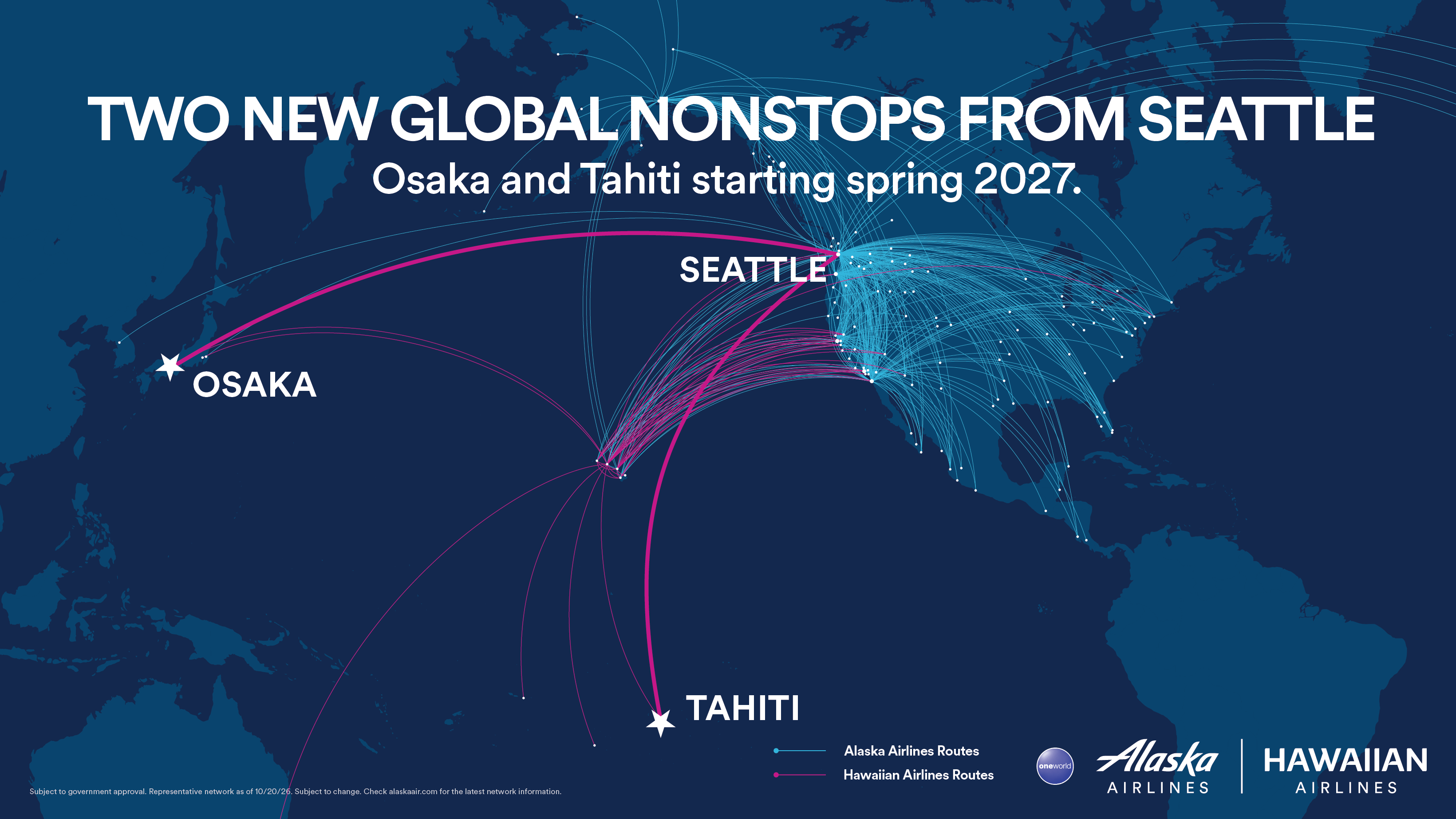
We’re planning for at least 12 international destinations with long-haul aircraft from Seattle by 2030.

Nonstop transpacific flights between Seattle and Seoul Incheon begin in September.

Alaska Airlines is celebrating a new global connection between the Pacific Northwest and Japan with flights between our hometown hub in Seattle and Tokyo Narita, operated by Hawaiian Airlines’ long-haul aircraft. The new service marks the start of daily nonstops between the two dynamic cities and the beginning of a new era of widebody international flying for Alaska.

With the combination of Alaska and Hawaiian, we’re transforming Seattle into the West Coast’s new premier global gateway. Our hub at Seattle-Tacoma International Airport (SEA) is already the largest airline hub on the West Coast, serving 104 nonstop destinations across North America. Seattle is the closest connection point between the continental U.S. and Tokyo – 7% closer than San Francisco and 13% closer than Los Angeles.

Our growing fleet of widebody aircraft, which includes the flagship 787 Dreamliner, unleashes a world of possibilities of where we can fly to from Seattle. Looking ahead, we’ll have exciting additional milestones as we share the new international routes we’ll be launching in the coming years, including destinations in Europe, as part of our plans to serve at least 12 international destinations with widebody aircraft from Seattle by 2030.”

– Ben Minicucci

CEO at Alaska Air Group

Tokyo Narita and Seoul Incheon are our first two long-haul flights from Seattle of the 12 we’re looking to add. We’ve seen strong interest in our nonstop flights to Tokyo, with half of the tickets we’ve sold in the U.S. for flights to Narita originating from more than 80 cities outside of Seattle. Flights between Seattle and Seoul begin on Sept. 12.

Chicago
Union Station Denver Colorado

“Hawaiian has been serving the Tokyo market for nearly 15 years. We’re thrilled to open this new global gateway with Alaska, giving more Pacific Northwest travelers and beyond the opportunity to experience the award-winning hospitality that Hawaiian is known for.”

– Joe Sprague

CEO at Hawaiian Airlines

Tokyo is the second-largest intercontinental market in Seattle for both business and leisure. Seoul is third; London is first. In 2024, about 400 passengers traveled between Seattle and Tokyo in each direction every day, and that’s not including connecting flights – an indication of the popularity of the route. From across our robust network, guests can travel to Tokyo Narita and Seoul with one stop in Seattle.

“This is a monumental step for our hometown carrier, Alaska Airlines, and a reflection of the commitment of this entire region to international travel and trade. SEA’s position as a global hub is a boon to the Pacific Northwest and provides more choices and opportunities for business and leisure travelers.”

– Ryan Calkins

Port of Seattle Commissioner

The future of our international service from Seattle will be with our growing fleet of Boeing 787-9 aircraft as we lean into the strong presence of the Alaska brand in Seattle and the Pacific Northwest. Onboard service will initially mirror the Hawaiian hospitality that Hawaiian Airlines guests know and love, while Alaska develops a comprehensive, long-haul experience that will be deployed from Seattle in the future. The Airbus A330 fleet, based in Honolulu, remains a proud part of the Hawaiian Airlines brand as we invest in that aircraft’s future for flying to and from Hawaiʻi. We’ll refresh the A330s in the coming years to provide a premium, modern global experience. This includes investments in seating, cabin interiors and onboard products and amenities. We’ll share details in 2026.

Initial flights between Seattle and Tokyo Narita will be on the A330s operated by Hawaiian:

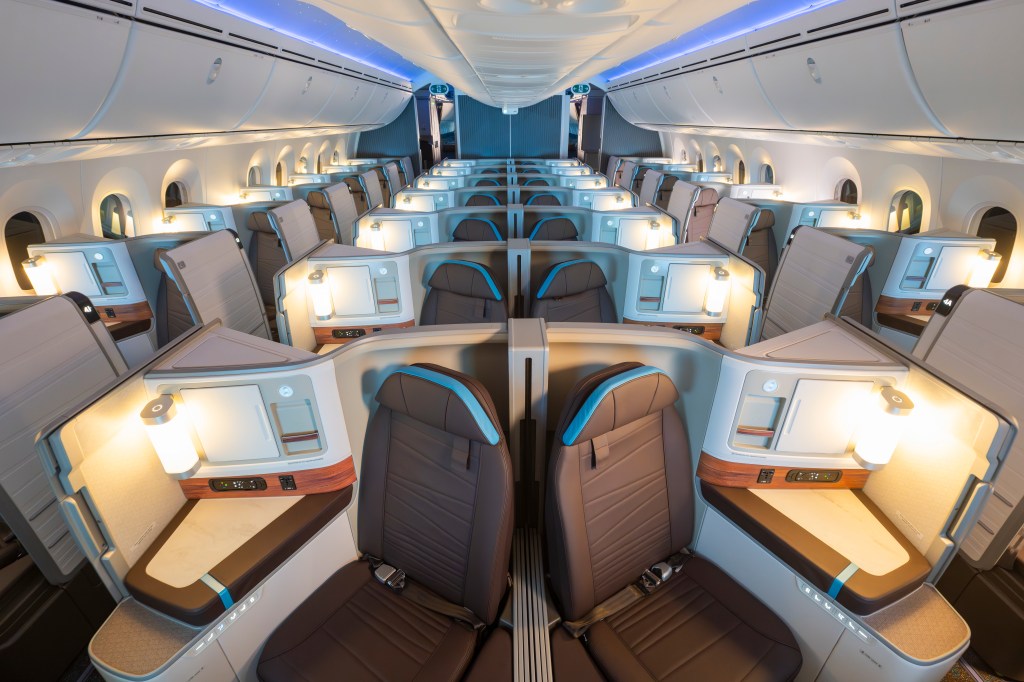
    Guests can choose from three classes of service: Business Class with full-flat seating, Extra Comfort and Main Cabin.

    Business Class offers pre-departure beverages and a choice from three elevated meal options with Japanese and Hawaiian influences and a vegetarian selection, along with two dessert options. There’s also a mid-flight snack and another hot meal before arrival.

    Main Cabin guests can choose from two complimentary hot entrees, with ice cream offered as a dessert option along with mid-flight snacks and a second hot meal pre-arrival.

    Our A330 aircraft offer the fastest Wi-Fi in the sky – for free – on all flights to and from Japan. Guests can easily connect to Starlink’s high-speed, low-latency Wi-Fi and experience internet at speeds suitable for working, streaming video and gaming. Plus, every seat in Business and Extra Comfort is equipped with power outlets.

    Guests in all classes of service receive an amenity kit in partnership with the Hawaiʻi lifestyle brand Noho Home. In Business Class, guests will enjoy full bedding in their full-flat seats with a mattress pad, duvet, pillows and even slippers. With sustainability in mind, they also choose which amenity items they’d like.

    Staying entertained on board is not a problem. Guests can choose from nearly 200 new releases and classic movies, and more than 500 TV shows. The Hana Hou! TV and Hawaiian Skies categories within our entertainment system also include a curated selection of Hawaiʻi-focused local shows and short films.
    Chicago
    Union Station Denver Colorado


    We’re also celebrating our new Seattle-Tokyo Narita service in the Alaska Lounge at the N Concourse in Seattle with a specially curated signature cocktail called the Narita Banana. It’s in partnership with Westland Whiskey, based in Seattle, and the popular bar Tokyo Confidential in the Japanese capital.

    Mileage Plan members achieve elite status more quickly than they would on any other airline. When booking flights directly at alaskaair.com, members earn at least 100% of the miles for the distance they fly (Saver and basic fares earn 30%). Those miles are also counted as valuable elite-qualifying miles (EQMs) – the building blocks toward earning elite status. On long-haul flights, miles add up fast, and so do EQMs. Plus, members can choose from a selection of perks when they hit various EQM milestones between elite status levels.

    Mileage Plan members can also earn EQMs on their mileage redemption travel with us or our airline partners based on the distance of the flights. For example: If a member redeems a roundtrip award ticket in the main cabin between Seattle and Tokyo Narita, which covers a total distance of 9,538 miles, that translates to 9,538 earned EQMs – a sizable leap toward attaining elite status or the next milestone in our loyalty program.

    HawaiianMiles members can link their HawaiianMiles and Mileage Plan accounts together to have their status matched, allowing them to enjoy elite benefits when traveling on either airline.


    About Alaska Air Group

    Alaska Airlines, Hawaiian Airlines and Horizon Air are subsidiaries of Alaska Air Group, with McGee Air Services a subsidiary of Alaska Airlines. With hubs in Seattle, Honolulu, Portland, Anchorage, Los Angeles, San Diego and San Francisco, we deliver remarkable care as we fly our guests to more than 140 destinations throughout North America, Latin America, Asia and the Pacific. Alaska is a member of the oneworld Alliance with Hawaiian scheduled to join in 2026. With oneworld and our additional global partners, guests can earn and redeem miles for travel to over 1,000 worldwide destinations. Guests can book travel at alaskaair.com and hawaiianairlines.com. Learn more about what’s happening at Alaska and Hawaiian. Alaska Air Group is traded on the New York Stock Exchange (NYSE) as “ALK.”
    When your hero is Mom: Mother and son pilots fly together in a milestone moment for Alaska Airlines 

    Summary

    First Officer Jeff Miles grew up admiring his mom’s extraordinary job as an Alaska Airlines pilot and dreamed of following in her footsteps.

    Last week, Jeff’s dream came true as he joined his mom, Captain Michelle Miles, in the flight deck, making history as the first mother-son pilot team for Alaska Airlines.

    Jeff Miles grew up watching his mom leave for work in her Alaska Airlines pilot’s uniform, never thinking much of it. After all, he thought, doesn’t everyone’s mom fly airplanes for a living? But as Jeff got older, he began to understand how extraordinary his mom’s job was and aspired to one day follow in her footsteps. 

    That dream came true last week when Jeff, a newly hired first officer for Alaska Airlines, joined his mom, Captain Michelle Miles, in the flight deck of a Boeing 737 to fly from Seattle to Kahului, Maui.  

    As Jeff prepared for the flight, he could hardly contain his excitement. “I’ve waited 27 years for this moment,” he said while taking his seat beside his mom. Together, Jeff and Michelle made history as Alaska Airlines’ first-ever mother-son pilot team in its 90-plus years. 

    Michelle and Jeff Miles, Alaska Airlines

    A chance bit of serendipity for an airline with approximately 3,000 pilots and 1,400 daily flights that these two would end up paired in the flight deck? Not exactly. The milestone involved schedule juggling and logistics assistance from Alaska’s chief pilot’s office, but the effort was for good reason. Michelle, a 37-year captain retiring this fall, and Jeff had talked for months about continuing a family tradition that began nearly three decades ago.

    Michelle and Jeff Miles, Alaska Airlines

    Take Your Kid to Work Day 

     Flashback to 29 years ago, almost to the day of Jeff and Michelle’s flight, Michelle found herself in the pilot’s seat beside her father, Capt. Richard “Ski” Olsonoski. Back then, the two Alaska Airlines pilots had longed to fly together and eventually had the opportunity to team up during a “Take Your Daughter to Work Day” celebration.

    “Serving as a co-pilot for my dad was one of the highlights of my career. And now, to repeat the experience with my son – well, that’s about as good as it gets.”

    – Michelle Miles

    Alaska Airlines Boeing 737 Captain

    Michelle Miles with Dad
    The Miles Family

    Growing up Alaska Airlines

    You could say Jeff has jet fuel in his blood. Grandfather Ski, a retired Navy pilot, joined Alaska Airlines in 1981. In his grandson’s eyes, he was “larger than life.”

    “I’ll always think him in his leather bomber jacket and his crush cap. His look just embodied ‘pilot’ to me,” Jeff explained.

    As a young boy, Jeff often played fighter pilot while wearing his grandfather’s old Navy flight helmet (despite his mom’s attempts to hide the dusty, dirty helmet) and commanding his squadron of buddies.

    “Little me would often just stare at that helmet and imagine what it would be like to soar through the air, hearing the sound of the wind and engines,” Jeff said.

    Michelle and Jeff Miles

    Michelle started flying at age 16, buoyed by her dad’s example. She got her private pilot’s license at 17, attended Embry-Riddle Aeronautical University and went on to serve in the U.S. Air Force. She joined Alaska Airlines in 1988 as its 17th female pilot – and the first with a military background. She continued to serve in the military reserves during her tenue at Alaska, flying C-141 cargo planes during the Gulf War. 

    Proud mom moment

    Unlike many childhood dreams that fade with time, Jeff’s ambition to fly only grew stronger, thanks to Michelle’s encouragement.

    “She knew from the start how much I wanted to fly. Ever since I was little, she was always patient and giving me the right nudges on how to get to where I am now.”

    – Jeff Miles

    Alaska Airlines Boeing 737 First Officer

    Jeff attended Big Bend Community College in Moses Lake, Washington, where he completed an aviation program and later worked as a flight instructor while earning his four-year degree. He initially flew for SkyWest until he received the call he’d been waiting for and joined Alaska Airlines in July 2023.

    In addition to Jeff, Michelle’s older son and daughter-in-law are pilots for other airlines. For Michelle and her husband, an engineer and stay-at-home dad, seeing their children soar in their careers has been a profound joy.

    “I can’t really put into words what this all means to me. It’s all come full circle since flying with my dad. My career at Alaska Airlines has been an incredible experience,” Michelle said.

    For Jeff, who felt like he’d been preparing for this day his entire life, the flight with his mom was a dream come true. “They say you don’t get to meet your heroes,” he said, “but I’ve known mine since I was born.”

    Alaska Air Group announces leadership promotions in key enterprise oversight roles

    AAG banner

    Summary

    Brooke Vatheuer has been promoted to senior vice president of safety and audit programs for Alaska Air Group and Alaska Airlines.

    Allie Wittenberger has been elected vice president of audit programs for Alaska Airlines.

    The Alaska Air Group board of directors has placed two veteran executives in key oversight roles to enhance safety and internal audit functions at Alaska Airlines, Hawaiian Airlines, Horizon Air and McGee Air Services.  These appointments support Safety as the Company’s top priority and Alaska and Hawaiian’s continued international growth.

    The reorganized leadership structure involves :

    • Brooke Vatheuer, who has been promoted to senior vice president of safety and audit programs for Alaska Air Group and Alaska Airlines;
    • Max Tidwell, who remains vice president of safety and security for Alaska Air Group and Alaska Airlines; and
    • Allie Wittenberger, who has been elected vice president of audit programs for Alaska Airlines

    This is a transformational time for Alaska Air Group, and I’m grateful to our team who is leveling up across the organization as we emerge a stronger airline with more global presence. Brooke and Allie are trusted leaders who reflect our Alaska values and continue to lend valuable safety and audit oversight as we grow and introduce ourselves to even more of the world.

    – Ben Minicucci

    President and CEO, Alaska Air Group

    Brooke Vatheuer – AAG Senior Vice President of Safety and Audit Programs

    As the senior vice president of safety and audit programs for Alaska Air Group, Brooke Vatheuer will oversee both the safety and aviation security programs across Alaska Airlines, Hawaiian Airlines, Horizon Air and McGee Air Services, as well as the internal audit function that examines, evaluates and reports on Alaska Air Group’s business and operational processes. The safety and audit teams will remain directly accountable to committees of the Board of Directors and Vatheuer will lead both teams’ strategies to ensure the strongest focus on safety and accountability.

    Max Tidwell will continue his role as vice president of safety and security, where he oversees all safety functions at Air Group companies and drives development of long-term safety and security strategies.

    Vatheuer joined Alaska Airlines in 2007 as an internal auditor and quickly took on leadership roles including Horizon Air’s vice president of finance and planning and senior vice president of operations and planning. In 2020, Vatheuer transitioned to vice president of strategic performance for Alaska Airlines, overseeing performance for all operational groups in the daily Seattle operation and most recently served as the vice president of audit programs. She has a master’s degree in professional accounting and bachelor’s degree in business administration from the University of Washington.

    Allie Wittenberger – Alaska Airlines Vice President of Audit Programs

    Allie Wittenberger, in her new role as vice president of audit programs, will set the strategic vision and lead enterprise-level audit and assurance programs. Wittenberger will lead a team whose mission is to continuously improve Alaska’s systems of financial, safety, operational, organizational and technological controls.

    Wittenberger joined Alaska in 2010 as a senior internal auditor. She has held numerous leadership positions in the audit program, financial planning and analysis and ethics and compliance. Wittenberger most recently served as Alaska Air Group’s managing director of corporate affairs and compliance where she supported Board of Director functions, corporate governance and compliance programs. She received a bachelor’s degree in accounting and finance from Washington State University and is a certified public accountant.

    Alaska Air Group CEO Ben Minicucci statement on DOT’s air traffic control action plan

    AAG banner

    Alaska Airlines and Hawaiian Airlines applaud the critical and historic plan for investment that Secretary Duffy and the Trump Administration are proposing today to rebuild and modernize the Federal Aviation Administration (FAA) air traffic control (ATC) system.

    I appreciate the Secretary’s focus on safety, addressing the foundations of our aviation systems across the country, the root causes of our ATC challenges, as well as putting us on a path to optimize and innovate the technology supporting air space management. As an engineer, I know investing in the right systems and technology can transform the efficiency of our industry, which directly translates to a better travel experience for the millions of people flying in the U.S. every day.

    We look forward to working with Secretary Duffy, Acting Administrator Rocheleau, Congressional lawmakers, and leaders in Washington, D.C. to advance these investments and usher in the safest and most efficient age of air travel.

    Alaska Air Group appoints former Deloitte executive and proud Seattleite, Pete Shimer, to the board of directors

    AAG banner

    Summary

    Pete Shimer, former Deloitte executive and proud Seattleite, will join Alaska Air Group, Inc.’s board of directors.

    Shimer will fill the seat left by Ken Thompson who retires after 25 years of service.

    Alaska Air Group, Inc. announced today the election of Pete Shimer to the company’s board of directors. Shimer began as an auditor and has since held numerous C-suite positions at international public accounting firm Deloitte, most recently serving as its interim chief executive officer.  Shimer retires from Deloitte this month after 41-year career.  He will fill the Alaska Air Group board seat vacated by Ken Thompson on his retirement after 25 years of service. Shimer’s election is effective immediately, and he will serve on the board’s Audit and Safety Committees.

    Shimer earned his bachelor’s degree in accounting from the University of Washington where he serves as a board member for the university’s Foundation, he also serves on the board of Fred Hutchinson Cancer Center.

    I am happy to welcome Pete to the Alaska Air Group board. His expertise in operational and financial matters will be an asset to us, as will his deeply-rooted commitment to the Seattle community and long history as an Alaska Airlines customer. We look forward to his contributions.

    – Patty Bedient

    Alaska Air Group Board Chair

    A legacy rooted in Alaska values


    Retiring from the board after 25 years of service, Ken Thompson leaves a legacy steeped in Alaska values and going beyond formal board member duties. Thompson was a founding member of the board’s Safety Committee after the tragedy of flight 261 and ,over his years, served on all but one board committee.

    “Ken has been a trusted advisor to the management team, offering wisdom and perspective that have helped guide us through many critical moments in our history, and asking probing questions that have improved our thinking,” said Alaska CEO Ben Minicucci. “His deep understanding of the company’s values and his strategic mindset have been instrumental in shaping key decisions that have strengthened our company. We will miss his leadership and wish him well.”

    In 2019, Thompson was selected as one of the 100 most influential corporate directors by the National Association of Corporate Directors (NACD).

    Alaska Air Group directors serve one-year terms upon election at the company’s annual meeting of stockholders. With Shimer’s election, the board has 9 independent director seats.  CEO Ben Minicucci serves on the board as a non-independent director. 


    Hawaiian Airlines and Disney’s Lilo & Stitch Embark on a Playful New Adventure

    HA_LiloStitch_A330_AirtoAir-ALOHA_mid

    HONOLULU – Hawaiian Airlines is celebrating the upcoming live-action release of Disney’s Lilo & Stitch, landing in theaters May 23, with playful new looks in the skies. Today, travelers can spot Stitch striking his best Pualani profile on Hawaiian’s Airbus A330, the first of three specially-designed aircraft. Next week, Hawaiian will introduce its second livery design – a narrow-body Airbus A321 covered in Stitch’s wildly creative masterpiece – with the third design on the Boeing 717 revealed next month. 

    HA_LiloStitch_A330_AirtoAir-ALOHA


    Hawaii’s flagship carrier and Disney have teamed up to highlight a key theme of the film: the importance of ‘ohana (family). As Hawaii’s airline, Hawaiian prides itself on connecting people with aloha and providing authentic Hawaiian hospitality that makes guests feel like they’re a part of our ‘ohana.
     

    A321mockup

    The second livery design mockup features Stitch’s wildly creative masterpiece on the Airbus A321

    "At Hawaiian Airlines, Hawai‘i is our home, and we consider our guests to be our ‘ohana,” said Alisa Onishi, director of brand and culture at Hawaiian Airlines. “Our hope is that all who visit our islands feel welcomed from the moment they step onboard, just as Lilo welcomed Stitch. We're also excited to have Stitch be our new Travel Pono ambassador through an AR experience and as the star of our in-flight video, where he learns valuable lessons on how to be a mindful visitor.”

    Now through the summer, Hawaiian Airlines is bringing a little extra mischief to the skies with special Stitch-themed experiences. Guests can look forward to unique interactions with Stitch as he disrupts iconic in-flight moments and adds a touch of fun to their journey through surprise-and-delight experiences curated by Hawaiian, including:

    • In-Flight Video: Stitch interrupts the carrier’s Travel Pono video spotlighting tips on how guests can visit the Hawaiian Islands responsibly.
    • AR Experiences: Hawaiian Airlines presents “Searching for Stitch” encouraging guests to find Stitch through an interactive digital travel guide throughout the Hawaiian Islands. Participants can collect animated Stitch’s at various locations on Hawaii Island, Kauai, Maui, Molokai, Lanai and Oahu, each location representing pillars of Hawaiian's Travel Pono program.
    • Co-Branded Merchandise: Exclusive Lilo & Stitch-themed apparel and merchandise will be available onboard select flights and online at LogoStore.HawaiianAirlines.com.

    Hawaiian offers dozens of in-flight movies and TV shows for children of all ages, including the animated film, Lilo & Stitch and Lilo & Stitch: The Series. Guests on Hawaiian’s Airbus flights are also encouraged to stream their favorite Disney movies with the airline’s complimentary high-speed Starlink Wi-Fi.  

    More information can be found at Lilo & Stitch | Hawaiian Airlines   | Hawaiian Airlines


    About Lilo & Stitch
    “Lilo & Stitch,” the wildly funny and touching story of a lonely Hawaiian girl and the fugitive alien who helps to mend her broken family, will open exclusively in theaters May 23, 2025. A live-action reimagining of Disney’s 2002 animated classic, “Lilo & Stitch” is directed by Dean Fleischer Camp, the Oscar®-nominated filmmaker behind the animated feature film “Marcel the Shell with Shoes On,” with a screenplay by Chris Kekaniokalani Bright and Mike Van Waes, and stars Sydney Elizebeth Agudong, Billy Magnussen, Tia Carrere, Hannah Waddingham, Chris Sanders, with Courtney B. Vance, and Zach Galifianakis, and introducing Maia Kealoha. The film is produced by Jonathan Eirich, p.g.a. and Dan Lin, with Tom Peitzman, Ryan Halprin, Louie Provost, Thomas Schumacher serving as executive producers.

    About Alaska Air Group
    Alaska Airlines, Hawaiian Airlines and Horizon Air are subsidiaries of Alaska Air Group, with McGee Air Services a subsidiary of Alaska Airlines. With hubs in Seattle, Honolulu, Portland, Anchorage, Los Angeles, San Diego and San Francisco, we deliver remarkable care as we fly our guests to more than 140 destinations throughout North America, Latin America, Asia and the Pacific. Alaska is a member of the oneworld Alliance with Hawaiian scheduled to join in 2026. With oneworld and our additional global partners, guests can earn and redeem miles for travel to over 1,000 worldwide destinations. Guests can book travel at alaskaair.com and hawaiianairlines.com. Learn more about what’s happening at Alaska and Hawaiian. Alaska Air Group is traded on the New York Stock Exchange (NYSE) as “ALK.” 

    People of Cargo – Hilo: Coming Together for Merrie Monarch Season

    Cargo agent_mid

    Every day, Hawaiian Air Cargo plays a vital role in the community of Hilo on the east coast of Hawaiʻi Island (also known as the Big Island), shipping local crops like papayas, carrying in key consumer goods like auto parts, and even returning keys or wallets left behind by guests traveling between the Neighbor Islands.  

    But for the Hawaiian Air Cargo Hilo team, there’s no time like Merrie Monarch Festival season to experience the spirit of the Hilo community and their place within it.  

    IMG_4265


    Hawaiian Airlines is a long-time major sponsor of the Merrie Monarch Festival, and Hawaiian Air Cargo proudly supports hula participants and vendors with special shipping programs. 

    For more than 50 years, the weeklong Merrie Monarch Festival, held in April, has celebrated Hawaiian culture in Hilo and across the Islands. Named in honor of Hawaiian King Kalākaua, a patron of the arts and known for his fun-loving ways, the annual festival's mainstay is its world-renowned hula competition, but also includes an invitational arts fair and handmade crafts and food. 

    “People love Merrie Monarch in Hilo because it’s a small town and has that feeling of community,” said Jason, a chief cargo agent in Hilo who grew up on the island. “The Big Island is the youngest of all the islands, but I think the culture is more alive here. I see the cultural practitioners still practicing, and the festival is part of that.” 

    “Kaiaulu equals community and lōkahi equals togetherness, or harmony. There is a real sense of community among the team, all working together for a common goal.” — Jason, chief cargo agent in Hilo

    Hawaiian Air Cargo supports every aspect of Merrie Monarch, transporting everything from hālau hula (hula troupe) attire and instruments to festival vendors’ crafts and food. The cargo team also stores and stages the flower-laden Hawaiian Airlines float that leads the parade. “Merrie Monarch is one of our proudest moments working for Hawaiian Air Cargo in Hilo,” Jason said.  

    A few weeks before this year's Merrie Monarch Festival, Jason took time out of his busy schedule to share how the Hawaiian Air Cargo team supports the festival and provides caring service for Hilo’s businesses and residents year-round. 

    Hilo_cargo-team1

    Cargo team members in Hilo, from left: Jason; Tony, the managing director for Alaska Air Cargo’s global operations; Edward; and Paul.


    How is Hawaiʻi Island different from other Hawaiian Islands? 

    “I like to think that the Big Island is like a combination of all the islands. We have beautiful beaches. We have Mauna Kea, which occasionally gets snow. We have tropical rainforests and then desert-like conditions on the other side of the island where there's not much rain. And then you have the lava fields and lush tropical areas. So, to me, you got every island experience on this one island.” 

    April25_HAStations_Blog

    What are some of the local products that ship out of Hilo? 

    “Every station has its cash crop, and for Hilo, it’s agriculture. We get a lot of flowers, and fruits are the largest. One of the fruits is called the longan, a Chinese staple food, and we also have papayas. The fruits are what put us on the map.”  

    For the Merrie Monarch Festival, what are some of the ways the community, including Hawaiian Air Cargo, gets involved? 

    “It’s not corporations that run the event, it’s volunteers. The whole event is run with community support. Besides the hula competitions, there are also two nights of free hula performances. And then the other draw besides the hula is the craft fairs, and the majority are homemade crafts. The vendors are just regular people from our community. …. It truly is a community effort.”     

    Hilo_station

    How does Hawaiian Air Cargo ramp up to handle the passengers and cargo coming in for the festival? 

    “Hilo is a small town. Hawaiian Airlines typically has about 15 daily roundtrip flights out of Hilo, with maybe one or two more on the busier days like Thursday and Friday. But when Merrie Monarch comes into town and everyone leaves on Sunday, we have 20-plus flights.”  

    What are some of the ways Hawaiian employees participate in the festival? 

    “Because we’re one of the biggest sponsors, we get the lead float in the parade, which carries the festival's Royal Court. Hawaiian Air Cargo stores all the float stuff throughout the year. Volunteers working anywhere in Hawaiian Airlines, not just from Hilo, come help put the float together.”  

    Do any Hawaiian Airlines employees dance in the hula competitions? 

    “There are a lot of flight attendants who do. And we see people who work in the airline, and they’re featured in articles for their hālau. Our cargo trainer is a Kumu Hula [hula teacher] and they’ve been on a winning streak for a number of years now.” 

    How does Hawaiian Airlines make the aloha from the festival last, even after it’s over? 

    “After the parade is done, all of the flowers and foliage get pulled off the Hawaiian Airlines float, and we take it up to the airport. We’ll line our ticket counters with the flowers as much as possible, even in Cargo. So, in Cargo and at Hilo International Airport, everything is so festive for the travelers when they return to other islands, the continental U.S. or Japan — wherever they came from. There’s so much aloha with all of the flowers and greenery. All the performers come through wishing everybody congratulations on their wins and performances. The energy and atmosphere are incredible.”  


    This story was originally posted on Alaska Air Cargo Connections

    Loading...