First timer’s guide to Rome with Alaska Airlines, tried and tested by a travel expert
Share
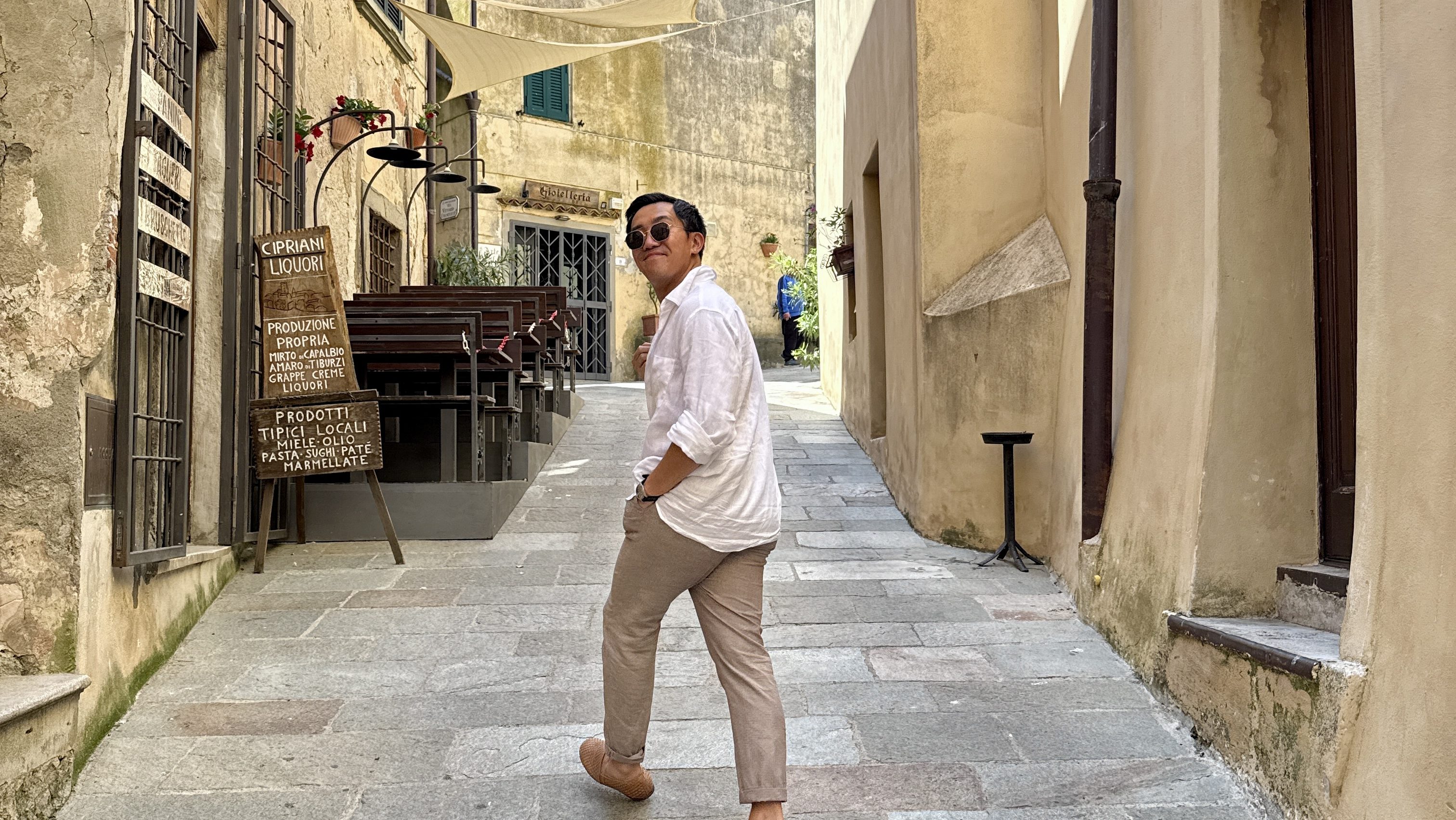
The last time I was in Rome, I was 13 years old. In the nearly two decades since, I had kept telling myself, “I’ll get back there.” So when Alaska Airlines launched its first-ever nonstop flight from Seattle to the Eternal City earlier this spring, I took it as a sign to book the flight.
As with any reporting assignment, I spent hours researching (and speaking with locals) on how to make the most of a long weekend in Rome. Here’s exactly what I did — a mix of the greatest hits and lesser-known spots, along with things booked in advance and ones I happened to wander into.
After all, a trip to a city as vibrant as Rome should be equal parts structured and serendipitous.
Getting to Rome via Alaska Airlines’ nonstop
In April, Alaska Airlines debuted daily seasonal service between Seattle (SEA) and Rome’s Leonardo da Vinci-Fiumicino (FCO). It became the carrier’s first-ever transatlantic route and has since been joined by year-round service to London Heathrow (LHR) and seasonal flights to Reykjavík (KEF).
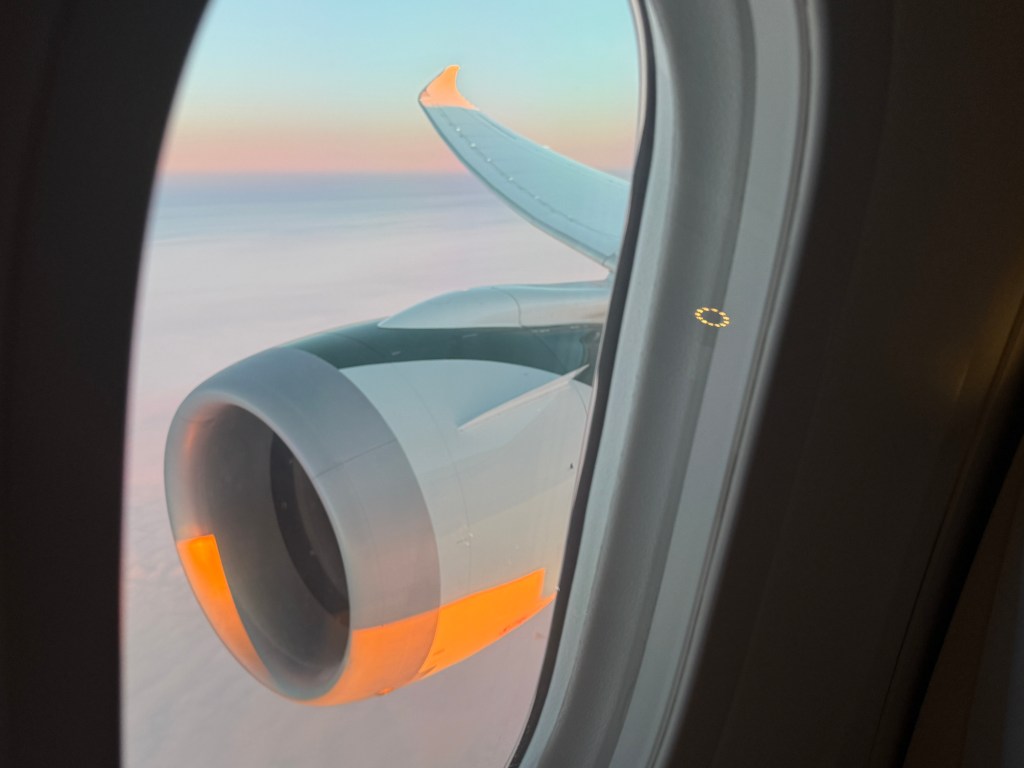
The airline’s Boeing 787 Dreamliner not only features an all-new livery design on the outside, but also a refreshed onboard experience inside — and I was eager to try it all.
At the airport
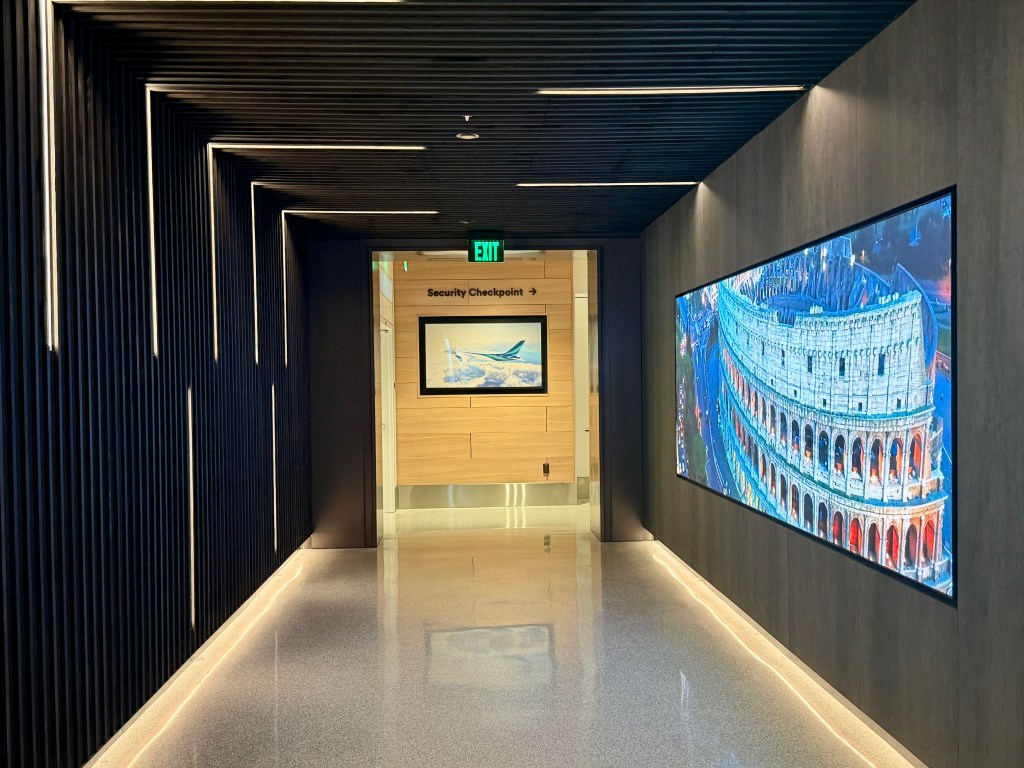
In Seattle, I tested Alaska’s new exclusive check-in service, open to both international Business Class Suites passengers and Atmos™ Titanium status holders. The VIP-like space has a private entrance and a dedicated lane to skip the normal airport security lines.
In addition, Atmos Titanium members receive complimentary day-of-departure upgrades to the international Business Class Suites, if available. This includes long-haul routes like Seattle to Rome. I was already booked up front, but it’s a valuable perk for the airline’s most loyal customers.
After security, I made a beeline for the Alaska Lounge in the North Satellite terminal. Once inside, I grabbed a cappuccino from the barista station and watched as planes took off, with the Olympic Mountains in the distance.
(Editor’s note: Alaska is the only U.S. airline to offer complimentary day-of-departure upgrades into international Business Class without points or a certificate. That means upgrades for our Titanium members plus one companion to destinations like Rome, Tokyo, London and beyond.)
Onboard in Alaska’s international Business Class Suites
I flew to Rome in a Suite — one of Alaska’s 34 enclosed, lie-flat seats arranged in a 1-2-1 layout with a privacy door and direct aisle access. Already waiting was a Salt & Stone amenity kit and plush Filson bedding. (Pacific Northwest brands, as I’d encounter, run through the Alaska long-haul experience.)
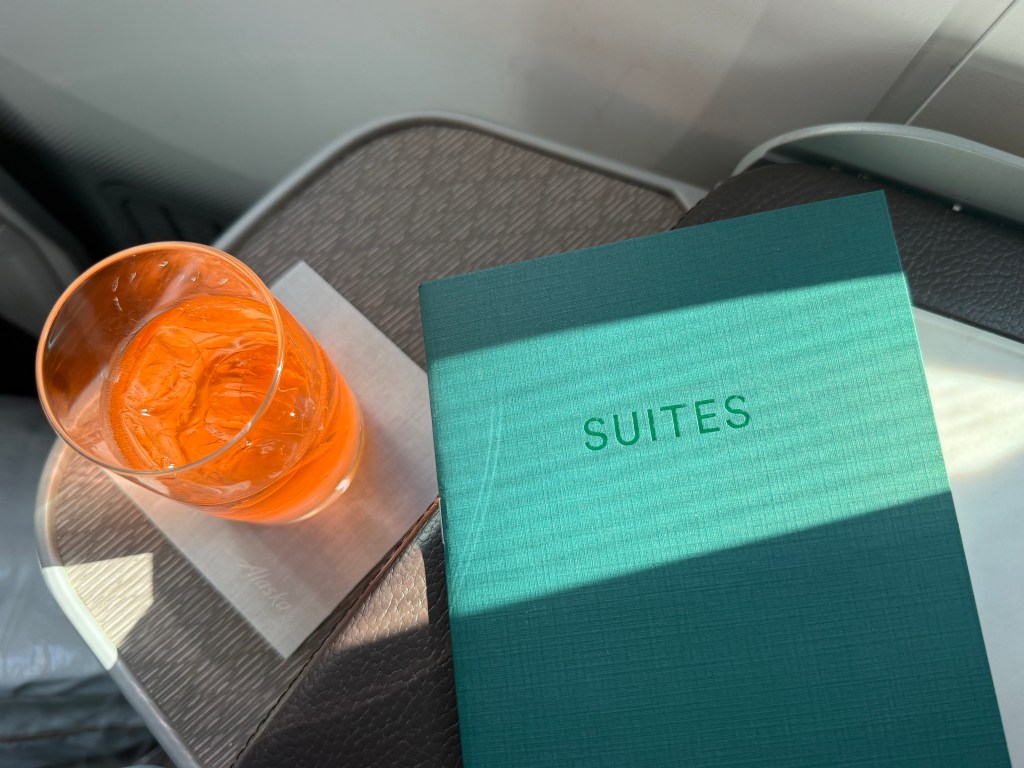
However, it was the food and drink that impressed the most. A refreshing Roma Spritz from Portland’s Straightaway Cocktails, made specially for this route, kicked things off. That was followed by a charcuterie board of cheese, cured meat, fruit and salted nuts.
For my main course, I cut into a tender short rib from James Beard Award-winning chef Brady Ishiwata Williams. Then, the part I’d been waiting for most: a Salt & Straw dessert cart, with a custom ice cream sundae made right at my seat. It hit the spot.
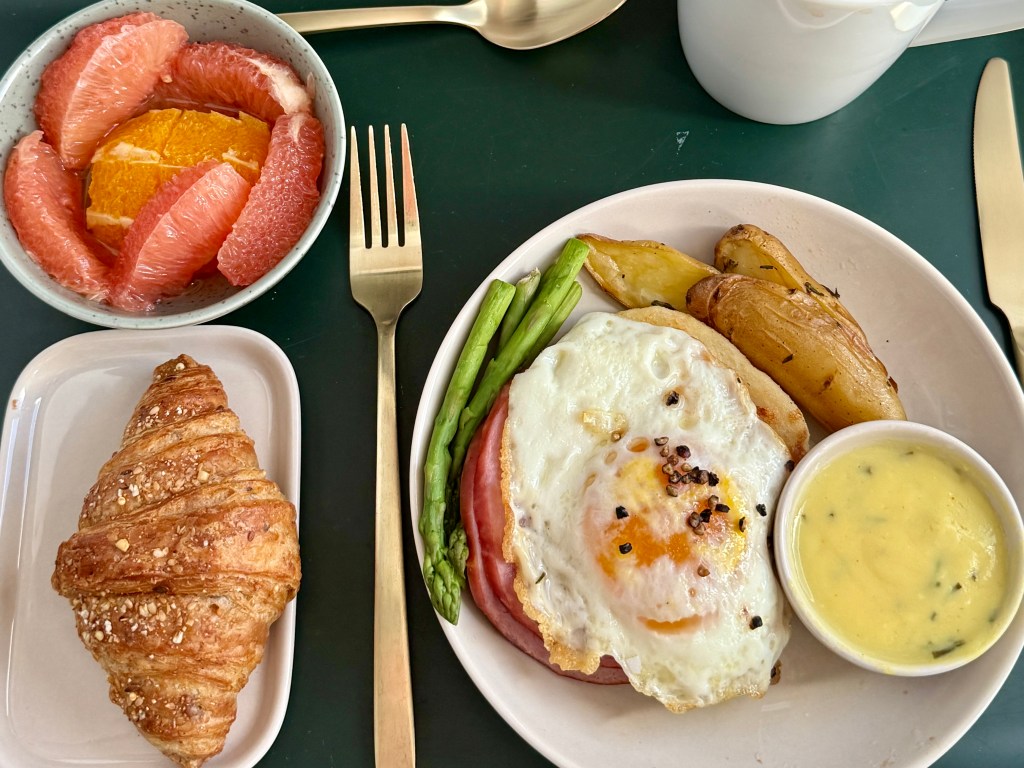
After dinner, I slept six solid hours, thanks to the mattress pad, two pillows, and cozy Filson duvet. I woke just in time for breakfast. I fly a lot (at least 150,000 miles per year) and until now had never had Eggs Benedict on a plane. Color me impressed that Alaska pulled it off—runny egg, hollandaise and all.
One note for future flyers: high-speed Starlink Wi-Fi rolls out on the Dreamliner fleet later this year.
On the ground in the Eternal City
After the overnight flight and going through customs formalities, I grabbed a taxi straight into the city.
A first-timer airport tip: licensed taxis charge a single flat fare of €55 from FCO to anywhere inside central Rome. They’re also required to take credit cards. The Leonardo Express train is cheaper (about €14, roughly 30 minutes to Rome’s central station), but a door-to-door cab might be the move after a long flight.
During my three-night stay, I based myself at the W Rome, located in the city’s Ludovisi district and a short walk from the famed Spanish Steps. For accommodations, I always look for areas slightly removed from the main tourist zone yet still within walking distance of major sights.
The Ludovisi neighborhood nailed that balance since it was central enough to put many attractions within a 15-minute stroll, yet was a quieter pocket of the city to return to after a full day.
(Editor’s note: Atmos Rewards members earn two points per $1 spent on all qualifying charges, or one point per $1 spent on room rate, when booking with hotel partners, including select Marriott Bonvoy properities.)
Day 1 (Friday): Spanish Steps, Trevi and a Roman dinner
The nine-hour time difference can hit hard, so keep the first evening close to the hotel. Here’s the move:
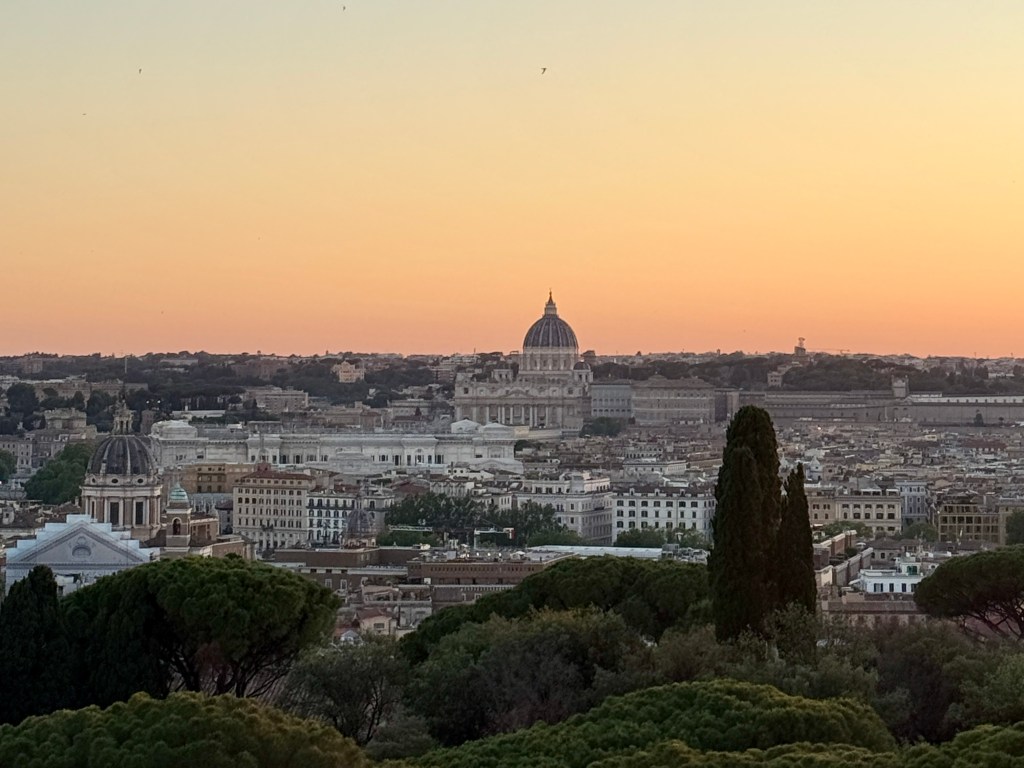
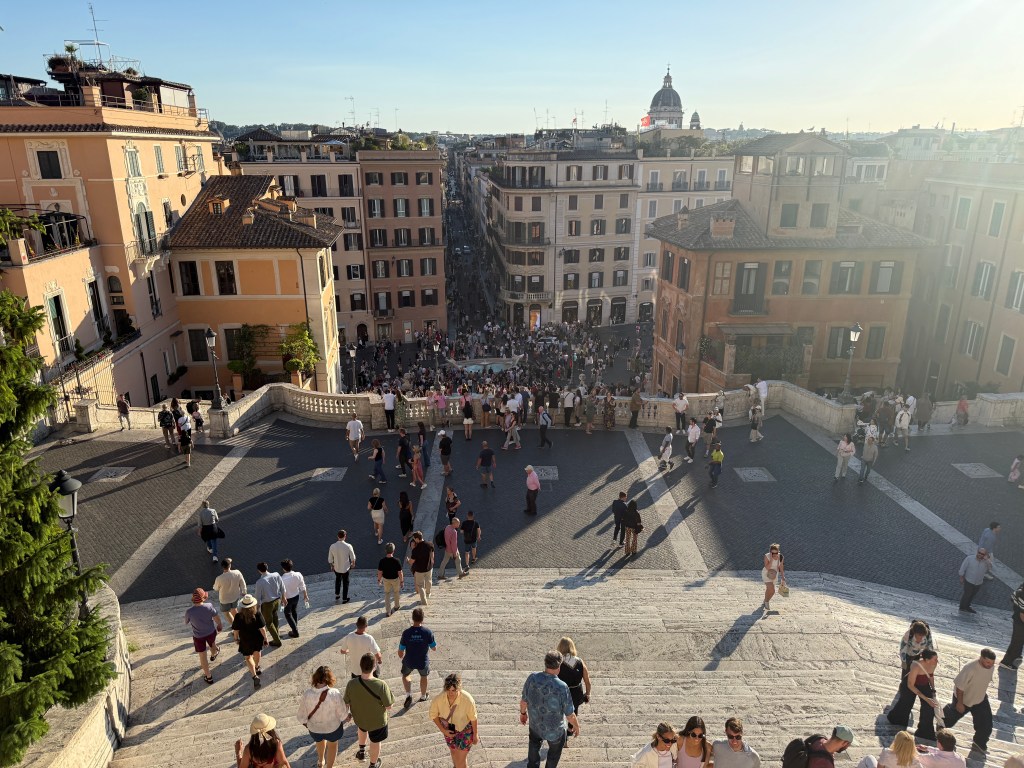
After freshening up at the hotel, walk a few minutes to Piazza di Spagna and the Spanish Steps, an iconic staircase that’s been a Roman meeting spot since the 1700s. After, head up to Adele Mixology, the rooftop bar at Hotel Splendide Royal, for a refreshing aperitivo. (The cocktails are pricey, but you’re paying for one of the best sunset views in the city.)
The Trevi Fountain, as you might expect, is almost always mobbed. However, it thins out slightly at night. Reserve a table at Trattoria della Stampa, a small, old-school institution that nails the Roman classics, then walk around the corner to brave the fountain before or after dinner.
A first-timer’s ordering note: the four pillars of Roman pasta are cacio e pepe, carbonara, gricia, and amatriciana. Get something authentic and homey on night one.
Day 2 (Saturday): the Colosseum, then Rome from the river
For the first full day, start as the Romans do with a cornetto (a crescent-shaped breakfast pastry) and cappuccino. Then, wander through the Villa Borghese gardens in the morning, just a few minutes from the W.
Next, it’s time to walk downhill towards your timed entry for the Colosseum. Rome’s center is compact, and the sampietrini cobblestones are half the charm (just wear real shoes, since the stones are merciless on your feet).
First-timer sightseeing tip: To skip the Colosseum walk-up line, make sure to book an entry slot online at least a week or two in advance.
A few minutes’ stroll from the Colosseum, Basilica di San Clemente makes for a lovely stop (again, book ahead). From the street, it looks like a pretty ordinary church, but inside, descend through three layers of history: a 12th-century basilica, a 4th-century church beneath it and a 2nd-century Roman house at the very bottom.
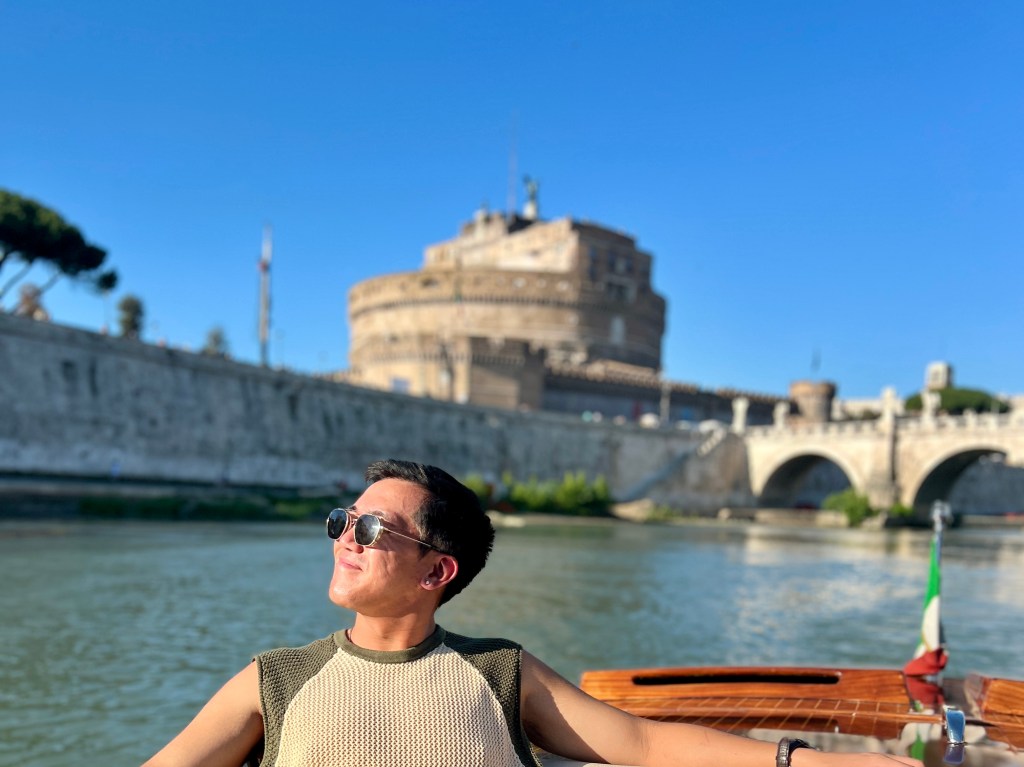
In the evening, catch the city from the water on a one-hour Tiber River boat tour, then head over to INEO, the Michelin-starred contemporary Italian dining room inside the Anantara Palazzo Naiadi. (It’s the exact opposite of a traditional dinner the night before.)
If you’re still standing upright, cap the night at Jerry Thomas, Rome’s original speakeasy.
Day 3 (Sunday): a flea-market treasure hunt, the historic center and gelato
Today’s all about shopping, wandering and yes, gelato.
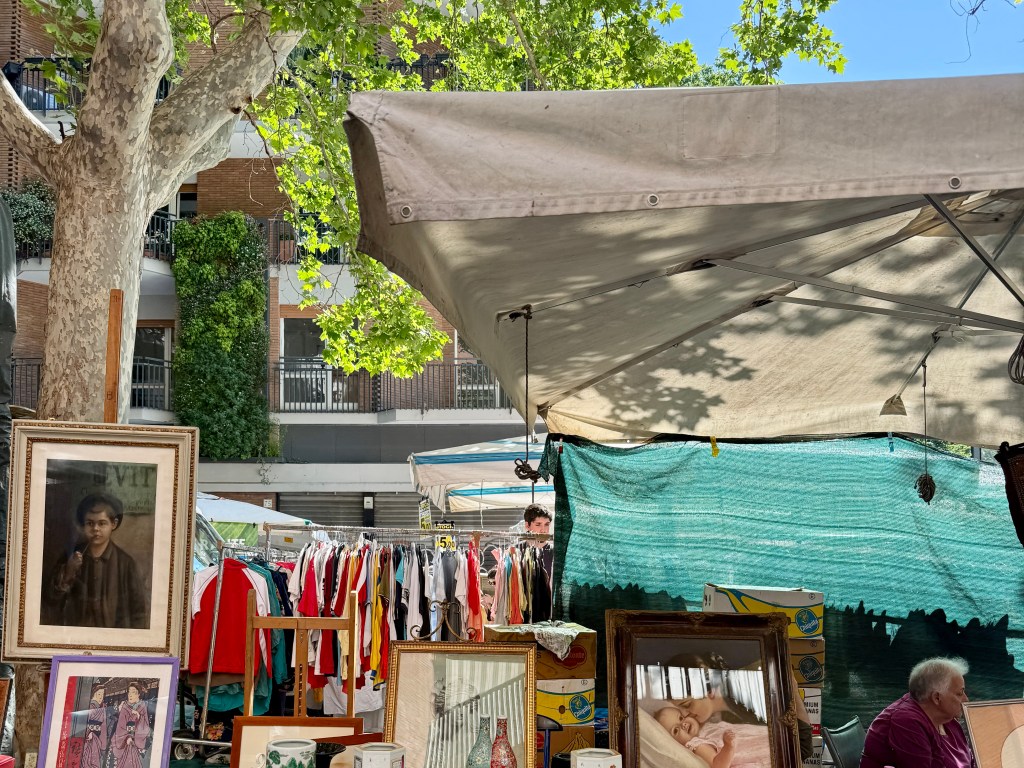
Beat the crowds at Porta Portese, Rome’s sprawling Sunday flea market that gets going around 7 a.m. First-timer Porta Portese tip: Go past the front stalls toward the section where locals go to find unique vintage items.
For lunch, grab pizza al taglio and a mortadella panino at Forno Roscioli, one of the few excellent bakeries open on a Sunday.
Then, it’s time to spend the early afternoon antique-hunting along Via del Governo Vecchio and on neighboring Via di Monserrato, two of the Centro Storico’s shopping streets. Wander away.
Come evening, cross the bridge to Trastevere, the city’s slightly scruffy, hipper quarter. Cool off with gelato at Otaleg, whose rotating flavors rank among Rome’s most inventive. Finally, head to dinner at Le Mani in Pasta, a buzzy seafood spot known for its truffle pasta and squid-and-artichoke salad.
End the night at Cielo, the rooftop atop Hotel de la Ville, for sweeping skyline views from near the Spanish Steps (or just go to bed).
Day 4 (Monday): a less-visited neighborhood and arrivederci, Roma
Spend your last morning where the tourists don’t always go. Testaccio is a working-class quarter in the city’s southeast where original Roman cuisine was born. Parts of Rome can feel like a historical theme park, but Testaccio is a true slice of Roman life.
To really get a sense of the area, consider a guided tour and let a local walk you through the lore at Mercato di Testaccio, the neighborhood’s covered market. There are more residents than tourists here, lining up for lunch, and they all seemed to know the butchers and produce vendors.
Make sure to eat the essentials: a crisp supplì and a market tagliere of cheeses and salumi.
By early afternoon, I picked up a rental car on the edge of town, and headed north toward the Tuscan coast. Rome was in the rearview after nearly 20 years away, and already a list was forming of what I’d do next.
Arrivederci — but not for as long this time.
Tips to make the most of a Rome trip
After years of writing about travel — and a long weekend spent stress-testing Rome firsthand — here’s the advice I’d give any first-timer:
- Go early or late to the big sights, if you can. The major attractions are calmest right at opening or in the final hour before closing. Midday is for long lunches (and shade).
- Build in time for nothing at all. An unscheduled afternoon (i.e., an espresso at the bar, an aimless wander, etc.) is a must. Rome is a city to be in, not just to see.
- Look at the menu before you sit. A sprawling, photo-heavy menu in five languages is your cue to keep walking. In general, the best spots keep their menus short.
- Wear real walking shoes. The cobblestones are relentless, and they’ll punish anything flimsy or brand-new.
- Pack a light layer that covers shoulders and knees. Most churches enforce a dress code, and you don’t want to get turned away at the door.
- Carry cash. You’ll want it for market stalls, espresso at the bar, and more.
- Bring a reusable water bottle. Refill it free at Rome’s nasoni, the cast-iron street fountains running clean (and cold) water all over the city.