Hawaiian Airlines hosts largest-ever disability practice flight aboard Airbus A330 in Honolulu
Share
Summary
Hawaiian Airlines hosted the largest-ever disability practice flight, welcoming 258 travelers with disabilities and their families aboard an Airbus A330 in Honolulu to help participants build confidence and familiarity with the air travel experience.
Organized with local nonprofit partners, the event allowed participants to practice every step of a journey, from check-in and security screening to boarding and taxiing, reinforcing Hawaiian Airlines’ commitment to making air travel more accessible and inclusive.
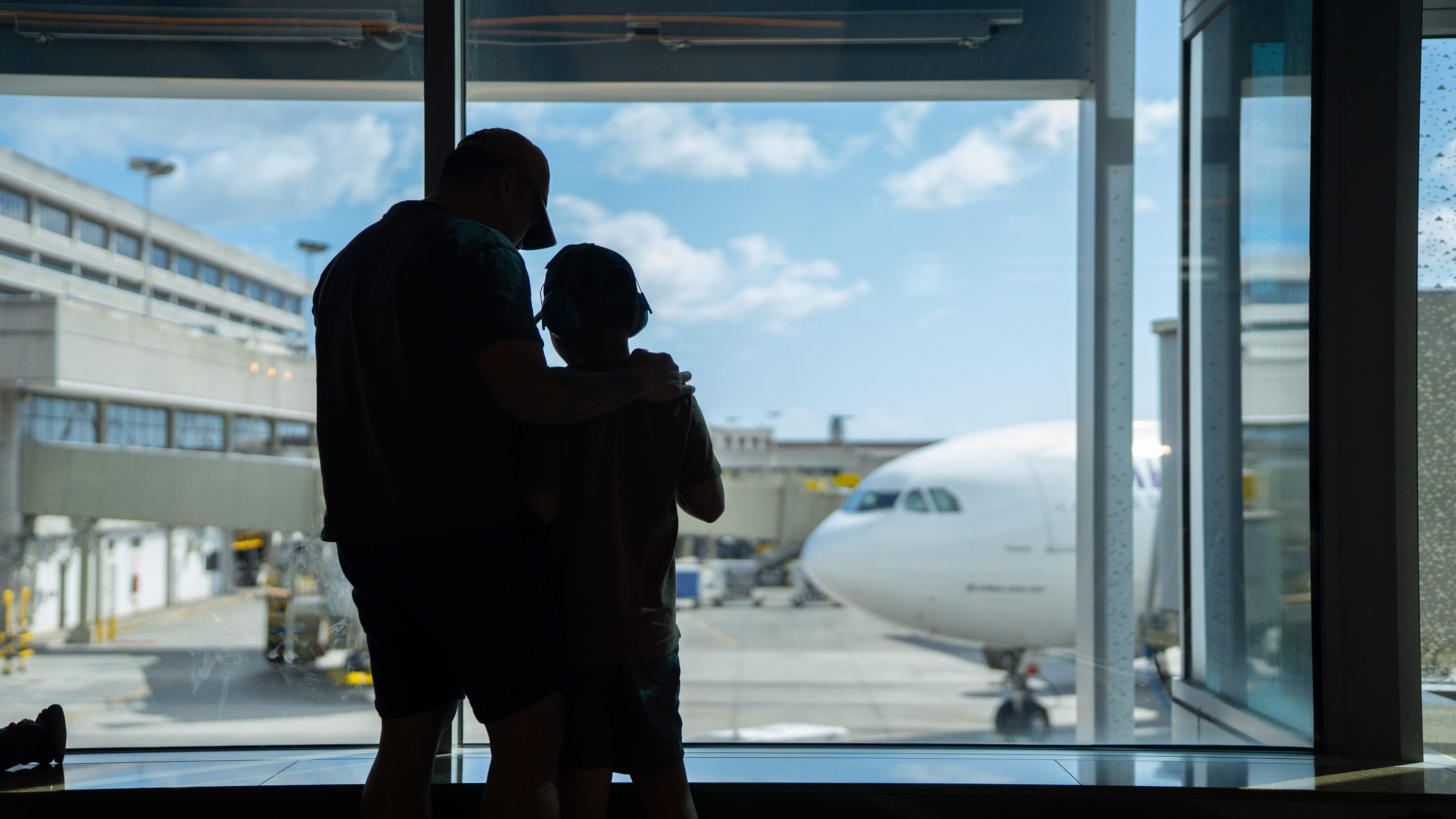
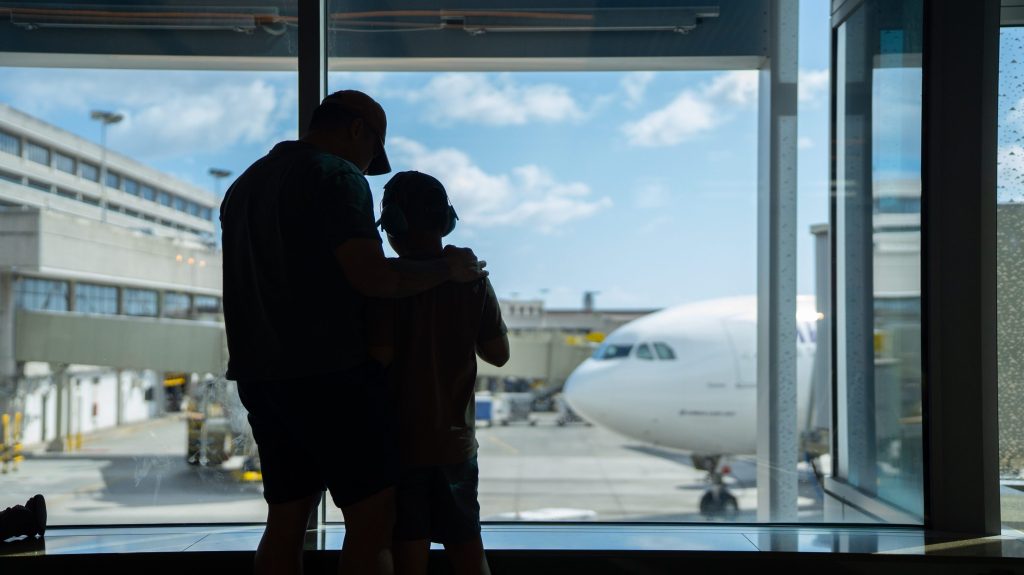
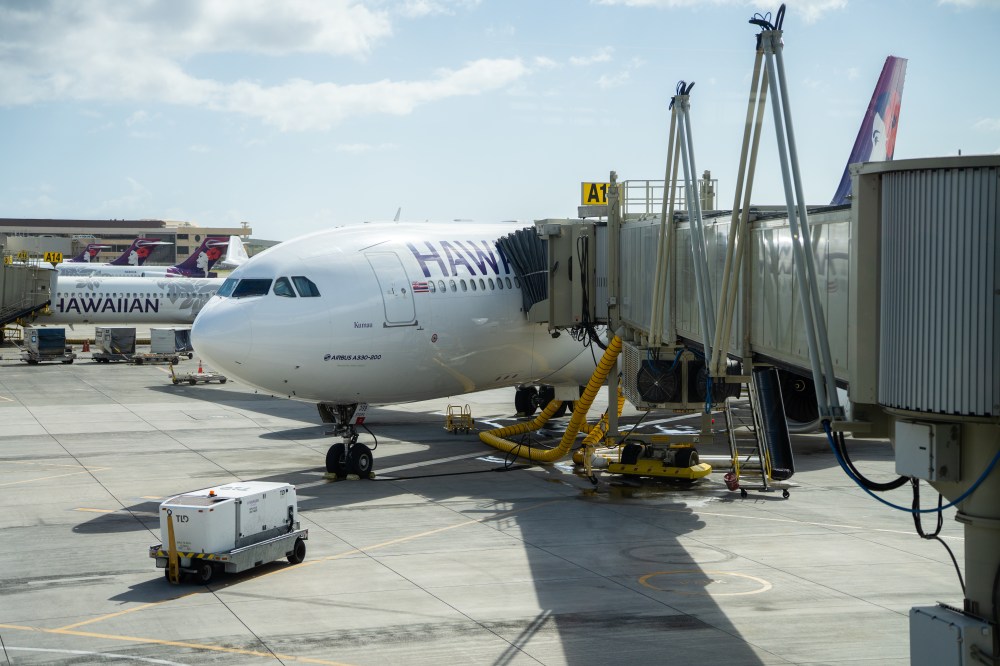
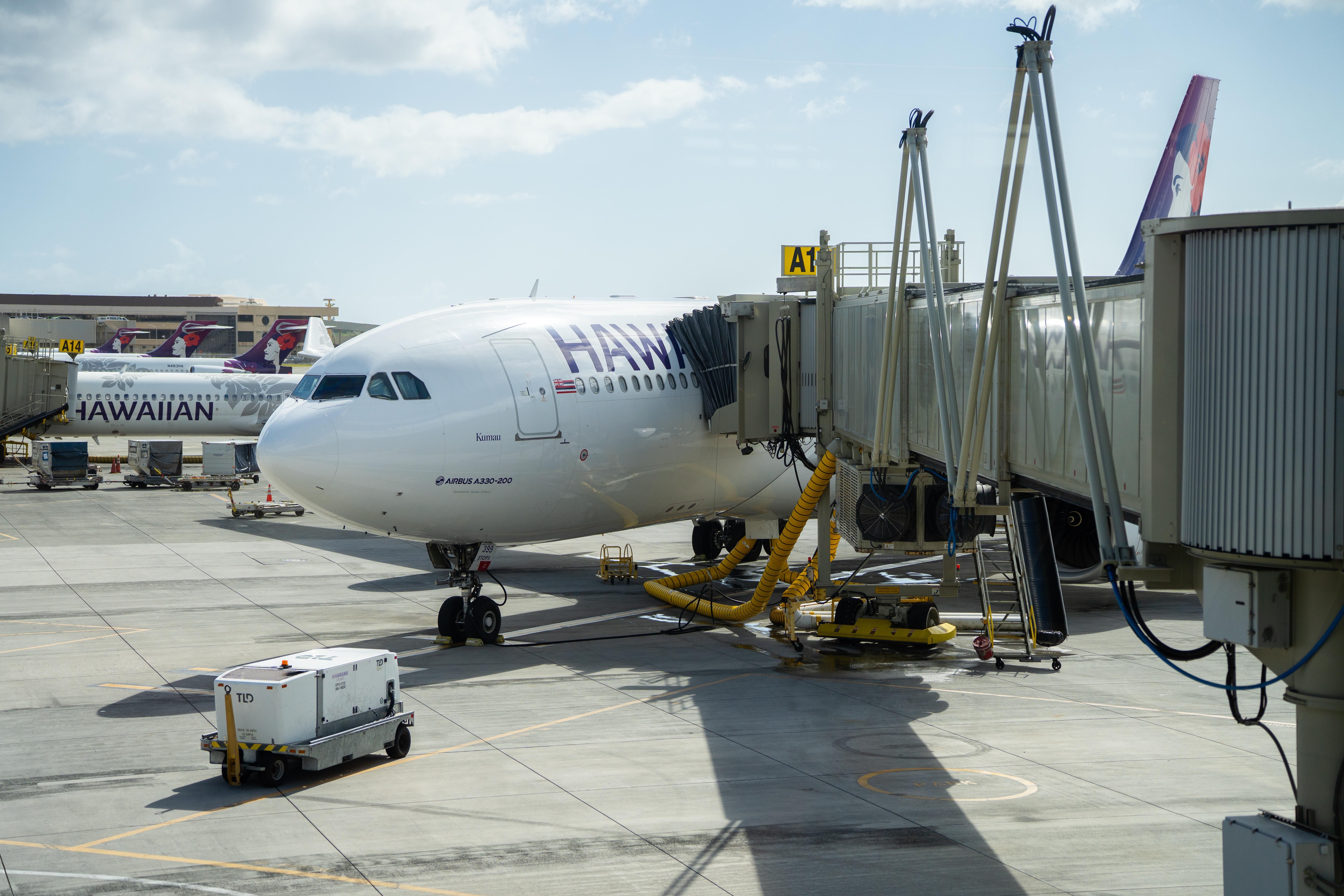
Hawaiian Airlines hosted the largest-ever disability practice flight on Sunday, welcoming 258 travelers with disabilities and their families aboard an Airbus A330 aircraft at Honolulu’s Daniel K. Inouye International Airport (HNL) to help participants become more comfortable with air travel.
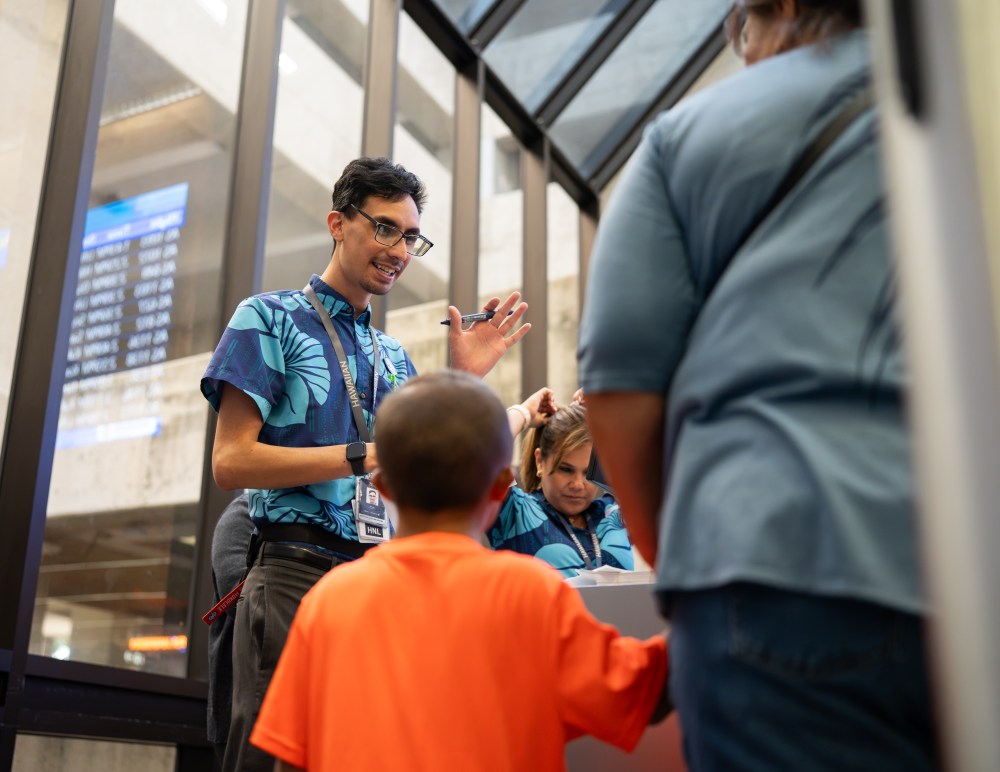
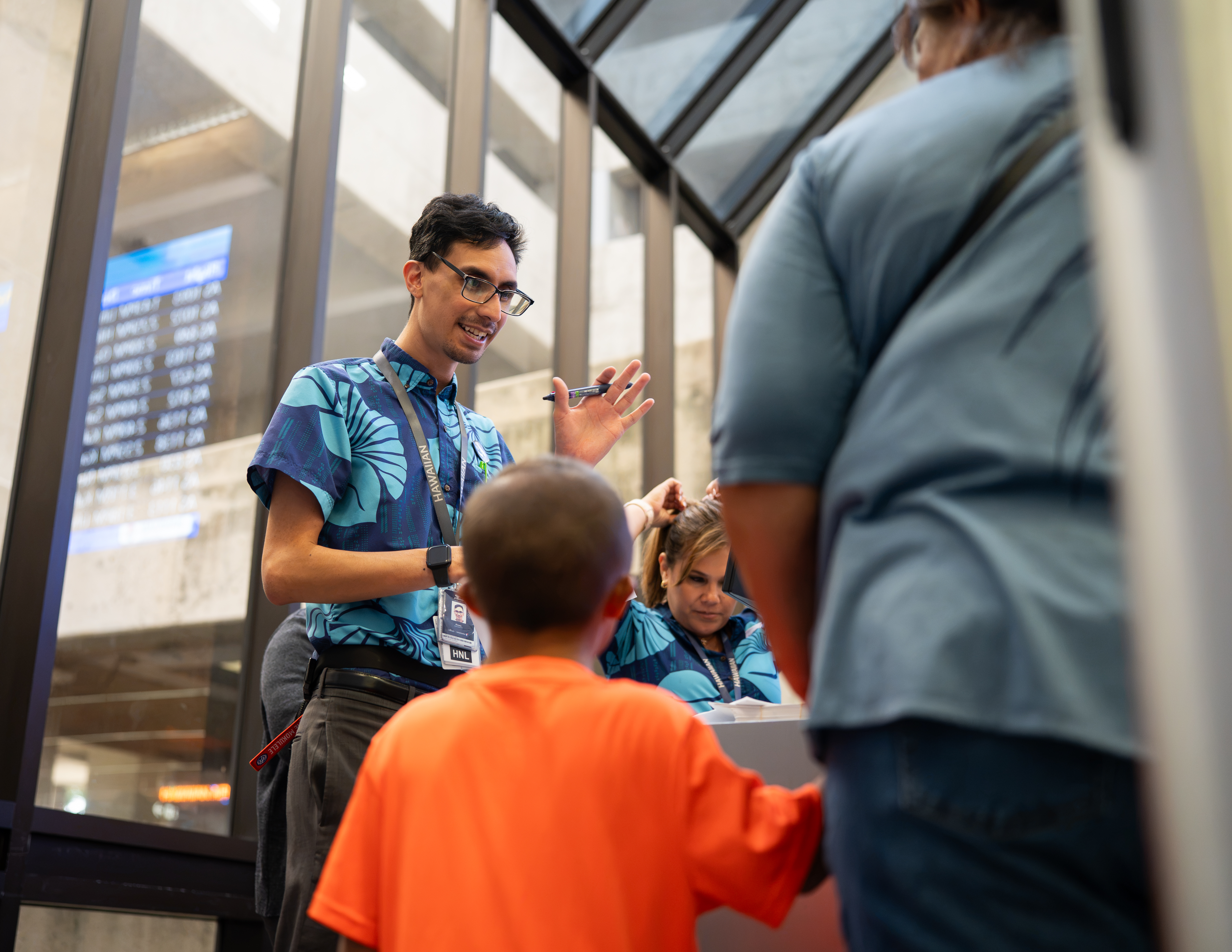
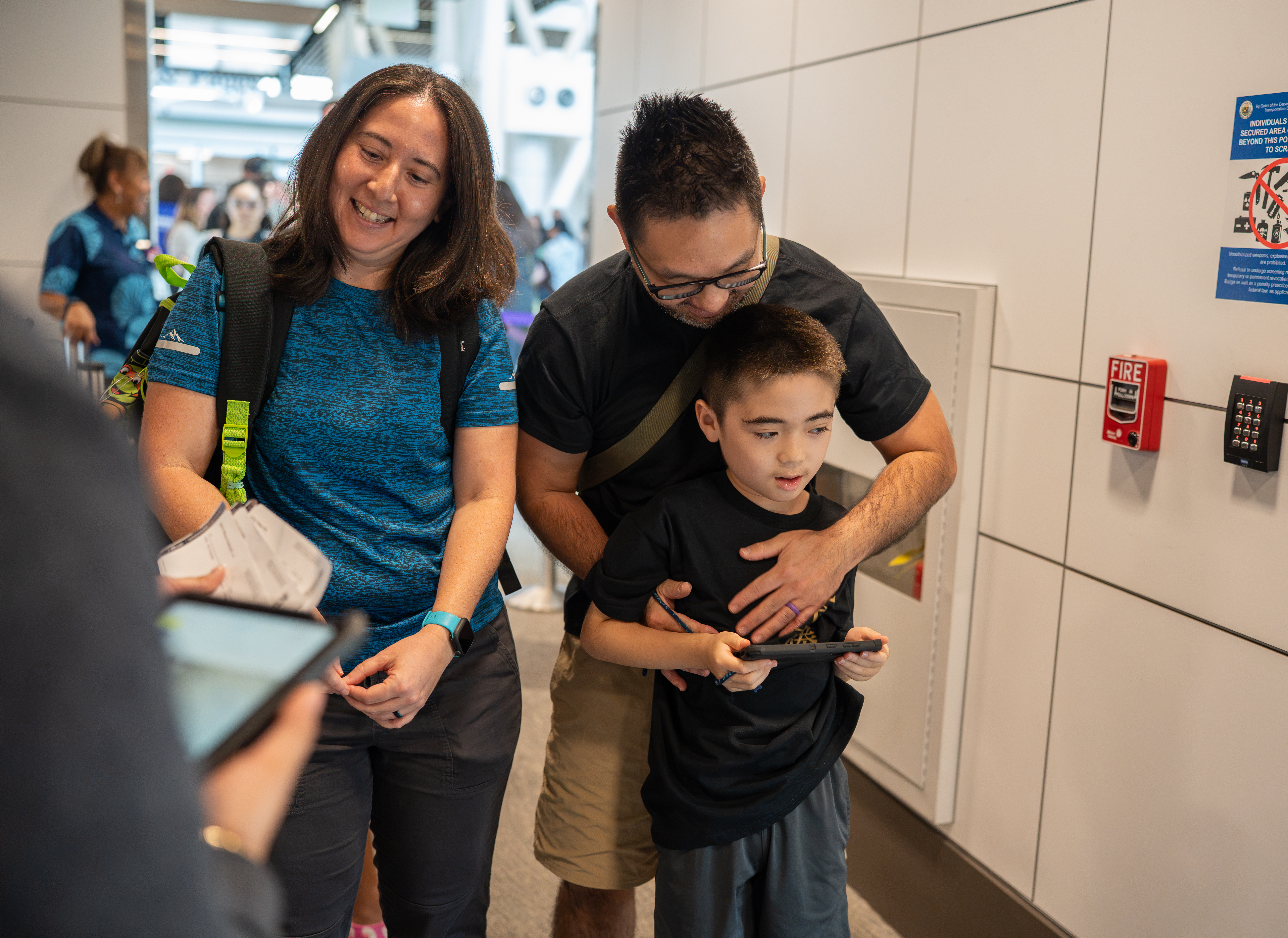
Organized in partnership with Never Quit Dreaming, Hawaiʻi Autism Foundation and Autism Society of Hawaii, the event gave participants an opportunity to experience the airport and boarding process in a supportive, lower-pressure environment. Families checked in at the ticket counter, received boarding passes, passed through security, found their departure gate and boarded the aircraft before it pushed back from the gate and taxied around the airport.
For travelers with autism, sensory sensitivities and other disabilities, navigating crowded terminals, unfamiliar procedures and the sights and sounds of an airport can present challenges. The practice flight allowed families to experience each step together, ask questions and become more familiar with what to expect on a future trip.
For Reid and Sandra Moriyama, who attended with their two children, the practice flight was a chance to try something they had put off for years. The family of four had never flown together, as the couple had been hesitant to plan a trip without knowing how their children would respond to the airport environment.
“Our younger one is scared of going into large buildings and can’t even stay in the cafeteria in school,” the couple shared. “So, the last thing we wanted to do was start on an expensive trip, get to the airport, and he refuses to walk in the door.”
To their surprise, their younger son eagerly entered the airport, walked down the jet bridge and was among the first to board the aircraft. “He had the most fun on this flight,” they said. The experience has given the Moriyamas greater confidence about the possibility of traveling together, including a future family trip to Disneyland.
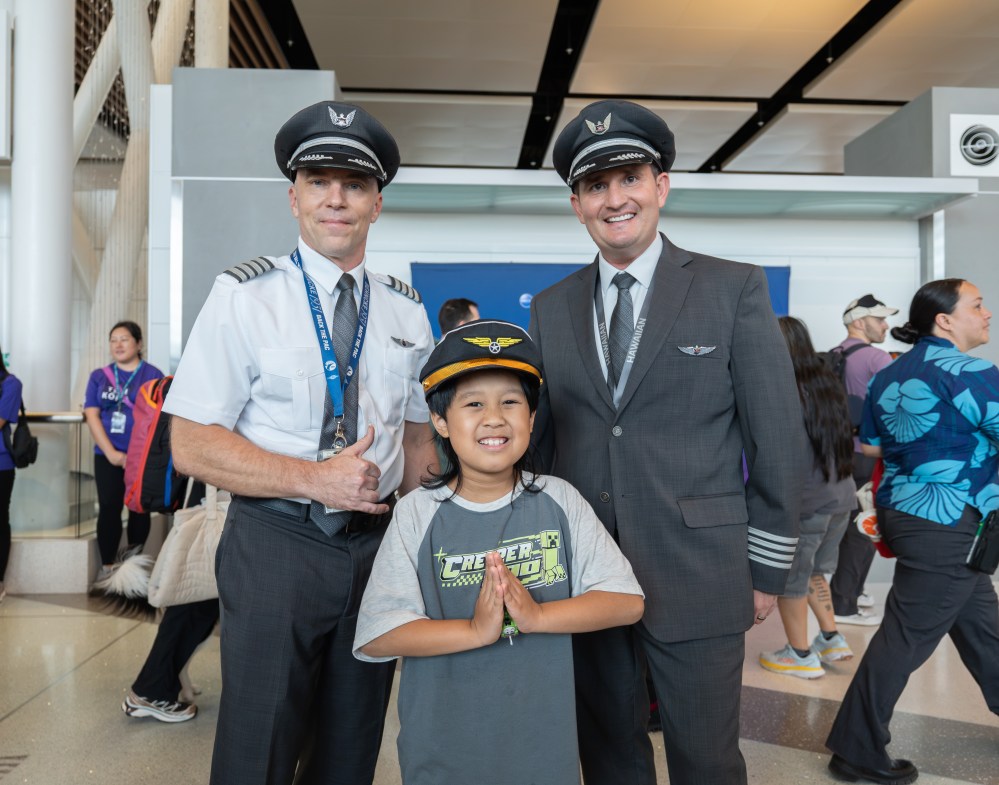
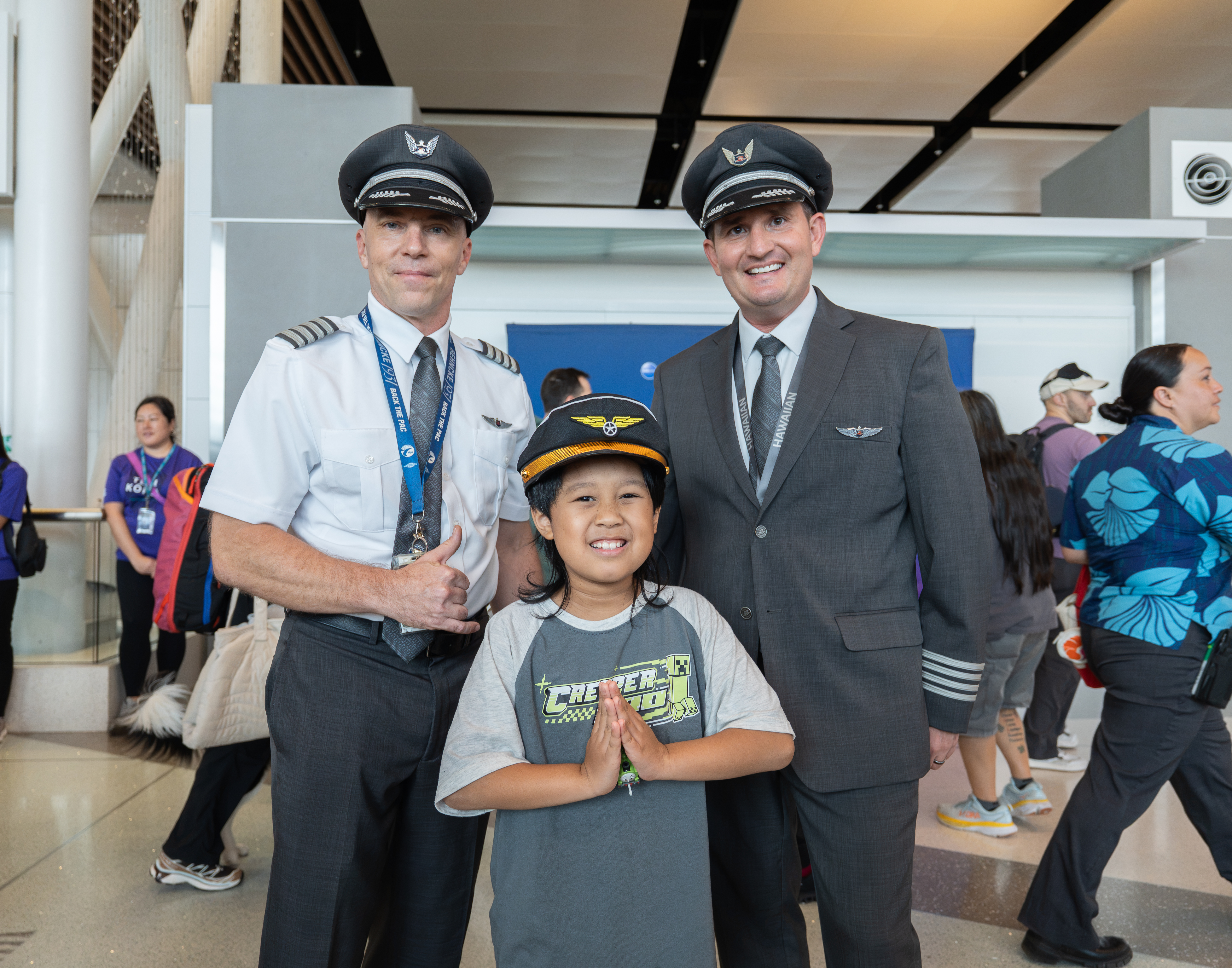
We want every guest to feel welcome and confident when they travel with us. Hosting the largest-ever disability practice flight allows us to give more individuals and families the opportunity to experience air travel in a supportive environment. We hope this experience helps participants feel more prepared for their next journey, and we’re grateful to our community partners and employees for making it possible.”
The event marked Hawaiian Airlines’ return to hosting practice flights in Honolulu following a similar program in 2016. Alaska Airlines also has a history of organizing practice flights for travelers with disabilities, typically hosting three to four events annually. This year’s event marked the first time a widebody aircraft has been used for a disability practice flight, allowing more participants and their families to take part in the experience.
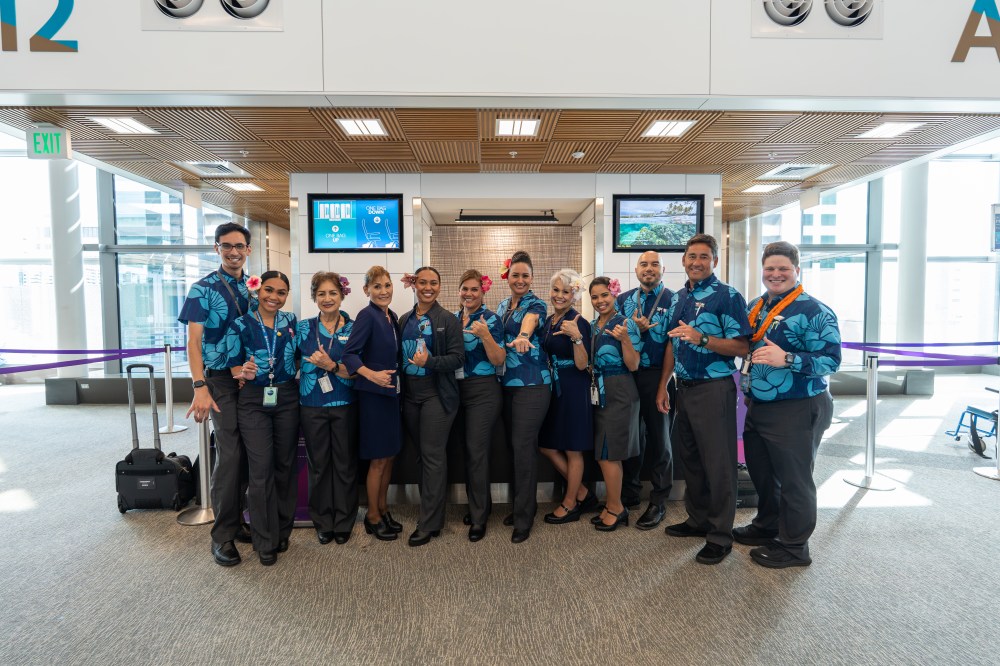
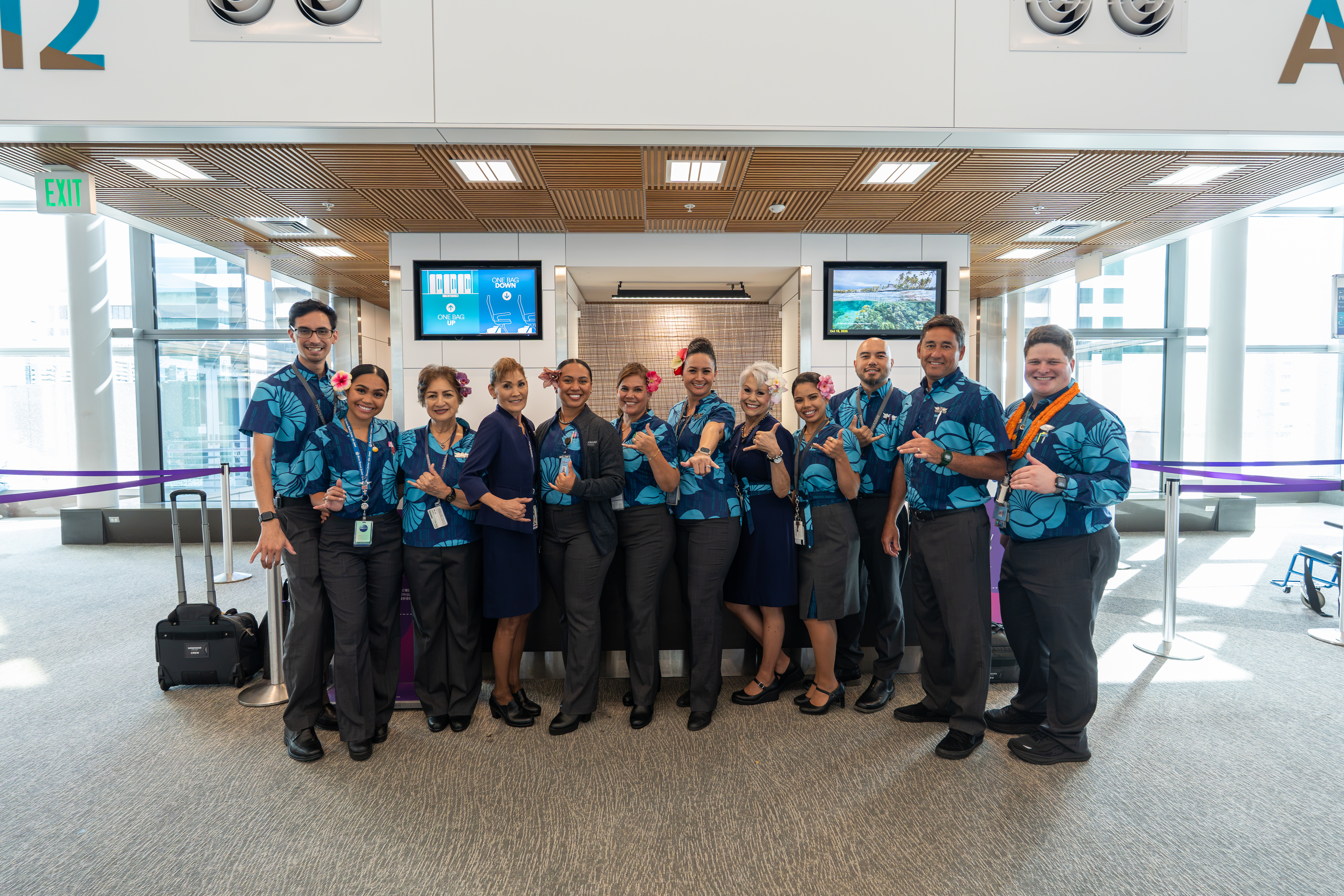
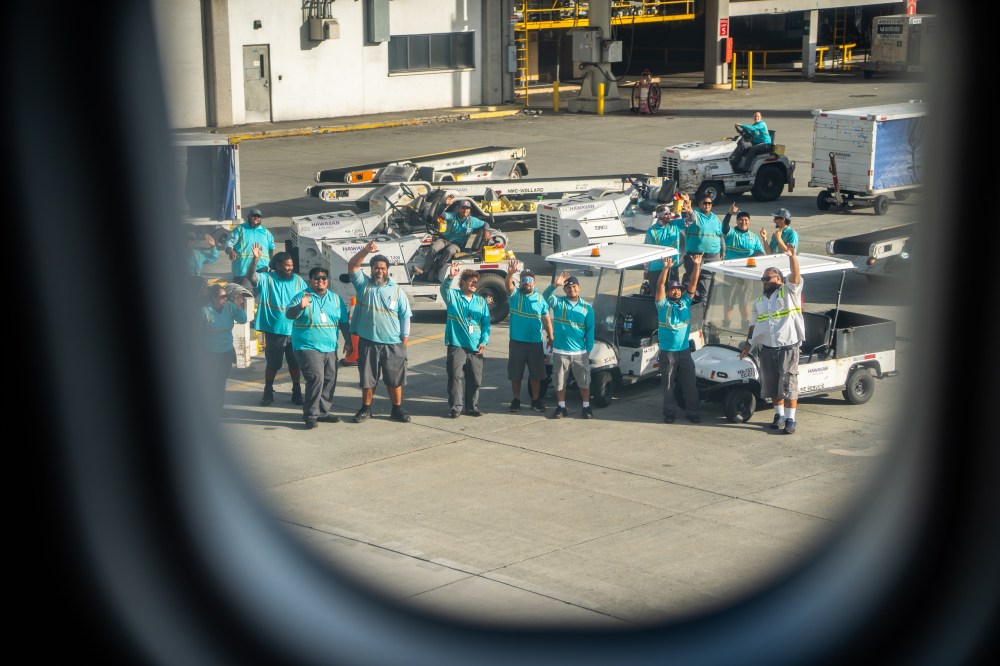
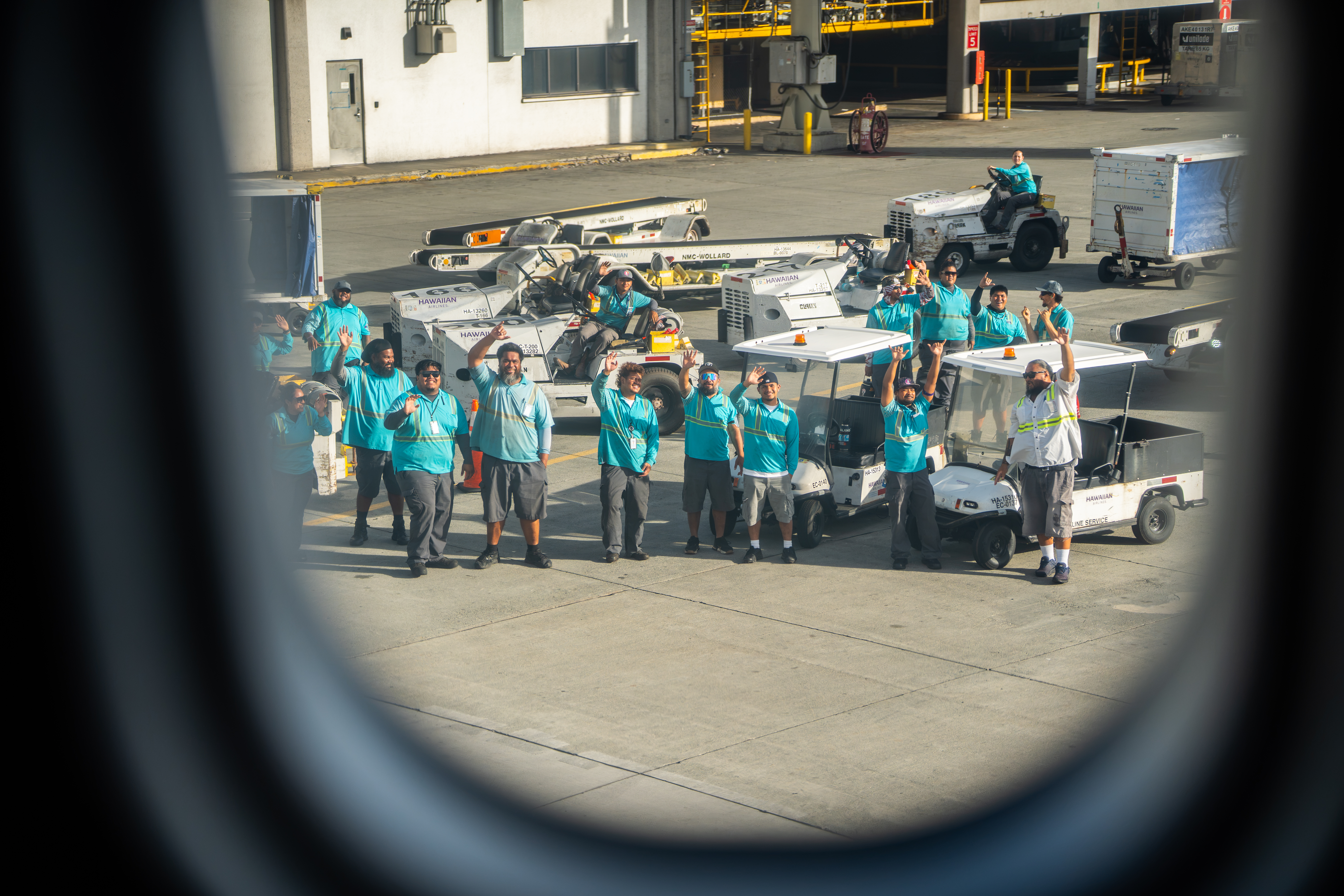
Kristopher Dung, director and founder of Never Quit Dreaming, said unfamiliar airport procedures, sensory challenges and extended periods of sitting can make families hesitant to travel. Practice flights offer an opportunity to experience these situations in advance and better understand how their children or family members may respond. “These practice flights are really important for our families because it exposes them to the unknown,” Dung said. “So having these practice flights just allows them to get a little bit more familiar with their environment and resources.”
Dung added that many of the families his organization serves hope to visit destinations such as Disneyland, Universal Studios and LEGOLAND, and experiences like Sunday’s event can help them begin preparing for those trips.
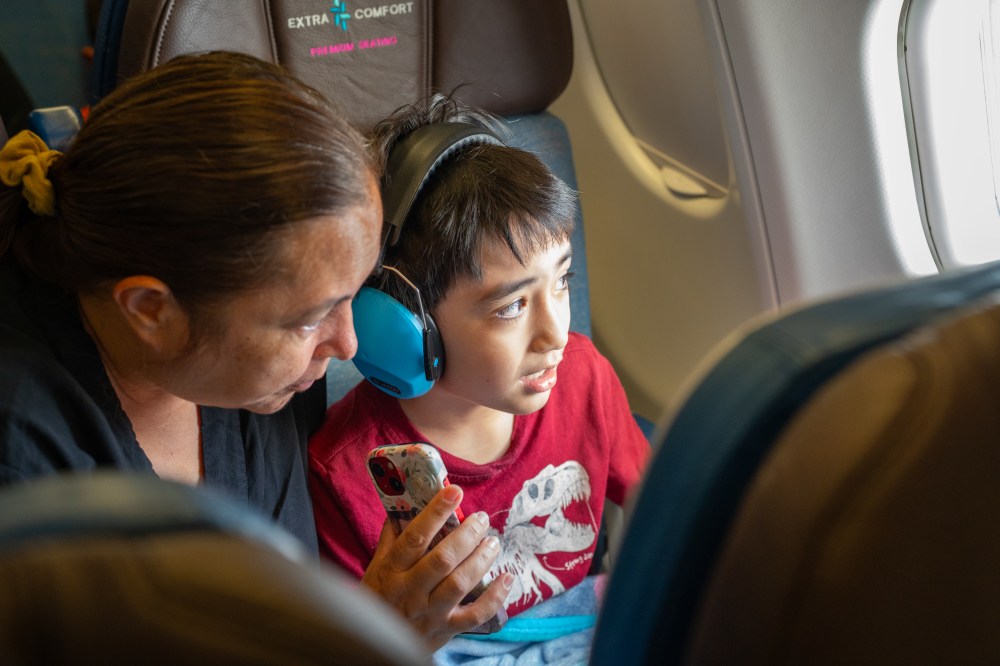
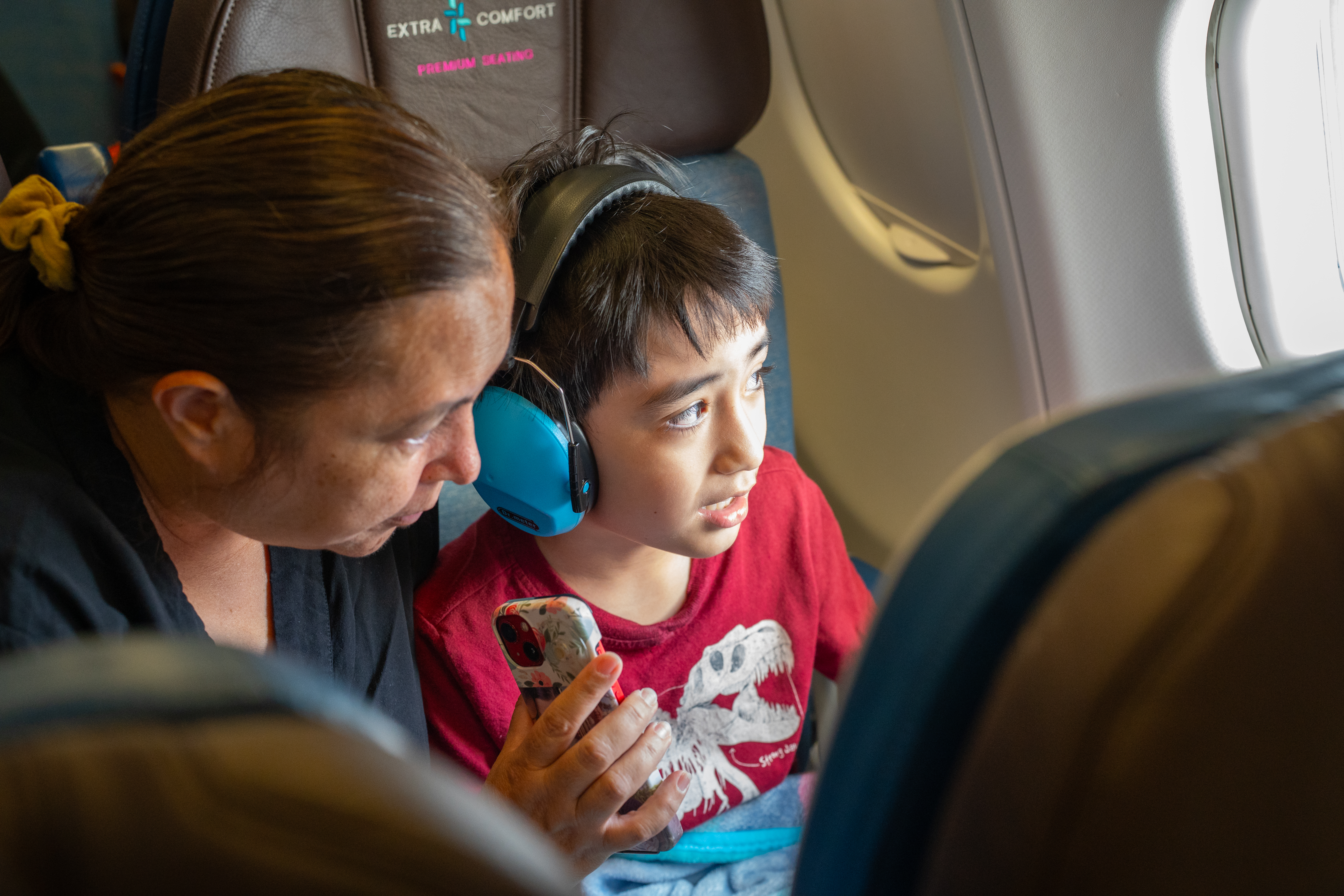
Julia Wilson, a board certified behavior analyst representing Hawaiʻi Autism Foundation, emphasized the importance of giving participants opportunities to practice in a comfortable environment, particularly for families living in Hawaiʻi, where air travel is necessary to reach destinations beyond the islands. Wilson observed that some participants initially appeared confused about what to expect, but became more comfortable as the event progressed. One moment stood out to her after everyone had boarded.
“As soon as the safety briefing came on the screen, every child in that plane immediately had their eyes locked right on that safety screen,” Wilson said.
For the Moriyamas, the experience also offered reassurance about how their children might respond to a future flight. “I actually was very surprised, so I think it’d be great if we could take a trip,” they shared. “Maybe one day we might go to LA, Disneyland.”
About Alaska, Hawaiian and Horizon
Alaska Airlines, Hawaiian Airlines and Horizon Air are subsidiaries of Alaska Air Group, and McGee Air Services is a subsidiary of Alaska Airlines. We are a global airline with hubs in Seattle, Honolulu, Portland, Anchorage, Los Angeles, San Diego and San Francisco. We deliver remarkable care as we fly our guests to more than 140 destinations throughout North America, Latin America, Asia, the Pacific and Europe. Guests can book travel at alaskaair.com and hawaiianair.com. Alaska and Hawaiian are members of the oneworld© alliance. Members of our Atmos™ Rewards loyalty program can earn and redeem points with oneworld airlines and our additional global partners that serve over 1,100 worldwide destinations. Learn more about what’s happening at Alaska and Hawaiian at news.alaskaair.com. Alaska Air Group is traded on the New York Stock Exchange (NYSE) as “ALK.”