Snowy temples, fewer crowds and onsen bliss: Why Japan shines in the winter
Share
Japan is a destination shaped by the seasons. In the winter months, when crowds thin and snow often falls, I love traveling both to Tokyo and the quieter towns at the outskirts of the metropolis.
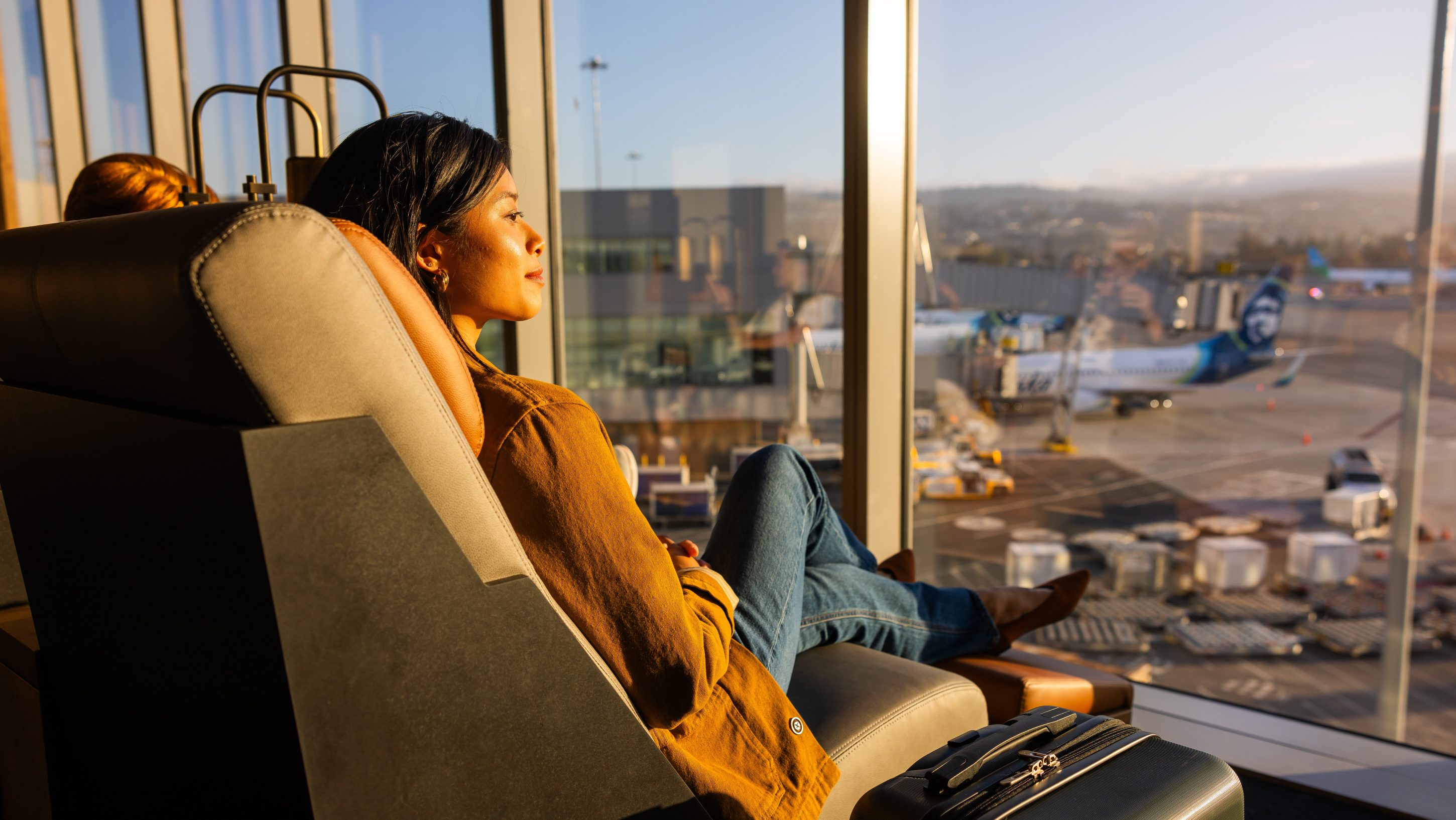
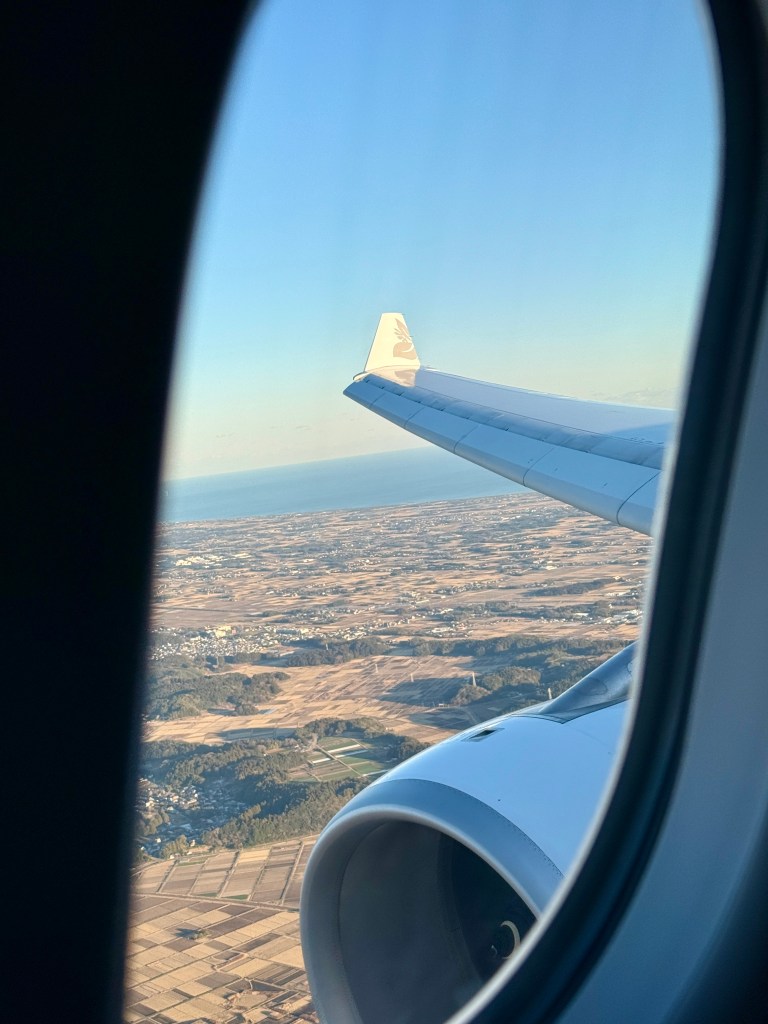
In early January, I flew from Seattle to Tokyo on Alaska Airlines and Hawaiian Airlines’ daily nonstop flight to reset my mind for the year ahead. My five-day itinerary took me from the crisp, clear air of Tokyo (with uninterrupted views of Mt. Fuji) to the quiet town of Nikko, home to forested mountains, hot springs and snow-dusted shrines.
Here’s why a visit to Japan is a must in winter — and how I made the most of my off-season trip with Alaska and Hawaiian.
Winter is Japan’s most peaceful season
While spring and fall are typically the most popular periods to visit Japan (think: cherry blossoms and vibrant foliage), it’s also rewarding to explore in the winter shoulder months. During the cold season, the ambiance feels noticeably calmer (as long as you’re outside of the big ski towns). Tokyo’s alleyways in neighborhoods like Shinjuku and Ginza remain lively, but they’re no longer as packed with pedestrians. It’s easier to book Shinkansen tickets or enter historic sites like Senso-ji. And a hot, steaming bowl of ramen or soba simply hits harder.
Venture even slightly beyond Tokyo, as I did, and some places can feel entirely your own.
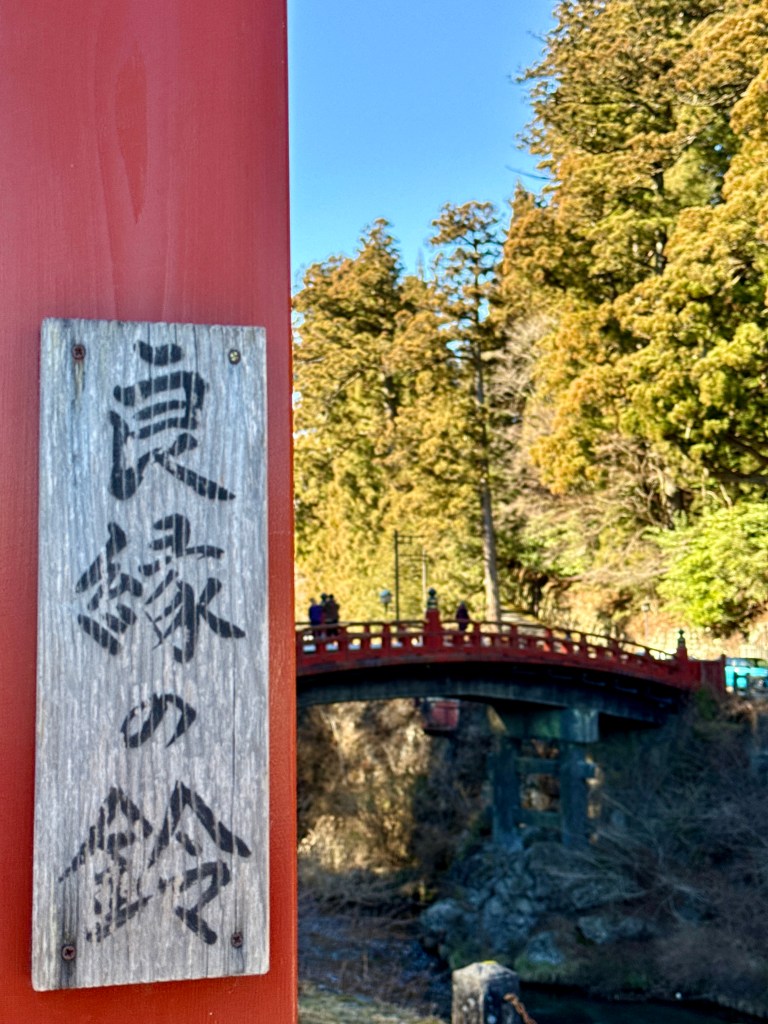
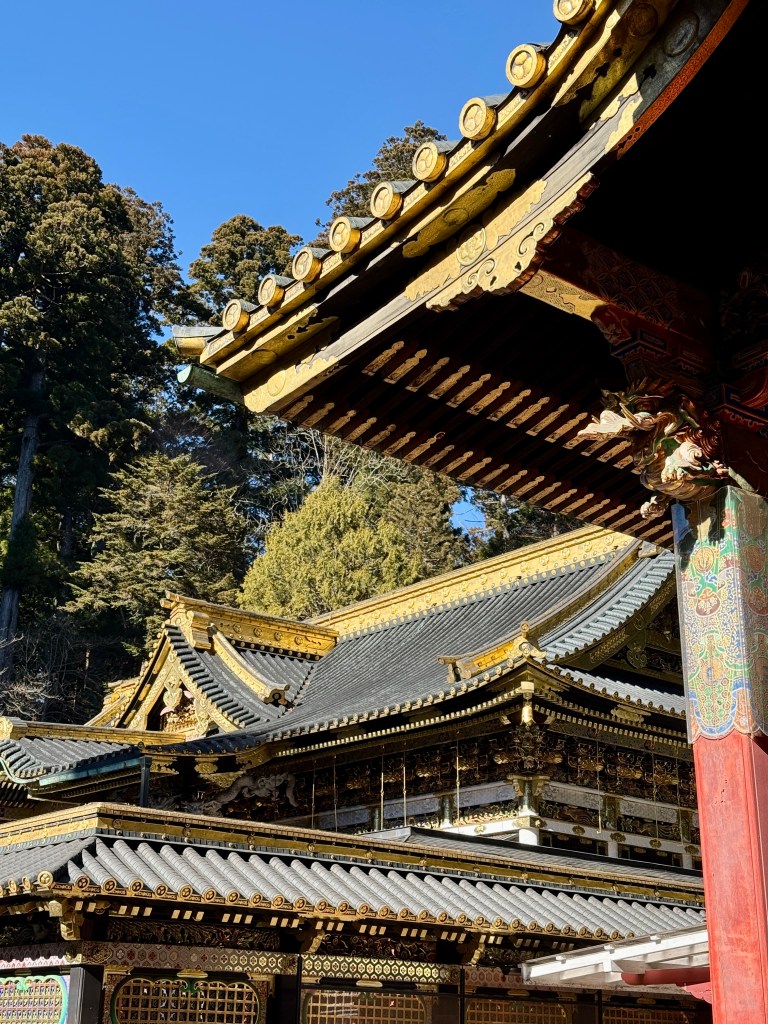
From landing in Tokyo to onsen bliss
Alaska and Hawaiian’s Seattle-Tokyo flight, which debuted earlier last year, lands in Japan’s capital in the mid-afternoon. That time frame is an ideal window to clear the airport, take the train into the city, grab a light dinner and turn in early to be refreshed for the days ahead.
That’s exactly how I arranged my first night. The next morning, I was on a two-hour train bound for the mountain village of Nikko, an onsen town renowned for traditional hot spring baths and a gorgeous natural setting.
When I began wandering through the area, snow flurries settled over the UNESCO-listed shrines and temples, and for a moment, it felt as though the town had slowed just for me. I explored architectural and cultural landmarks, like Toshogu Shrine, a vast, lavishly decorated complex that’s the mausoleum of Tokugawa Ieyasu, Japan’s first shogun (military general). And because it was winter, there were no lines to enter.
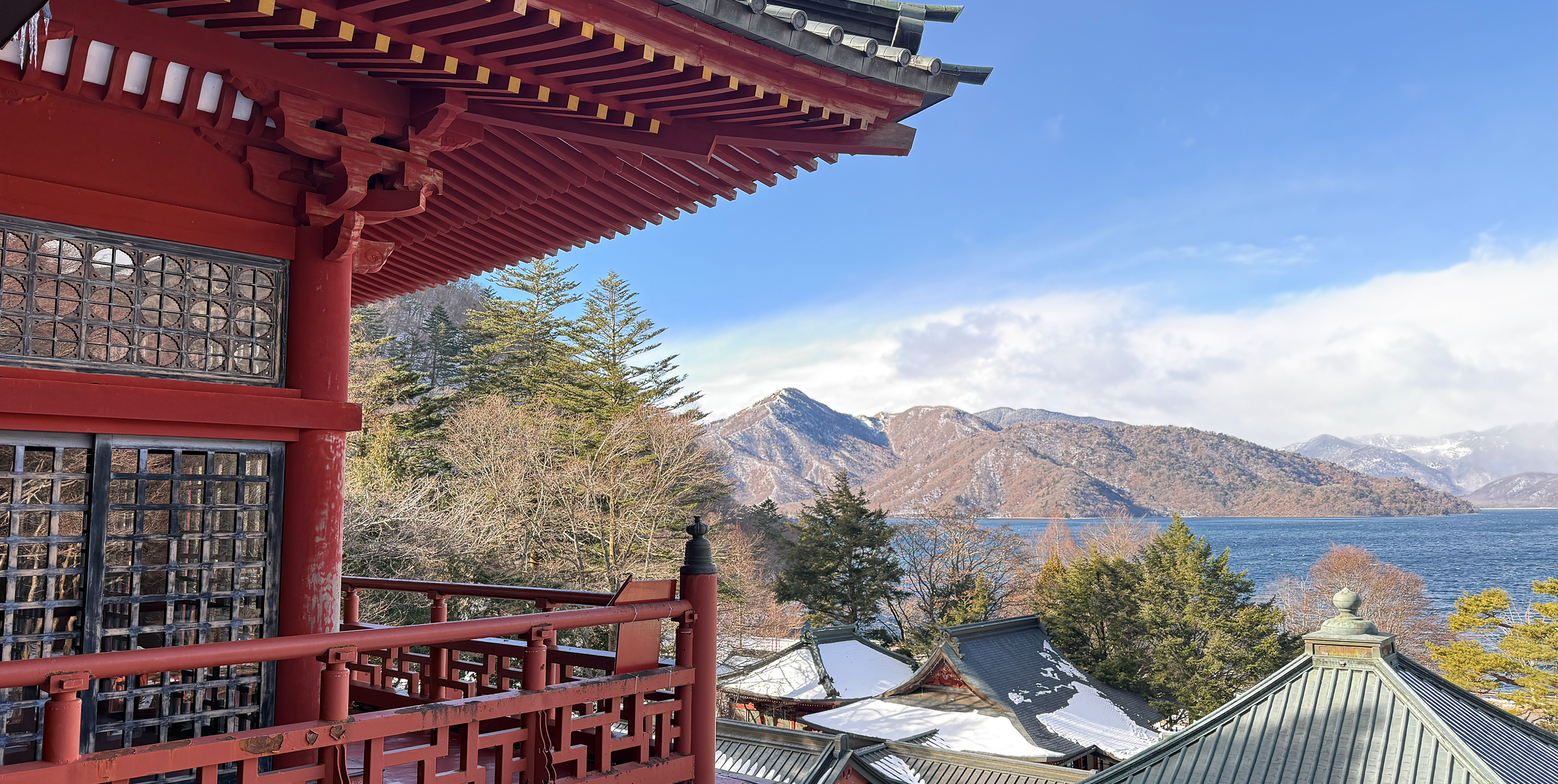
Next, I visited the magnificent Chuzenji Shrine, with panoramic views of the highest lake in Japan. It was particularly postcard-worthy because the roofs were covered in a fresh layer of snow.
In Nikko, I stayed at The Ritz-Carlton Nikko, a Marriott Bonvoy property about 40 minutes from the train station and conveniently located near area attractions. Kagan Falls, one of the highest waterfalls in the country and partially frozen in January, was only a five-minute trek on foot.
(Editor’s note: Atmos™ Rewards members can earn on qualifying hotel stays booked through Alaska Airlines Vacations or with participating partners, such as Marriott Bonvoy. Learn more about Alaska’s hotel partners.)
In addition to a refined Japanese dining venue, the hotel features a private, mineral-rich geothermal hot spring. It was my first time soaking in a natural onsen in Japan, and I was instantly hooked.
During my stay in Nikko, temperatures dipped as low as 18 degrees Fahrenheit. I found myself lingering in the onsen for hours, closing my eyes as steam rose and snow fell outside. It was easy to relax and slow down, especially after a day spent exploring. I finally understood why hot springs were such an essential part of Japanese winter travel.
Finding warmth back in Tokyo
Finally, it was time to head back to Tokyo for my last two nights. I arrived at Nikko’s train station a bit early and ducked into a small, family-run soba shop, where I was served a spectacular bowl of freshly made noodles. It’s one of the pleasures of wandering in Japan: some of the most memorable meals come from unassuming spots.
As a transportation enthusiast, I was particularly looking forward to the train journey aboard the Tobu Spacia X. Launched in 2023, Spacia X feels closer to a boutique hotel lobby on rails than a standard locomotive. In fact, I made sure to book a ticket in the “cockpit lounge,” the train’s first carriage, which lets passengers see unobstructed through the operator’s window.

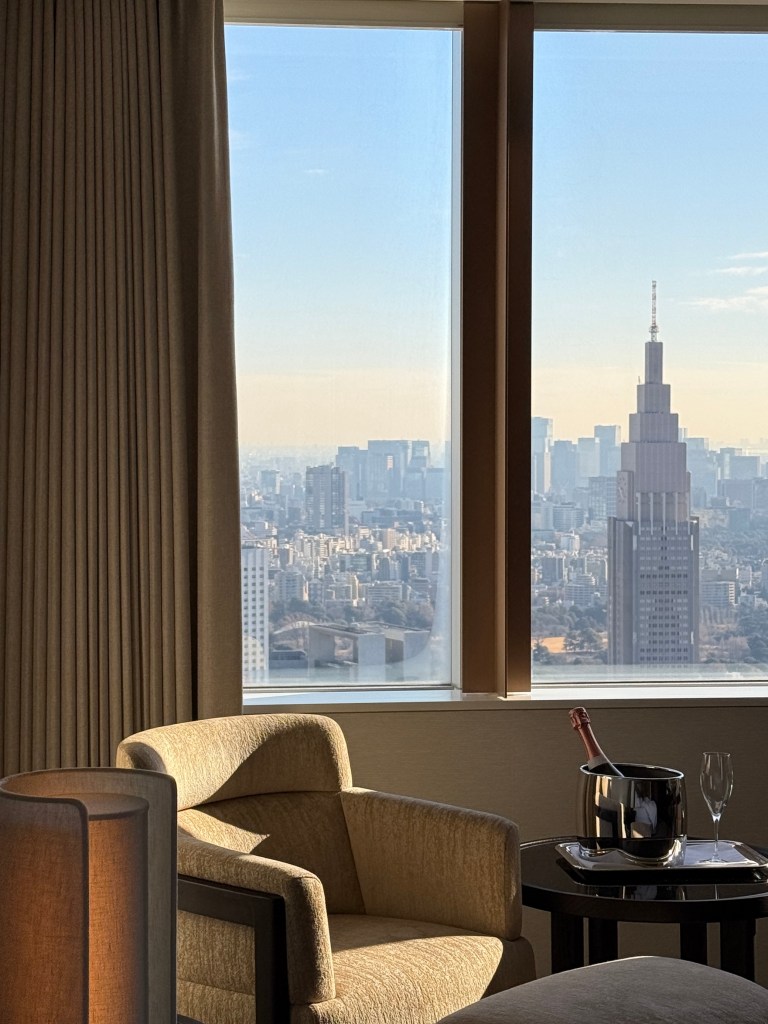
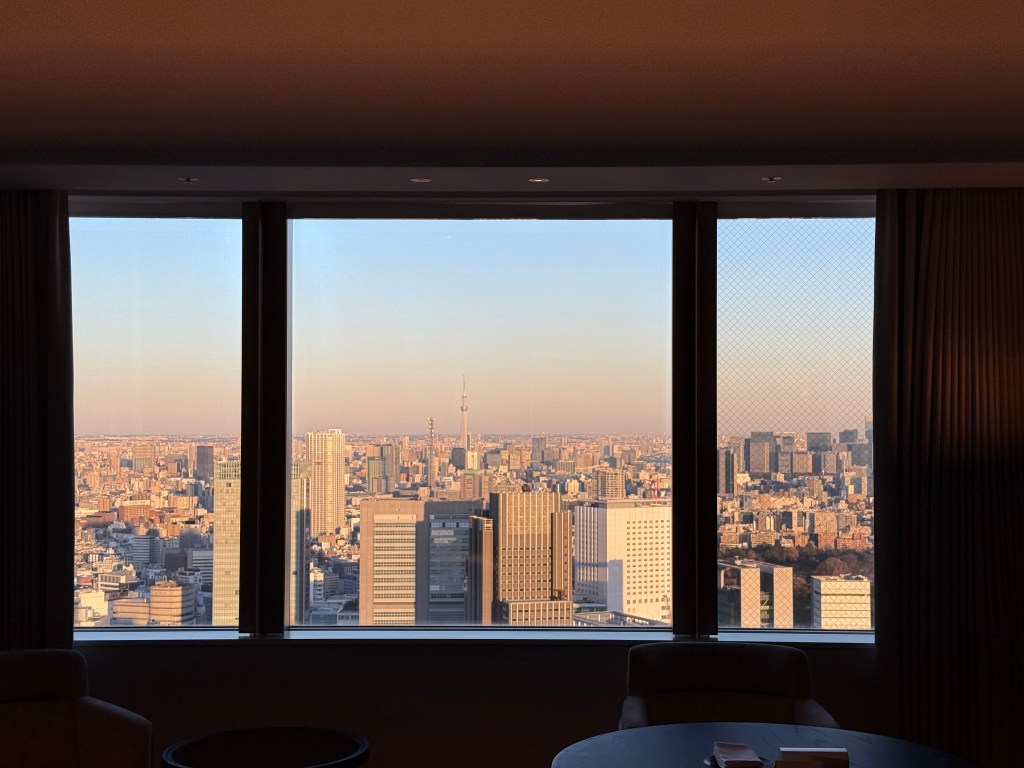
Back in Tokyo, I made my way up to the 52nd-floor New York Bar at the newly reopened Park Hyatt Tokyo, an iconic setting made famous by the movie Lost in Translation. In winter, when skies are clearer and pollution levels tend to be lower, distant sights — like Mt. Fuji — are more likely to be visible. Sure enough, as the sun set with a drink in hand, I watched the mountain’s snow-covered peak form a striking silhouette.
The following day, I popped over to Ginza to browse its many shops in search of a vintage Japanese watch. Between stops, I ducked into Afuri, a ramen restaurant celebrated for its light, citrusy yuzu shio broth topped with charcoal-grilled pork. It was a warming and satisfying respite from the chill outside.
Business Class suites between Tokyo and Seattle
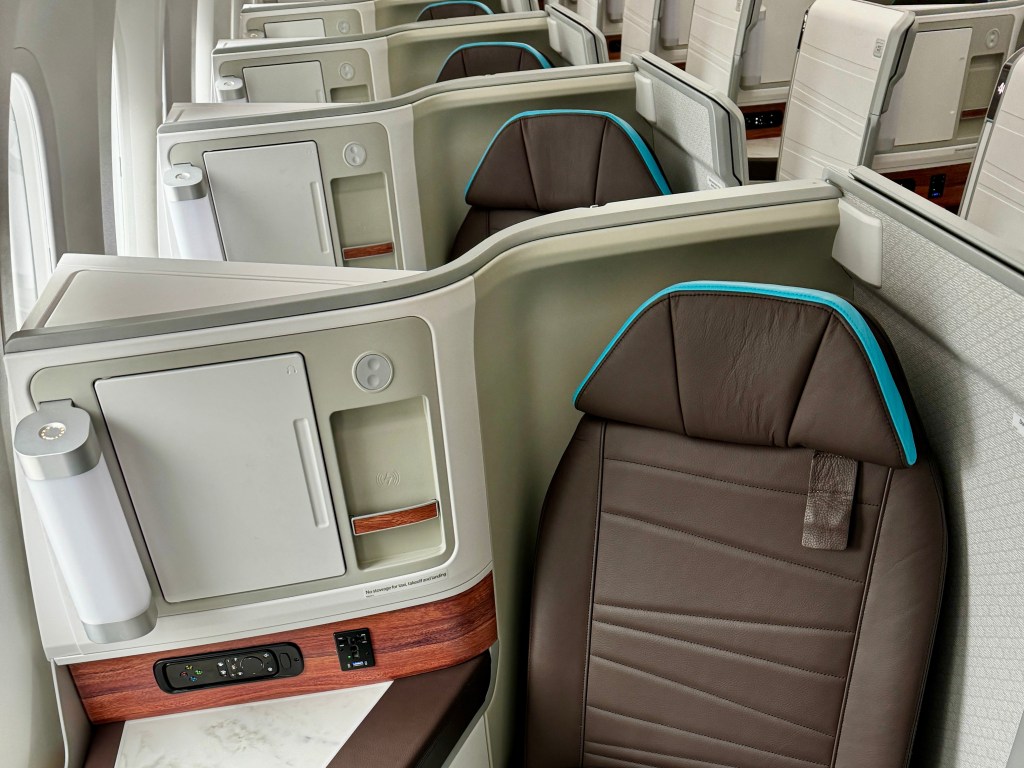
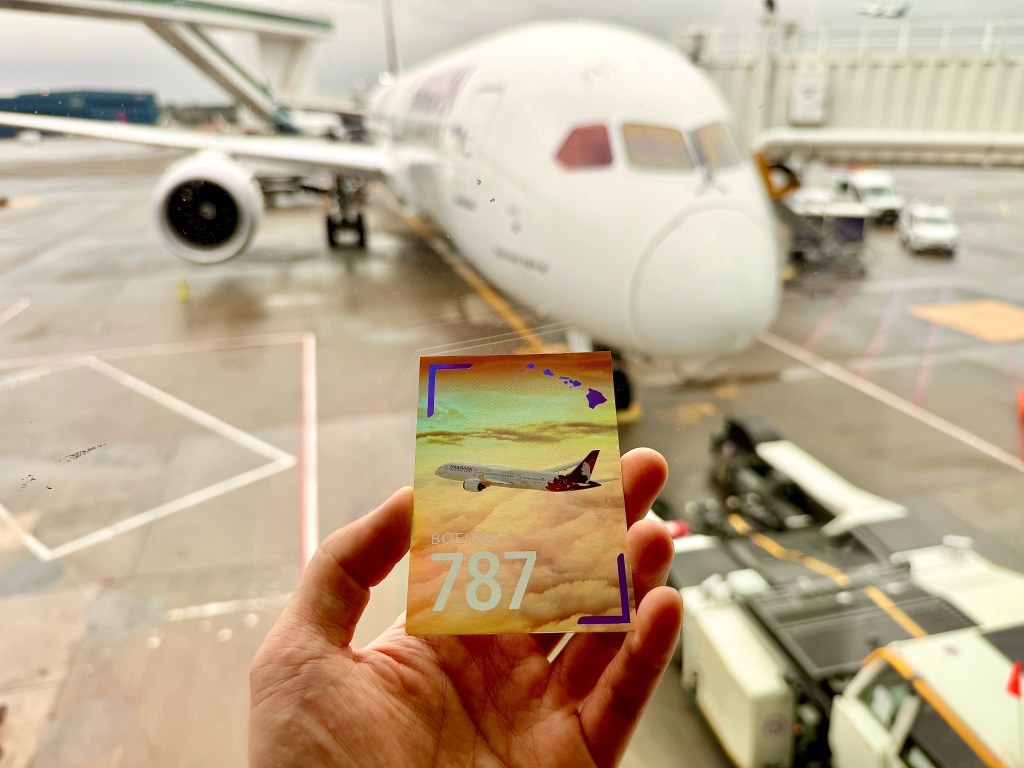
That sense of calm in Japan is carried through once it was time to fly home. Traveling between Tokyo and Seattle in Business Class on Alaska and Hawaiian’s Boeing 787 feels built for long‑haul comfort, with spacious private suites and lie‑flat beds.
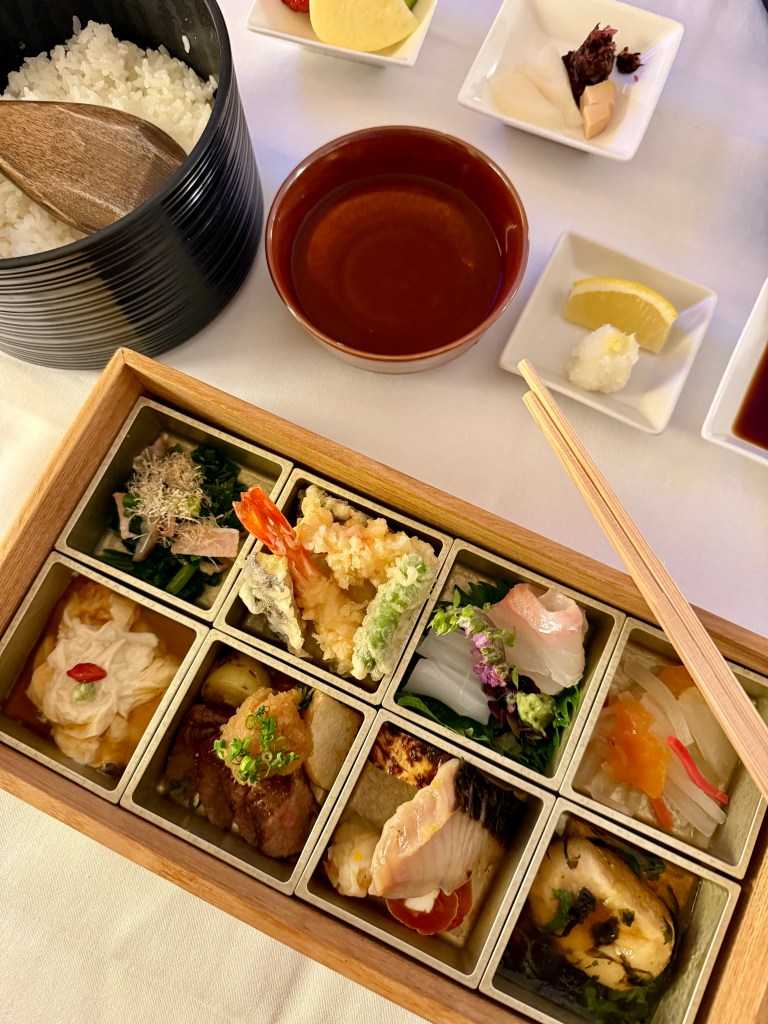
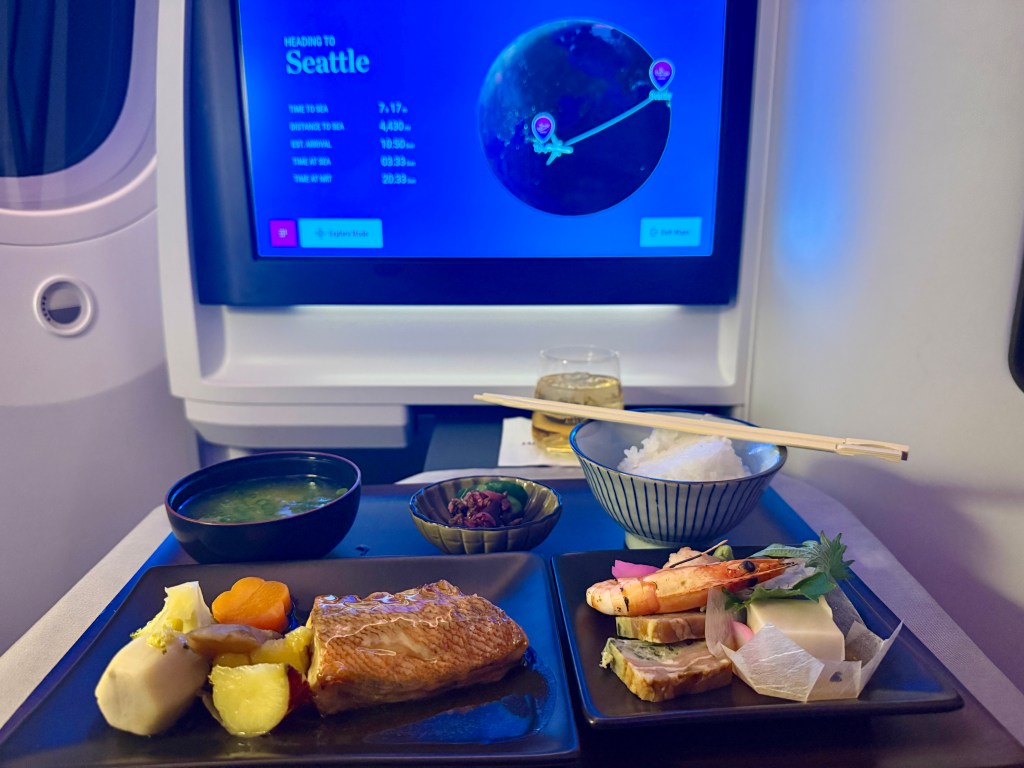
One of the highlights of flying Business is the quality of the onboard dining. Passengers can preorder meals online in advance, choosing between Japanese, Hawaiian or Western options. Shortly after takeoff, I was served my Japanese selection, beginning with bite-sized appetizers — crab jelly, usui tofu, roasted duck breast, steamed anago surimi and a sweet potato ball — followed by umami chicken with seasonal vegetables, steamed rice, pickled vegetables and miso soup. It was a memorable, well-balanced dinner.
All menus on my flight were crafted by Hawaiian Airlines Executive Chefs Wade Ueoka and Michelle Karr-Ueoka of MW Restaurant in Honolulu. For Tokyo flights, Chef Mark Sekita of Mark’s Tokyo also puts his flair on the meals.
Final thoughts
Winter may not be Japan’s most obvious season, but that’s precisely what makes it special. Thanks to fewer crowds, clearer skies, and a slower pace, travelers can linger, reflect, and travel with intention. My experience felt rejuvenating — from the snow-covered shrines and restorative onsen soaks to wandering around Tokyo at twilight.
Now, with Alaska and Hawaiian’s Seattle-Tokyo nonstop, the winter season is an even smarter time to visit the country.