Alaska Air Cargo expands freighter fleet with addition of two aircraft 

Alaska Air Cargo will convert two Alaska Airlines passenger jets to an all-freight aircraft for cargo service in 2023

Five dedicated 737 freighters to meet cargo demand across the Alaska network 

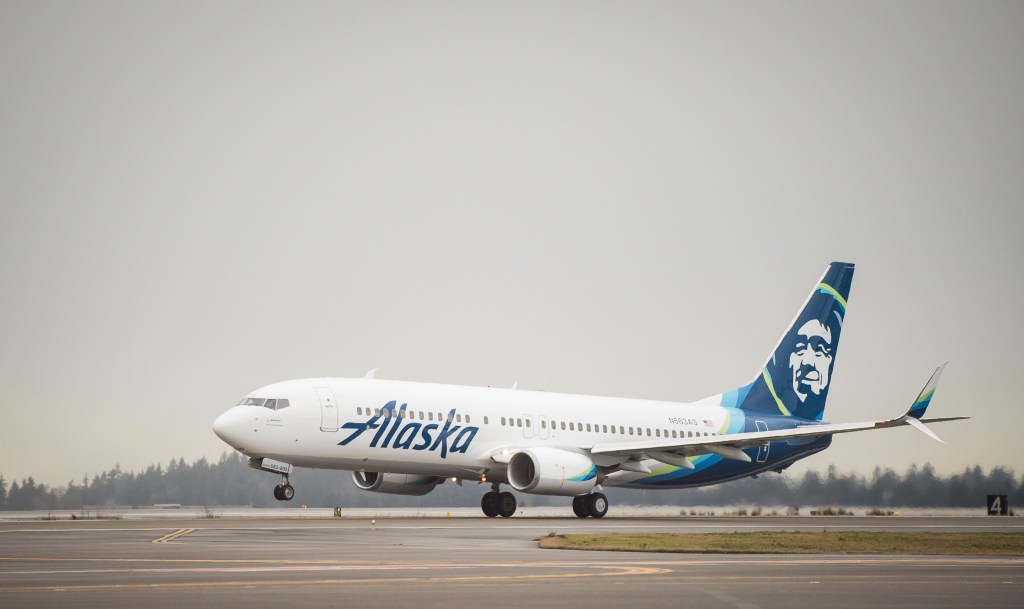
NEW YORK — Alaska Air Cargo announced today it will add two Boeing 737-800 aircraft to its dedicated freighter fleet serving the state of Alaska. These additions increase the freighter fleet from three to five aircraft.  

“Fleet expansion positions our growing cargo business to meet increased demand that we see from industry and consumers,” said Adam Drouhard, managing director for Alaska Air Cargo. “The -800 aircraft provides more load space than our current -700 freighters, essentially doubling Air Cargo’s total freighter lift capacity. We look forward to getting these -800s into service to support Alaska’s supply chain and connect cargo to over 100 cities we serve across North America.” 

The two 737-800 converted aircraft will come from Alaska Airlines existing passenger fleet. The planes will be converted from their passenger configuration to an all-freight aircraft beginning this year. They’re projected to re-enter service as freighters in 2023.  

The -800 aircraft provides a 40% capacity increase per departure over the current -700 aircraft with a payload of nearly 50,000 pounds. With a range of 2,800 nautical miles, the -800 will be the most fuel-efficient aircraft to serve intra-Alaska. 

“Alaskans have always relied on Alaska Air Cargo to provide time-sensitive services to their communities,” said Marilyn Romano, regional vice president, Alaska Airlines. “Whether it is vaccines, medicine, household supplies or fresh food, our freighters keep rural Alaska supplied and connected. With service to 20 communities across Alaska, and only three accessible by road, adding new aircraft to the current freighter fleet allows expansion of our vital services to all Alaskans. The additional freighter capacity also allows us to quickly move seafood and other commodities from Alaska to points throughout the U.S.” 

Alaska Air Cargo transports more than 200 million pounds of cargo annually – including seafood, mail, and freight – and operates the most extensive air cargo operation on the U.S. West Coast of any passenger airline.  

About Alaska Air Cargo 

Alaska Air Cargo serves over 100 destinations in North America with an extensive network and more than 1,200 daily flights. Providing a variety of reliable shipping services, Alaska Air Cargo utilizes a fleet of 737 freighters serving 20 communities in the state of Alaska as well as offering belly cargo service on a fleet of over 300 passenger planes serving the Continental U.S., Canada, Hawaii, Mexico and Costa Rica. 

About Alaska Airlines 

Alaska Airlines and our regional partners serve more than 120 destinations across the United States, Belize, Canada, Costa Rica and Mexico. We emphasize Next-Level Care for our guests, along with providing low fares, award-winning customer service and sustainability efforts. Alaska is a member of the oneworld global alliance. With the alliance and our additional airline partners, guests can travel to more than 1,000 destinations on more than 20 airlines while earning and redeeming miles on flights to locations around the world. Learn more about Alaska at news.alaskaair.com. Alaska Airlines and Horizon Air are subsidiaries of Alaska Air Group (NYSE: ALK). 

Alaska Air Group provides update on long-term growth strategy 

Company to host Investor Day in New York City today; unveils long-term financial framework and provides full-year 2022 outlook

NEW YORK – Alaska Air Group Inc. (NYSE: ALK), the parent company of Alaska Airlines Inc. and Horizon Air Industries Inc., today will host its Investor Day at 11:30 a.m. Eastern time. 

During the event, Alaska Air Group will provide an update on its business performance and growth strategy, including successful pandemic recovery, industry outperformance in guest experience and financial strength, and its path forward for long-term value creation.  

“The people of Alaska and Horizon are the foundation of our company and their kind-hearted spirit is why travelers choose to fly with us time and again,” said Ben Minicucci, Chief Executive Officer of Alaska Air Group. “The care and industry-leading service they provide and the operational excellence they deliver have allowed us to build incredible loyalty and drive results.”  

Yesterday, Aviation Week Network’s Air Transport World (ATW) named Alaska the 2022 ATW Airline of the Year, the top honor awarded among the 48th Annual ATW Airline Industry Achievement Awards, citing the company’s unique strengths and leading performance. 

“We’re honored to be recognized by Air Transport World as the Airline of the Year – a testament to our people and to everything they’ve accomplished through the last few tumultuous years,” added Minicucci. “Throughout our history, Alaska has consistently outperformed the industry, and we’re well positioned to continue that trend, leveraging loyalty, alliances, network growth and our brand to unlock significant value and deliver $400 million of incremental revenue as part of our 2025 strategic plan. Accelerating our transition to single fleets while upgauging for growth is also a key part of that strategy. We care about growth because it enables us to create value for all who depend on us: greater opportunities for our employees, new jobs and increased service to our communities, and returns for our owners.” 

Runway for Profitable Growth 

Members of Alaska’s leadership team will outline the competitive advantages that underpin the company’s industry-leading performance and strategic growth plan: 

1. Adding depth to our expansive network: 

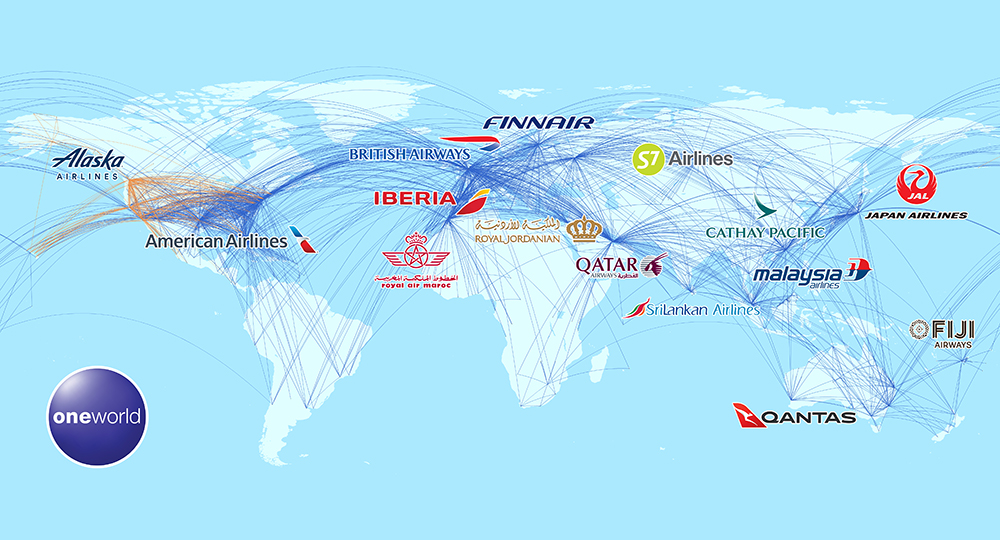
Alaska plans to grow an average of 4-8% per year through 2025, in part by investing in the depth of its network. Alaska’s 1,200 flights per day take our guests to 120 destinations across North and Central America, including nonstop flights to transcontinental business routes and four Hawaiian Islands. Alaska’s network has consistently produced industry-leading margins throughout its history and its measured approach to bringing capacity back post-pandemic enabled a return to profitability ahead of the industry. Together with the airline’s global partners in the oneworld® Alliance, guests can reach over 1,000 destinations while earning and redeeming miles on flights to locations around the world.  

2. Operating a single, more efficient fleet:

Today, the company will share plans to accelerate the transition of its fleet of 300+ aircraft to all-Boeing 737 for its mainline operations and all-Embraer E175 jets for regional, by the end of 2023.  Consistent with Alaska’s low-cost high productivity mindset, these transitions are expected to drive significant economic benefits. As the fleet grows to 400 aircraft by mid-decade, these will manifest through operational simplicity, flexibility and scalability, better fuel efficiency and reduced maintenance costs. The company is also growing cargo business operations by converting two passenger 737-800s to freighters, bringing the total freighter fleet to five. 

3. Delivering best-in-class care:

Care is the foundation of Alaska’s culture, fueled by its people and reflected in everything they do. It has earned the airline high guest satisfaction and long-term loyalty. The company will continue to invest in developing its people through its Pathways program, which cultivates talent from regional to mainline operations. In addition, it is  developing the next generation of pilots and training existing employees for new jobs through its Ascend Pilot Academy. The company is also committed to making measurable progress on initiatives to advance diversity, equity and inclusion.  

With care central to everything Alaska Airlines does, the company will continue to invest in end-to-end guest experiences that deliver on its brand promise. Today, the company announced infrastructure improvements for four of its main hubs –  Seattle, Portland, San Francisco and Los Angeles.ents total $2.3 billion in infrastructure upgrades that will provide a more seamless and enjoyable travel experience for guests and provide access to more gates and state-of-the-art lounges and lobbies.   

4. Growing Alaska’s award-winning loyalty program with a renewed co-branded partnership:

Alaska and Bank of America today announced an extension of their co-branded credit card agreement through 2030. This agreement will enhance benefits for guests and drive improved profitability for the airline. Alaska’s Mileage PlanTM is the industry’s most generous loyalty rewards program, with miles earned based on flight distance rather than dollars spent and ability to earn and redeem to over 1,000 global destinations as part of the oneworld Alliance.

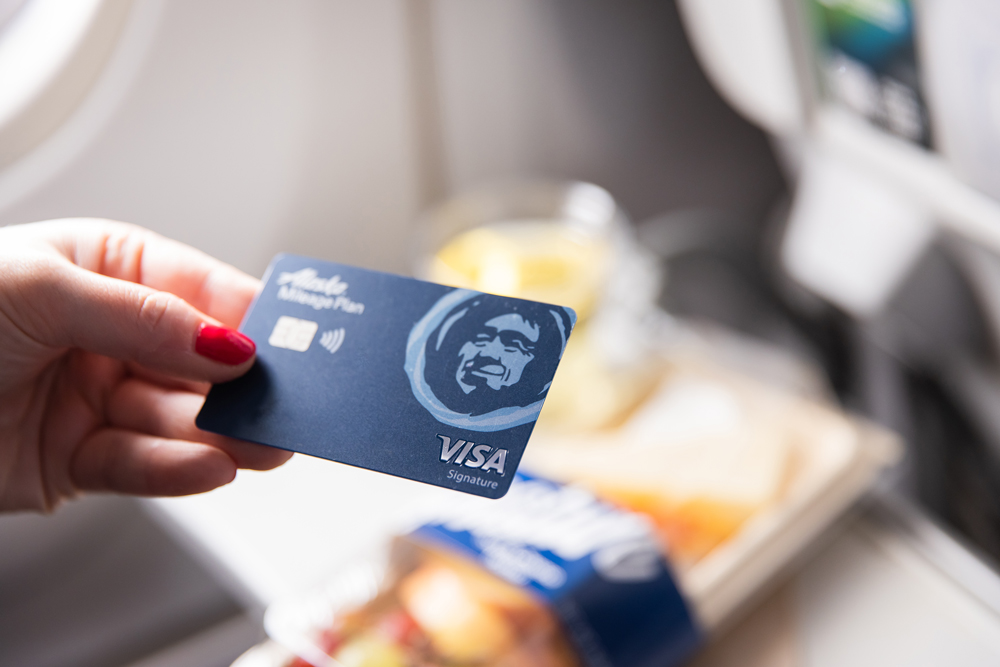
Alaska’s co-branded credit card with Bank of America currently offers cardholders Alaska’s Famous Companion FareTM, free checked bag, the opportunity to earn 3x the miles on eligible Alaska purchases, 50 percent discount on day passes for Alaska Lounge access, 20 percent back on all inflight purchases and many other travel benefits.

5. Preserving a resilient business model for long-term value creation:

Alaska’s legacy of industry outperformance is guided by strong principles for management and performance. Today, the company published the guidelines that drive its financial sustainability and performance, providing additional transparency around its financial management principles and capital allocation approach. Key components include: 

  • Generating returns on capital that consistently exceed the industry and the company’s cost of capital 
  • Managing the business and allocating capital with a long-term perspective and a consistent set of priorities  
  • Placing a high value on producing free cash flow consistently and sustainably  

6. Sustainable on all fronts:

Alaska’s commitment to long-term value includes prioritized ESG commitments to increase diversity at all levels, to reduce the company’s impact on the climate, and to provide transparent accountability on key environmental, social and governance parameters. Last year, the airline set ambitious, but attainable sustainability goals, including being the most fuel-efficient U.S. airline and reaching net-zero carbon emissions by 2040. Further embedding these commitments into its culture, Alaska has linked a portion of its annual performance-based pay plan for all employees to the carbon intensity of the operation, and a portion of executives’ compensation to achieving stronger BIPOC representation in leadership.  

Full Year 2022 Outlook  

“Alaska’s team is committed to outperforming the industry, even while navigating a choppy pandemic recovery and near-term economic volatility,” said Shane Tackett, executive vice president finance and Chief Financial Officer of Alaska Air Group. “As people return to travel, they are choosing Alaska. And thanks to the caring spirit of our people, when guests try us, they tend to come back. We are excited for the path ahead and confident in our ability to continue creating value for our employees, guests, communities and shareholders.” 

As detailed in the company’s fourth quarter 2021 and full-year results, Alaska’s 2022 outlook includes the following metrics:  

Key Metric Range* 
Capacity 2%-6% 
CASM ex-Fuel (Excluding fleet transition costs and lease return expense) 1%-3% 
Capital Expenditures $1.6 billion to $1.7 billion 

*Range increases are compared to 2019 levels 

Webcast Information 

Alaska’s Investor Day presentation will be available via webcast at https://investor.alaskaair.com from 11:30 a.m. Eastern time, concluding at approximately 2:30 p.m. Eastern time. The webcast and presentation materials can be accessed through Alaska’s investor relations website. A replay of the webcast will be available following the event. 

About Alaska Air Group 

Alaska Airlines and our regional partners serve more than 120 destinations across the United States, Belize, Canada, Costa Rica and Mexico. We emphasize Next-Level Care for our guests, along with providing low fares, award-winning customer service and sustainability efforts. Alaska is a member of the oneworld global alliance. With the alliance and our additional airline partners, guests can travel to more than 1,000 destinations on more than 20 airlines while earning and redeeming miles on flights to locations around the world. Learn more about Alaska at news.alaskaair.com. Alaska Airlines and Horizon Air are subsidiaries of Alaska Air Group (NYSE: ALK). 

Forward Looking Statements 

This presentation may contain forward-looking statements subject to the safe harbor protection provided by Section 27A of the Securities Act of 1933, Section 21E of the Securities Exchange Act of 1934, and the Private Securities Litigation Reform Act of 1995. These statements relate to future events and involve known and unknown risks and uncertainties that may cause actual outcomes to be materially different from those indicated by our forward-looking statements, assumptions or beliefs. For a comprehensive discussion of potential risk factors, see Item 1A of the Company’s Annual Report on Form 10-K for the year ended December 31, 2021. Some of these risks include competition, labor costs, relations and availability, general economic conditions including those associated with pandemic recovery, increases in operating costs including fuel, inability to meet cost reduction, ESG and other strategic goals, seasonal fluctuations in demand and financial results, supply chain risks, events that negatively impact aviation safety and security, and changes in laws and regulations that impact our business. All of the forward-looking statements are qualified in their entirety by reference to the risk factors discussed in our most recent Form 10-K and in our subsequent SEC filings. We operate in a continually changing business environment, and new risk factors emerge from time to time. Management cannot predict such new risk factors, nor can it assess the impact, if any, of such new risk factors on our business or events described in any forward-looking statements. We expressly disclaim any obligation to publicly update or revise any forward-looking statements made today to conform them to actual results. Over time, our actual results, performance or achievements may differ from the anticipated results, performance or achievements that are expressed or implied by our forward-looking statements, assumptions or beliefs and such differences might be significant and materially adverse. 

We’re investing billions in major improvements at our key airports to ensure you’ll have a great trip 

At Alaska Airlines, we know it’s important to invest in our people (amazing employees) and products (new aircraft and onboard amenities), but also in the places we serve (airports). It all adds up to a great guest experience. 

Approximately $2.3 billion in infrastructure upgrades are underway that guests will enjoy when traveling through our key hub airports along the West Coast. You might notice some of the renovations on your next trip as we continue to grow and fly to more places. Here’s a look at the work that’s happening now, or projects set to start soon: 

SEA  

The front door of where we welcome our guests at our hometown airport is set to get a major facelift.  

We’ll begin the first phase of a major terminal project at Seattle-Tacoma International Airport this summer that will modernize and increase capacity in our ticketing area and at the security checkpoint to support our future growth. Once the project is complete, guests will enjoy a more open, light-filled space with fewer lines where it’s easier to move around. 

Alaska Airlines is set to begin a major terminal project at SEA to modernize and expand our ticketing area in the front of the airport.

“We’re excited to transform the conventional lobby into a modern, airy and easy-to-navigate space for our guests and employees,” said Shane Jones, vice president of real estate and airport development for Alaska Airlines. “This three-year project is the largest airport renovation in our history. It aims to support our innovation, sustainability and long-term growth plans at our hometown hub.” 

As part of a new partnership with the Port of Seattle – which owns and operates SEA – Alaska is managing the overall $400 million project with the first, $149 million phase set to begin this spring; the total costs will be paid for by both Alaska and the Port. That’s in addition to the recently completed $700 million expansion and modernization of what was called the North Satellite (now the N Concourse) that serves mostly Alaska flights.   

Also at SEA, we’re investing nearly $7 million for upgrades of our Lounges over the next two years. First up: a remodel and expansion of our C Concourse Lounge that’s scheduled to begin this spring. After that expanded Lounge opens, we’re planning a total overhaul of our D Concourse Lounge – its first renovation in nearly 20 years.  

On the horizon, more big lounge news: As part of the Port of Seattle’s C Concourse Expansion Project, we’ll open an all-new Alaska Lounge in 2026. It will eventually become the primary Lounge for our guests departing from C and D Concourses. 

SFO  

At our key hub at San Francisco International Airport, we’re preparing for a big move as we continue growing in the Bay Area. 

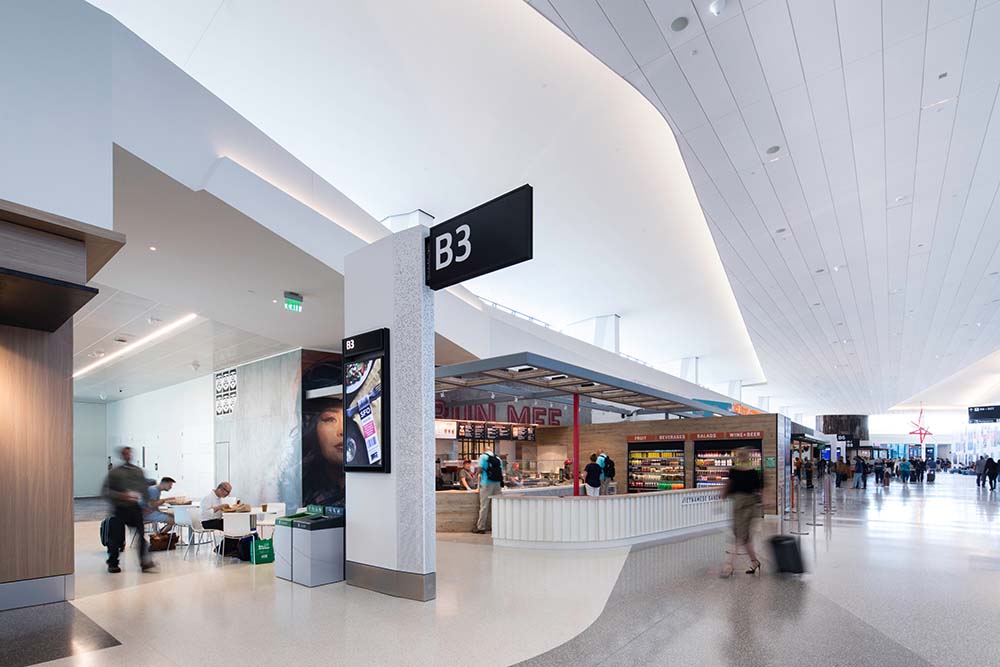
In 2024, we’re scheduled to relocate our entire operation at SFO – including our check-in ticket counter, gates and baggage services – from Terminal 2 to Harvey Milk Terminal 1. This will allow us to be near flights for American Airlines and our other oneworld member airlines, which is convenient for guests who have connecting flights, including to international destinations. Plus, the new gates will give us shorter taxi times and faster access to the runways – saving time and burning less fuel. 

Alaska Airlines is scheduled to move all our operations at SFO, including arrival and departures gates, to the new Harvey Milk Terminal 1 in 2024.

“Harvey Milk Terminal 1 is, hands down, probably the coolest airport terminal in the nation,” said Tim Horn, director of station operations at SFO for Alaska Airlines. “Our guests and employees will love traveling through the open, modern space and especially enjoy all the eatery options that include popular Pacific Rim restaurants.” 

There’s another huge benefit for us. Harvey Milk Terminal 1 is the newest terminal at SFO and uses 60% less energy than comparable facilities. Sustainability is close to our heart, so this is a perfect new home for Alaska: It’s the first airport terminal in the world to earn Leadership in Energy and Environmental Design (LEED) v4 Platinum certification for the design, construction and operation of high-performance structures.  

Overall, Harvey Milk Terminal 1 is a $2.4 billion project with Alaska supporting a portion of that investment. 

Our plans for the move in two years will also include a Lounge space at Harvey Milk Terminal 1. Alaska recently opened a new lounge in SFO in Terminal 2 in August 2021. 

PDX  

If you’ve flown to, from or through Portland International Airport lately, you might have noticed our new digs at the beautifully remodeled Concourse B, where most of the flights are regional ones operated by our sister carrier Horizon Air.  

The new space – part of a replacement project that cost $115 million – is bigger, brighter and bolder with Pacific Northwest flair. The area is easier to get around, and massive floor-to-ceiling windows allows more sunlight to stream in and better views to see what’s going on outside. Upgraded technology has been added throughout the concourse including hundreds of power outlets and faster Wi-Fi. 

A concept rendering of the new makeover of the Alaska Lounge in Portland this year.

Also underway in the coming years at PDX: The completion of a $1.6 billion fully remodeled and expanded main terminal that’s currently in construction by the Port of Portland. It’ll be spacious with a big nod to Pacific Northwest green sustainability. Our guests will enjoy an expanded lobby with a faster, more streamlined check-in process, and additional dining and retail options. Expanded security checkpoints will make it easier to get to your gate.  

We’re also investing nearly $1.5 million for Lounge upgrades in Portland for 2022. We’ll enlarge our current space by 1,000 square feet with the addition of an enclosed patio area. Work begins in the spring and it’s scheduled to be completed this summer. We’re also adding a temporary ‘express lounge’ this summer at Concourse B. Then we go really big: A brand-new, 14,000 square foot Lounge will replace our current facility in 2025-2026. 

LAX 

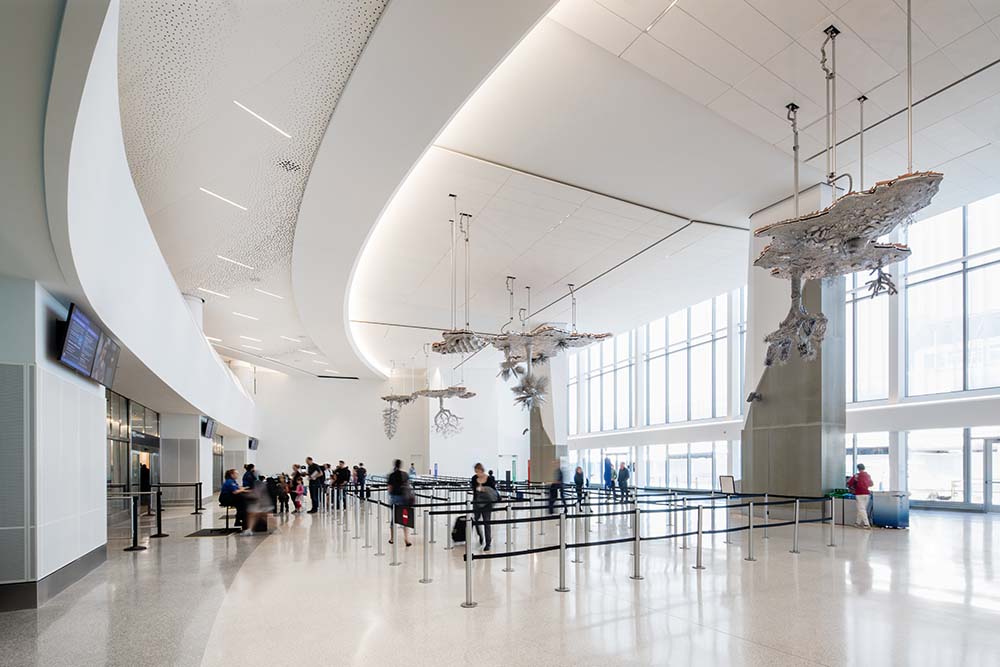
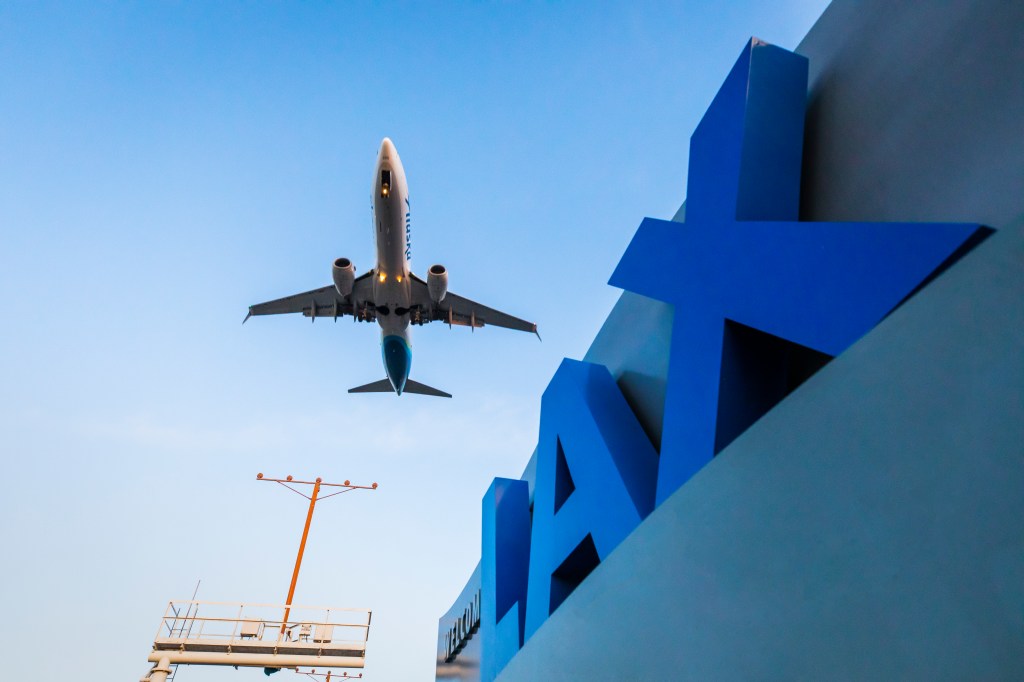
At Los Angeles International Airport, improvements totaling $230 million are well underway at Terminal 6 where Alaska is the primary airline. The project is modernizing the guest experience with a complete overhaul of the gate areas, including new carpet, lighting, seating with power outlets and signage.   

“The guest experience is at the heart of everything we do, and the focus of this project is to improve every step of the journey,” said Jones. “From modern expanded gate areas with powered seating, to improving our operational performance with key infrastructure upgrades, including two new gates, this investment is all about the Alaska guest.” 

The work at LAX will continue in phases through 2023 with the addition of 20% more gates and more than 15,000 square feet of space. 

Alaska Air Group and Bank of America Renew Long-Term Partnership Agreement

Continues Longstanding Relationship Through 2030  

Expanded Partnership will Further Drive Credit Card Acquisition and Loyalty;  
Strengthened Benefits to be Introduced in the Second Half of 2022 

New York — Alaska Air Group Inc. (NYSE: ALK) and Bank of America (NYSE: BAC) today announced an extension of their co-branded credit card agreement through 2030. The renewed agreement strengthens a powerful industry partnership that has endured over decades, meaningfully expands guest benefits, and further accelerates both companies’ strategic growth plans in key West Coast geographies.  

“Our partnership with Bank of America has been key to strengthening Alaska’s brand recognition and building unparalleled customer loyalty. This extension of our relationship with Bank of America will continue to provide our guests meaningful ways to enhance their travel experience with us,” said Ben Minicucci, Chief Executive Officer of Alaska. “Over time, we will continue to invest in value-added benefits for our cardholders, while consistently providing them with remarkable service in line with our culture of care.” 

“We are excited to announce this multi-year extension of our partnership with Alaska Airlines,” said Dean Athanasia, President of Regional Banking for Bank of America. “This relationship continues to unlock growth opportunities for both Alaska and Bank of America, while driving greater loyalty and engagement with Alaska’s customers.”  

Alaska Airlines’ co-branded credit card with Bank of America currently offers cardholders the airline industry’s most generous loyalty rewards program, including Alaska’s Famous Companion FareTM, free checked bag, the opportunity to earn 3x the miles on eligible Alaska purchases, oneworld® Alliance mile redemptions, 50 percent discount on day passes for Alaska Lounge access, 20 percent back on all inflight purchases and many other travel benefits.   

In the second half of 2022, Alaska and Bank of America intend to announce additional benefits to further elevate its loyalty program for cardholders, while driving long-term value for both companies.  

About Alaska Air Group 

Alaska Airlines and our regional partners serve more than 120 destinations across the United States, Belize, Canada, Costa Rica and Mexico. We emphasize Next-Level Care for our guests, along with providing low fares, award-winning customer service and sustainability efforts. Alaska is a member of the oneworld global alliance. With the alliance and our additional airline partners, guests can travel to more than 1,000 destinations on more than 20 airlines while earning and redeeming miles on flights to locations around the world. Learn more about Alaska at news.alaskair.com. Alaska Airlines and Horizon Air are subsidiaries of Alaska Air Group (NYSE: ALK). 

About Bank of America 

Bank of America is one of the world’s leading financial institutions, serving individual consumers, small and middle-market businesses and large corporations with a full range of banking, investing, asset management and other financial and risk management products and services. The company provides unmatched convenience in the United States, serving approximately 67 million consumer and small business clients with approximately 4,200 retail financial centers, approximately 16,000 ATMs, and award-winning digital banking with more than 54 million verified digital users. Bank of America is a global leader in wealth management, corporate and investment banking and trading across a broad range of asset classes, serving corporations, governments, institutions and individuals around the world. Bank of America offers industry-leading support to approximately 3 million small business households through a suite of innovative, easy-to-use online products and services. The company serves clients through operations across the United States, its territories and approximately 35 countries. Bank of America Corporation stock (NYSE: BAC) is listed on the New York Stock Exchange. 

Alaska Air Cargo expands freighter fleet with addition of two aircraft 

Alaska Air Cargo will convert two Alaska Airlines passenger jets to an all-freight aircraft for cargo service in 2023

Five dedicated 737 freighters to meet cargo demand across the Alaska network 

NEW YORK — Alaska Air Cargo announced today it will add two Boeing 737-800 aircraft to its dedicated freighter fleet serving the state of Alaska. These additions increase the freighter fleet from three to five aircraft.  

“Fleet expansion positions our growing cargo business to meet increased demand that we see from industry and consumers,” said Adam Drouhard, managing director for Alaska Air Cargo. “The -800 aircraft provides more load space than our current -700 freighters, essentially doubling Air Cargo’s total freighter lift capacity. We look forward to getting these -800s into service to support Alaska’s supply chain and connect cargo to over 100 cities we serve across North America.” 

The two 737-800 converted aircraft will come from Alaska Airlines existing passenger fleet. The planes will be converted from their passenger configuration to an all-freight aircraft beginning this year. They’re projected to re-enter service as freighters in 2023.  

The -800 aircraft provides a 40% capacity increase per departure over the current -700 aircraft with a payload of nearly 50,000 pounds. With a range of 2,800 nautical miles, the -800 will be the most fuel-efficient aircraft to serve intra-Alaska. 

“Alaskans have always relied on Alaska Air Cargo to provide time-sensitive services to their communities,” said Marilyn Romano, regional vice president, Alaska Airlines. “Whether it is vaccines, medicine, household supplies or fresh food, our freighters keep rural Alaska supplied and connected. With service to 20 communities across Alaska, and only three accessible by road, adding new aircraft to the current freighter fleet allows expansion of our vital services to all Alaskans. The additional freighter capacity also allows us to quickly move seafood and other commodities from Alaska to points throughout the U.S.” 

Alaska Air Cargo transports more than 200 million pounds of cargo annually – including seafood, mail, and freight – and operates the most extensive air cargo operation on the U.S. West Coast of any passenger airline.  

About Alaska Air Cargo 

Alaska Air Cargo serves over 100 destinations in North America with an extensive network and more than 1,200 daily flights. Providing a variety of reliable shipping services, Alaska Air Cargo utilizes a fleet of 737 freighters serving 20 communities in the state of Alaska as well as offering belly cargo service on a fleet of over 300 passenger planes serving the Continental U.S., Canada, Hawaii, Mexico and Costa Rica. 

About Alaska Airlines 

Alaska Airlines and our regional partners serve more than 120 destinations across the United States, Belize, Canada, Costa Rica and Mexico. We emphasize Next-Level Care for our guests, along with providing low fares, award-winning customer service and sustainability efforts. Alaska is a member of the oneworld global alliance. With the alliance and our additional airline partners, guests can travel to more than 1,000 destinations on more than 20 airlines while earning and redeeming miles on flights to locations around the world. Learn more about Alaska at news.alaskaair.com. Alaska Airlines and Horizon Air are subsidiaries of Alaska Air Group (NYSE: ALK). 

Alaska Airlines is starting up a tech incubator in Silicon Valley to enhance the travel experience

Tech-driven enhancements are coming fast and furiously to airports across the country, including San Jose where Alaska Airlines is testing out new technology to advance the way people travel. 

Our innovation team plans to modernize travel at every major city we fly, from reimagining the lobby to testing innovative technology that streamlines the airport experience to boarding your flight with biometrics.   

“As we grow our airline and fly more people to more places, we are looking for unique ways to create a seamless travel experience for our guests. We’re using tech to also empower and equip our employees with the latest tools to offer the most caring service for our guests,” said Charu Jain, SVP of merchandising & innovation. “California is the epicenter of tech and the perfect place to test out these innovations.” 

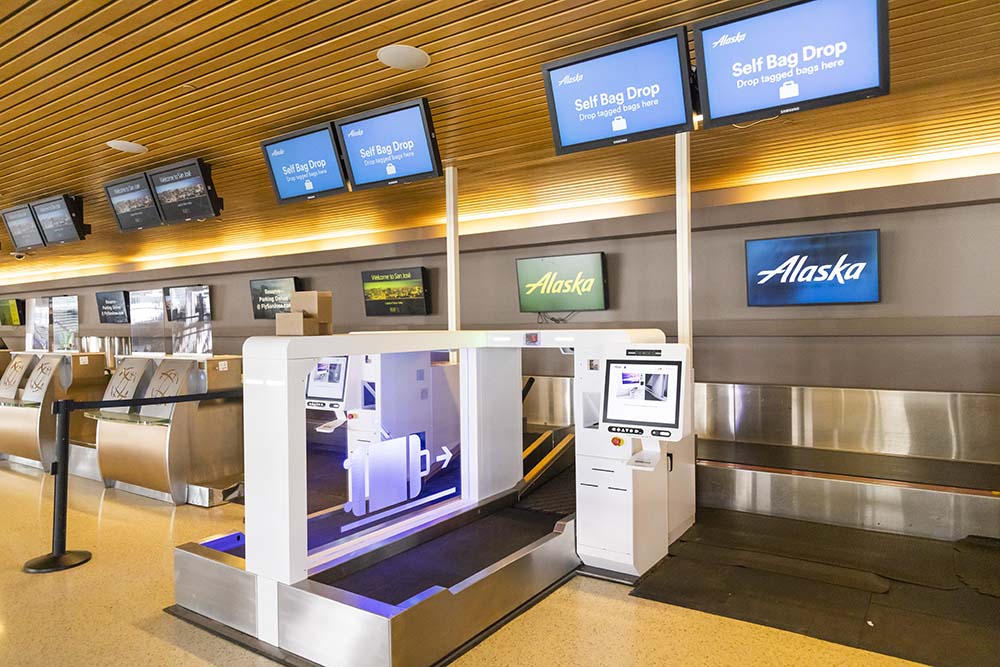
Faster check-in and self-bag drop. 

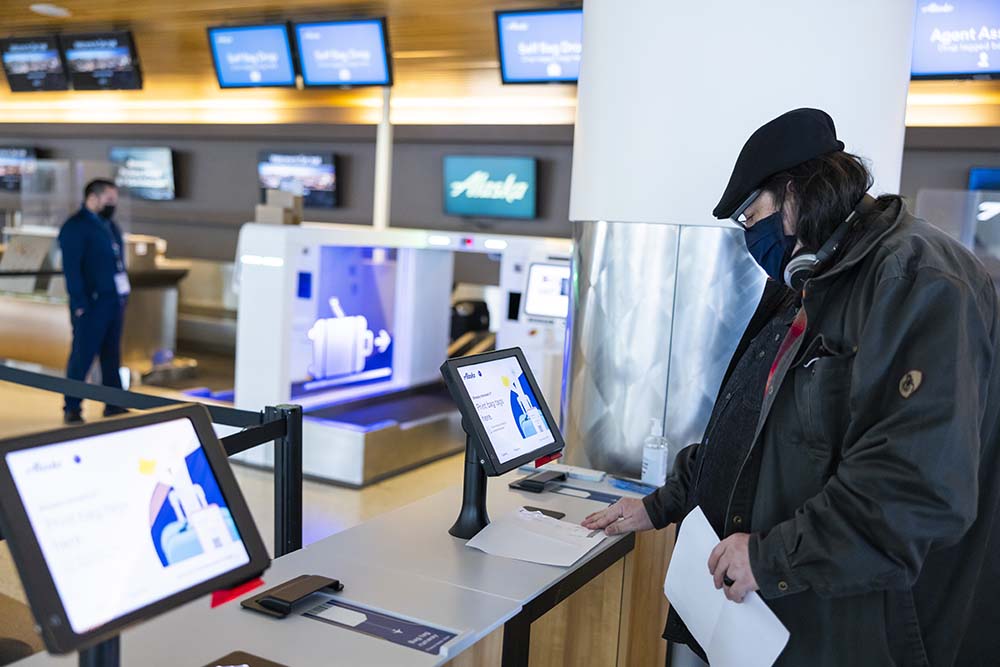
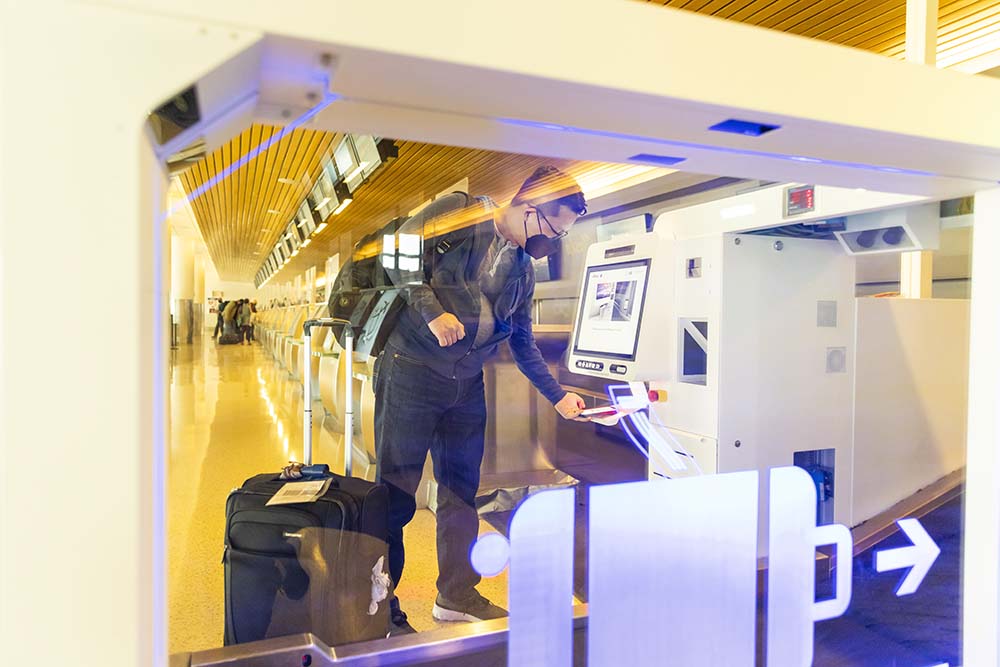
In San Jose, we’re testing out a new check-in and self-bag drop system that will streamline the check-in process, reduce confusion and decrease the time needed to drop off your bag(s).

On average, people spend about 8.5 minutes in the lobby. Our new enhancements will cut that time in half and give our guests more opportunities to bypass congested areas of the lobby. 

“We’re thrilled to give our guests more choices that will enrich their travel experience. And our bag drop system powered by iPad is just the beginning,” said Jain. 

If you’re looking for the quickest way to get from the lobby to your gate, we recommend checking in for your flight on our mobile app or online before arriving to the airport. While on the app or website, you can check-in, pay for any checked luggage and pre-order your favorite meal for your flight.  

Alaska Airlines’ use of emerging technology to enhance and streamline the passenger experience at San José Mineta International will provide more seamless transit of flyers coming to SJC—and create a more welcoming gateway to San José,” said San Jose Mayor Sam Liccardo. 

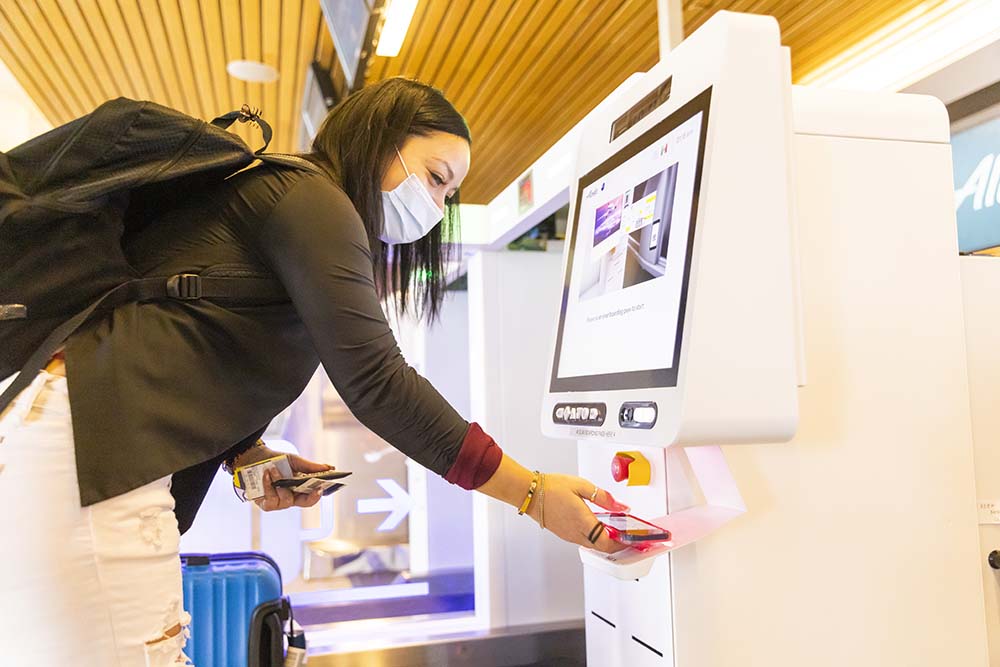
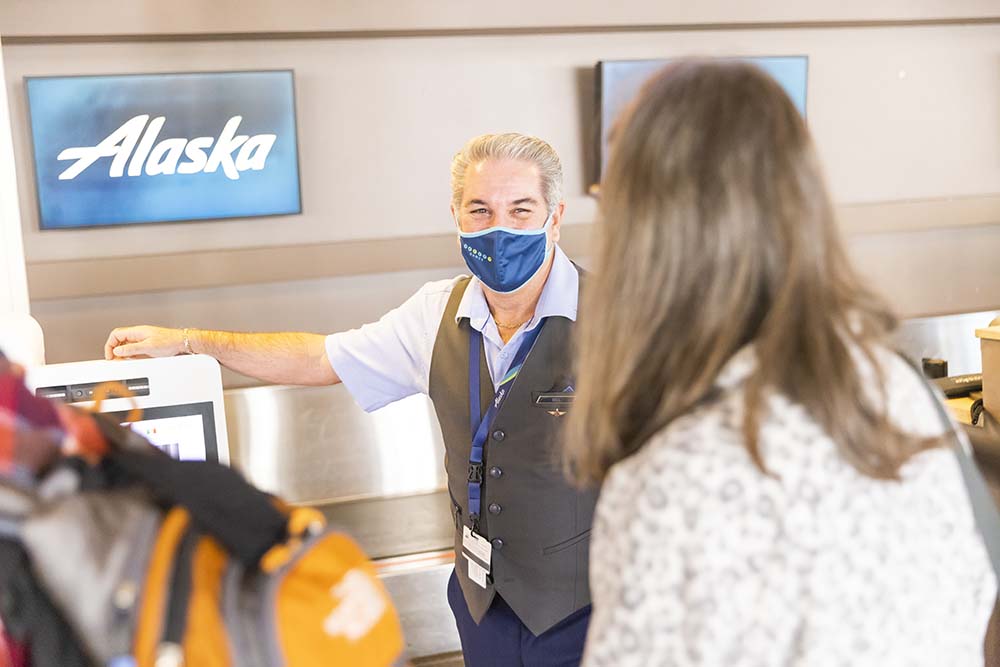
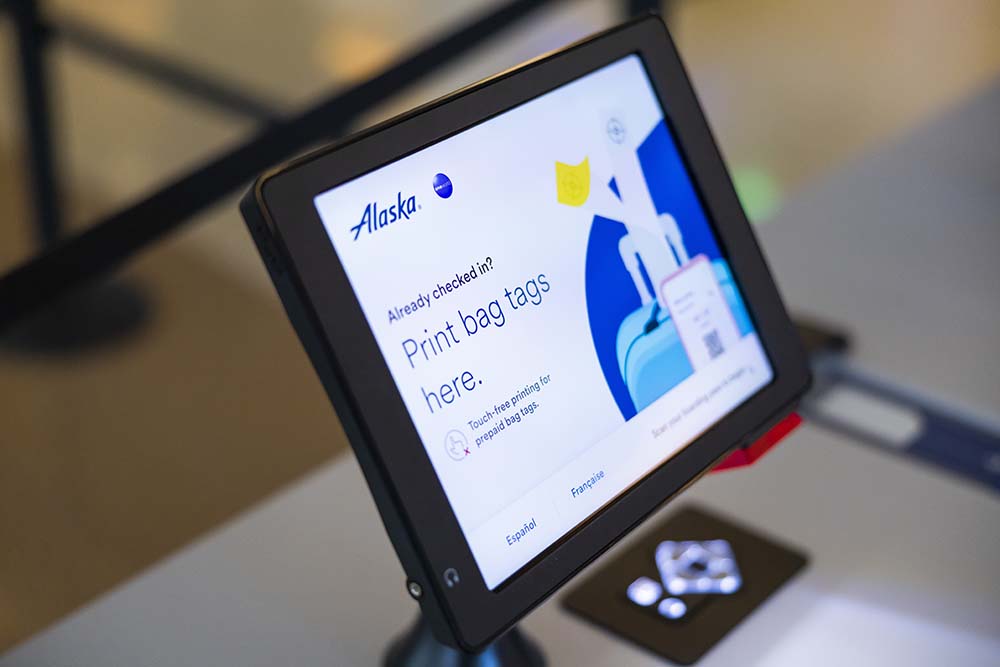
With technology, we’re giving our guests more ways to have a seamless experience anywhere in our lobby. At SJC, you’ll spot our tabletops equipped with Apple iPad Pro that you can use to quickly scan your boarding pass, print your bag tag(s), and self-tag your bag(s). Our customer service agents are also equipped with iPad Mini to be able to immediately take care of guests at any Alaska touchpoint.

Alaska was the first airline to implement self-serve airport kiosks in 2007—and we hope to be the first to remove them,” said Jain. “Simply because we’re our best when we can meet guests where they’re at and be able to take care of them the second they enter our space.” 

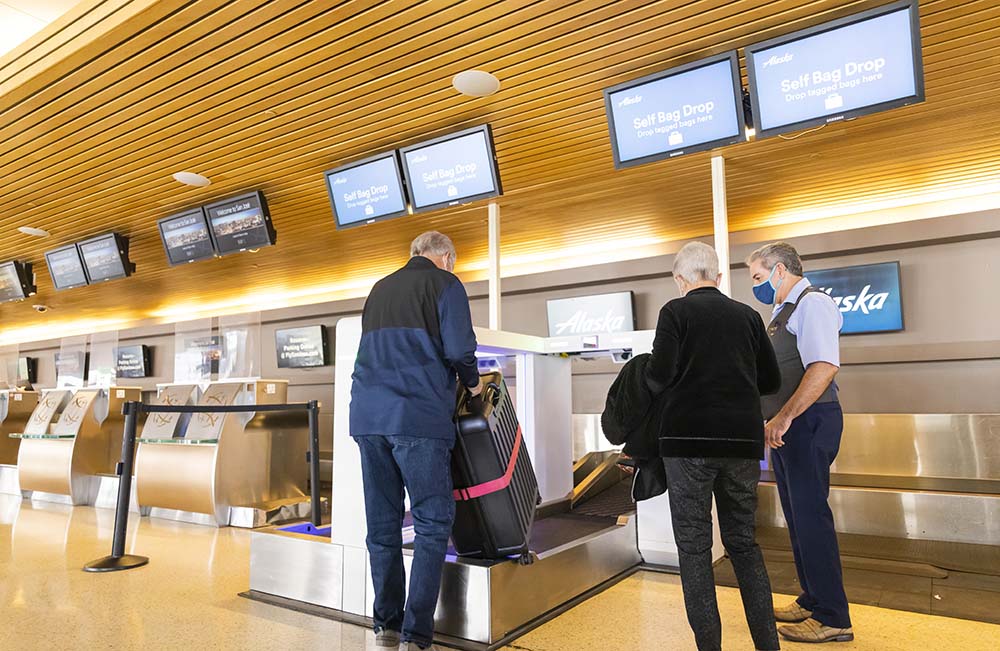
From there, if you’ve checked a bag, you can take your tagged bag and head to our self-bag drop to give us your luggage—no more waiting in line!  

How to use our new iPad bag drop system:  

  1. Check-in for your flight on our mobile app or online.  
  1. Arrive at SJC, look for our iPad stations.  
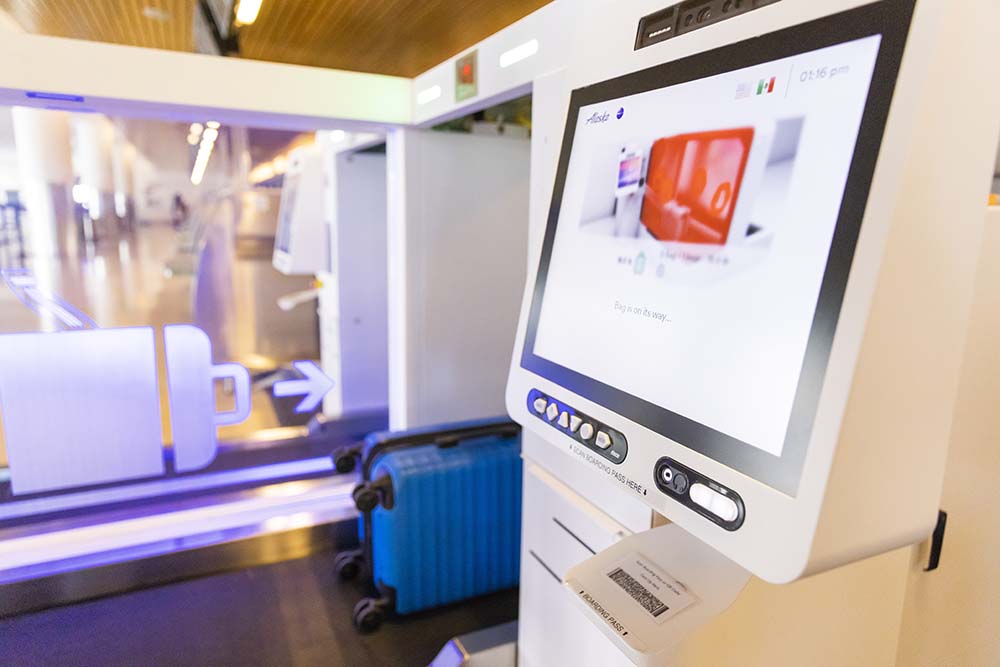
  1. Scan your boarding pass received upon check-in. iPad can scan digital or paper boarding passes.  
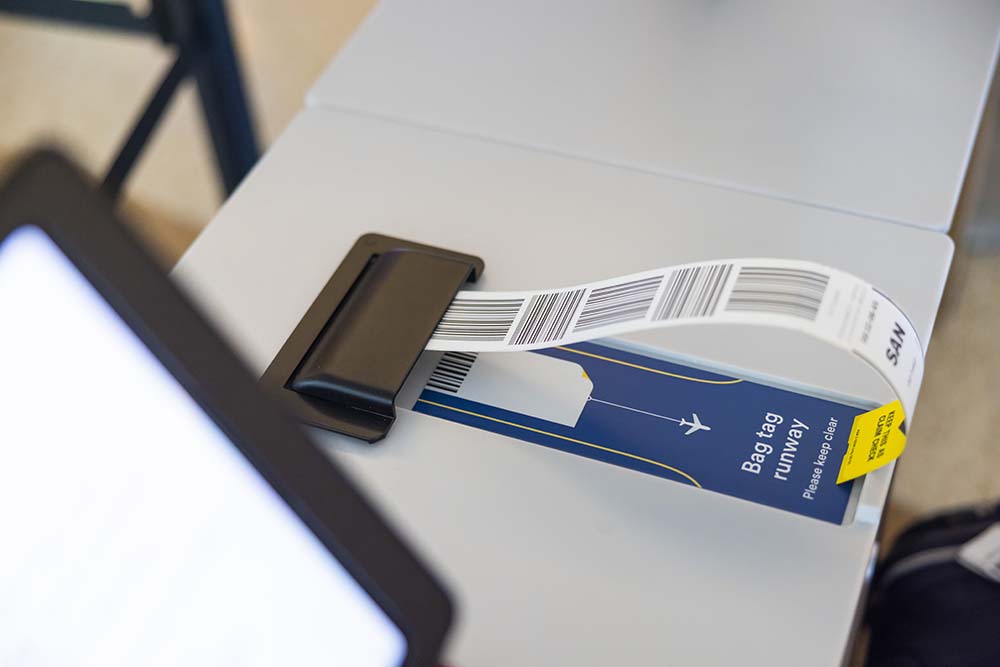
  1. Your bag tag(s) will print at the iPad station. 
  1. Tag your bag(s) and head to our new self-bag drop station to drop them off. 

Boarding with facial recognition. 

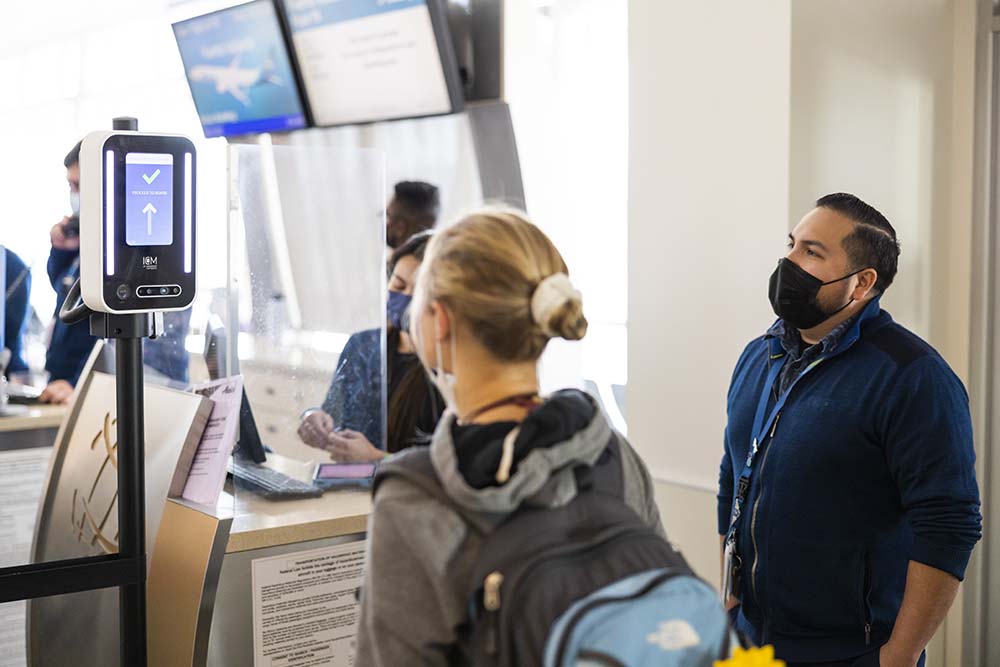
Currently, we’re using biometric technology to speed up our boarding process for international flights from SJC. These flights include Cabo San Lucas, Puerto Vallarta and Guadalajara. 

Rather than hunt for your passport and boarding pass and hand them over to an agent at the gate, our guests who choose to board using facial recognition can quickly board the flight without ever having to exchange their documents with an agent. They simply scan their face and are on their way. 

On average, the use of biometrics during the boarding process saves guests up to five seconds and the hassle of finding a boarding pass when your hands are full. 

“Boarding with biometric technology uses facial recognition to verify identity and shorten security procedures for those passengers who opt into the programs,” said Jain. “For guests who are concerned about security, we do not retain any imagery and offer our guests the opt-in option to use biometrics. While it will never be mandatory, we believe it is the future of travel.”  

Guests traveling out of the San Jose Airport can try more innovation firsts with us in the coming months. We look forward to introducing new ways to travel in Silicon Valley and beyond to enrich our guests’ travel experiences so that they enjoy every journey while also giving our employees the latest tools to take great care of our guests. 

“I am excited to shape the future of the industry with our new tech,” said Sam Frost, lead customer service agent at SJC. “It will ultimately make our guests feel more in control of their journey and align our guest experience with the retail spaces of leaders in the tech industry like Apple and Microsoft.”

Air Transport World Names Alaska Airlines 2022 Airline of the Year 

Aviation Week Network’s Air Transport World (ATW), the leading media brand serving the information needs of the global airline and commercial air transport communities, announced today that Alaska Airlines is the 2022 ATW Airline of the Year. 

The ATW Airline Industry Achievement Awards recognize excellence across a broad range of airline operations and are widely considered as the most coveted in the air transport industry. Alaska was selected by an independent board of ATW and Aviation Week Network editors and analysts. In making their decision, they cited the company’s excellent leadership under CEO Ben Minicucci. They noted the company’s strong 2021 financial and operational performances despite the on-going challenges of the pandemic. The airline also joined the oneworld global alliance, expanding its international network. 

“We have our incredible employees to thank for this honor. They are the heart and soul of our airline, taking care of each other and creating meaningful connections with our guests on every flight, every day,” said CEO Ben Minicucci. “It’s gratifying to receive this recognition during a time that has tested us all. It’s a testament to how we’ve stuck with our business plan and delivered on our safety promise, while keeping caring as our north star of all that we do.” 

Alaska has continued to innovate, launching the Ascend Pilot Academy for aspiring pilots that provides a simpler, more financially accessible path to becoming a commercial pilot at regional affiliate Horizon Air and eventually Alaska. And it became the world’s first airline to launch a subscription service, Flight Pass, that allows up to 24 roundtrips for a fixed monthly fee. 

On top of that, Alaska remains highly committed to environmental and carbon emission reductions initiatives that include collaborative research and development efforts for sustainable aviation fuels and a hydrogen-electric regional aircraft, a commitment to achieving net zero carbon emissions by 2040, the replacement of plastic water bottles and plastic cups with 100% recyclable Boxed Water, and a partnership with a Hawaiian organization that connects travelers with sustainable volunteer projects in Hawaii. The airline was also the first to implement network optimization software, Flyways, using artificial intelligence and machine learning to optimize air traffic and enable more fuel-efficient flight paths for aggregate savings of fuel, carbon emissions and time. 

“The Alaska Airlines Team is always at the top of its game with friendly customer service and a true dedication to its colleagues, community and the planet. To have stayed on top and continued to invest in its future through such challenging times shows the remarkable strength and adaptability of Alaska Airlines and we sincerely congratulate them,” said ATW Editor-in-Chief Karen Walker.  

The Award will be presented to Alaska as the top honor among the 48th Annual ATW Airline Industry Achievement Awards at a prestigious, in-person gala dinner on June 21 following the closing of the 78th IATA AGM and World Air Transport Summit. Other ATW Airline Industry Achievement Award winners will be announced shortly. 

Alaska last received ATW’s Airline of the Year recognition in 1990. Over the years, Alaska has been recognized with several ATW rankings, including the 2016 Market Leadership award, the 2012 Joseph S. Murphy Industry Award and the 2011 and 2003 Airline Technology Leadership. Its sister carrier Horizon Air was named Regional Airline of the Year in 2007.  

Air Transport World Names Alaska Airlines 2022 Airline of the Year

Aviation Week Network’s Air Transport World (ATW), the leading media brand serving the information needs of the global airline and commercial air transport communities, announced today that Alaska Airlines is the 2022 ATW Airline of the Year. 

The ATW Airline Industry Achievement Awards recognize excellence across a broad range of airline operations and are widely considered as the most coveted in the air transport industry. Alaska was selected by an independent board of ATW and Aviation Week Network editors and analysts. In making their decision, they cited the company’s excellent leadership under CEO Ben Minicucci. They noted the company’s strong 2021 financial and operational performances despite the on-going challenges of the pandemic. The airline also joined the oneworld global alliance, expanding its international network. 

“We have our incredible employees to thank for this honor. They are the heart and soul of our airline, taking care of each other and creating meaningful connections with our guests on every flight, every day,” said CEO Ben Minicucci. “It’s gratifying to receive this recognition during a time that has tested us all. It’s a testament to how we’ve stuck with our business plan and delivered on our safety promise, while keeping caring as our north star of all that we do.” 

Alaska has continued to innovate, launching the Ascend Pilot Academy for aspiring pilots that provides a simpler, more financially accessible path to becoming a commercial pilot at regional affiliate Horizon Air and eventually Alaska. And it became the world’s first airline to launch a subscription service, Flight Pass, that allows up to 24 roundtrips for a fixed monthly fee. 

On top of that, Alaska remains highly committed to environmental and carbon emission reductions initiatives that include collaborative research and development efforts for sustainable aviation fuels and a hydrogen-electric regional aircraft, a commitment to achieving net zero carbon emissions by 2040, the replacement of plastic water bottles and plastic cups with 100% recyclable Boxed Water, and a partnership with a Hawaiian organization that connects travelers with sustainable volunteer projects in Hawaii. The airline was also the first to implement network optimization software, Flyways, using artificial intelligence and machine learning to optimize air traffic and enable more fuel-efficient flight paths for aggregate savings of fuel, carbon emissions and time. 

“The Alaska Airlines Team is always at the top of its game with friendly customer service and a true dedication to its colleagues, community and the planet. To have stayed on top and continued to invest in its future through such challenging times shows the remarkable strength and adaptability of Alaska Airlines and we sincerely congratulate them,” said ATW Editor-in-Chief Karen Walker.  

The Award will be presented to Alaska as the top honor among the 48th Annual ATW Airline Industry Achievement Awards at a prestigious, in-person gala dinner on June 21 following the closing of the 78th IATA AGM and World Air Transport Summit. Other ATW Airline Industry Achievement Award winners will be announced shortly. 

Alaska last received ATW’s Airline of the Year recognition in 1990. Over the years, Alaska has been recognized with several ATW rankings, including the 2016 Market Leadership award, the 2012 Joseph S. Murphy Industry Award and the 2011 and 2003 Airline Technology Leadership. Its sister carrier Horizon Air was named Regional Airline of the Year in 2007. 

Hawaiian Airlines Launches Statewide Hiring Campaign

HONOLULU – Hawaiian Airlines this week launched a statewide hiring campaign for hundreds of airport and operational positions, as well as administrative roles, to support the carrier’s growth as travel demand continues to improve. In addition to offering competitive pay, rich medical and travel benefits, paid training for full- and part-time positions, Hawai‘i’s hometown airline is also providing sign-on bonuses for select roles and flexible work options for corporate team members.

“We’re looking for people who live our values and embody aloha,” said Robin Kobayashi, senior vice president of human resources at Hawaiian Airlines. “As we build back from a bruising pandemic, we want to share the warmth, care and friendship that make our company unique – with guests and employees alike.”

HA Ramp

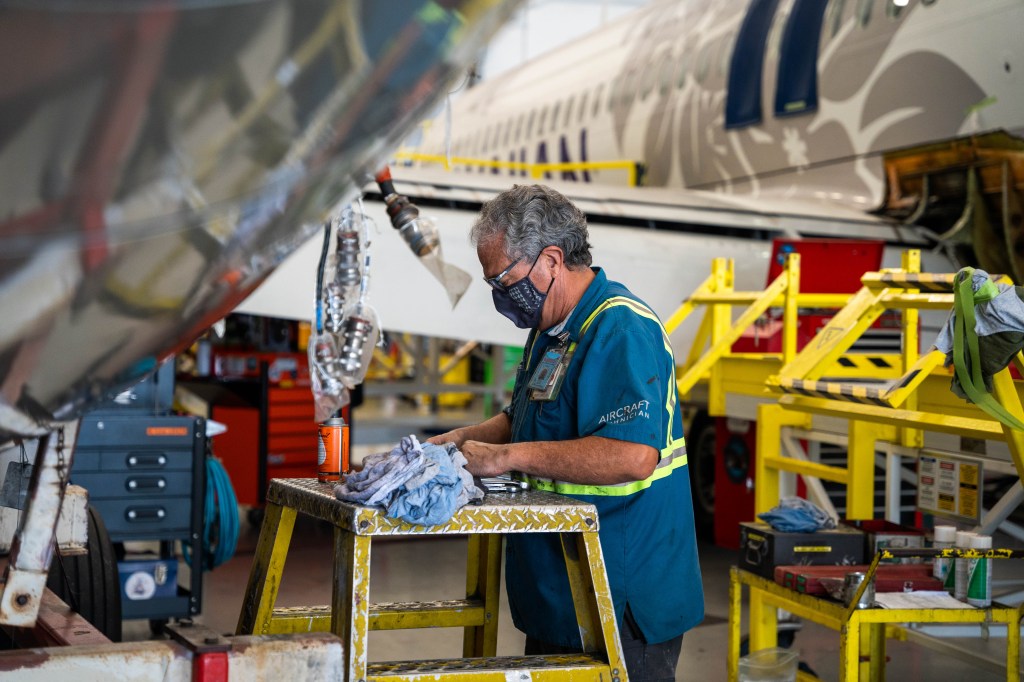
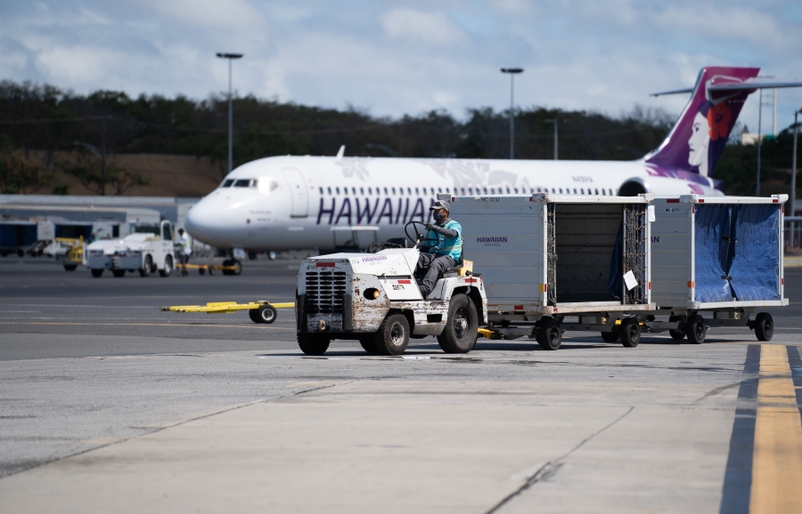
The airline is recruiting for more than 600 positions companywide, with 200 openings for aircraft mechanics, guest services, ramp and cargo agents at its airport spaces in Honolulu, Kahului, Maui, Līhu‘e, Kaua‘i and Kona, Island of Hawai‘i. Hawaiian is also seeking Honolulu-based pilots, flight attendants and corporate team members as it prepares to welcome a new fleet of Boeing 787 aircraft and return to its international markets as border restrictions ease in key Hawai‘i visitor markets in Asia and Oceania.

“With new contracts in place and a highly desirable benefits package, we’re hoping to attract individuals who are passionate about travel and share our love for our island home,” continued Kobayashi.

More than 90 percent of Hawaiian’s 6,700 employee ʻohana call Hawai‘i home. The commercials and digital ads will air on local broadcast television throughout the month. Interested candidates can apply at www.HawaiianAirlines.com/Careers.  


About Hawaiian Airlines

Hawaiian® has led all U.S. carriers in on-time performance for each of the past 18 years (2004-2021) as reported by the U.S. Department of Transportation and was named No. 1 U.S. airline by Condé Nast Traveler’s 2021 Readers Choice Awards. Consumer surveys by Travel + Leisure and TripAdvisor have placed Hawaiian among the top of all domestic airlines serving Hawaiʻi.

Now in its 93rd year of continuous service, Hawaiian is Hawaiʻi's biggest and longest-serving airline. Hawaiian offers approximately 130 flights within the Hawaiian Islands, daily nonstop flights between Hawaiʻi and 16 U.S. gateway cities – more than any other airline – as well as service connecting Honolulu and American Samoa, Japan, South Korea, Sydney, and Tahiti. As a result of the COVID-19 pandemic, Hawaiian’s Auckland flights remain suspended.

The airline is committed to connecting people with aloha by offering complimentary meals for all guests on transpacific routes and the convenience of no change fees on Main Cabin and Premium Cabin seats. HawaiianMiles members also enjoy flexibility with miles that never expire. As Hawai‘i’s hometown airline, Hawaiian encourages guests to Travel Pono and experience the islands safely and respectfully.

Hawaiian Airlines, Inc. is a subsidiary of Hawaiian Holdings, Inc. (NASDAQ: HA). Additional information is available at HawaiianAirlines.com. Follow Hawaiian’s Twitter updates (@HawaiianAir), become a fan on Facebook  (Hawaiian Airlines), and follow us on Instagram (hawaiianairlines). For career postings and updates, follow Hawaiian’s LinkedIn page.

For media inquiries, please visit Hawaiian Airlines’ online newsroom.

Alaska Air Group to participate in J.P Morgan 2022 Industrials Conference

SEATTLE, March 10, 2022 /PRNewswire/ — Alaska Air Group Inc., the parent company of Alaska Airlines Inc. and Horizon Air Industries Inc., today announced it will webcast a fireside chat with CFO Shane Tackett at 1:20 p.m. ET March 15, 2022, from the J.P Morgan Industrials Conference. The presentation will be webcast live at https://investor.alaskaair.com.

Alaska Airlines and our regional partners serve more than 120 destinations across the United States, Belize, Canada, Costa Rica and Mexico. We emphasize Next-Level Care for our guests, along with providing low fares, award-winning customer service and sustainability efforts. Alaska is a member of the oneworld global alliance. With the alliance and our additional airline partners, guests can travel to more than 1,000 destinations on more than 20 airlines while earning and redeeming miles on flights to locations around the world. Learn more about Alaska at newsroom.alaskaair.com and blog.alaskaair.com. Alaska Air and Horizon Air are subsidiaries of Alaska Air Group (NYSE: ALK).

SOURCE Alaska Air GroupFor further information: Media Relations, (206) 304-0008; Emily Halverson, Managing Director, Accounting & Investor Relations, (206) 392-5908

Breaking Barriers in Aviation: Celebrating Tongan Female Pilot Kamelia Zarka

When Anaseini “Kamelia” (Lino) Zarka earned her Hawaiian Airlines pilot wings in 1999, she didn't plan to make history. A Boeing 717 captain, and former Boeing 767 first officer and McDonnell Douglas DC-10 flight engineer, Zarka carries the honor of being the first Tongan woman to captain a commercial airline

Born and raised in the Kingdom of Tonga, Zarka did not grow up around aviation. She left the archipelago after she finished high school and received a federally funded college scholarship to Sotra Videregaende Sko in Norway, where she studied public health and social work. She then interned with the International Committee of the Red Cross, working in its Norway, Spain, and Switzerland offices until she accepted a youth coordinator position with the Tonga Red Cross Society. During the return home, she met her now-husband, a Peace Corps volunteer, with whom she eventually moved to Hawaiʻi after he took a teaching fellowship at the University of Hawaiʻi at Mānoa. 

The move to the Hawaiian Islands became Zarka’s launching pad into the aviation industry.

20220303_112923-2

Photo provided by Kamelia Zarka
Zarka in the galley of a DC-8 when she was a Hawaiian Airlines flight attendant

“When I first arrived in Hawai‘i, I sent out resumes and worked many small jobs here and there until Hawaiian Airlines finally hired me as a flight attendant,” she said.

Zarka joined Hawaiian in 1992, during the height of its DC-8 era when the carrier deployed the aircraft on a robust charter and commercial operation throughout the South Pacific. The year she was hired, Zarka experienced a life-changing moment while working a regular round-trip Honolulu-Pago Pago flight – which included a stop in Tonga before the return.

“I remember the captain called back to us [while flying over Tonga] and said that anyone who wants to sit up front [in the cockpit] is welcome to do so," she recalled. "I did and sat behind the first officer, and as the plane rolled down the runway, I thought to myself, ‘Hey, I can do this.’ When I got home from that trip, I asked my husband what he thought about me becoming a pilot and he said I should go for it."

Not long after that memorable flight Zarka found herself strapped to the seat of a single-engine Cessna. She signed up for an introductory lesson with a local flight school, and when the aircraft took off with her in the passenger seat, her new dream of becoming a pilot seemed to be within her grasp. Zarka went on to earn her private pilot license before taking a leave of absence as a flight attendant to obtain her instrument, commercial, and multi-engine pilot and flight instructor certificates – an achievement that took years of training with the support of a scholarship from the Ninety-Nines, a nonprofit that promotes the advancement of women in aviation.

In total, Zarka invested seven years into her pilot training, which included stints at various regional carriers and flight instructing in her spare time to build the hours needed to fly commercial jets. Then, on her 38th birthday in 1999, she received a call from Capt. Rho Johnson, the assistant chief pilot at Hawaiian Airlines at the time. “He asked if I was still interested in becoming a commercial pilot,” she recalled. “I said yes and got hired at Hawaiian as a flight engineer on the DC-10.”
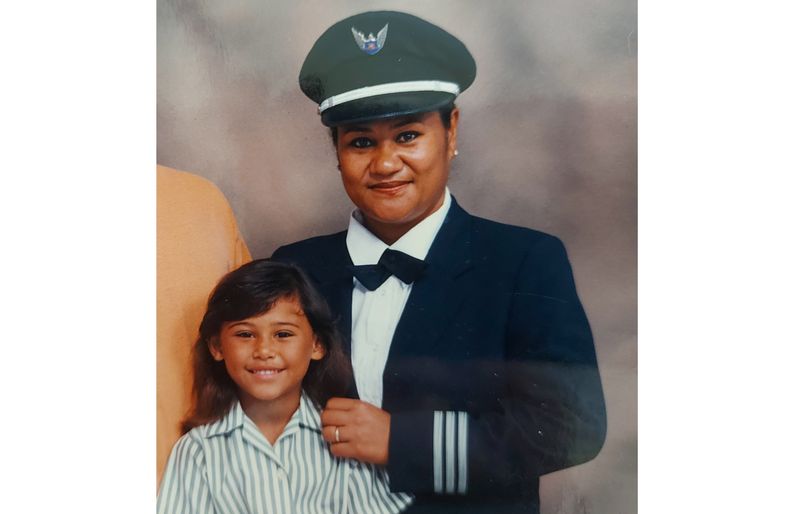
20220303_111838-2

Photo provided by Kamelia Zarka
Zarka pictured with her daughter Maria after she was hired as Hawaiian Airlines pilot


At that moment, Zarka not only made history as the commercial airline industry’s first Tongan female captain but also by joining a growing wave of women who were breaking barriers in a male-dominated industry. “When I was hired, women made up four percent of pilots of the industry – now it’s about eight percent industrywide – and even higher at Hawaiian,” she said. Today, over nine percent of Hawaiian Airlines' pilots are women, making it a leader among U.S. carriers.

Back in the day, Zarka said the job required having thick skin and stern focus. “There was plenty of bias against aspiring flight attendants, women, and Polynesians,” she said. “Like Ginger Rogers dancing with Fred Astaire in the movies: she could do everything he could but had to do it in heels and backward, but only received second billing for all her efforts. It often felt like females needed to be twice as good as their male counterparts to be considered equals in the cockpit,” she added, explaining that the airline industry has come a long way. "Now, we are judged more often on our abilities and performance.”

Zarka flourished as a pilot at Hawaiian Airlines, initially taking on the role of a first officer for our Boeing 767 transpacific fleet, which officially retired in 2018, before becoming a captain in our Boeing 717 Neighbor Island fleet, which today operates nearly 115 daily flights statewide. 

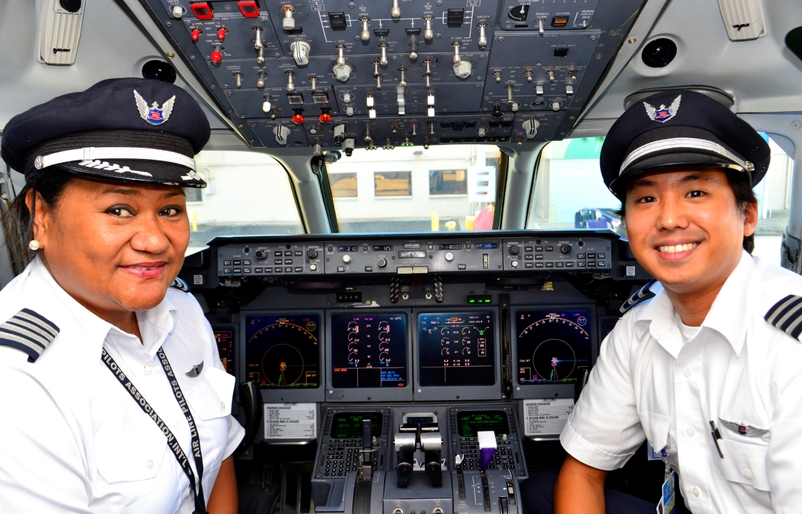
Kamelia and Bryan

Photo provided by Bryan Shirota
Zarka pictured with fellow Hawaiian Airlines Boeing 717 Captain Bryan Shirota


And while flying long-haul aircraft gave her a chance to see and experience the world, Zarka valued the Boeing 717 schedule more because it allowed her to continue flying and prioritizing family time.

“I remember once, flying the [Boeing] 767 to [Las] Vegas, and despite all the bright lights and excitement, I was still wishing that I could just be home instead of overnighting at a hotel. When I transitioned to flying Neighbor Island, I was able to get back home to my family every night,” she said.

Zarka’s two daughters inherited her passion for flying.

“When I was flight instructing, I would take Maria, my eldest daughter, on night flights. Those flights, and the traveling we did on my non-revenue benefits with Hawaiian Airlines, seem to have stimulated Maria's desire to fly,” Zarka said. “Then Kaimana, my youngest daughter, caught the bug after flying with her sister, and later in high school, she too decided to become a pilot.”

Screenshot_20220303-104145_Chrome-3

Photo provided by Kamelia Zarka
A photo of the Zarka family on O‘ahu. (L to R): Kaimana Zarka, Christopher Zarka, Kamelia Zarka, Maria Zarka


Through her daughters, Zarka’s legacy will continue at Hawaiian Airlines. Maria, who flew with Republic Airlines in New Jersey for two years, was recently hired as a Hawaiian Airlines Boeing 717 pilot and is set to begin her training in April. Kaimana is on a scholarship studying aeronautical science at Embry-Riddle University in Arizona and on a similar glide path, with Private and Instrument licenses already in her back pocket; plus, halfway through her Commercial certification, with the Multi-Engine rating on the way. Kaimana also intends to apply to be a Hawaiian Airlines pilot, Zarka shared.

Aside from her daughters, Zarka wants to see more women, especially those of color and from Tonga, in the cockpit. “When I was young, every little girl in Tonga hoped to become a flight attendant or nurse, but I would like to see a shift where they want to become pilots and doctors instead,” she said. “I feel a duty and responsibility as the first Tongan woman commercial pilot captain and try when I can to be a role model for those girls.”

Zarka has worked with the Ninety-Nines throughout the years and encourages women of all ages to apply for the nonprofit’s scholarships. In her free time, Zarka speaks about flying and piloting opportunities to visitors at the Pearl Harbor Aviation Museum as well as students during career days at Hawaiʻiʻs public schools.
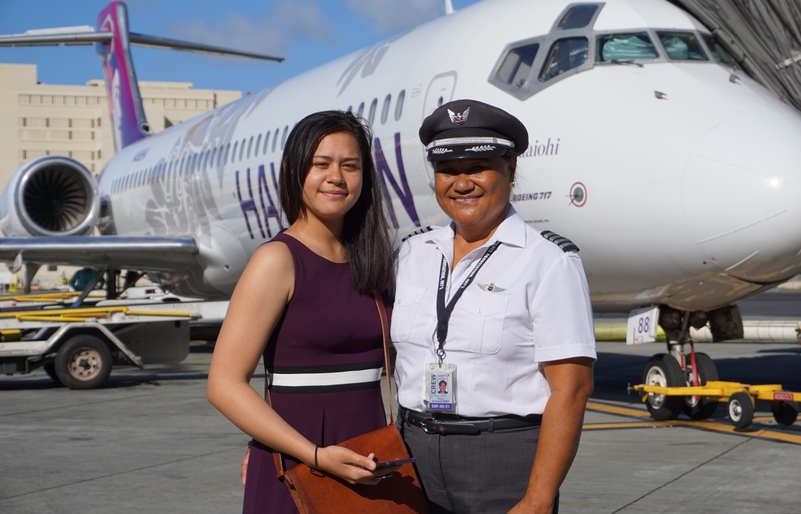
Screenshot_20220303-101334_Messenger-2

Photo provided by Bryan Shirota
Zarka pictured with her daughter Kaimana when Hawaiian Airlines hosted Embry–Riddle Aeronautical University students at Honolulu's Daniel K. Inouye International Airport.


“A lot of young women come and talk to me, especially Polynesians and other Tongans, who are interested in flying and ask for my advice. I always tell them that they must believe in themselves and aim high,” she said. “If becoming a pilot is a dream, that dream can be life-altering; but first, take an introductory flight. If the excitement is still there after the take-off and landing, then flying is a career ride to a natural high."

Zarka recently took an extended break from the cockpit for personal matters but is already planning her return. She looks forward to resuming her Neighbor Island schedule – perhaps even one day captaining a Hawaiian Airlines Boeing 717 with one of her daughters in the first officer seat.

Hawaiian Airlines is Most Punctual U.S. Airline for 18th Consecutive Year

HA High Res Logo_mid

HONOLULU – Hawaiian Airlines remained the nation's most punctual carrier in 2021, according to the U.S. Department of Transportation, marking the 18th straight year its guests have enjoyed the best on-time performance in the U.S. industry.
 
Hawaiian's flights averaged a 90.1 percent on-time rate in 2021, exceeding the U.S. industry average by nine percentage points.
 
“I am immensely grateful for all our teams who worked so hard to keep our guests at the forefront of everything they do,” said Peter Ingram, president and CEO at Hawaiian Airlines. “They overcame the continued operational challenges of the pandemic to once again deliver on our industry leading punctuality as we grew our U.S. domestic network, restored interisland flights and resumed international services, supported essential cargo transportation and charter flights, and served our local community with aloha. Our recovery is a testament to their tireless efforts, and I’m truly honored to be a part of this airline.”
 
Last year, Hawaiian expanded its North America presence with new nonstop service between Honolulu and Austin, Orlando and Ontario, California. as well as new service between Maui and Long Beach and Phoenix. The carrier also restored international services to American Samoa, Tahiti and Sydney.
 
The U.S. DOT's monthly Air Travel Consumer Report ranking the nation's 16 largest air carriers is available online at www.dot.gov/individuals/air-consumer/air-travel-consumer-reports.


About Hawaiian Airlines

Hawaiian® has led all U.S. carriers in on-time performance for each of the past 18 years (2004-2021) as reported by the U.S. Department of Transportation and was named No. 1 U.S. airline by Condé Nast Traveler’s 2021 Readers Choice Awards. Consumer surveys by Travel + Leisure and TripAdvisor have placed Hawaiian among the top of all domestic airlines serving Hawaiʻi.

Now in its 93rd year of continuous service, Hawaiian is Hawaiʻi's biggest and longest-serving airline. Hawaiian offers approximately 130 flights within the Hawaiian Islands, daily nonstop flights between Hawaiʻi and 16 U.S. gateway cities – more than any other airline – as well as service connecting Honolulu and American Samoa, Japan, South Korea, Sydney, and Tahiti. As a result of the COVID-19 pandemic, Hawaiian’s Auckland flights remain suspended.

The airline is committed to connecting people with aloha by offering complimentary meals for all guests on transpacific routes and the convenience of no change fees on Main Cabin and Premium Cabin seats. HawaiianMiles members also enjoy flexibility with miles that never expire. As Hawai‘i’s hometown airline, Hawaiian encourages guests to Travel Pono and experience the islands safely and respectfully.

Hawaiian Airlines, Inc. is a subsidiary of Hawaiian Holdings, Inc. (NASDAQ: HA). Additional information is available at HawaiianAirlines.com. Follow Hawaiian’s Twitter updates (@HawaiianAir), become a fan on Facebook  (Hawaiian Airlines), and follow us on Instagram (hawaiianairlines). For career postings and updates, follow Hawaiian’s LinkedIn page.

For media inquiries, please visit Hawaiian Airlines’ online newsroom.

Loading...