During this crisis, each of us is making the best decisions we can for ourselves, our families and our businesses.
Over the past several weeks, as more of our guests shelter in place at home, demand for air travel has plummeted. In recent days, some of our flights have had only several passengers onboard.
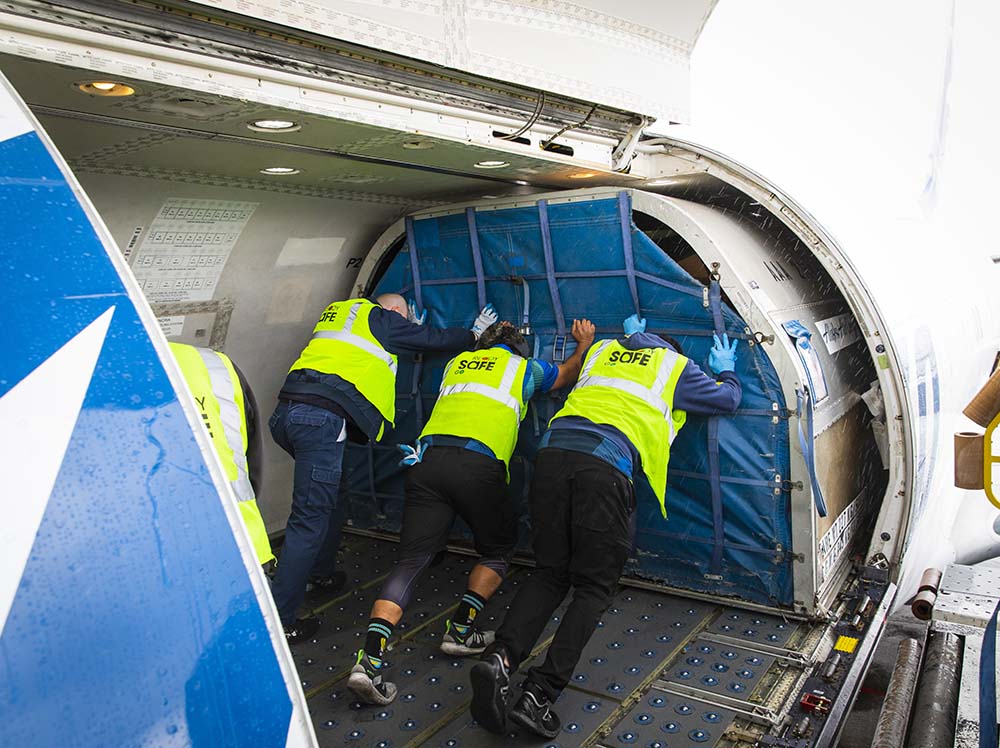
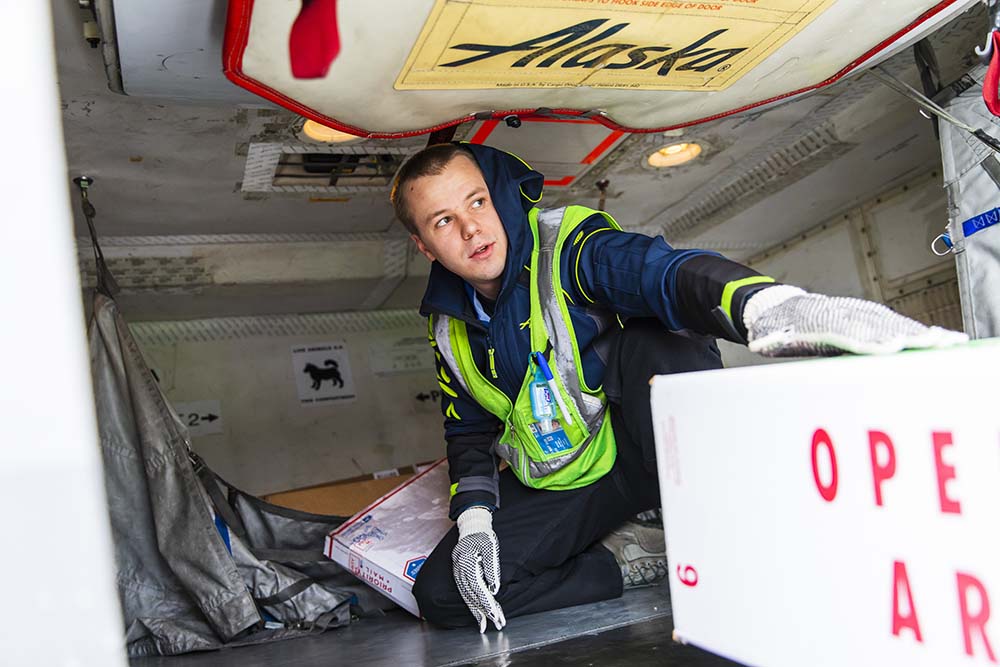
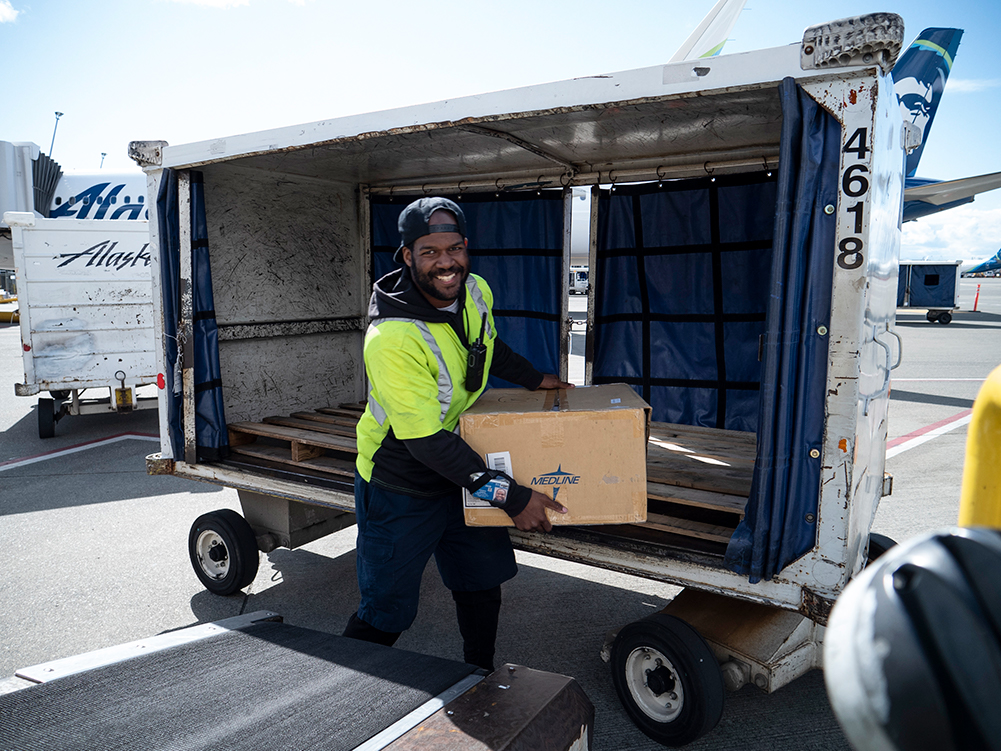
But it remains essential that we keep flying. Some of you have a critical need for us to get you somewhere, and it’s crucial we keep cargo moving, which includes transporting mail, food, medicine, medical supplies and an increasing amount of goods that are being ordered online.
These are unprecedented times that call for unprecedented measures.
We’ve therefore made the difficult decision to implement significant capacity reductions for April and May throughout our network. We’re decreasing our flying by approximately 80% systemwide for each month.
We normally average 1,300 daily flights, so that’s about 950 fewer flights a day.
Some regions we serve will see an even greater reduction of service, such as Hawaii, where the governor has issued a mandatory, 14-day self-isolation quarantine for all travelers entering the state. The state of Alaska has also initiated a similar quarantine process.
Outside of Alaska and Hawaii, we’re still maintaining our basic network footprint but with significantly reduced frequencies of service and the elimination of nearly all red-eye flights. For the capacity reductions, we also selected routes with lower load factors. This allows us to more easily accommodate guests who are traveling to get to their destinations in a timely manner.
Additional reductions are possible as we learn more about demand in the weeks ahead.
This is a time with a lot of uncertainty for many, and we’re thinking about all our guests and the communities we serve.
We’re also grateful to our tremendous employees – from the frontline to maintenance crews to those helping you make changes to your travel plans – who’ve kept our airline operating safely, and to our guests who have expressed their appreciation.
We are realistic about the challenges we’re facing, and those ahead. But we’re also eager to resume service and get back to flying our full schedule.
We look forward to seeing you soon.
This story was originally published on March 25, stating our flying was reduced to 70% systemwide for April and May. For additional information about our flexible travel policies and travel restrictions, please visit our travel advisory page.
Yes! Your current Mileage Plan status will be extended through December 31, 2021. That status will unlock even more benefits as we inch closer to our oneworld® launch in summer 2021.
What about companion certificates?
All companion certificates set to expire in 2020 will be extended. You’ll now have until December 31, 2020 to purchase new travel through November 26, 2021.
When can I expect to see my status’ new 2021 expiration date?
Your Mileage Plan status will automatically be extended at the end of the year to reflect the new December 31, 2021 end date.
With the extension of my status through 2021, will all usual tier benefits apply?
All status benefits will apply, with the exception of the 50,000 bonus miles associated with earned 75K status. Look for more details in a few weeks with info on how 75K members can earn additional bonus miles for travel this year.
I don’t have elite status but was hoping to earn it this year. Will elite tier qualification requirements be adjusted for those trying to earn elite for the first time?
Tier qualification requirements are not being adjusted at this time, but look for more information over the coming weeks on ways you can earn additional elite-qualifying miles this year.
I signed up for a status match challenge, but due to business travel restrictions, wasn’t able to meet the challenge requirements. Am I out of luck?
Members who enrolled in a status match challenge between December 1, 2019 and March 31, 2020 will have their trial status extended through the end of 2021.
Questions about reservation changes and travel
How far in advance should you call to change flights?
We encourage you to take advantage of our online change/cancellation options and to reach out to our Reservations team only if you need assistance with a reservation that can’t be serviced online. Learn more.
I booked a companion fare, am I able to get it back?
If you cancel your reservations entirely, and it included a companion certificate, we’ll provide a replacement certificate within 7 business days with an expiration date of 12/31/2020. To purchase a ticket with your replacement code, you must use an Alaska Airlines credit card.
What happens if I need to change a flight booked with miles?
If you used miles to purchase your ticket for travel through May 31, you can make changes with no change fee, or if you cancel, we’ll re-deposit the miles in your Mileage Plan account (and even refund the taxes you were charged).
How long does it take to retrieve the miles back into My Account?
Your miles will be back in your account in 24-48 hours.
What if I purchased a nonrefundable First Class, main or award ticket?
If you purchased a nonrefundable First Class, main, or award ticket for travel that falls within one of our flexible travel policies, you may change without fee or, cancel your trip and deposit the funds into your My Account wallet or credit certificate via email.
What if I purchased a Saver fare?
If you purchased a Saver fare that falls within our flexible travel policy, you may cancel your trip and deposit the funds into your My Account wallet or credit certificate via email.
What do I do if I’ve already paid the change fee?
If you were recently charged a fee for a change or cancellation made to a trip that now falls under one of our flexible travel policies, please contact Reservations. We’ll take care of the change fee to your original form of payment.
What if I purchased my ticket through Expedia? Or another third-party website?
If you purchased your tickets through a third party, such as Expedia, another travel agency or another airline, contact them directly for assistance.
What if I’m traveling after May 31st?
For tickets purchased on/before February 26, 2020, our flexible travel policy only applies to travel through May 31, 2020. We will continue to evaluate the situation and may make adjustments as warranted.
Questions about Alaska Airlines’ operation
Are you canceling flights or grounding aircraft?
We are making the difficult decision to implement significant capacity reductions for April and May throughout our network. We’re decreasing our flying by approximately 80% systemwide for each month. We normally average 1,300 daily flights, so that’s about 950 fewer flights a day.
When do the reductions begin?
It’s not happening all at once, rather a bit at a time. The vast majority of the changes will be made by early April and will continue.
Should guests wait a bit to book travel for schedule changes to be made, to better know what their flight options are?
If a booking is made now and a guest’s flight is canceled, they will be rebooked on another flight. We will take care of our guests.
Are we temporarily stopping service to any markets with these reductions?
Some states have enacted travel restrictions, which have resulted in temporary market closures that impact service to Maui, Kona, Lihue and Costa Rica (view all regional advisories). We plan on continuing service to all U.S. cities that we currently serve.
Questions about our Lounges
Are you extending Lounge memberships?
Yes! All active members as of April 1, 2020 will be extended by six (6) months.
When will my membership expiration date be updated?
All membership expiration dates will be updated by May 1, 2020.
Will I get a new membership card?
By May 1, 2020, your digital membership card will be updated. To access, open the Alaska Airlines mobile app, go to “Account,” then click “Alaska Lounge card.” We no longer send out physical membership cards, except upon request. To request a physical card, please email Alaska.Lounge@alaskaair.com with your Mileage Plan number.
Are Alaska lounges still open?
We’ve made the difficult decision to temporarily close all of our lounges, except our location at Seattle-Tacoma Airport in the D Concourse. Our current hours are available on our locations and hours page.
We’re operating as safely as possible.
– We paused the use of the fingerprint biometric scanner.
– We removed seats at high-density areas.
– We added signage to encourage social distancing.
– We are limiting each location to 50% capacity. Learn more.
Questions about safety, cleaning procedures
What safety measures is Alaska Airlines taking on board?
Safety is our top priority for both our guests and our employees. Below are some of the actions we’re taking to help keep our guests & employees safe. Learn more.
We’ve updated our onboard service to limit the interaction between our flight crews and guests.
We’ve removed all seatback contents, except for the safety card to limit the spread of germs.
We’ve enhanced our aircraft cleaning procedures between flights. Watch video.
We’ve suspended our warm towel service and blankets in First Class.
We’ve discontinued onboard sorting of recycling items to reduce touching guest-handled materials.
We’ll continue to collect and recycle materials on Horizon Air’s simplified service of water.
We’ve removed inflight entertainment tablets to make room for additional trash carts (except on flights to Hawaii and Florida).
What parts of Alaska Airlines’ aircraft get cleaned after each flight?
We’ve always had robust cleaning processes on our aircraft and will continue using disinfectants that are effective against viruses to ensure the safety of our guests and employees. As an extra level of precaution, we’ve implemented an enhanced aircraft cleaning process between our flights that are on the ground longer than an hour at our hubs. We’re focusing more attention on the areas of the cabin which are touched most frequently such as arm rests, seat belts, tray tables, overhead controls including air vents, light buttons, call buttons and exterior and interior door handles to lavatories.
All our aircraft that remain on the ground overnight get a thorough cleaning. In addition, our crews are also cleaning front and back of seats, window shades and handles to carry-on compartments.
Do Alaska Airlines’ airplanes use HEPA filters in the air vents? If so, how effective are they and how many aircraft have them?
Yes. Every Alaska Airlines aircraft uses High Efficiency Particulate Air (HEPA) filters as part of our recirculation air systems. HEPA filters are believed to be effective to 99.95% or greater in removing particulate contaminants in the air. Through a combination of outside air and recirculated air, the air in the cabin is completely replaced by our air flow system approximately every 2 to 3 minutes.
What is Alaska doing to make sure their gates/counters are clean?
The safety of our guests and employees is our top priority. We’re encouraging our employees to sanitize work areas before and after they perform tasks, including gate and check-in counters, kiosks, bag sizers and stanchions. We’re also working with our airport partners and cleaning teams to set up additional cleaning runs to sanitize work surfaces.
Have more questions? For additional information, please visit our travel advisory page for all the details about our flexible travel policies and travel restrictions.
Healthcare workers around the country are in need of masks, gloves and other protective equipment now more than ever.
On Wednesday, Alaska Airlines transported materials that will be used to create 210,000 hospital-grade masks for caregivers at Providence’s 51 hospitals across the western United States.
Alaska’s flights carrying this cargo originated in Seattle and landed in Dallas, Phoenix and Los Angeles, where the masks will be assembled. They will then be distributed to Providence hospitals throughout Alaska, California, New Mexico, Montana, Oregon, Texas and Washington state.
The masks will be created by skilled craftspeople from Kaas Tailored, a furniture manufacturer in Mukilteo, Washington, which stepped in to produce the much-needed supplies. They also developed PPE design specifications to share with other manufacturers.
“For years, Alaska Airlines has helped us fly doctors, nurses and other medical personnel up and down the West Coast. Now more than ever, it’s mission critical to get protective equipment to caregivers, who are caring for millions of people in the communities we serve,” said Dr. Amy Compton-Phillips, chief clinical officer for Providence. “We are heartened by all the great companies stepping up to the 100 Million Mask Challenge and hope more will join our efforts to protect our country’s caregivers.”
During this time of uncertainty, air travel continues to be an essential service. Alaska Airlines remains committed to helping medical professionals and lifesaving supplies get to the places where they are needed most.
“Every day, we carry essentials such as food, mail and lifesaving items, including crucial medication and medical equipment,” said Rick Bendix, Alaska Air Cargo spokesperson. “Across our network we’re packing our freighters and maximizing cargo in the belly of passenger aircraft to deliver essential goods to our customers throughout our expansive network.”
The Hawaiian proverb “Kōkua aku, kōkua mai, pēlā ihola ka nohona ʻohana” translates to “Family life requires an exchange of mutual help and recognition.” In Hawaiʻi, ʻohana includes immediate and extended family, with each member coming together and recognizing how their kōkua (assistance) contributes to the greater good.
As Hawai‘i’s flagship carrier, Hawaiian Airlines is passionate about the wellbeing of our local communities – especially during the unprecedented challenges created by the COVID-19 virus. As we face the pandemic’s impact on the state’s tourism industry and aviation sector, aloha continues to permeate through our employees’ work – both on and off the job.
Hawaiian Airlines employees practicing social distancing during a group photo at a recent Team Kōkua event. To keep one another safe, volunteers are required to practice social distancing at all Team Kōkua events.
Our all-employee volunteer group, Team Kōkua, has played a pivotal role in engaging our colleagues and coordinating opportunities for people wanting to help when it’s needed the most.
“For me the real value of kōkua is to live into that verb – of the doing, of the experiencing,” said Debbie Nākānelua-Richards, director of community and cultural relations at Hawaiian Airlines. “We haven’t needed to put volunteer calls out as much in the past several weeks as a result of so many employees across our organization coming to us and saying, ‘help me find a way to give back.’ I think there is something wonderful to be said about that…it’s been incredible.”
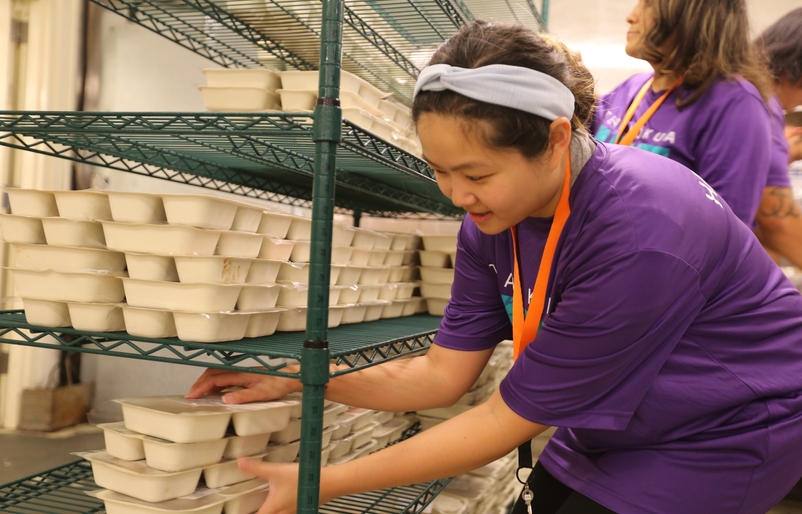
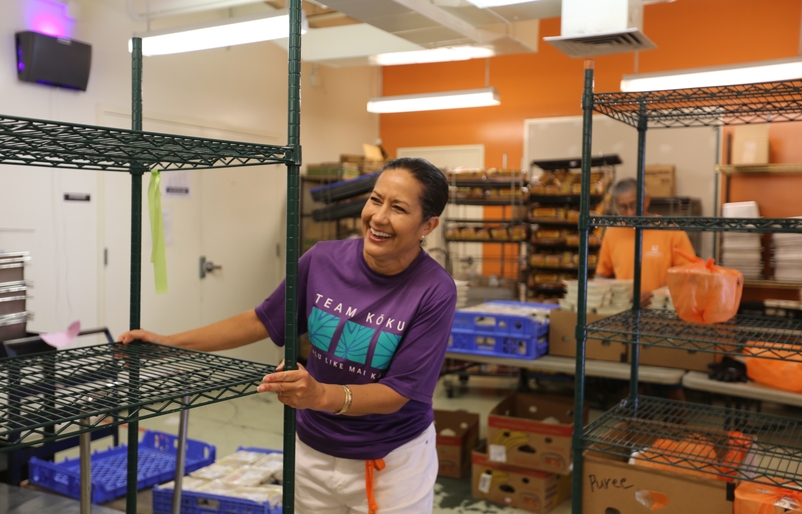
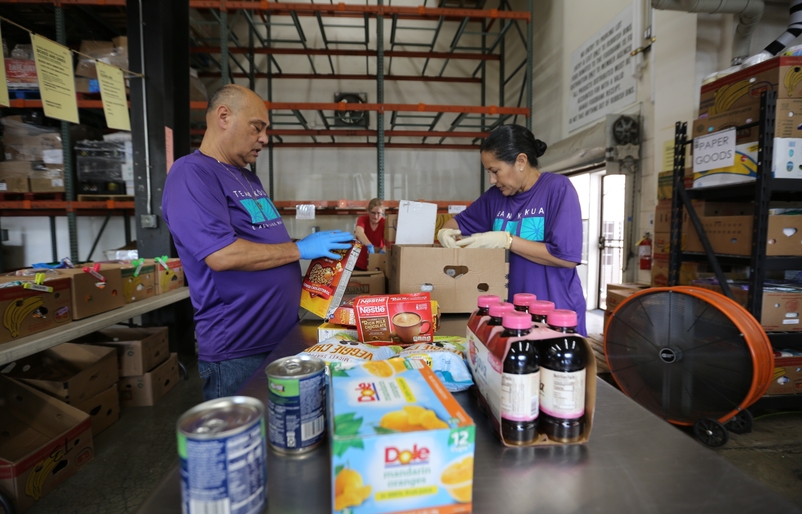
Team Kōkua recently helped Lanakila Meals on Wheels prepare and deliver food for O‘ahu's kūpuna.
Team Kōkua has remained steadfast in helping local partner organizations, including Lanakila Meals on Wheels and Hawaii Foodbank, maintain critical services to our most vulnerable neighbors.
Caring for Our Kūpuna with Lanakila Meals on Wheels
Lanakila Meals on Wheels prepares and delivers some 30,000 nutritious meals each month to over a thousand kūpuna (elderly) statewide.
Their services have become increasingly important to kūpuna who are at a greater risk of health complications from COVID-19 and rely on the organization’s food aid.
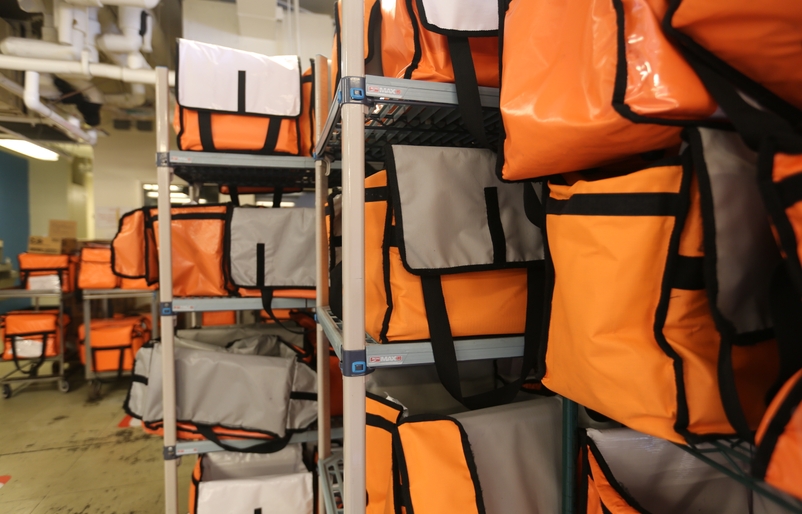
Insulated bags packed with food ready to be delivered to kūpuna on O‘ahu.
“There’s so much value in giving back to a place like Lanakila, whose whole impetus started in 1939,” said Nākānelua-Richards. “It’s incredible to think about the origins of our organizations and how we were around at the same time. Being able to come together during challenging times is a true reflection of our strong relationship.”
“I started delivering for Lanakila Meals on Wheels in 2017 with my daughter Chloe’s school,” said Rhonda Matthews, senior director of human resources at Hawaiian Airlines. “We continue to volunteer because the relationships we have with the kūpuna we deliver to means so much to us. It’s nice to see the purple Team Kōkua T-shirts sprinkled throughout Lanakila.”
Rhonda Matthews and her daughter Chloe preparing to deliver a packaged meal to a Lanakila Meals on Wheels family.
Matthews recently joined Team Kōkua with home deliveries, driving through O‘ahu neighborhoods as her daughter reads off the names and addresses of the day’s recipients from the backseat. At each stop, they carry the carefully packaged meals from their car to each kupuna's doorsteps.
Clayton Arakawa, home delivery supervisor at Lanakila Meals on Wheels, recalls that “Hawaiian Airlines has always been there.”
Debbie Nākānelua-Richards pictured during a recent Team Kōkua event at Lanakila Meals on Wheels.
Reflecting on the community’s longtime support of his group, he says he enjoys seeing volunteer relationships grow stronger.
“They literally become family. We have regular Saturday, Tuesday and Thursday groups, and they have a lot of fun doing it. They become a community of friends,” Arakawa said. “You also see mothers and daughters delivering, husbands and wives, and they build excellent relationships with these kūpuna. And most times, for these kūpuna, the highlight of their day is seeing these volunteers.”
Helping Local Families with the Hawaii Foodbank
The Hawaii Foodbank has spent the last 35 years ensuring that no one in Hawaiʻi goes hungry, and its role has become even more critical as the COVID-19 economic fallout impacts communities statewide. Last year the Hawaii Foodbank distributed about one million pounds of food per month, reaching one in eight families throughout Hawaiʻi. However, Marielle Terbio, director of community engagement and volunteer at Hawaii Foodbank, says the number has gone up and will continue to grow.
Hawaii Foodbank has expanded their safety rules, which now prioritizes social distancing and the use of personal protection equipment to protect volunteers and beneficiaries.
“For me, the mission was very important,” Terbio said. “I grew up in a single-parent household, low-income family, and that’s primarily who Hawaii Foodbank serves. We see Hawaiʻi as one ʻohana.”
“We’ve seen an uptick in the food that’s going out,” she explained. "Many people in the community have lost or are at risk of losing their job, and some aren't even able to work because they are caring for their keiki who are not at school or family members who are sick."
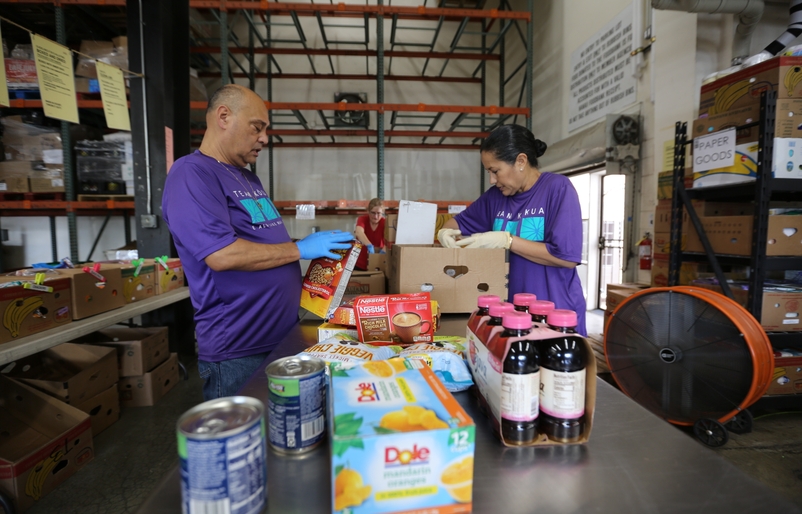
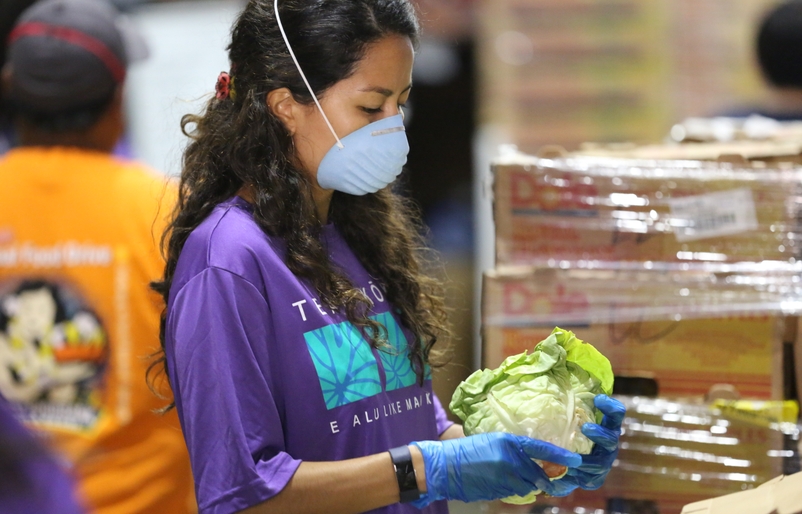
Team Kōkua volunteers helping sort fresh produce before it gets distributed to local families.
In response to the nonprofit’s growing needs, Team Kōkua has spent some 134 hours helping Hawaii Foodbank staff sort food inventory over the past two weeks. Together, over 50 volunteers organized an influx of food donations including produce, canned goods, and bread, for families facing hardship.
“I really appreciate their sincere want to kōkua and willingness to do what it takes to fulfill the mission, their reliability, and most importantly, that they do it with a smile,” Terbio said.
Elisa Asato helping pack food while volunteering at the Hawaii Foodbank.
After helping sort produce at a recent volunteer shift, Elisa Asato, marketing promotions specialist at Hawaiian Airlines, said, “I am lucky that I get to volunteer because I know that there are people out there who cannot help at this time. There’s a lot of uncertainty in the world, so if I can make someone laugh, it helps to brighten up everyone’s day. The saying is true, ‘A smile goes a long way.’”
Giving back in times like these is vital, Asato added. “It’s so important that we continue to help nonprofit organizations like Lanakila Meals on Wheels and Hawaii Foodbank when we’re able to,” she said. “Even dedicating a few hours of your time to help can make a huge difference.”
Learn more about our Team Kōkua Giving Program here. If you're interested in volunteering alongside our employees, click here for Hawaii Foodbank opportunities and here for Lanakila Meals on Wheels.
Hawaiian Airlines to Support Medical Workers with Complimentary Neighbor Island Flights
HONOLULU – Hawaiian Airlines will provide complimentary Neighbor Island flights for medical professionals during the month of April to support travel associated with COVID-19 response efforts. The airline is partnering with Hawai‘i’s leading healthcare providers to maintain and facilitate the delivery of critical medical services to communities statewide.
Partner organizations include the Hawaii Emergency Physicians Associated (HEPA), The Queen’s Health Systems, Kaiser Permanente Hawaii, Hawaii Permanente Medical Group, Hawai‘i Pacific Health, and Diagnostic Laboratory Services Inc.
Hawaiian today also announced a new flight schedule designed to provide vital Neighbor Island connectivity in April, during the state of Hawai‘i’s 14-day self-quarantine requirement for interisland passengers, except for those considered by the government to be traveling for essential work or needs.
“This virus has presented an unprecedented test for all of us who call Hawai‘i home, and we are glad to be able to support the exceptional and important work our medical providers are carrying out across our islands each day to meet our state’s healthcare needs and help us overcome this challenge,” said Hawaiian Airlines President and CEO Peter Ingram.
“Mahalo to Hawaiian Airlines for your leadership and support during this critical time,” said Jill Hoggard Green, president and CEO, The Queen’s Health Systems. “This extraordinary gesture of aloha will allow our physicians, nurses and staff to continue to provide essential, innovative and compassionate care where it is needed most, and to help our communities stay safe.”
“The doctors of Hawaii Emergency Physicians Associated appreciate Hawaiian Airlines facilitating us travelling to Critical Access Hospitals across the state and particularly to isolated communities on Moloka‘i and Kaua‘i,” said HEPA President Dr. Craig Thomas and Vice President of Operations Dr. Katherine Heinzen Jim, whose physician-owned group consists of 100-plus board-certified physicians. “Without your kōkua we would be unable to care for our communities. Mahalo nui loa.”
Effective April 4, Hawaiian will be providing a total of 16 daily roundtrip flights with Boeing 717 aircraft between Honolulu (HNL) on O‘ahu and Hilo (ITO) and Kona (KOA) on the Island of Hawai‘i, Kahului (OGG) on Maui, and Līhu‘e (LIH) on Kaua‘i. For travelers not originating in or bound for O‘ahu, the schedule was carefully created to offer three daily roundtrips via HNL to all Neighbor Islands.
The airline will also keep serving both Moloka‘i and Lāna‘i from Honolulu with ATR-42 aircraft operated by ‘Ohana by Hawaiian, which is also providing all-cargo service with ATR-72 aircraft carrying critical goods statewide.
Details on Hawaiian’s revised schedule are available here.
In the meantime, Hawaiian has suspended service between HNL and Pago Pago (PPG) for at least 30 days at the request of the American Samoan government which is seeking to prevent the spread of COVID-19. The airline, which is pausing once-weekly service through at least April 23, remains in close contact with the U.S. territory and stands ready to resume flights as soon as permitted to do so.
For more information about how Hawaiian is supporting travelers and communities during the COVID-19 pandemic, please visit the carrier’s COVID-19 hub.
About Hawaiian Airlines
Hawaiian Airlines, Inc. is a subsidiary of Hawaiian Holdings, Inc. (NASDAQ: HA). Additional information is available at HawaiianAirlines.com. Follow Hawaiian’s Twitter updates (@HawaiianAir), become a fan on Facebook (Hawaiian Airlines), and follow us on Instagram (hawaiianairlines). For career postings and updates, follow Hawaiian’s LinkedIn page.
For media inquiries, please visit Hawaiian Airlines’ online newsroom.
Looking for a change of scenery? Download our destination Zoom backgrounds
If you’re dreaming of transporting yourself to your favorite destination during a Zoom meeting, we’ve got you covered!
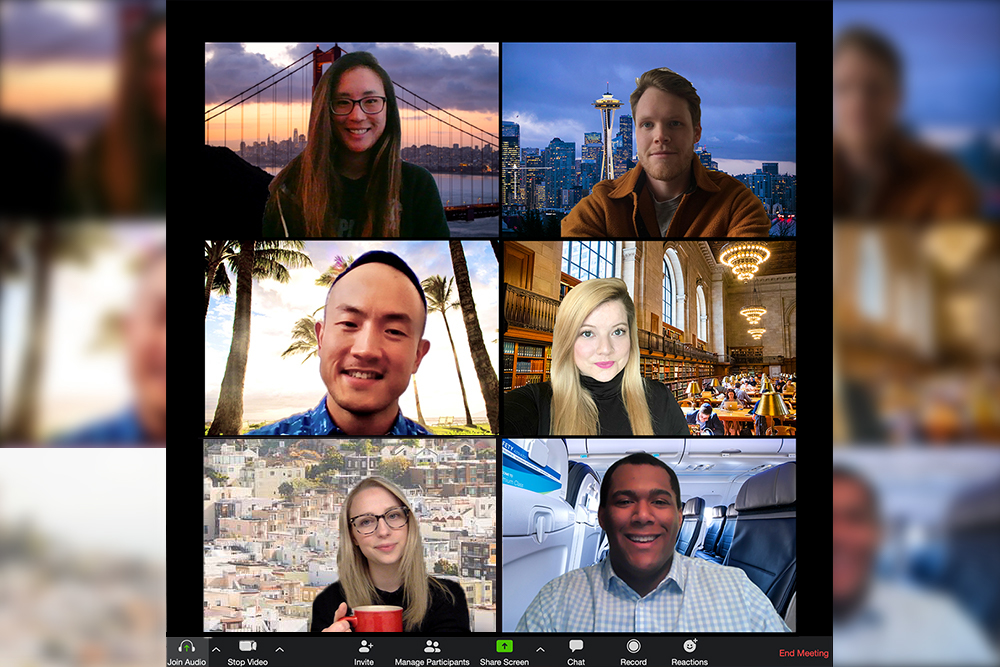
Below, you’ll find some amazing photos to download and use as a background for your next video call. If you don’t use Zoom, feel free to just save your favorites as travel inspiration.
Make one of these destinations your Zoom background in 3 easy steps:
Download and save your favorite pictures from the blog.
In Zoom, find the arrow next to the camera icon and click “choose virtual background” OR go to Preferences/Settings > Virtual Background.
Upload the picture you downloaded! Ta-da! A Zoom with a view!
If you’re still having issues uploading a background, please visit the Zoom Help Center.
Right click to save our backgrounds!
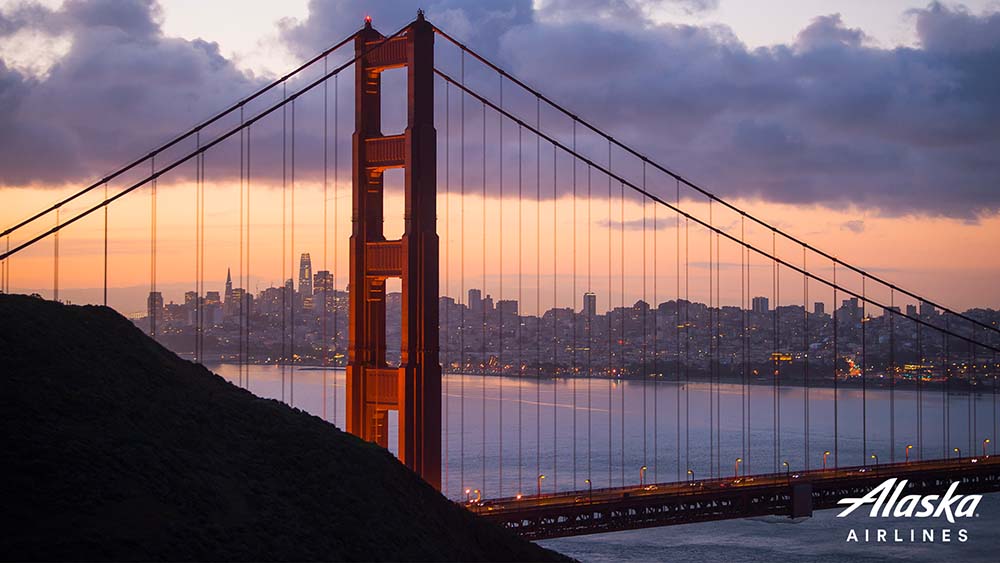
San Francisco, CA
San Francisco, CA – Golden Gate Bridge
Paso Robles, CA – Broken Earth Winery
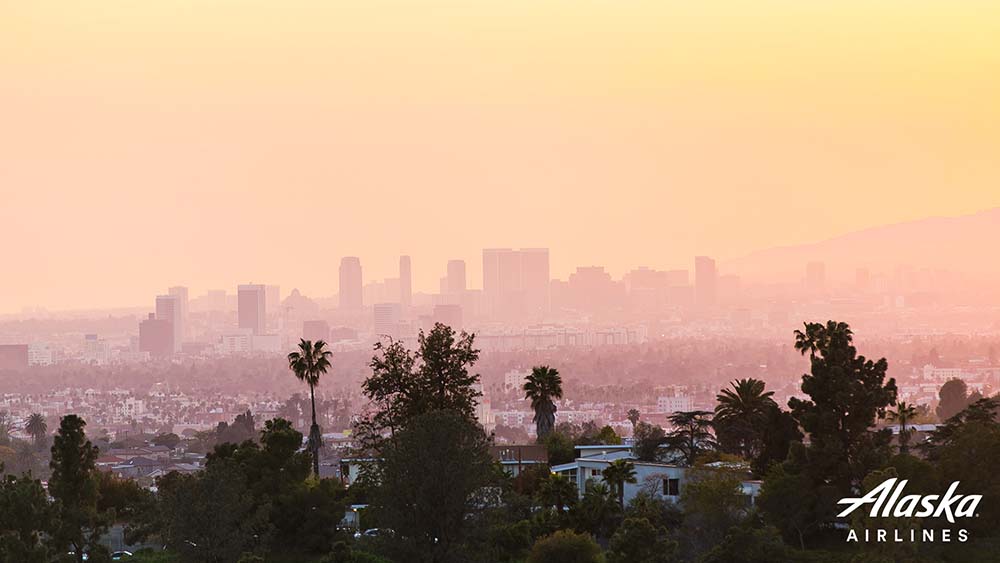
Los Angeles, CA
Los Angeles, CA – LACMA
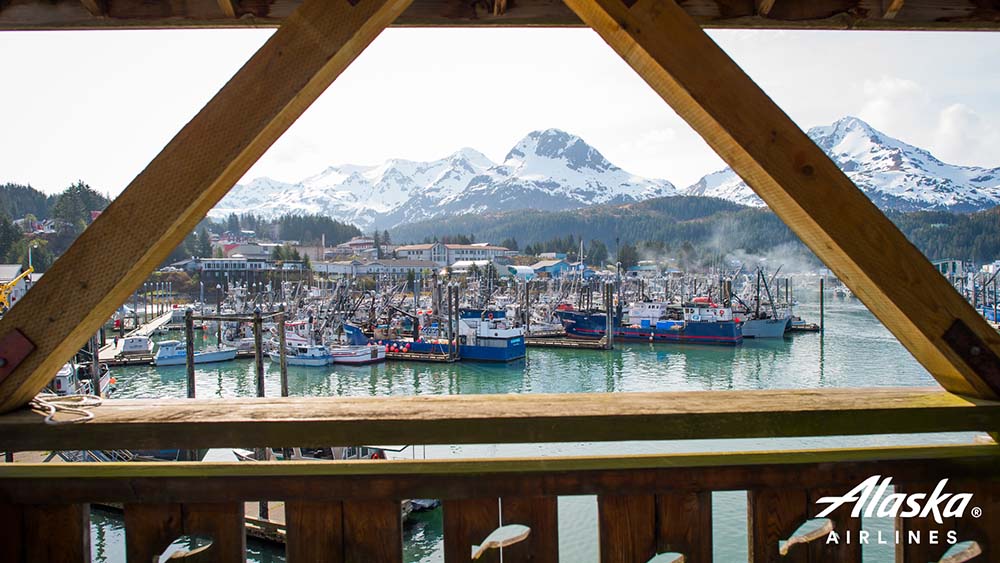
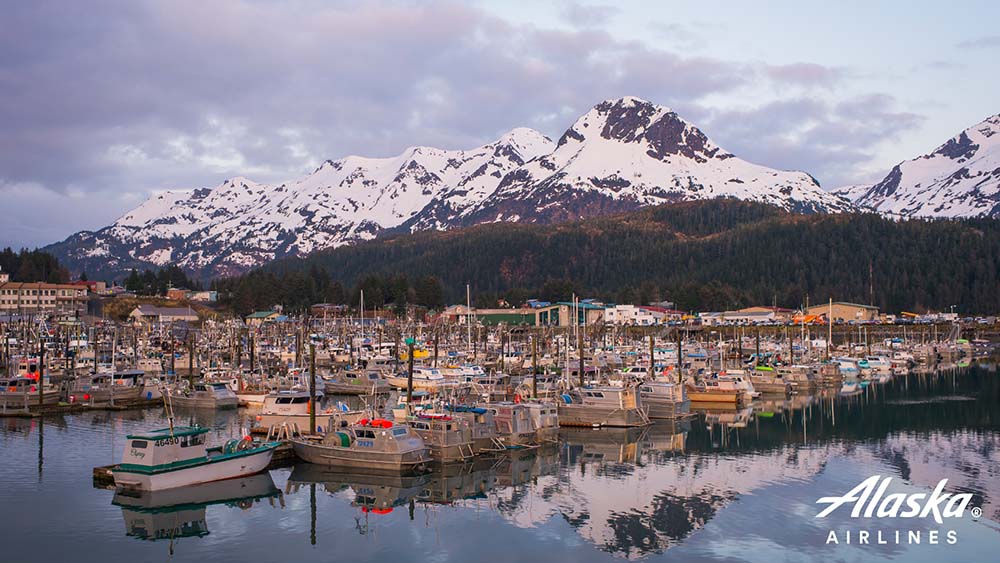
Cordova, AK
Cordova, AK – Glacier
Cordova, AK – Fishing wharf
35,000 feet in the clouds
Dallas
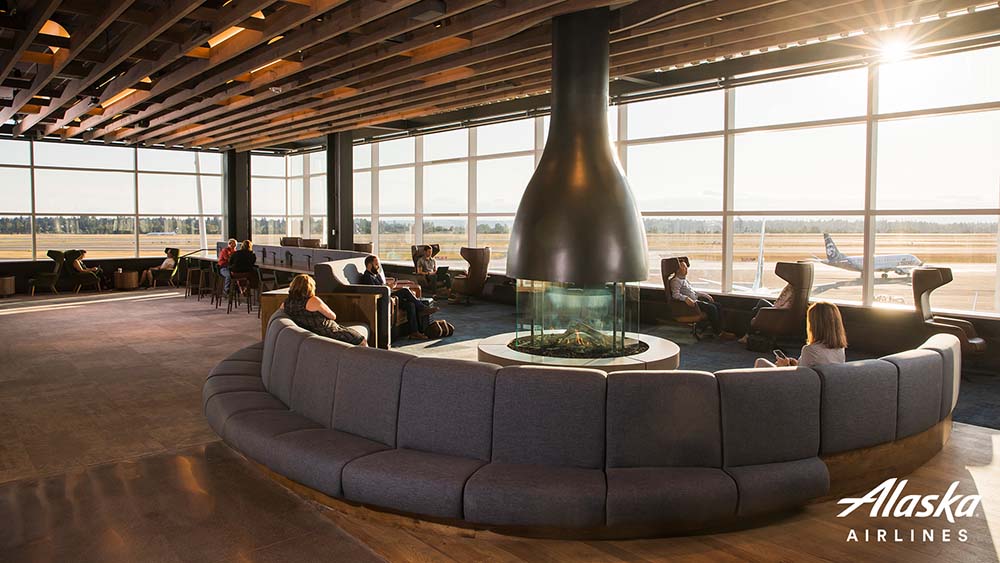
Sea-Tac Airport – Alaska N Lounge
Alaska N Lounge – Barside
Maui, HI
New York, NY
New York Public Library
Williamsburg, NY
Oahu, HI
Oahu, HI – Beachside
Oregon Coast
Palm Springs, CA
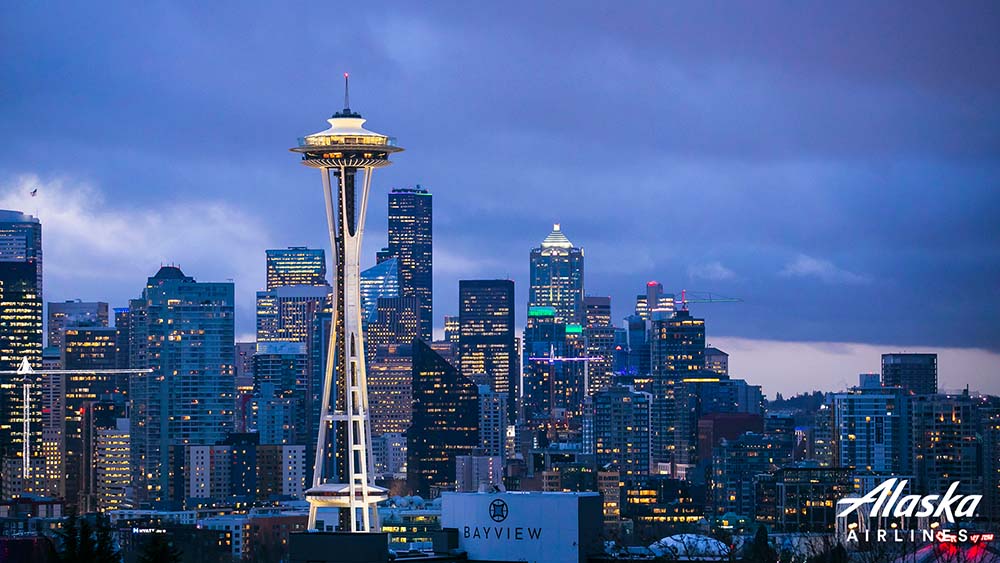
Seattle, WA
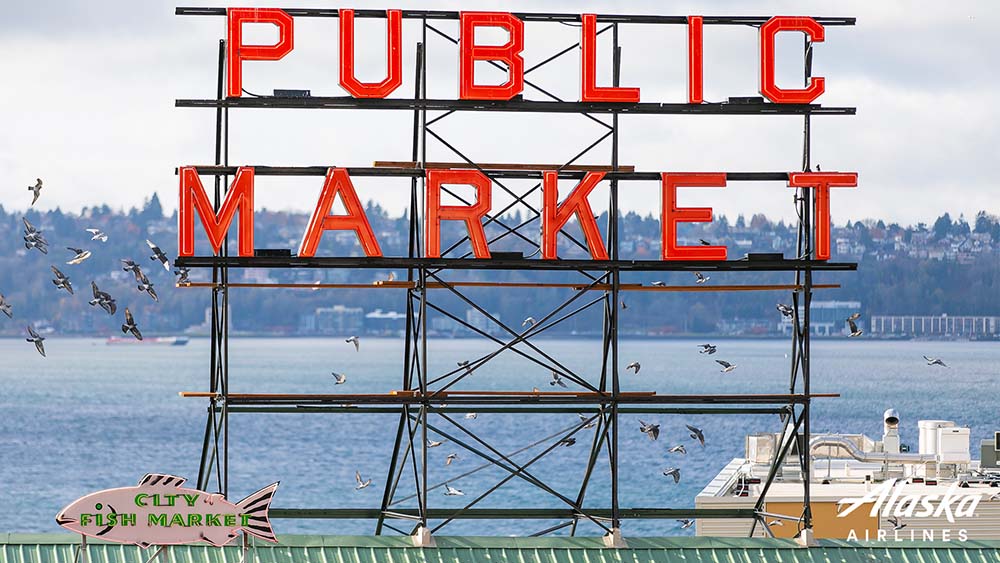
Seattle, WA – Pike Place Market
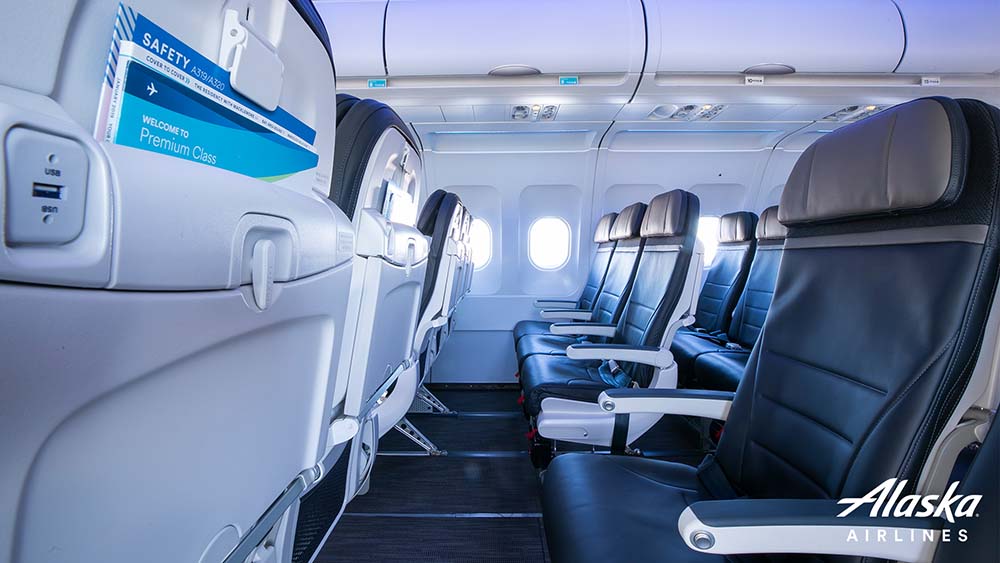
Alaska Airlines Premium Class
Steamboat Springs, CO
Zihuatanejo, Mexico – Poolside
Zihuatanejo, Mexico
Hawaiian Airlines Focuses on Critical Flights, Cargo Services as it Further Adjusts Network
*UPDATE: Effective March 27, Hawaiian is temporarily stopping flights between Honolulu and Pago Pago for at least 30 days at the request of the American Samoa government.
HONOLULU – Hawaiian Airlines is reducing its April flight schedule due to the COVID-19 pandemic with a commitment to continue offering its guests and cargo customers essential service within the Hawaiian Islands and between Hawai‘i and California and the U.S. territory of American Samoa. The airline will maintain a reduced but still robust schedule of Neighbor Island flights, while bolstering all-cargo service to ensure goods continue to reach communities statewide. “As Hawai‘i’s airline, we understand that our operation is essential to the state. We serve both guests who rely on us for important travel and the transportation of critical cargo," said Hawaiian Airlines President and CEO Peter Ingram. “This has been the hallmark of our mission for 90 years and our dedication to our guests remains unchanged as we look to overcome this global crisis together.” Starting Sunday, Hawaiian’s long-haul transpacific network will consist of one daily nonstop flight between Honolulu (HNL) and Los Angeles (LAX) and San Francisco (SFO), and one weekly flight connecting Hawai‘i to its Pacific island neighbor of Pago Pago, American Samoa (PPG).* All routes will be operated with wide-body Airbus A330 aircraft. The California routes present cargo opportunities to help maintain service for shippers affected by the reduction in passenger flights due to the state of Hawai‘i’s mandatory 14-day quarantine for overseas arrivals starting tomorrow in an effort to prevent the spread of COVID-19. The HNL-PPG route maintains vital service for the territory of American Samoa. Guests traveling on Hawaiian’s Neighbor Island network will continue to enjoy convenient options throughout the day with 41 daily roundtrip flights scheduled for April. From Honolulu there will be 38 daily flights, including 13 to Maui, eight to Kona, seven to Kaua‘i, six to Hilo, and two each to Lāna‘i and Moloka‘i. From Maui there will be one roundtrip each to Hilo, Kaua‘i and Kona in addition to Honolulu service. Hawaiian’s schedule reductions for April resulted from the state of Hawai‘i’s quarantine entry restriction and the ensuing drop off of travel to and from the islands. Hawaiian is operating its regularly scheduled long-haul flights through today before it begins suspending routes tomorrow. Meanwhile, Hawaiian has expanded interisland cargo service to facilitate the movement of essential goods ranging from food to medical equipment and machinery. On March 3, a fleet of all-cargo ATR-72 aircraft operated by ‘Ohana by Hawaiian began offering flights five days a week between Honolulu and Kahului (OGG) on Maui and Kona (KOA) on the western coast of the Island of Hawai‘i. The new routes add to all-cargo service launched in summer of 2018 between HNL and Līhu‘e (LIH) on Kaua‘i and Hilo (ITO) on the eastern coast of the Island of Hawai‘i. Hawaiian also utilizes its Boeing 717 passenger fleet to carry critical, time-sensitive cargo like pharmaceuticals and Blood Bank of Hawai‘i shipments. Hawaiian is still experiencing an unprecedented volume of calls from guests and respectfully asks that only those with immediate travel needs contact the airline for assistance. Options to reach Hawaiian’s reservations team, to make online changes to tickets, and to see a list of travel waivers are available at Hawaiian’s COVID-19 hub. The airline also explains how it is keeping employees and guests safe by disinfecting aircraft and airport spaces, modifying boarding processes to prevent congestion at the gate, and adjusting in-flight services such as by distributing disposable sanitizing wipes.
About Hawaiian Airlines
Hawaiian Airlines, Inc. is a subsidiary of Hawaiian Holdings, Inc. (NASDAQ: HA). Additional information is available at HawaiianAirlines.com. Follow Hawaiian’s Twitter updates (@HawaiianAir), become a fan on Facebook (Hawaiian Airlines), and follow us on Instagram (hawaiianairlines). For career postings and updates, follow Hawaiian’s LinkedIn page.
For media inquiries, please visit Hawaiian Airlines’ online newsroom.
Hawaiian Airlines to Suspend Most Long-Haul Passenger Service Due to New State of Hawai‘i Quarantine Order
HONOLULU – Hawaiian Airlines, in preparation for a 14-day government quarantine order for all Hawai‘i arrivals set to begin Thursday due to the COVID-19 pandemic, today announced it will maintain its regular flight schedule through Wednesday to allow guests to return home and to accommodate the repatriation of aircraft before finalizing significant reductions of its domestic and international passenger network.
“Hawai‘i is our home and all 7,500 of us at our company care deeply for it,” Hawaiian Airlines President and CEO Peter Ingram said after Hawai‘i Gov. David Ige announced the quarantine plan yesterday afternoon. “We support the state of Hawai‘i’s efforts to quickly contain this illness. We have begun notifying our guests and helping them return home – both to Hawai’i and from Hawai’i. We sincerely appreciate our guests’ patience and understanding during this difficult period for Hawaiian and the state of Hawai’i.”
The airline, which has begun notifying guests about the quarantine rule, has restricted passenger bookings on its network while it finalizes its April schedule. Hawaiian is committed to providing one daily nonstop flight between Honolulu (HNL) and Los Angeles (LAX) and its Thursday flight between HNL and American Samoa (PPG) in order to provide a baseline of out-of-state access. The airline will evaluate its transpacific cargo network and may provide passenger access on any additional flights for travelers willing to undergo the mandated self-imposed quarantine.
Hawaiian will also be reducing its Neighbor Island schedule – starting with the suspension of ‘Ohana by Hawaiian service between Honolulu and Kapalua in West Maui effective Wednesday – but intends to maintain a network that will continue to provide vital connectivity for guests traveling within the state. Interisland cargo service will continue uninterrupted using Boeing 717 jets and a turboprop fleet operated by ‘Ohana by Hawaiian.
Hawaiian continues to experience an unprecedented volume of calls from guests and respectfully asks that only those with immediate travel needs contact the airline for assistance. Options to reach Hawaiian’s reservations team, make online changes to tickets, and details on available travel waivers are available here.
“As Hawai’i’s airline, we take our role to connect the islands with each other and with the U.S. mainland very seriously. This schedule is designed to maintain a minimum level of connectivity for residents’ important needs,” said Ingram. “We will be ready to resume our schedule when the quarantine has been lifted.”
About Hawaiian Airlines
Hawaiian Airlines, Inc. is a subsidiary of Hawaiian Holdings, Inc. (NASDAQ: HA). Additional information is available at HawaiianAirlines.com. Follow Hawaiian’s Twitter updates (@HawaiianAir), become a fan on Facebook (Hawaiian Airlines), and follow us on Instagram (hawaiianairlines). For career postings and updates, follow Hawaiian’s LinkedIn page.
For media inquiries, please visit Hawaiian Airlines’ online newsroom.
Like you, we feel that getting where you need to go should be hassle-free and enjoyable. And yet, in these uncertain times, travel changes and cancellations have become the norm. But there is one thing you can absolutely count on: we care about you 24/7.
Alaska Airlines reservation agents are a constant and dependable source of reassurance and help when we need it most. Our employees have been working around the clock, many working overtime, handling an unprecedented amount of phone calls and social-media messages – the volume of guest outreach has been 200% higher than normal.
“Although we are happy to talk with you, the online service is there to help save you time during the highest call volumes ever seen,” says Reservation Agent Amanda.
To avoid longer wait times, please contact us only if you have travel in the next 72 hours. Pro tip: you can always change or cancel your travel online.
Glicel is a Seattle-based reservation agent and has worked for Alaska Airlines for 2 years.
Glicel, Reservation Agent
She moved to Washington state from the Philippines in 2005. She loves to travel (her favorite destination is of course the Philippines). When she’s not working, she likes to spend time with family and friends, playing with make up and volunteering at her son’s school.
How do you begin your work day?“I always have a quote in front of me, ‘Start a day with a grateful heart’. Isay it out loud before the start of every shift.” She says her day is also filled with black coffee and matcha green tea (only from Japan).
What your favorite part about your job?“Being kind. It goes a long way. You can brighten up someone else’s’ day with just one act of kindness.”
Tylor
Tylor is a reservation agent based in Boise and has been with Alaska Airlines for 1.5 years.
Tylor, Reservation Agent
How has work been for you lately & what advice do you have for our guests? “The increase in calls has been tough, but we are committed to helping each and every guest with their concerns,” he says. “My advice for guests who want to change their travel is the website is your best friend!” Tylor says changing your travel online is much easier, quicker these days due to larger call volumes.
What has been getting your through the busy days? “I really lean on my colleagues at a time like this. Even though we all work remotely, the communication and encouragement we get each and every day helps.”
Amanda
Amanda is based in Seattle and has been a reservation agent at Alaska Airlines for 2 years 8 months, 1 week, and 2 days – she’s been counting 😉
Amanda, Reservation Agent
Amanda is a single mom who loves working for Alaska Airlines. She enjoys being able to work from home and take her dogs for a walk on her breaks to breathe, and get some fresh air.
Her advice: “Try online first,” she says if you’re looking to change or cancel your travel plans. “The online system works well and if you want to change or cancel the reservation the system is correct in telling you what it can offer.” She says it also saves your time waiting for an agent and can be done in minutes.
How she keeps her wits: “I drink a lot of coffee and water and try to get enough sleep,” she says. “I also lean on a couple of group agents I went to training with as we help support each other when we need to vent. We truly celebrate our successes and struggles, and even our failures together.”
Sara
Sara is a reservation agent based in Phoenix and has been with Alaska Airlines for 3.5 years.
Sara, Reservation Agent
Do you have a mantra? “I believe that sharing smiles and laughter with our guests, definitely sets the tone for good calls. We are all real people and not robots, which our guests really appreciate.”
What keeps you going? “I drink water and snack on popcorn most days,” she says. “I’ve also been going on hikes, listening to tunes, and chasing sunsets after work.”
—
From all of us at Alaska, we hope you and your loved ones are staying safe, healthy and happy during this unprecedented time.
This Q&A originally published March 20 – The question related to wearing a mask was updated June 17.
We know that the HEPA filters in Alaska Airlines aircraft are robust and effective at filtering many pathogens from the air. But does this coronavirus float around in the air?
At this time, there is no evidence that the virus floats in the air leading to infection farther away. Current understanding about how the virus that causes coronavirus disease 2019 (COVID-19) spreads is largely based on what is known about similar coronaviruses. The virus is thought to spread mainly from person-to-person.
Between people who are in close contact with one another (within about 6 feet).
Through respiratory droplets produced when an infected person coughs or sneezes.
It may be possible that a person can get COVID-19 by touching a surface or object that has the virus on it and then touching their own mouth, nose, or possibly their eyes, but this is not thought to be the main way the virus spreads. The virus is fragile and does not live long on surfaces.
If I travel, what are some things I can do to prevent getting sick?
Great question! Probably the most important thing you can do to prevent getting sick while traveling is to wash your hands frequently. This means washing your hands not only before eating and after using the bathroom, but also multiple times throughout the day. Another helpful recommendation is to wipe down high touch surfaces, like tray tables and arm rests.
Are children or older adults more susceptible to the virus that causes COVID-19 compared with the general population?
There is a lot more to learn about this virus but so far it looks like it doesn’t peer to be very harmful for children. For most healthy adults this infection may be more like the flu. At the same time, it does seem to be much more dangerous for older adults and people who have medical issues with their hearts, lungs and kidneys or who may be immunosuppressed.
How effective is wearing a mask?
The CDC,who advise the country on public health,recommends wearing cloth face coverings in public settings where other social distancing measures are difficult to maintain, such as grocery stores, pharmacies, and gas stations. Read more
Meet our doctors:
John Lynch, M.D., M.P.H., is a board-certified physician and medical director of Harborview’s Infection Control, Antibiotic Stewardship and Employee Health programs. Dr. Lynch is also a UW associate professor of Medicine and Allergy and Infectious Diseases. He earned his M.D. and M.P.H. from the University of Washington. He conducts research on healthcare-associated infections. At the UW School of is a board-certified physician and medical director of Harborview’s Infection Control, Antibiotic Stewardship and Employee Health programs. Dr. Lynch is also a UW associate professor of Medicine and Allergy and Infectious Diseases. He earned his M.D. and M.P.H. from the University of Washington. He conducts research on healthcare-associated infections. At the UW School of Medicine.
Chloe Bryson-Cahn, MD has a master’s degree from the University of Washington School of Public Health and graduated from Temple University Lewis Katz School of Medicine. She completed a residency at UCLA Medical Center and currently practices at Harborview Medical Center in Seattle, WA.
Hawaiian Airlines Consolidating Check-in Operations in Honolulu
HONOLULU – Hawaiian Airlines is temporarily centralizing its entire check-in operations at Honolulu's Daniel K. Inouye International Airport (HNL) to Lobbies 2 and 3 in Terminal 1 beginning March 20.
Effective tomorrow, guests checking in for Hawaiian’s international flights will use Lobby 3, while guests on North America and Neighbor Island flights will check-in at Lobby 2.
The airline, which has been using Lobby 4 at Terminal 2 to check-in travelers to Japan, is temporarily vacating that space as it adjusts operations in response to declining travel demand caused by the COVID-19 pandemic.
“We appreciate our guests’ patience and understanding as we navigate this extremely dynamic situation,” said Jeff Helfrick, vice president of airport operations at Hawaiian Airlines. “Consolidating our check-in operations allows us to continue offering the best guest experience to our guests while we adjust our network in the near term.”
Road signage reflecting the changes will be in place Friday morning.
To ensure the health and safety of employees and guests, hand sanitizers have been made more broadly available throughout Hawaiian’s airport lobbies and offices. Self-service check-in kiosks and check-in counters are frequently cleaned and disinfected, and Hawaiian has partnered with the Hawaii State Department of Transportation to ensure hand sanitizers are readily available to travelers throughout HNL and at its airports statewide. Please visit https://www.hawaiianairlines.com/coronavirus to learn more.
About Hawaiian Airlines
Hawaiian Airlines, Inc. is a subsidiary of Hawaiian Holdings, Inc. (NASDAQ: HA). Additional information is available at HawaiianAirlines.com. Follow Hawaiian’s Twitter updates (@HawaiianAir), become a fan on Facebook (Hawaiian Airlines), and follow us on Instagram (hawaiianairlines). For career postings and updates, follow Hawaiian’s LinkedIn page.
For media inquiries, please visit Hawaiian Airlines’ online newsroom.
There’s no place like home: Alaska Airlines employees rally to help our guests fly
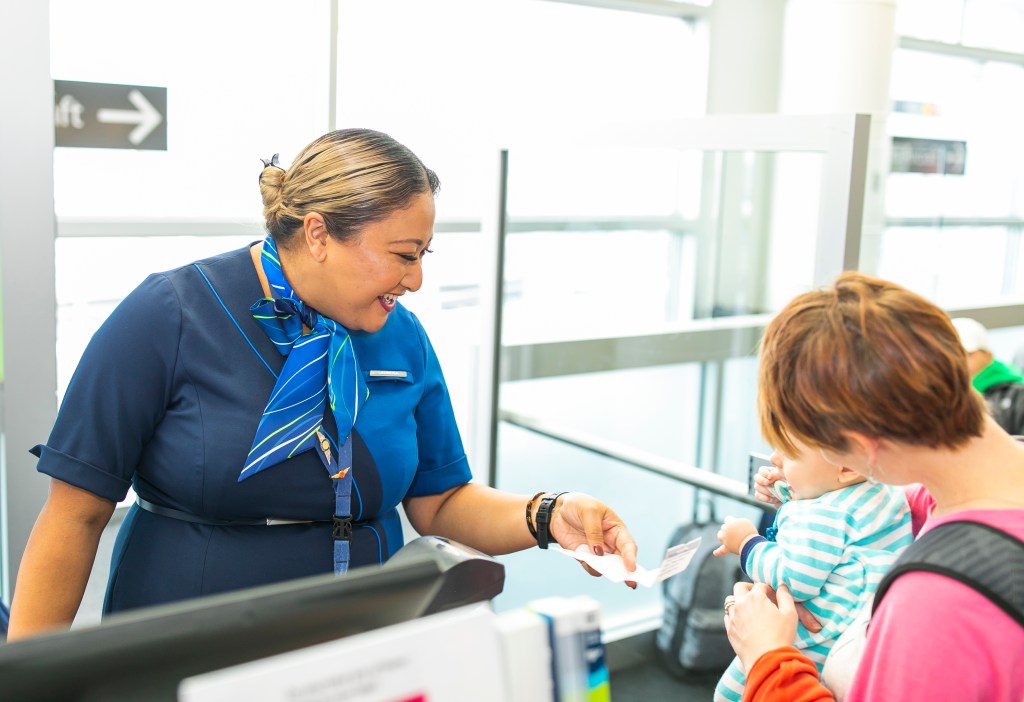
Over these recent tumultuous weeks, tens of thousands of guests have reached out to Alaska Airlines and Horizon Air for help with travel. Whether guests needed to reschedule long-awaited trips or were looking for guidance on how Alaska is keeping guests and employees safe from the novel coronavirus as they travel, our teams have worked hard to give their support. We’re in it together and are here for you.
Most guests are simply trying to find the best way home.
Our employees have been working around the clock, handling an unprecedented amount of phone calls and social-media queries. “It’s taken an all ‘hands-on-deck’ approach to deal with the increased volumes,” says Michael Roy, Alaska’s social-care program manager. He says the volume of requests has been 200% higher than normal. “Many of our agents have worked until midnight, only to wake up early the next morning to assist our guests.”
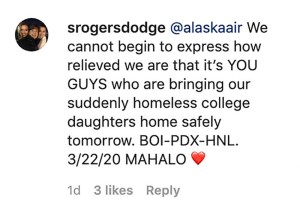
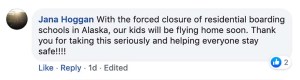
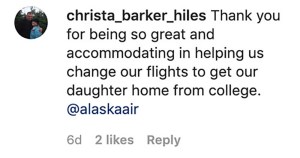
Our @AlaskaAir social care team is here for you 24/7. We love hearing from our guests when our team members get them where they need to go, especially when it’s home sweet home. Today, we’re sharing a few stories of instances where our remarkable teams helped people on their journeys.
San Francisco to Portland: “Going above and beyond: Our trainer, Maivan, deserves kudos for making sure a passenger who was traveling from overseas got back home to his family in Portland. She did her best to help him out and he was very happy. Total definition of the service framework. Go Maivan!”
Shared by Mary Ruth A., Alaska Airlines customer service agent, San Francisco, on March 16
Anchorage to Vancouver, B.C.: “Johnny from the Boise reservations team made it possible for a Croatian guest and two German guests on Canadian work visas to return from Anchorage to Vancouver, B.C., before emergency travel restrictions took effect in Canada. They had been dealing with weather delays on their journey among some other reservation snafus. Johnny’s work helped them get to Vancouver on time, and the guests were very appreciative. They would have had no way to get back to their jobs and homes in Canada had it not been fixed.”
Shared by Matt W., Alaska Airlines customer service agent, Anchorage, on March 16
Help during a crisis: “Alaska guest Vera sent an email sharing the amazing customer service she received from Daralyn L. in our reservations department. In Vera’s words: Daralyn was pleasant, knowledgeable and very helpful – and makes me want to support and use Alaska Airlines for my travel needs. I want to thank Daralyn and Alaska Air for taking care of me during a crisis situation.”
Shared by Karen U., Alaska Airlines customer care representative, Seattle, on March 19
San Francisco to Portland, Oregon: “My niece and I flew from SFO to PDX yesterday. Our flight attendant was Jose Antonio Ortiz. He was amazing! He’s such a treasure. He had us laughing and joking with him. It’s been a stressful few weeks for everyone and he made us forget that for a bit.”
Shared by Andre R., Alaska Airlines customer care representative, Seattle, on March 20





























 John Lynch, M.D., M.P.H.,