



8K filing: Alaska Airlines operational update (5/5)
Share
Share
Share
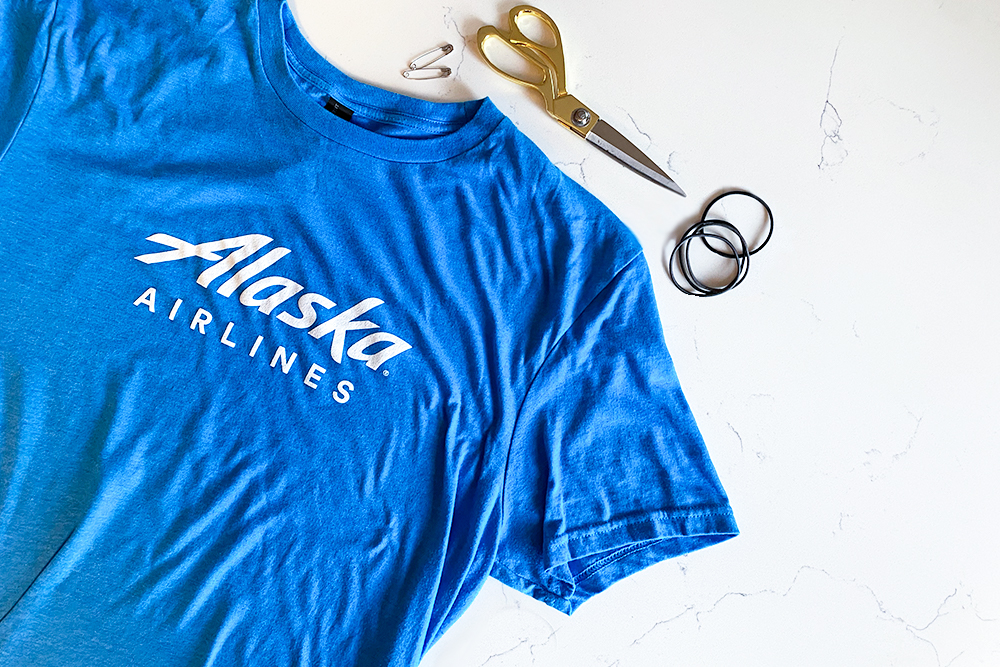
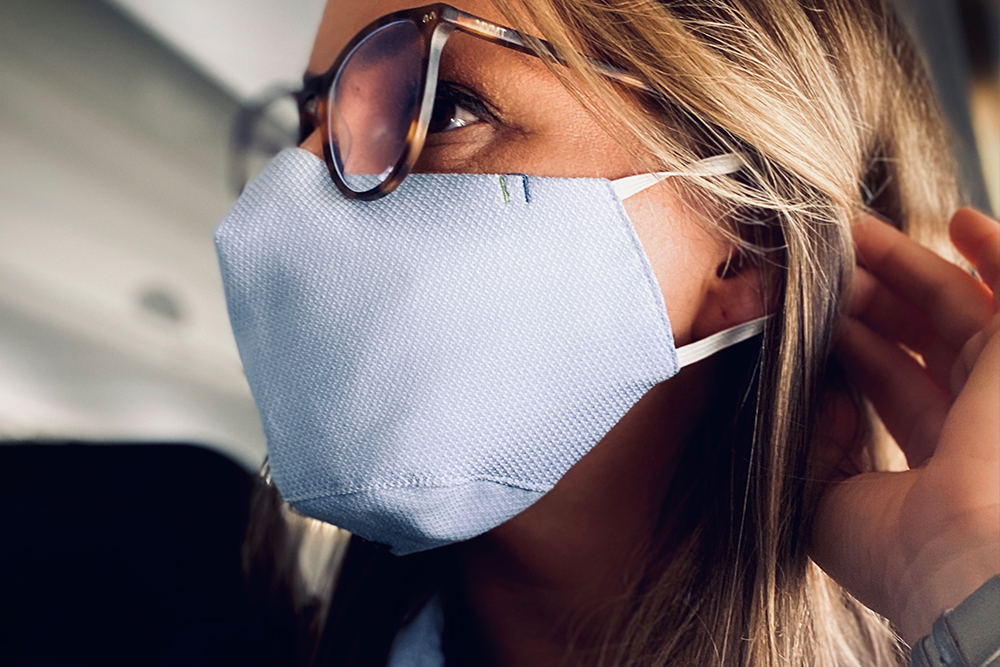
Last week, we announced guests will be expected to wear their own mask throughout the airport and flight experience starting May 11. To help with this, we tapped Seattle couture designer Luly Yang who’s behind our new uniforms, to show you how to make your own mask.
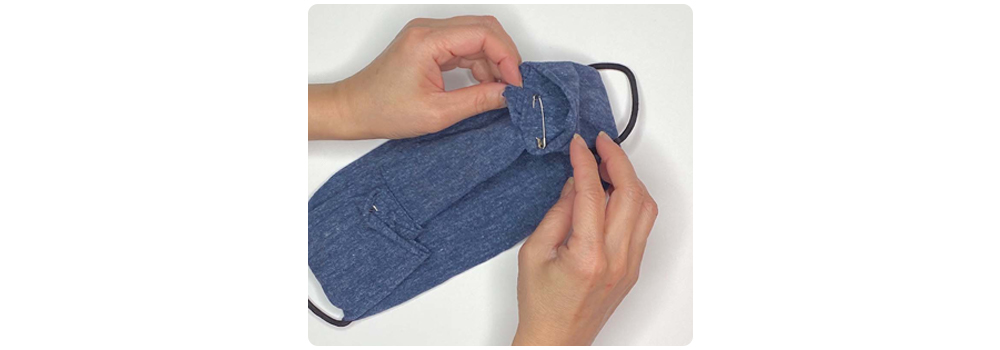
Luly’s got you covered with these simple steps below — no sewing machine necessary.
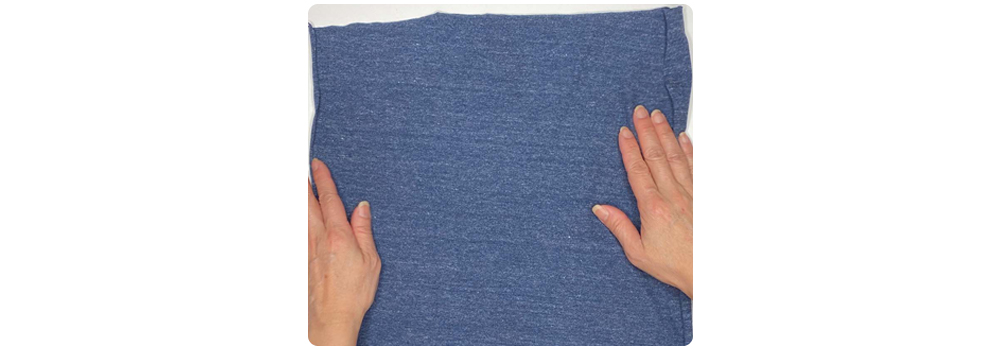
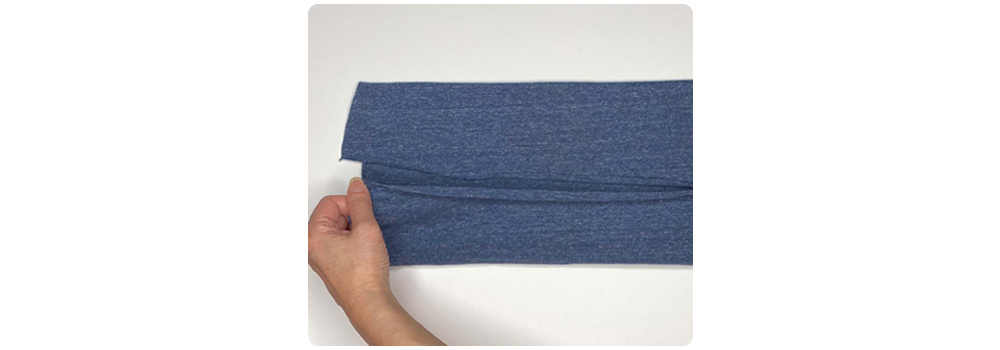


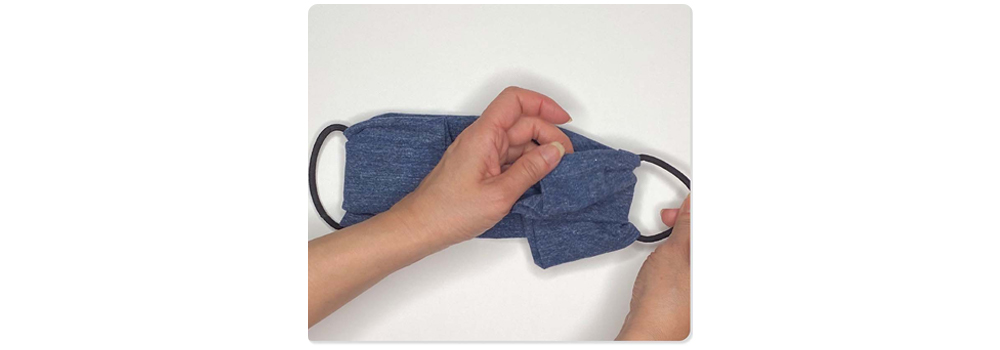
(Ensure that the pin does not show on the outer and inner-most layers.)
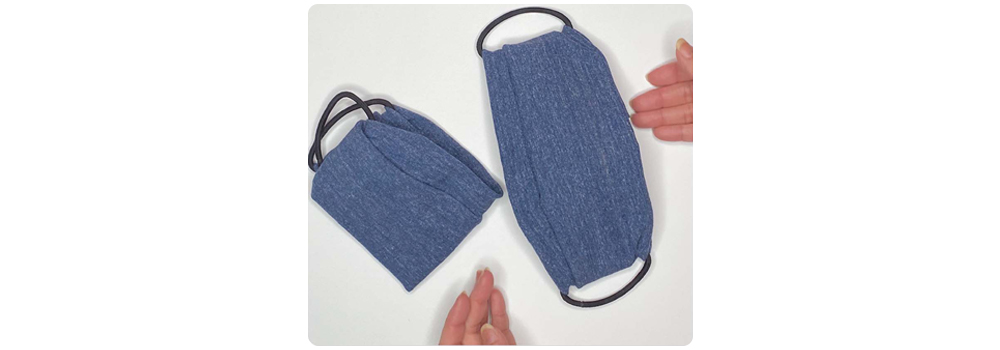
Once the mask is on, you can adjust the fit on your face by pulling the top and bottom slightly away from each other.

Want to sew your own mask? Try out Luly’s custom face mask pattern using this link.
Note: The Centers for Disease Control and Prevention advises: “the use of simple cloth face coverings to slow the spread of the virus and help people who may have the virus and do not know it from transmitting it to others. Cloth face coverings fashioned from household items or made at home from common materials at low cost can be used as an additional, voluntary public health measure.” – from the CDC website.
Share
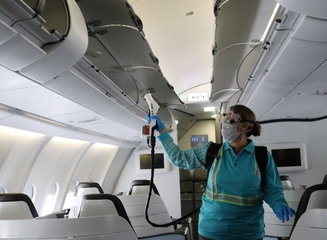
HONOLULU – Hawaiian Airlines is enhancing health measures throughout its system by requiring travelers to wear face coverings starting May 8 and creating more personal space at check-in, boarding and during the flight. The airline, whose airport employees and flight attendants already wear face masks, last month also began electrostatic spraying of cabins – a safe disinfecting technology that provides additional and effective protection against coronaviruses.
“Taking care of our guests and employees has always been our primary focus, and these new health measures will help us maintain a safe travel experience, from our lobbies to our cabins, as Hawai’i continues to make progress in containing COVID-19,” said Peter Ingram, president and CEO at Hawaiian Airlines. “We appreciate our guests’ understanding and flexibility as we adapt our operations with their wellbeing guiding every decision we make.”
Face Coverings
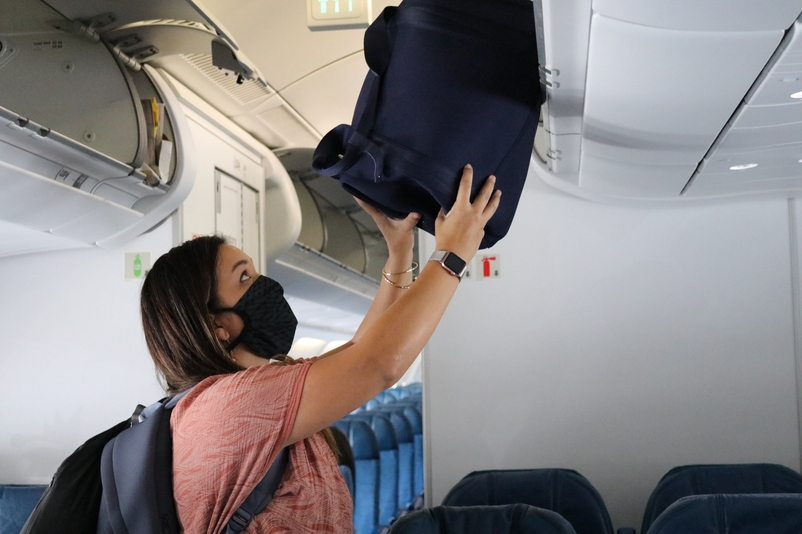
Effective May 8, Hawaiian’s guests will need to wear a face mask or covering that effectively covers the mouth and nose, from checking-in at the airport to deplaning at their destination. Young children unable to keep a face covering on or guests with a medical condition or disability preventing its use will be exempted from the policy.
More Personal Space
Hawaiian remains committed to maintaining more space between passengers at check-in, boarding and during the flight.
The airline will modify boarding as of May 8 by asking guests to remain seated at the gate area until their rows are called. Main Cabin guests will board from the rear of the aircraft, in groups of three to five rows at a time, and agents will pause boarding as needed to prevent congestion. Guests who require special assistance and those seated in First Class will be able to pre-board.
The airline, which has been manually assigning seats to increase personal space onboard, next week will begin blocking middle seats on its jets, adjoining seats on ATR 42 turboprop aircraft, and other, select seats to continue to provide more space for guests and flight attendants. Depending on load factors, seating may need to be adjusted at the gate to maximize spacing throughout the cabin and meet weight and balance restrictions.
Hawaiian will make efforts to seat families and guests traveling in the same party together, whenever possible, and encourages guests who prefer to sit together to contact the airline ahead of the flight or see an airport agent.
Keeping Our Spaces Clean
Last month, Hawaiian began using electrostatic spraying to comprehensively and evenly clean aircraft cabins with hospital-grade disinfectants, registered with the Environmental Protection Agency, that coat even hidden and hard-to-reach surfaces.
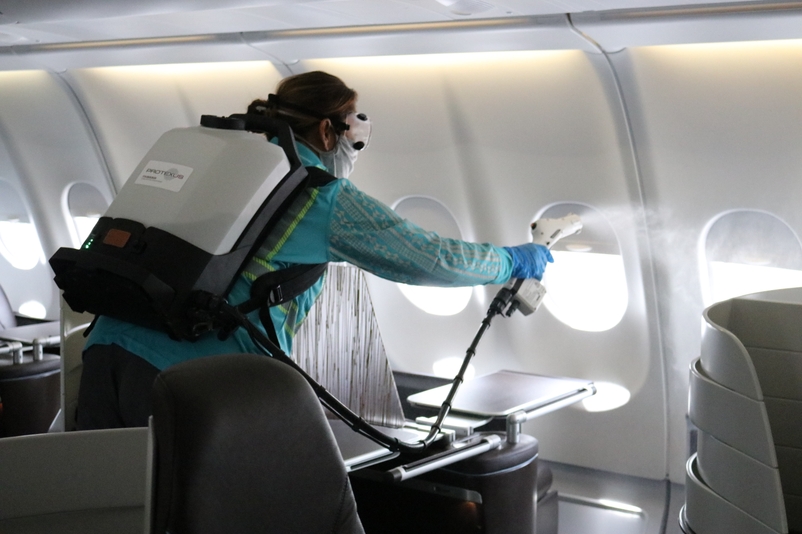
Hawaiian is applying electrostatic treatment, which dries in five minutes, nightly on the Boeing 717 aircraft it operates on flights between the islands, and prior to each departure from Hawai‘i on Airbus A330s that serve transpacific routes. The airline’s A321neo fleet is currently not in service due to a reduced flying schedule.
Hawaiian, whose modern transpacific fleet is equipped with HEPA air filters that create a dry and essentially sterile environment inhospitable to viruses, has detailed cleaning and disinfecting protocols, paying special attention to high-touch areas such as seats, seatbacks, headrests, monitors, tray tables, overhead bins, walls, windows and shades, as well as galleys and lavatories.
Hawaiian also distributes sanitizing wipes to passengers and has temporarily adjusted certain in-flight services, such as suspending the refilling of beverages in cups or personal bottles, and hot towel service.
Photos and video of Hawaiian's enhanced cleaning practices are available here.
For more information about how Hawaiian is supporting travelers and communities during the COVID-19 pandemic, as well as current flight schedules, please visit the carrier’s COVID-19 hub.
About Hawaiian Airlines
Hawaiian Airlines, Inc. is a subsidiary of Hawaiian Holdings, Inc. (NASDAQ: HA). Additional information is available at HawaiianAirlines.com. Follow Hawaiian’s Twitter updates (@HawaiianAir), become a fan on Facebook (Hawaiian Airlines), and follow us on Instagram (hawaiianairlines). For career postings and updates, follow Hawaiian’s LinkedIn page.
For media inquiries, please visit Hawaiian Airlines’ online newsroom.
Share
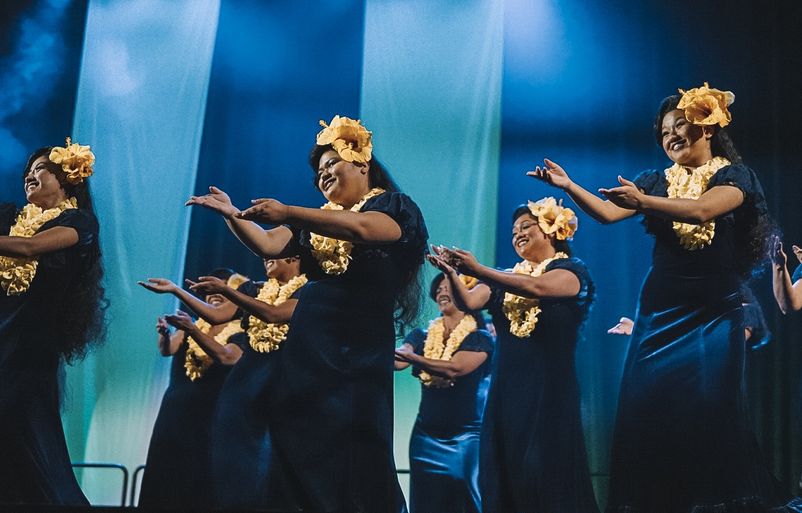
Every year on May 1, communities statewide come together for one of Hawai‘i’s most colorful celebrations of culture and aloha.
May Day is Lei Day in the Hawaiian Islands, and it's a special time when people in Hawai‘i are tightly strung together by lei and hospitality. Festivals are held throughout the islands, the smell of fragrant flowers and fresh greenery lingers in the air, music is shared, and a love for our island home reverberates far and wide.

While this year’s celebration will be limited by Hawai‘i’s government restrictions on public gatherings due to the COVID-19 pandemic, Lei Day lives on. We welcome people from around the world to join our Hawaiian Airlines ‘ohana in celebrating May Day virtually. We have planned several digital experiences that will live on beyond May 1, so those who miss the Lei Day fun can keep the celebration going.
We teamed up with Hawai‘i nonprofit Kāhuli Leo Le‘a and local broadcast station Hawaii News Now in turning O‘ahu’s biggest annual May Day concert into a virtual showcase.

“Hawaiian Airlines May Day 2020: Aloha ʻĀina” will debut today at 7 p.m. HST on Hawaii News Now (KHNL). There will be a rebroadcast at 8 p.m. HST on Hawaii News Now (K5), HawaiiNewsNow.com and the station’s Facebook channel.
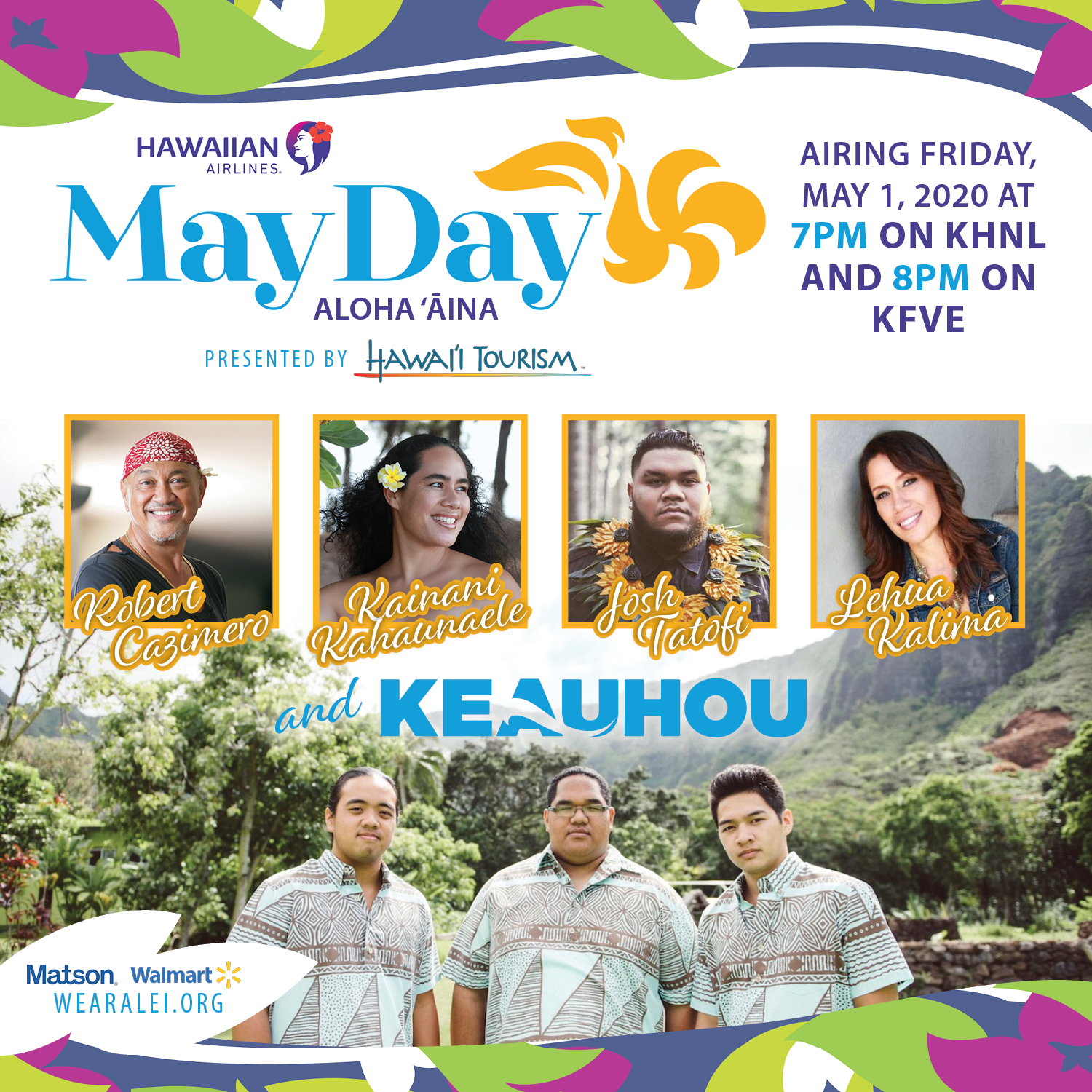
Viewers will enjoy a selection of Hawai‘i’s renowned artists performing remotely to comply with social distancing requirements. Featured musicians include 17-time Nā Hōkū Hanohano award-winning group Keauhou, with special guests Robert Cazimero, Josh Tatofi, Lehua Kalima and Kainani Kahaunaele.
Fans can also download lyrics to sing along before the concert kicks off and learn more about the lineup by visiting WeAreALei.Org.
We launched our new digital Sharing Aloha Series in April to share our island home (and all that makes it special) with our global audience during the COVID-19 pandemic. Videos, hosted by our featured chefs, employees and local artists, highlight recipe tutorials, hula and ‘ōlelo Hawai‘i (Hawaiian language) lessons, and more.

Exclusively for Lei Day, we created a lei-making video with our employees so you can share the aloha from wherever you are in the world.

Stay tuned – the video will be released today, May 1, at 2 p.m. HST and available for viewing here. While you're waiting, follow the Sharing Aloha Series to learn how you can keep the vacation vibes going strong and welcome a bit of aloha into your own home.
Share the lei love with your ‘ohana digitally this May Day by taking a selfie with our Lei Day filter! The new plumeria lei filter is available on Facebook and Instagram.

Giving a lei is no small gesture, and it’s considered an important opportunity to show honor, high regard and love. Here in the Hawaiian Islands, many adorn people they care about with lei on special occasions or as an expression of their gratitude and aloha.
If you’ve never given a lei before, we made a starter guide to help you get to know some of the most commonly exchanged lei in Hawai‘i.

Share
Updated August 5:
These days Alaska Airlines may look a little different when you fly. From our check in counters to our aircraft, you’ll notice changes to ensure the health and safety of our guests and employees. From social distancing stickers on the floor to our guests & employees wearing masks, we want you to know our care is never cancelled.
To align with the Centers for Disease Control (CDC) recommendations and to keep our guests and employees safe, masks will be mandatory for all our guests. Additionally, Alaska Airlines and Horizon Air employees who cannot maintain six feet of physical distance during interactions with guests or co-workers have been required to wear masks since May 4. This includes pilots, flight attendants and customer service agents.
Starting August 7, all Alaska passengers will be required to wear a cloth mask or face covering over their nose and mouth (except for children under the age of two) – with no exceptions. Cloth masks or face coverings will be required on all flights, at ticket counters, throughout gate areas and any other location where Alaska conducts business.
Guests will be expected to bring their own mask and will be required to wear it throughout the airport and flight experience. Additional supplies will be available for those who forget their face masks. Specific details about the face mask requirements will be shared with guests in pre-trip communications before their date of travel. The temporary policy will be reevaluated periodically as guidance evolves.
“Safety is our most important value at Alaska Airlines, and thanks to our employees we have an incredibly safe operation. In light of COVID-19, we’re in a new era and are continually updating our safety standards to better protect our guests and employees. For now, this includes wearing masks, which is another layer of protection that can reduce the spread of the virus,” said Max Tidwell, Alaska Airlines’ vice president of safety.
Our planes have never been cleaner.
We’ve always had robust cleaning processes on our aircraft and will continue using disinfectants that use of high-grade, EPA registered disinfectants to sanitize critical touchpoints like tray tables, seat belts, overhead bins, armrests and lavatories, etc.
As an extra level of precaution, we’ve implemented an enhanced aircraft cleaning process between our flights that are on the ground longer than an hour at our hubs. We’ve also expanded the use of electrostatic sanitizing spray to disinfect aircraft at all of our hubs.
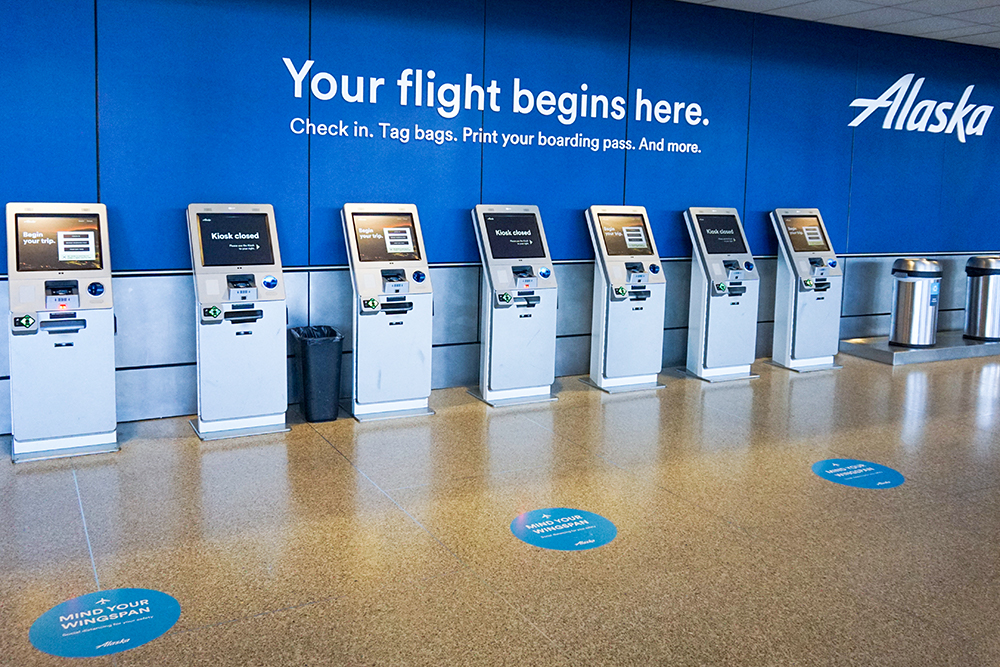
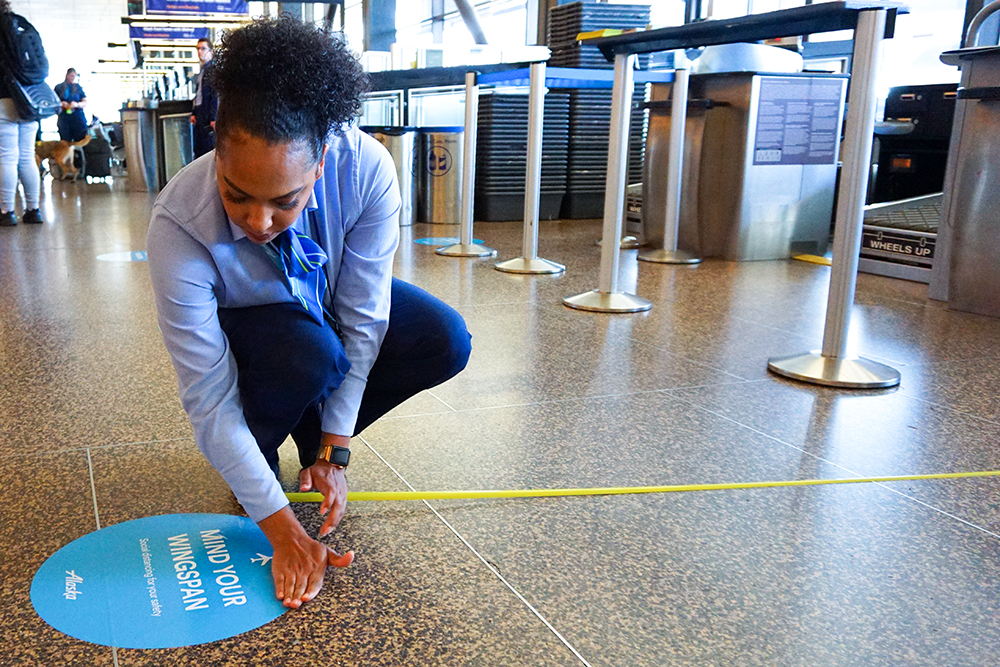
We’re installing decals to remind people to ‘Mind Your Wingspan,’ at each one of our airports where we fly. The stickers, spanning 6 feet apart, can be found at our ticketing counters, baggage drops, customer service centers and gate areas. The Alaska branded stickers will be deployed systemwide over the coming weeks.
Through July 31, 2020 and beyond, we’re limiting the number of guests on our flights and blocking select seats. Families or large groups may request to sit together. Learn more here.
Finally, we’ve also updated our onboard service to limit the interaction between our flight crews and guests. You’ll also notice we have removed all seatback contents, except for the safety card, to limit the spread of germs.
Safety remains our top priority at Alaska Airlines – for you, and for our employees. We will continue to evaluate best practices to ensure the health and safety of our guests and employees.
Stay safe, stay healthy, and see you soon.
Share
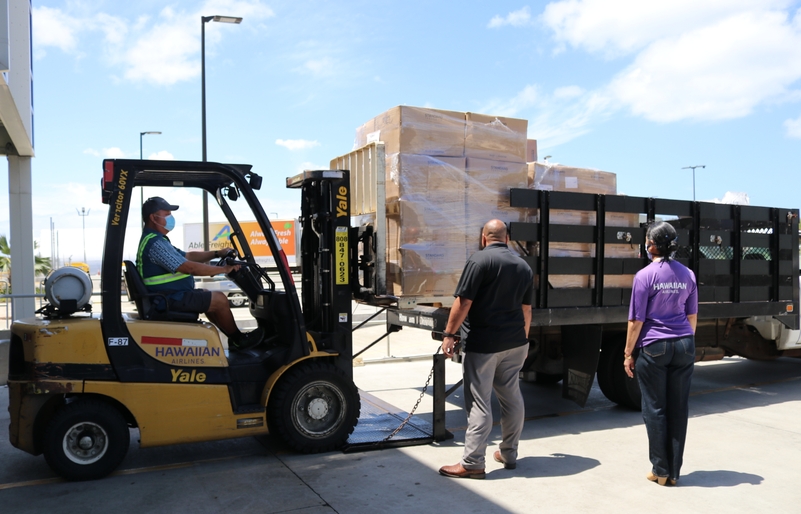
Mālama, meaning to “care for” in Hawaiian and one of our core company values, has been on top of our minds as we think of ways to continue to support our people and communities during the pandemic.
As we started to suspend most of our flying, our product development and in-flight teams immediately began assessing our large inventory of unused cabin items – such as blankets, pillowcases, slippers, mattress pads and amenity kits – to find them new homes and help vulnerable members of our community.
“We saw that several of the nonprofits that we’ve supported over the years are now being met with an unprecedented need for donations as their program beneficiaries are relying more on their services to stay afloat,” said Renee Awana, managing director of product development at Hawaiian Airlines. “Our product development team had the opportunity to look into our inventory and redirect several thousand units of excess soft good items into the hands of shelters and human-services organizations statewide.”

Since March, Hawaiian has distributed over 10,300 fleece Main Cabin blankets, 169,000 Main Cabin pillowcases, 600 Business Class pillowcases, 2,200 Business Class slippers, 2,050 Business Class mattress pads, and 2,750 Business Class and Extra Comfort amenity kits to 12 organizations:
American Red Cross (Maui, Island of Hawai‘i and O‘ahu chapters)
First Presbyterian Church of Honolulu – Salvation Army Women’s Outreach
[Editor’s note: We encourage our readers to join us and click the links above to learn how you can support Hawai‘i’s nonprofits during the COVID-19 pandemic.]
"The meaning of kōkua goes beyond the word help; it carries a deeper meaning of offering service, devotion to caring for others, and maintaining this sense of humility. The COVID-19 pandemic has impacted our community in ways we could have never imagined, and our Hawaiian Airlines ‘ohana is doing all that it can to be there for the communities who have supported us for over 90 years,” said Debbie Nakanelua-Richards, director of community and cultural relations at Hawaiian Airlines. “These donations are part of our ongoing commitment to support the efforts of organizations that continue that care for our community, especially in these challenging times.”
We checked in with a few of our nonprofit recipients to see how their donations are being used and share how you can join their impactful efforts.
Earlier this month, over 2,000 Business Class mattress pads were donated to the Hawaiian Humane Society (HHS) to help animals stay relaxed while its facilities are partially closed. Daniel Roselle, director of community relations at HHS, said the pads will ensure animals can rest comfortably while awaiting adoption or foster care or recovering from critical veterinary services.
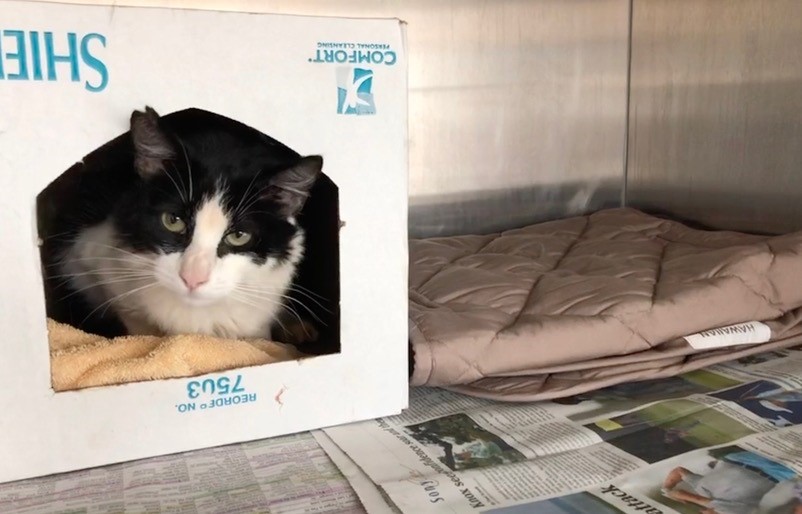
"The mattress pads we received have been a big help and are making life more comfortable for our animals and more convenient for our animal care staff,” he said. “We use them in our dog and cat kennels, and when we spay or neuter a pet, we can wake them up gently on their own heated pad. We are so grateful for this generous gift from Hawaiian Airlines. It's wonderful to be part of repurposing soft goods in a way that makes life better for O‘ahu’s animals."
The Institute for Human Services (IHS), Oʻahu’s oldest and largest homeless services provider, which operates nine shelters across the island, has faced a similar need for essential items. To keep its temporary residents safe, the organization has implemented strict social distancing rules and reduced the number of beds to allow for six-foot spacing. However, the new rules have made it difficult to accommodate everyone who needs assistance.
To help IHS welcome new residents to their shelters or serve the needs of people who remain on the streets, we donated 2,800 Main Cabin fleece blankets to help keep homeless individuals comfortable at night.
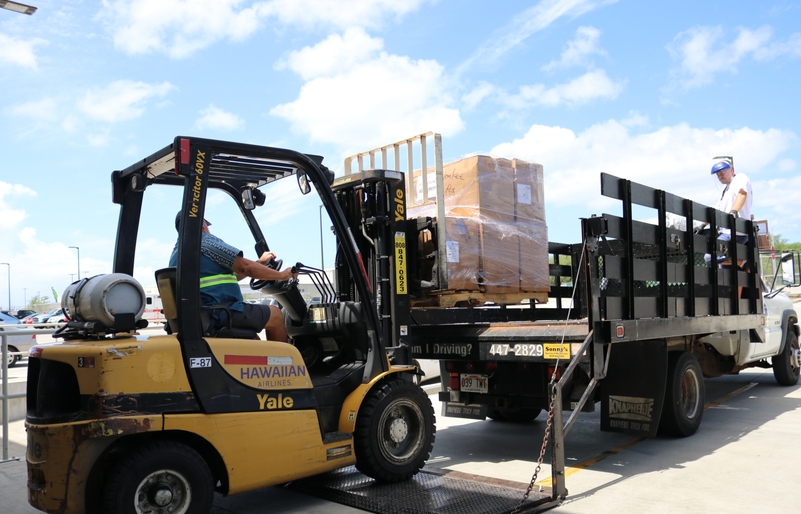
“Our guests often come to us with nothing but the shirts on their backs,” said Jill Wright, director of philanthropy and community relations at IHS. “By welcoming them with basic comforts like a blanket to sleep under, we are reaffirming that they are valued. This can often make all the difference in their outlook and belief in a brighter future.”
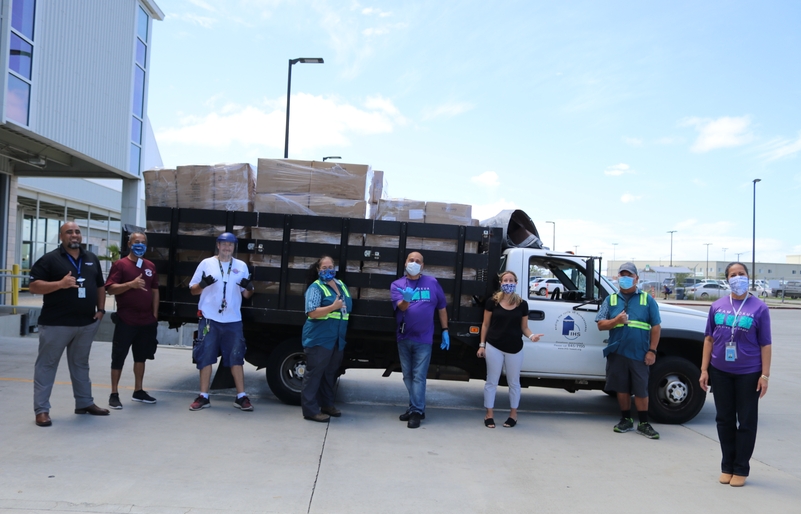
The Homeless Outreach and Navigation for Unsheltered Persons (HONU) program provides short-term shelters and housing navigation services to Leeward O‘ahu’s homeless community. However, the urgency to help unsheltered individuals off the streets and the resulting demand for supplies has grown two-fold amid COVID-19. In response to a spike in homelessness, HONU has opened a temporary shelter near Honolulu’s Daniel K. Inouye International Airport with spaced-out beds, food, personal hygiene stations, and more. To assist with their transition, we donated over 1,000 of our Main Cabin fleece blankets to HONU earlier this month.
Through its culture-based programs, Partners in Development Foundation (PIDF) helps at-risk groups within the Hawaiian and other Pacific Islander communities overcome difficult life and economic challenges.
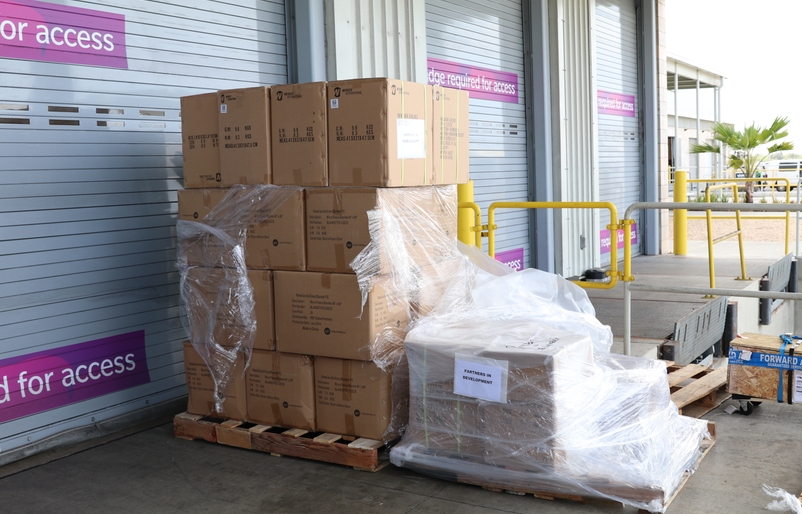
As a PIDF partner for over 10 years, we understood the critical need for supplies to support people most vulnerable to the impacts of the COVID-19 pandemic. Items like blankets, amenity kits, pillowcases and slippers were expedited to PIDF’s team to be delivered to Pacific Islander families who receive the nonprofit’s vital social services – from safe houses to low-income family programs.
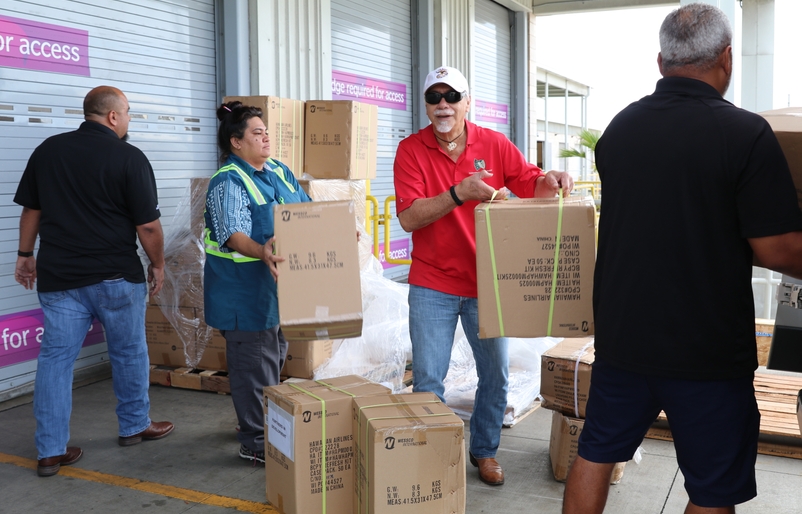
"Partners in Development Foundation is humbled by Hawaiian’s willingness to provide hope, joy, and comfort to our families during this very difficult time,” said Kasey Galariada, outreach manager for Partners in Development Foundation’s Ka Pa‘alana Homeless Family Education Program. “On the day the families received the items, there were smiles, laughter, and so much gratitude shared. We value our partnership as we continue to serve those in need, especially at a time when we all need a little extra love.”
Share
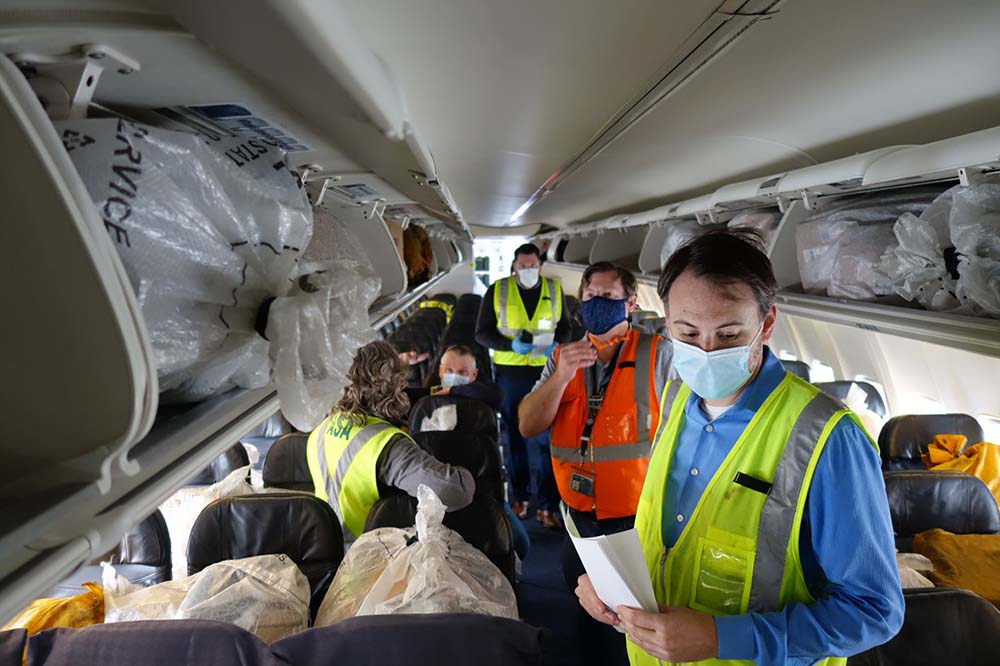
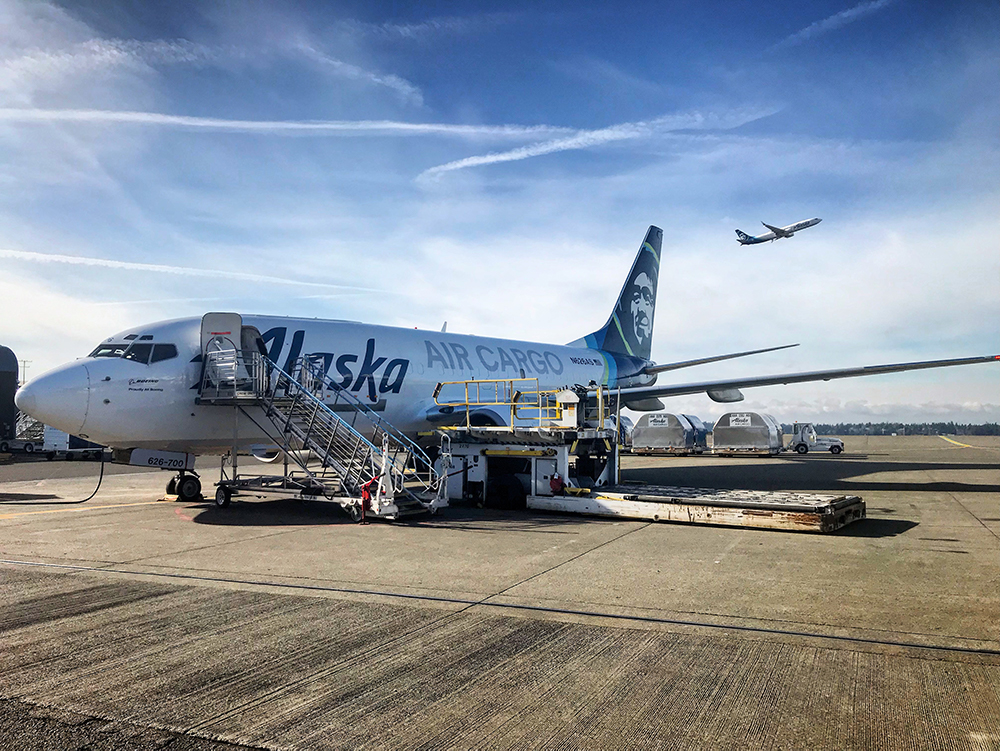
Since making the difficult decision to reduce our flying due to the coronavirus, we’ve been looking at other ways to utilize passenger aircraft to carry essential goods to people and businesses who need it most.
On any given day before the coronavirus dramatically changed travel, we carried about 400,000 pounds of cargo per day in the “bellies” of passenger aircraft – where luggage is stored. By utilizing passenger aircraft as freighters we’ll be able to backfill some of 45% loss in capacity across Lower 48 and Hawaii where passenger flights have been reduced by 80%.
“We’re determined to make sure our nation’s supply chain stays robust and resilient, connecting critical cargo quickly to the communities we serve,” said Torque Zubeck, managing director of Alaska Air Cargo. “Our teams have been working hard to identify the safest and most effective processes to increase our cargo capacity as quickly as possible.”
Trying to pull off a passenger-to-freighter operation is no easy task. A team of 40 people have been working on the effort since March. If approved by the FAA, we could begin flying passenger aircraft dedicated to cargo within the United States as early as May.
We aim to utilize the passenger cabin on five Boeing 737-900 aircraft – placing cargo boxes, mail and other items on and under seats, in overhead bins and in closets – creating room for an additional 13,500 pounds of cargo than a traditional passenger flight. In total, each flight will carry up to 30,000 pounds, including belly capacity.
The crew for these cargo flights will consist of two pilots and two flight attendants. The flight attendants will be seated in the main cabin to make sure the cabin is safe and secure and provide fire suppression if required, as passenger cabins do not have automated fire suppression systems like cargo compartments.
“Our cargo customers depend on us as much as we do them to fuel our supply chain with life-saving medical treatments, medical supplies and perishable foods that have a short shelf life,” said Rick Bendix, cargo marketing and business development program manager. “With the decrease in cargo capacity, this innovative approach allows to meet the demand of cargo customers whether “mom and pop” businesses or large freight forwarders who are working tirelessly to keep the critical goods moving.”
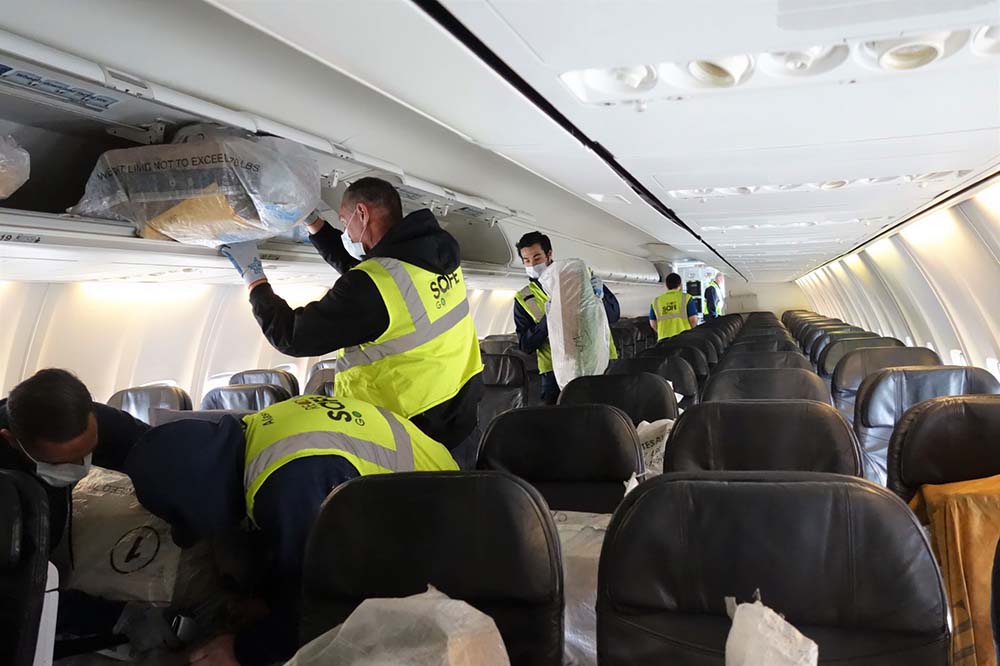
This week, a team of employees tested loading an aircraft, securing the shipments and mapping a safe and viable process for leveraging passenger cabin space to ship critical cargo. Protecting the areas of the passenger cabin where cargo will be stowed was incorporated in the test to ensure the passenger aircraft can easily return to carrying our guests when needed.
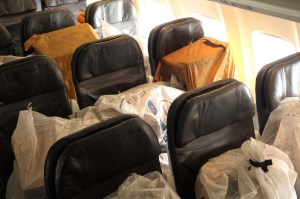
According to Anthony Johnson, Alaska Airlines senior engineer, the overhead bins are designed for stowage of carry-on luggage and are durable. However, we need to protect the seats by removing the life vests from under the seats and covering the leather with a protective fabric.
We’ve been delivering cargo to the state of Alaska for 88 years since our founding as McGee Airways. For some pilots, such as First Officer Bill Jacobson, flying the freighters is especially rewarding because he gets to see the impact cargo has on Alaska communities.
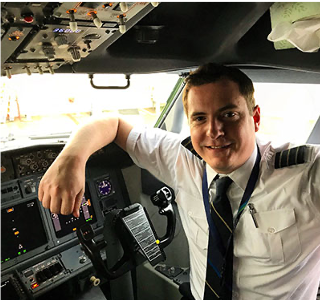
“Cargo is hugely important in the state of Alaska. We’re really the lifeline to many communities and bring things necessary to everyday life, like groceries, medicine and machine parts, just to name a few,” Jacobson said. “You usually meet the plane at one of our cargo buildings. When we’re walking through the cargo facilities, I’m often in awe of the variety of goods we’re hauling all over the state.”
These remote communities aren’t always connected by roads to the outside. When the grocery store is out of fresh produce or milk in remote communities in the state of Alaska, residents look to Alaska Airlines to deliver the supplies.
“Our cargo customers depend on us as much as we do them to fuel our supply chain with life-saving medical treatments, medical supplies and perishable foods that have a short shelf life,” said Rick Bendix, cargo marketing and business development program manager. “With the additional aircraft, we’ll be able to move these goods, as well as e-commerce orders, quickly and efficiently across the country keeping supply chains flowing and supporting our logistics and freight forwarding customers.”
By the numbers:
Typical cargo includes:
Key customers:
Share

Hawai‘i’s vibrant food and art scene, along with its warm culture, help make the Hawaiian Islands a leading global destination. For years, we’ve remained committed to supporting and sharing the talents of our hometown’s chefs, musicians and artists – incorporating their creations in our in-flight amenities, aircraft livery, and employee uniforms, in addition to offering cargo service that helps mom-and-pop shops get their products to the shelves.
We’re constantly partnering with island entrepreneurs and businesses to deliver unparalleled, authentic experiences – not just for our guests, but for the communities we serve right here at home.
However, the COVID-19 pandemic has forced all of us to find creative ways to keep supporting each other, and especially the small local companies that are more vulnerable to a prolonged economic downturn.
The cancellation of the 2020 Merrie Monarch Festival (co-sponsored by Hawaiian Airlines) sent many artisans, designers and retailers scrambling. The world’s most prestigious hula competition also serves as a popular marketplace for small businesses – particularly Native Hawaiian-owned companies – that rely on the weeklong event’s foot traffic in Hilo to showcase their products to attendees from around the world. With a critical revenue stream dried up, leaders at Hawai‘i’s Council for Native Hawaiian Advancement (CNHA) went to the drawing board to find a solution.
The result of their efforts is Pop-Up Mākeke, an online marketplace organized by CNHA to help consumers access Hawai‘i-made products during the pandemic.
Participating businesses can feature their products in the digital store at no cost and CNHA staff handle every stage of the order fulfillment. Neighbor Island vendors ship their products to O‘ahu, where they are transported to the Pop-Up Mākeke headquarters on the island’s west side. Orders are processed, packaged and mailed by CNHA’s small staff.
"With all community events and gatherings canceled, our local artisans and businesses needed immediate support to survive the economic impacts of COVID-19. Through our partnerships and community network, we have been able to help dozens of struggling vendors navigate these difficult times," said Kuhio Lewis, chief executive officer of CNHA. "Our online Pop-Up Mākeke has even helped to expand the reach of our microenterprises and allow consumers across the world to patronize our local businesses."
To help offset costs, our Hawaiian Airlines® Bank of Hawaii World Elite Mastercard® has stepped in to cover transportation costs – from air cargo for businesses to ground shipping for customers – of up to $50,000. Our rental car partner AVIS Budget Group is providing delivery vans to carry products from our cargo facility to the Pop-Up Mākeke headquarters.
The result of the collaboration: customers can browse and purchase products from their favorite Hawai‘i and Native Hawaiian businesses from the comfort of their home without the burden of additional shipping fees.
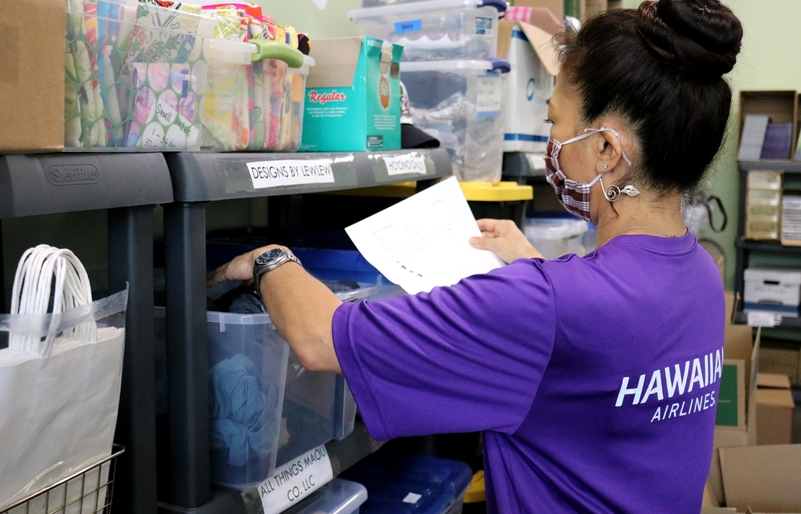
To help with the influx of orders, our employees regularly donate their time to work at the Pop-Up Mākeke headquarters. At least one day a week, our Loyalty and Travel Products team is taking product photos for the online marketplace, and our Team Kōkua volunteers are helping unpack new items, prepare customer orders and organize inventory whenever possible.
To explore Pop-Up Mākeke’s selection of unique Hawai‘i products, visit www.popupmakeke.com or watch its live shopping show on Facebook and Instagram.
When we learned about the Hawai‘i Agricultural Foundation’s (HAF) initiative to kickstart an online database of restaurants whose doors remain open during the pandemic, we were hungry to help. The Food-A-Go-Go program catalogs local food establishments offering takeout, delivery and curbside pickup while remaining compliant with government-imposed safety restrictions. The goal: create awareness about the need to support Hawai‘i’s melting pot of tastemakers.
Our Hawaiian Airlines® Bank of Hawaii World Elite Mastercard® proudly joined the effort, becoming Food-A-Go-Go’s major sponsor in April by providing financial support throughout HAF’s Instagram campaign #EveryOrderCounts.

“Food is deeply rooted in Hawai‘i’s culture so it’s important we play a part in supporting the local food establishments that are struggling in this difficult time,” said Lori Watanabe, director of financial and retail partnerships at Hawaiian Airlines. “Hawai‘i Agricultural Foundation has been an incredible force for the culinary community and we’re proud to support them in this statewide initiative.”
The #EveryOrderCounts campaign sweetens the deal for customers with a grand-prize giveaway and by matching a portion of their purchases toward a charitable fundraiser.
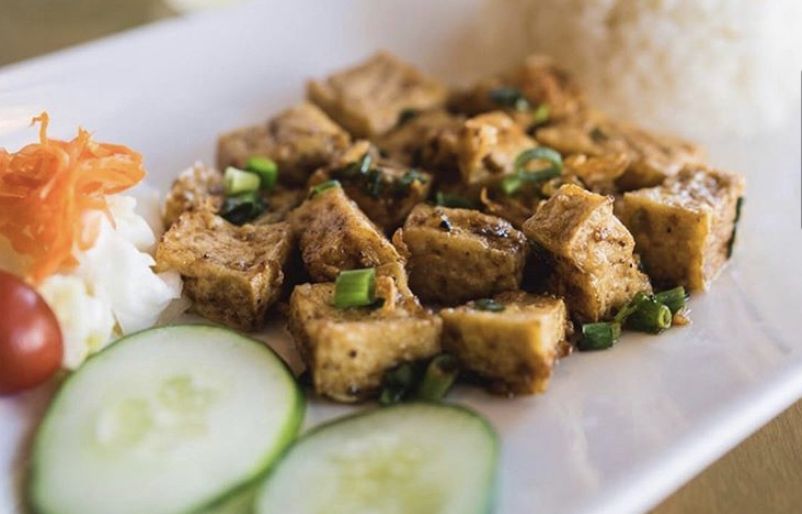
Through April 30, consumers can enter for a chance to win one of 400, $100 gift cards to one or more Food-A-Go-Go’s restaurants. Ten winners are selected each day and 100 winners will be selected on May 1. Entry details can be found here.
Starting on Monday, May 4, Food-A-Go-Go users can also join our ‘ohana in giving back to Hawai‘i’s food industry. For every purchase made with the Hawaiian Airlines® Bank of Hawaii World Elite Mastercard®, we will donate one dollar and up to $100,000 to HAF to help support and sustain Hawai‘i’s agriculture and restaurant industry.
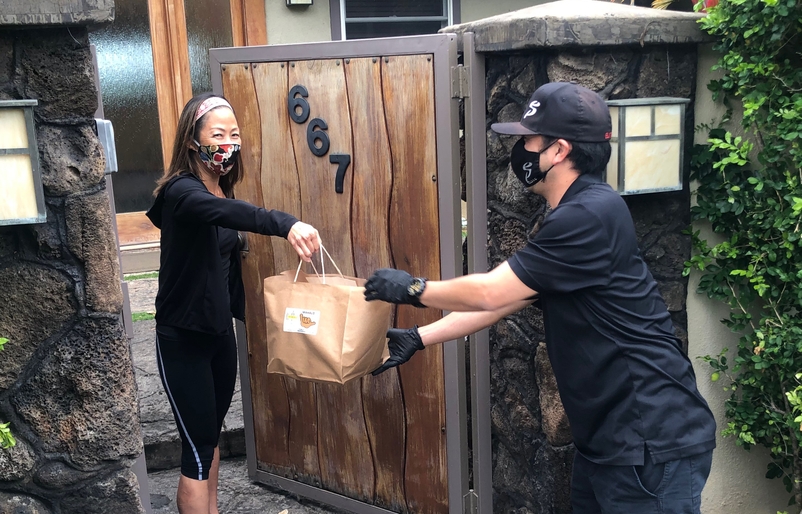
“Since launching Food-A-Go-Go, we’ve seen an outpouring of community support for our local restaurant industry,” HAF Executive Director Denise Yamaguchi said in a new release announcing the program. “While we’re all at home trying to decide what to eat and endlessly scrolling through social media, the #EveryOrderCounts campaign is a new and fun way to keep takeout, delivery and curbside options top of mind to support our local restaurants and keep our economy going.”
Worked up an appetite for some ‘ono local food and a good cause? Browse Food-A-Go-Go’s database of over 1,000 restaurants here. Food-A-Go-Go supporters can also enjoy home delivery from 25 O‘ahu restaurants (select zip codes apply).
Share

HONOLULU, April 28, 2020 /PRNewswire/ — Hawaiian Holdings, Inc. (NASDAQ: HA), parent company of Hawaiian Airlines, Inc. ("Hawaiian"), plans to report its first quarter 2020 financial results after the market closes on Tuesday, May 5, 2020. An investor conference call is scheduled for 4:30 p.m. Eastern Time that day.
The call will be open to all interested investors through a live audio webcast accessible in the Investor Relations section of Hawaiian's website at HawaiianAirlines.com. For those who are not able to listen to the live webcast, the call will be archived for 90 days on Hawaiian's website.
About Hawaiian Airlines
Hawaiian Airlines, Inc. is a subsidiary of Hawaiian Holdings, Inc. (NASDAQ: HA). Additional information is available at HawaiianAirlines.com. Follow Hawaiian's Twitter updates (@HawaiianAir), become a fan on Facebook (Hawaiian Airlines), and follow us on Instagram (hawaiianairlines). For career postings and updates, follow Hawaiian's LinkedIn page.
For media inquiries, please visit Hawaiian Airlines' online newsroom.
 View original content to download multimedia:https://www.prnewswire.com/news-releases/hawaiian-holdings-announces-2020-first-quarter-conference-call-301048655.html
SOURCE Hawaiian Holdings, Inc.

Share
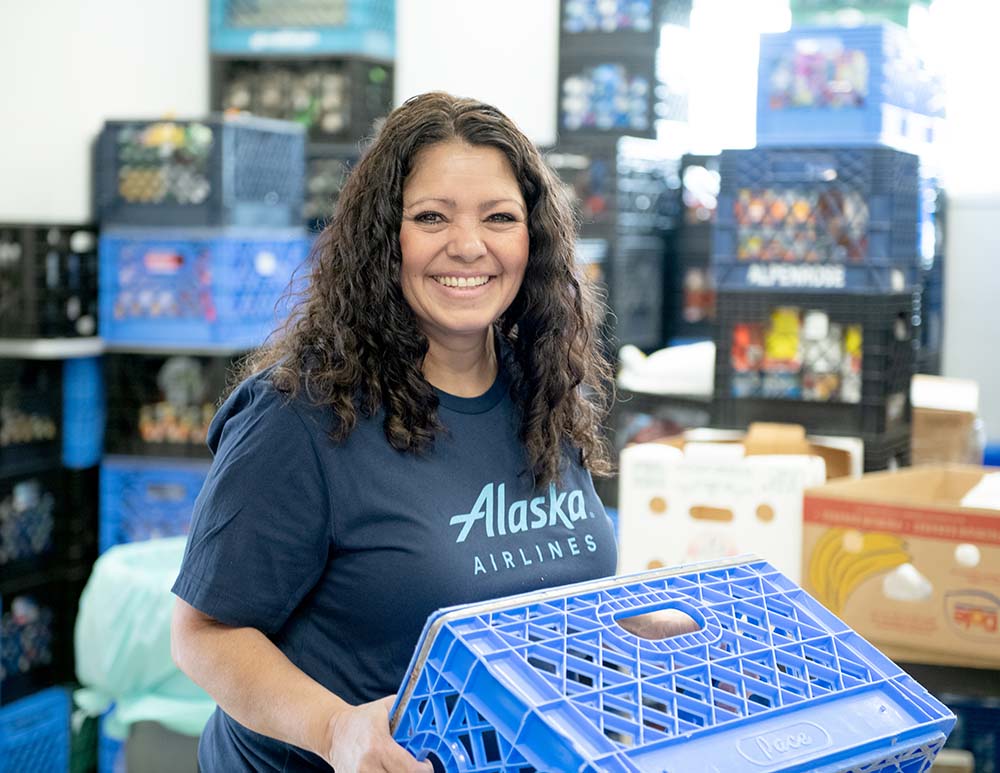
This is a difficult time for many, and food security is a challenge across our communities. Last week, the United Nations projected that because of COVID-19, the number of people facing severe food insecurity worldwide could double to 265 million. And here in the United States, unprecedented levels of job displacement and supply chain disruption have created a crisis for countless families, many seeking help for the first time in their lives.
Supporting the growing demands on our local food banks is a critical need and isn’t new for Alaska Airlines and Horizon Air. Every year, our employees rally together in a “Pack the Plane” food drive and collected enough donations to fill an equivalent of over 20 cargo aircraft (providing almost a half-million meals) last year. During our inaugural “Week of LIFT” of volunteering in our communities last October, our employees worked at several West Coast food banks to pack meals and sort goods to help feed those in need.
So, when we found ourselves with fresh food on hand following the suspension of our inflight service last month, we worked with our kitchen partners to donate 273,000 meals to community food banks in 16 states, like our hometown partners Northwest Harvest and Food Lifeline.
That sparked an idea about how to further support families have the food they need to thrive. Last week, the Alaska Airlines Foundation, an independent 501(c)(3) non-profit, pledged $200,000 to provide 896,000 meals to 14 local food banks across Alaska, Washington, Oregon, California and Hawaii. Together, we’ve donated over 1 million meals, but hope to double our impact by inviting our employees and guests to join us, if they can.
“This crisis has changed so much in our country – but the values of our employees have not. They and our partners, including our Chief Football Officer Russell Wilson and Ciara, Starbucks, and many others inspire us to do more,” said Diana Birkett Rakow, Alaska Airlines Vice President of External Relations. “Between now and the end of May, we’re encouraging our guests, partners and employees to join us in the #MillionMealsChallenge to help fuel another 1 million meals for local food banks feeding our communities.”
The Alaska Airlines Foundation was founded in 1998 as a way to support the communities we serve through ups and downs – including during lean times like these. “We’re thankful to have foundation funds to be able to directly support people who need it most,” said Birkett Rakow, who also serves as chair of the Alaska Airlines Foundation board of directors.
Give to your local food bank or one of our nation’s hunger relief partners. Here are some of ours:
Alaska Community Foundation
Armed Services YMCA of Alaska
Fairbanks Community Food Bank
Lutheran Social Services of Alaska
Southeast Alaska Food Bank
Alameda County Community Food Bank
Second Harvest of Silicon Valley
The Jacobs & Cushman San Diego Food Bank
Hawaii Foodbank
Hawaii Foodbank Kauai
Maui Food Bank
The Food Basket
Food Lifeline
Northwest Harvest
Philanthropy Northwest – WA Food Fund
Share





Soar above hoodoos & desert vistas

Bundle up for a guided glacier tour

Share
Whether in good times or bad, our Hawaiian Airlines ‘ohana has always stepped forward to help its fellow teammates and neighbors in need. Amid uncertain times brought on by the pandemic, our employees have put themselves on the frontlines of efforts to kōkua (help) the local communities that have supported us for the past nine decades.
For several weeks, volunteers have proudly donned their purple Team Kōkua shirts while building a rich portfolio of philanthropic efforts during these difficult times. Their efforts include sorting food at the Hawaii Foodbank, helping Lanakila Meals on Wheels provide food for our kūpuna (senior citizens), shipping food to our state’s rural and at-risk communities, and more.
Our ‘ohana’s inspiring acts of aloha have been executed at every level of giving, from wide-scale company efforts to individual employees pushing to make a difference. These are the stories that make us proud to be Hawai‘i’s airline, proving that no effort to mālama (care) and lōkahi (collaborate) is too big or too small.
As health experts began recommending that anyone going into public spaces cover their faces, the demand for face coverings soared. With masks flying off store shelves, Caprice Vida, senior project manager at Hawaiian Airlines, and her family put their sewing talents to work to join a growing cadre of citizens making their own face coverings for their families, friends, and others.
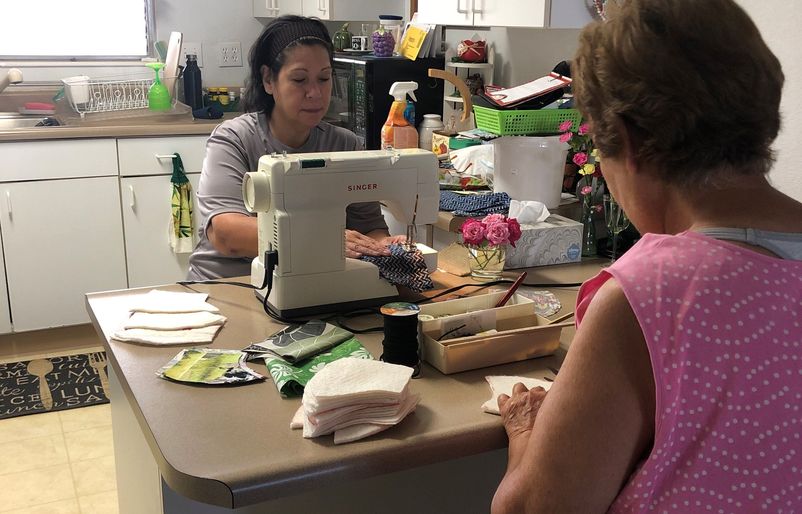
“In our little operation, I go out and buy the fabric while my mom does the sewing,” explains Vida. “After the day’s work is complete, my daughter and I go out and make deliveries. In addition to my regular Hawaiian Airlines work, it makes for a long day, but it’s worth it.”
The Vida ‘ohana makes 10 to 20 non-medical face coverings per day with each mask taking 30 to 60 minutes to complete. She has donated her masks to the Blood Bank of Hawai‘i for their volunteers, distributed batches to her colleagues and offered to make more for others at no cost.
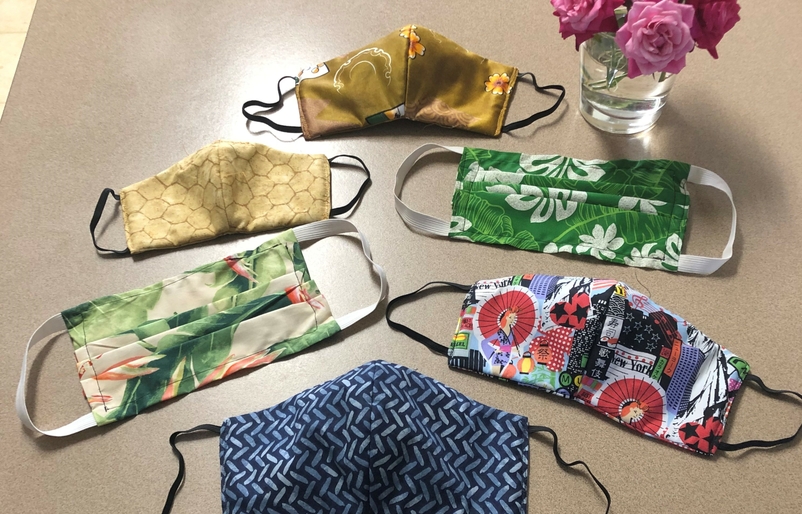
“We are doing this because we know that there’s a need and we have the capability to meet that need. I am so passionate about helping our community and this is our small way to contribute to everyone’s safety as we try to get through this pandemic,” she said.
In the Samoan language, mālama translates to fetausia`i – and our team in America Samoa had plenty to spare. With our flights between Pago Pago (PPG) and Honolulu suspended until at least the end of May, some of our employees were impacted by the grounded operations.
Our PPG management team recognized the need for food and basic supplies within their own ‘ohana and organized a food drive to help relieve their hardship. More than 23 employees donated food over the three-and-a-half-hour drive. As a result, 13 boxes full of chicken, rice, milk, water, and other essential items were collected and distributed to any colleague who needed the help.

“In the Samoan culture, we have a saying that when the big toe is injured, the rest of the body feels it and that’s exactly how I felt when I thought of this idea,” recalled Mariana Faiai, guest service chief agent at PPG and organizer of the station food drive. “I felt the struggles that people are feeling, not only the Hawaiian Airlines ‘ohana but also everyone affected by the coronavirus pandemic.”

Even though the food drive is over, Faiai continues to receive donation offers, including one employee family’s pledge to give several boxes of frozen meat, and she is considering hosting a second event.
“For so many years, team PPG members have given their best effort for me and the company, and during these tough times, we are very honored to return the favor,” reflected Tuli Fruean, manager of our PPG station. “I am so very proud of all the people who stepped forward to assist our ‘ohana in need.”
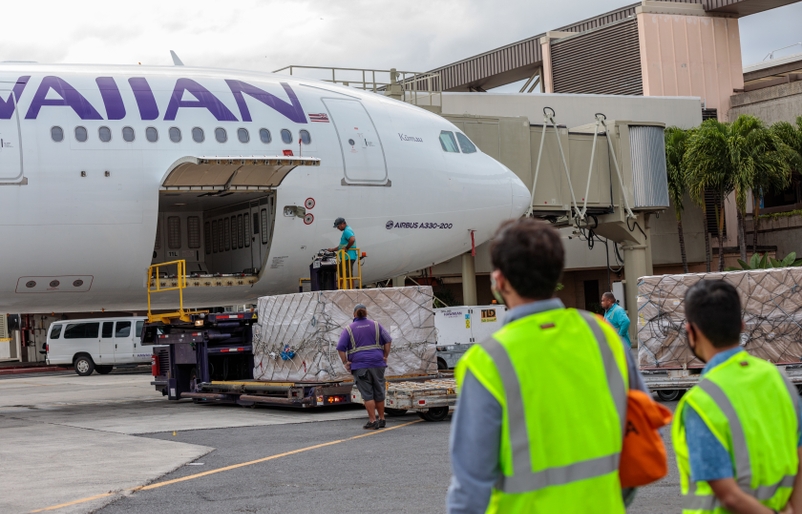
When Every1ne Hawai‘i wanted to bring a large supply of face masks to Hawai'i residents, they turned to our airline for assistance in transporting the shipment to Honolulu (HNL) from Shenzhen, China. Working with local organizations and vendors, the grassroots group acquired the protective gear directly from factories in China for distribution via a fleet of “mask mobiles” and a “mask marketplace” at City Mill locations. As the hometown carrier, we welcomed the humanitarian mission with open wings.
However, organizing an international charter flight can be complicated even when the industry is at its healthiest, and this mission required a company-wide effort and several weeks of planning to ensure the necessary approvals, people and equipment were in place to safely transport 1.6 million masks.
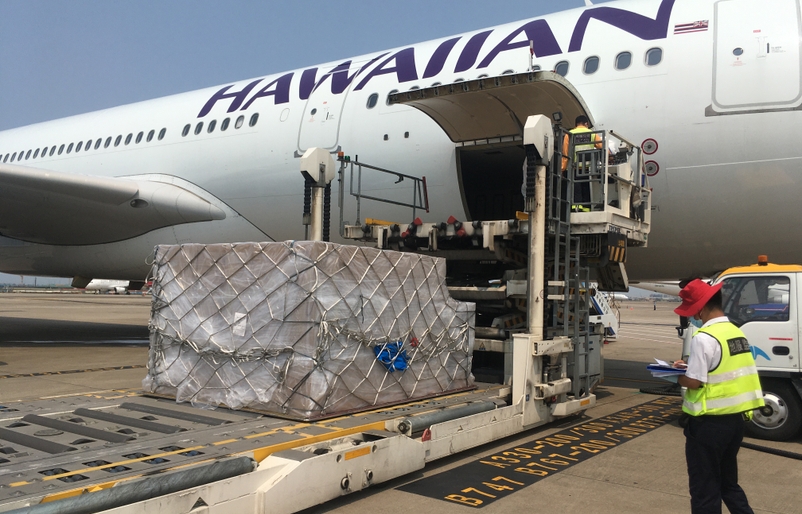
Our cargo teams developed a plan that followed the government regulations and restrictions of all countries involved and fulfilled unique requirements with freight forwarders and cargo consolidators in China. In Honolulu, our operations teams were busy finalizing flight plans, obtaining maintenance support and equipment, arranging crew rest and layovers and catering the aircraft. Our maintenance team removed the lower deck crew rest module, located underneath the passenger cabin, of an Airbus A330 to maximize cargo space to accommodate over 800 boxes.
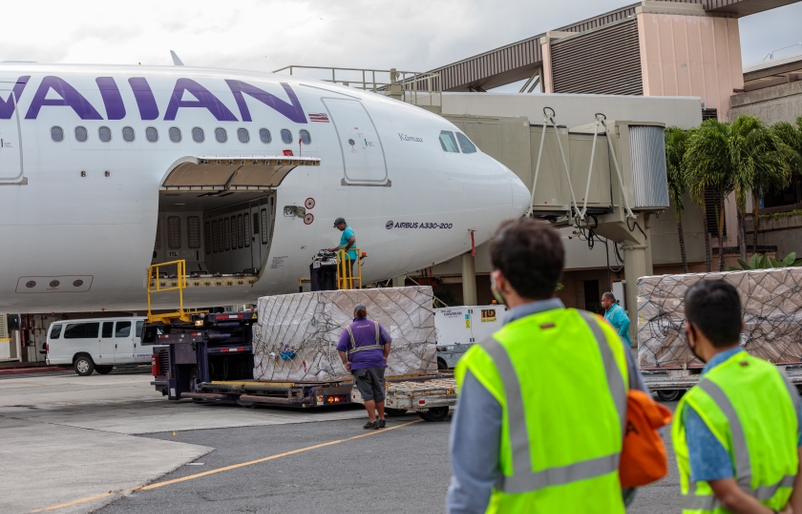
“It takes many hands to do great work and there were many that made this effort possible,” said Managing Director of Cargo Brad Matheny. “We are proud to be Hawai‘i’s airline and appreciate the opportunity to help our community, especially in times of great need.”

On Saturday, April 18, four pilots, two mechanics and two airport operations employees boarded our aircraft and departed HNL for Incheon (ICN), South Korea, where the crew rested before continuing to Shenzhen (SZX), China. The aircraft made its celebrated return to HNL on Tuesday, April 21 at about 4:30 p.m. HST.

“There was an incredible effort made from our entire company to get the logistics, planning and approvals done for this flight. It was a lot of work but we’re glad to have accomplished it and have the shipment here in Hawai‘i now,” said Peter Ingram, president and CEO of Hawaiian Airlines. “I couldn’t be prouder of the team at Hawaiian Airlines for all of the amazing things they accomplished to make this happen for the community.”
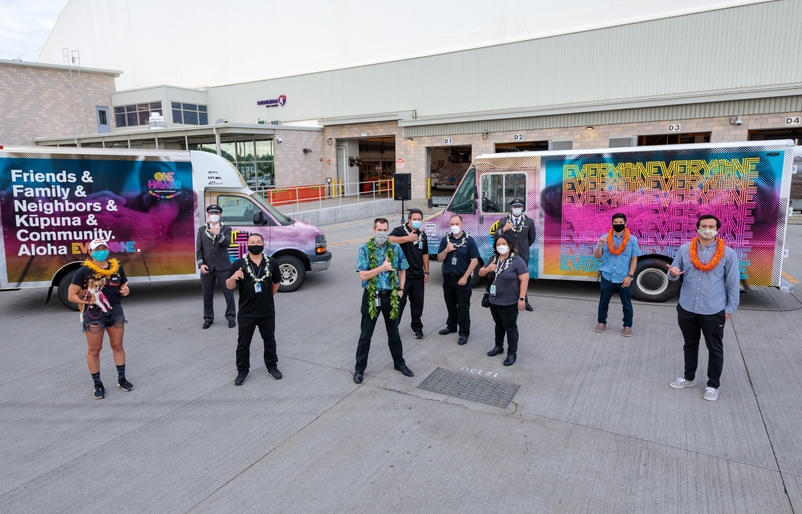
“Hawaiian really stepped up and rose to the occasion to make a lot of things happen…and I don’t even think we fully understand how difficult it was for them to get that shipment here,” said Robert Kurisu, co-founder of Every1ne Hawai‘i. “With this supply, we can basically supply all of our nonprofits partners serving vulnerable communities – not only on O‘ahu but throughout the whole state.”
Face masks will be loaded on a fleet of Every1ne Hawai‘i “mask mobiles.” Over the next several weeks, the organization will work with community nonprofits statewide and the City and County of Honolulu to coordinate the distribution of masks to protect Hawai‘i’s most vulnerable community members from COVID-19.