Hawaiian Holdings Adds Two Board Members; Reports 2020 Second Quarter Financial Results

HA High Res Logo_mid

HONOLULU, July 28, 2020 /PRNewswire/ — Hawaiian Holdings, Inc. (NASDAQ: HA) ("we" or the "Company"), parent company of Hawaiian Airlines, Inc. ("Hawaiian"), today announced the addition of C. Jayne Hrdlicka, former CEO of Australia-based Jetstar Group, and Michael E. McNamara, Executive Vice President and CIO of Target Corporation to its Board of Directors.
Hrdlicka, who served as CEO of New Zealand's a2 Milk Company after her time at Jetstar parent Qantas Airways, has substantial experience in the airline and retail sectors.  McNamara joined Target in 2015 and in his capacity as CIO has overseen the transformation of the retailer's technology portfolio.  Prior to joining Target, McNamara held positions of increasing authority with TESCO, a publicly traded international retailer headquartered in the UK.

"We welcome the additional experience and perspective both Jayne and Mike will bring to our Board of Directors, particularly as we emerge from the COVID-19 pandemic," said Larry Hershfield, Chairman of the Board of Directors of Hawaiian Holdings, Inc.  "Jayne brings significant airline and international perspective to our company, while Mike adds deep expertise in technology with consumer-focused companies."

Also today, the Company reported its financial results for the second quarter of 2020.

Second Quarter 2020 – Key Financial Metrics


GAAP


YoY Change


Adjusted


YoY Change

Net Income


($106.9M)


($164.7M)


($174.7M)


($233.6M)

Diluted EPS


($2.33)


($3.54)


($3.81)


($5.04)

Pre-tax Margin


(254.2)%


(265.4) pts.


(383.9)%


(395.3) pts.

"Our second quarter results reflect the continued impact of COVID-19 and State of Hawai'i quarantines on our business," said Peter Ingram, Hawaiian Airlines President and CEO.  "In the face of these unprecedented challenges, we have taken action to preserve and raise cash and are crafting plans to position us for the future even as we address the immediate adversity.  With our leisure business model and relentless focus on the needs of the Hawai'i traveler, we are positioned to emerge from this crisis poised for success.  I am grateful, as always, for the efforts of my extraordinary colleagues, as they take care of our guests and adapt to this ever-changing environment with passion and dedication."

Liquidity and Capital Resources

As of June 30, 2020, the Company had:

  • Unrestricted cash, cash equivalents and short-term investments of $761 million
  • Outstanding debt and finance lease obligations of $1,006 million
  • Air traffic liability of $554 million

Second Quarter 2020

The State of Hawai'i was under the mandatory 14-day self-quarantine for both neighbor island and all incoming travelers for most of the second quarter of 2020, and as a consequence, the Company operated an extremely limited schedule. The mandatory 14-day self-quarantine restriction was lifted on June 16, 2020 for neighbor island travel only. Following this announcement, the Company increased neighbor island flight activity, but continued with its reduced schedule for longer haul flights.

In addition to service suspension and schedule reduction, the Company has taken, and will continue to take, actions to minimize cash outflow in an effort to mitigate the effects of reduced demand, including, but not limited to:

  • Suspended dividend payments on, and the repurchase of, its common stock
  • Instituted a hiring freeze across the Company, except for operationally critical and essential positions
  • Deferred non-critical capital expenditures
  • Instituted voluntary unpaid leave programs and exploring involuntary headcount reduction
  • Reduced executive pay by 10% – 50%
  • Reduced other discretionary spending, including contractor and vendor spend
  • Negotiated payment deferrals with key vendors

As of June 30, 2020, the Company has received $214.2 million in grants and $49.0 million in loans pursuant to the Coronavirus Aid, Relief, and Economic Security Act (the "CARES Act") Payroll Support Program ("PSP"). The Company expects to receive an additional $29.2 million in July 2020.

Third Quarter 2020

Due to the uncertain timing of the relaxation of travel and quarantine restrictions, the Company is unable to provide detailed guidance related to capacity expectations for the quarter ending September 30, 2020.  July 2020 capacity, in terms of available seat miles (ASMs), is expected to be approximately 86% below the capacity flown in July 2019, and the Company expects August 2020 capacity to decrease 85% compared to August 2019.  As a significant portion of the Company's costs are fixed, operating expenses are not expected to decline in proportion to the capacity decline.

To further increase liquidity, the Company has entered into additional financing transactions in July 2020. This includes the following:

  • Raised $114 million through the sale and leaseback of two Airbus A321neo aircraft
  • Signed a non-binding letter of intent with the U.S. Department of Treasury pursuant to which the Company is eligible to receive up to $364 million in Economic Relief Program ("ERP") loans offered under the CARES Act; the Company has until March 2021 to determine how much of the available ERP funds to borrow.

COVID-19 Response – Guest Experience and Community Relations

In response to the COVID-19 pandemic, the Company has enhanced cleaning procedures and revised guest-facing procedures in an effort to minimize the risk of transmission of COVID-19. These procedures are in line with current recommendations from leading public health authorities and include:

  • Performing enhanced aircraft cleaning between flights and overnight, including recurring electrostatic spraying of all aircraft
  • Frequent cleaning and disinfecting of counters and self-service check-in kiosks in our airports
  • Ensuring hand sanitizers are readily available for guests statewide and at our mainland airports
  • Requiring guests and guest-facing employees to wear face masks or coverings, with guests required to keep them on from check-in to deplaning
  • Modifying boarding and deplaning processes and limiting the capacity of available seats on all aircraft to no higher than 70% to provide physical distancing
  • Changing in-flight service to reduce close interactions between crew members and guests

The Company, along with its employees, has also taken measures to support the community through the COVID-19 pandemic, which include:

  • Donating Main Cabin and Business Class pillowcases, blankets, mattress pads, amenity kits, and Business Class slippers to 12 local organizations serving the community during the pandemic
  • Offering complimentary neighbor island transportation for medical professionals in April and May
  • Providing complimentary transportation of food and household items from O'ahu to both Moloka'i and Lana'i in April and May
  • Volunteering to support local non-profit organizations addressing the COVID-19 pandemic, from company-wide efforts to individual employee initiatives

Statistical information, as well as a reconciliation of the non-GAAP financial measures, can be found in the accompanying tables.

Investor Conference Call

Hawaiian Holdings' quarterly results conference call is scheduled to begin today (July 28, 2020) at 4:30 p.m. Eastern Time (USA).  The conference call will be broadcast live over the Internet. Investors may access and listen to the live audio webcast on the investor relations section of the Company's website at HawaiianAirlines.com. For those who are not available for the live webcast, a replay of the webcast will be archived for 90 days on the investor relations section of the Company's website.

About Hawaiian Airlines

Hawaiian Airlines, Inc. is a subsidiary of Hawaiian Holdings, Inc. (NASDAQ: HA). Additional information is available at HawaiianAirlines.com. Follow Hawaiian's Twitter updates (@HawaiianAir), become a fan on Facebook (Hawaiian Airlines), and follow us on Instagram (hawaiianairlines). For career postings and updates, follow Hawaiian's LinkedIn page.

For media inquiries, please visit Hawaiian Airlines' online newsroom.

Forward-Looking Statements

This press release contains "forward-looking statements" within the meaning of the Private Securities Litigation Reform Act of 1995 that reflect the Company's current views with respect to certain current and future events and financial performance.  Such forward-looking statements include, without limitation, the Company's business plans and ability to successfully emerge from the COVID-19 pandemic; the Company's response to developments related to the COVID-19 pandemic; the Company's efforts to minimize cash outflow, mitigate the effects of declining demand and increase liquidity; expectations regarding available seat miles for the months of July and August 2020 and the Company's operating expenses in the third quarter of 2020; and statements as to other matters that do not relate strictly to historical facts or statements of assumptions underlying any of the foregoing.  Words such as "expects," "anticipates," "projects," "intends," "plans," "believes," "estimates," variations of such words, and similar expressions are also intended to identify such forward-looking statements.  These forward-looking statements are and will be subject to many risks, uncertainties and assumptions relating to the Company's operations and business environment, all of which may cause the Company's actual results to be materially different from any future results, expressed or implied, in these forward-looking statements.  These risks and uncertainties include, without limitation, the continuing and developing effects of the spread of COVID-19 on the Company's business operations and financial condition; whether the Company's cost-cutting plans related to the COVID-19 pandemic will be effective or sufficient; the duration of government-mandated and other restrictions on travel; the full effect that the quarantine, restrictions on travel and other measures to limit the spread of COVID-19 will have on demand for air travel in the markets in which the Company operates; fluctuations and the extent of declining demand for air transportation in the markets in which the Company operates; the Company's dependence on the tourism industry; the Company's ability to generate sufficient cash and manage its available cash; the Company's ability to accurately forecast economic volatility; macroeconomic developments; political developments; the price and availability of aircraft fuel; labor negotiations; regulatory determinations and related developments; competitive pressures, including the impact of industry capacity between North America and Hawai'i and interisland; changes in the Company's future capital needs; and foreign currency exchange rate fluctuations.

The risks, uncertainties and assumptions referred to above that could cause the Company's results to differ materially from the results expressed or implied by such forward-looking statements also include the risks, uncertainties and assumptions discussed from time to time in the Company's other public filings and public announcements, including the Company's Annual Report on Form 10-K and the Company's Quarterly Reports on Form 10-Q, as well as other documents that may be filed by the Company from time to time with the Securities and Exchange Commission.  All forward-looking statements included in this document are based on information available to the Company on the date hereof.  The Company does not undertake to publicly update or revise any forward-looking statements to reflect events or circumstances that may arise after the date hereof even if experience or future changes make it clear that any projected results expressed or implied herein will not be realized.

Table 1.
Hawaiian Holdings, Inc.
Consolidated Statements of Operations (unaudited)


Three Months Ended June 30,


Six Months Ended June 30,


2020


2019


% Change


2020


2019


% Change


(in thousands, except per share data)

Operating Revenue:


Passenger


$

29,762


$

653,423


(95.4)

%


$

533,231


$

1,254,727


(57.5)

%

Other


30,242


58,766


(48.5)

%


85,917


114,213


(24.8)

%

Total


60,004


712,189


(91.6)

%


619,148


1,368,940


(54.8)

%

Operating Expenses:


Wages and benefits


30,329


180,070


(83.2)

%


218,583


355,135


(38.5)

%

Aircraft fuel, including taxes and delivery


7,003


140,600


(95.0)

%


120,481


266,704


(54.8)

%

Maintenance, materials and repairs


13,994


58,131


(75.9)

%


74,403


121,176


(38.6)

%

Aircraft and passenger servicing


3,036


39,641


(92.3)

%


41,319


78,541


(47.4)

%

Depreciation and amortization


39,333


39,527


(0.5)

%


78,782


77,678


1.4

%

Commissions and other selling


2,927


32,471


(91.0)

%


29,643


63,307


(53.2)

%

Aircraft rent


23,886


30,843


(22.6)

%


50,890


61,239


(16.9)

%

Other rentals and landing fees


13,677


31,386


(56.4)

%


43,443


62,432


(30.4)

%

Purchased services


19,887


32,733


(39.2)

%


54,128


65,186


(17.0)

%

Special items


34,014


100.0

%


160,918


100.0

%

Other


20,882


37,906


(44.9)

%


63,618


75,985


(16.3)

%

Total


208,968


623,308


(66.5)

%


936,208


1,227,383


(23.7)

%

Operating Income (Loss)


(148,964)


88,881


(267.6)

%


(317,060)


141,557


(324.0)

%

Nonoperating Income (Expense):


Interest expense and amortization of debt discounts and issuance costs


(8,221)


(7,300)


(15,016)


(14,830)


Interest income


2,766


3,074


5,786


6,057


Capitalized interest


921


1,257


1,752


2,542


Gains (losses) on fuel derivatives


(184)


(3,220)


(6,636)


(2,650)


Other, net


1,161


(3,083)


3,465


(4,108)


Total


(3,557)


(9,272)


(10,649)


(12,989)


Income (Loss) Before Income Taxes


(152,521)


79,609


(327,709)


128,568


Income tax expense (benefit)


(45,617)


21,776


(76,433)


34,377


Net Income (Loss)


$

(106,904)


$

57,833


$

(251,276)


$

94,191


Net Income (Loss) Per Share


Basic


$

(2.33)


$

1.21


$

(5.47)


$

1.96


Diluted


$

(2.33)


$

1.21


$

(5.47)


$

1.96


Weighted Average Number of Common Stock Shares Outstanding:


Basic


45,971


47,854


45,969


48,122


Diluted


45,971


47,889


45,969


48,158


Table 2.
Hawaiian Holdings, Inc.
Selected Statistical Data (unaudited)


Three months ended June 30,


Six months ended June 30,


2020


2019


% Change


2020


2019


% Change


(in thousands, except as otherwise indicated)

Scheduled Operations (a) :


Revenue passengers flown


182


2,957


(93.8)

%


2,542


5,777


(56.0)

%

Revenue passenger miles (RPM)


95,084


4,487,362


(97.9)

%


3,806,558


8,615,090


(55.8)

%

Available seat miles (ASM)


409,490


5,153,025


(92.1)

%


5,384,460


10,003,748


(46.2)

%

Passenger revenue per RPM (Yield)


31.30

¢


14.56

¢


115.0

%


14.01

¢


14.56

¢


(3.8)

%

Passenger load factor (RPM/ASM)


23.2

%


87.1

%


(63.9)

 pts.


70.7

%


86.1

%


(15.4)

 pts.

Passenger revenue per ASM (PRASM)


7.27

¢


12.68

¢


(42.7)

%


9.90

¢


12.54

¢


(21.1)

%

Total Operations (a) :


Revenue passengers flown


182


2,959


(93.8)

%


2,544


5,781


(56.0)

%

Revenue passenger miles (RPM)


95,084


4,491,974


(97.9)

%


3,809,858


8,620,459


(55.8)

%

Available seat miles (ASM)


409,490


5,157,677


(92.1)

%


5,389,019


10,009,598


(46.2)

%

Operating revenue per ASM (RASM)


14.65

¢


13.81

¢


6.1

%


11.49

¢


13.68

¢


(16.0)

%

Operating cost per ASM (CASM)


51.03

¢


12.09

¢


322.1

%


17.37

¢


12.26

¢


41.7

%

CASM excluding aircraft fuel and non-recurring items (b)


68.26

¢


9.38

¢


627.7

%


14.22

¢


9.62

¢


47.8

%

Aircraft fuel expense per ASM (c)


1.70

¢


2.73

¢


(37.7)

%


2.23

¢


2.66

¢


(16.2)

%

Revenue block hours operated


6,496


54,840


(88.2)

%


59,355


106,466


(44.2)

%

Gallons of jet fuel consumed


7,759


67,277


(88.5)

%


71,580


131,798


(45.7)

%

Average cost per gallon of jet fuel (actual) (c)


$

0.90


$

2.09


(56.9)

%


$

1.68


$

2.02


(16.8)

%

Economic fuel cost per gallon (c)(d)


$

1.26


$

2.14


(41.1)

%


$

1.76


$

2.07


(15.0)

%


(a) 

Includes the operations of the Company's contract carrier under a capacity purchase agreement.

(b)

See Table 4 for a reconciliation of GAAP operating expenses to operating expenses excluding aircraft fuel and non-recurring items.

(c) 

Includes applicable taxes and fees.

(d) 

See Table 3 for a reconciliation of GAAP fuel costs to economic fuel costs.


Table 3.

Hawaiian Holdings, Inc.

Economic Fuel Expense (unaudited)

The Company believes that economic fuel expense is a good measure of the effect of fuel prices on its business as it most closely approximates the net cash outflow associated with the purchase of fuel for its operations in a period. The Company defines economic fuel expense as GAAP fuel expense plus losses/(gains) realized through actual cash (receipts)/payments received from or paid to hedge counterparties for fuel hedge derivative contracts settled during the period.


Three months ended June 30,


Six months ended June 30,


2020


2019


% Change


2020


2019


% Change


(in thousands, except per-gallon amounts)

Aircraft fuel expense, including taxes and delivery


$

7,003


$

140,600


(95.0)

%


$

120,481


$

266,704


(54.8)

%

Realized losses on settlement of fuel derivative contracts


2,751


3,051


(9.8)

%


5,837


5,895


(1.0)

%

Economic fuel expense


$

9,754


$

143,651


(93.2)

%


$

126,318


$

272,599


(53.7)

%

Fuel gallons consumed


7,759


67,277


(88.5)

%


71,580


131,798


(45.7)

%

Economic fuel costs per gallon


$

1.26


$

2.14


(41.1)

%


$

1.76


$

2.07


(15.0)

%


Table 4.

Hawaiian Holdings, Inc.

Non-GAAP Financial Reconciliation (unaudited)

The Company evaluates its financial performance utilizing various GAAP and non-GAAP financial measures, including net income, diluted net income per share, CASM, PRASM, RASM, Passenger Revenue per RPM, EBITDAR, and pre-tax margin.  Pursuant to Regulation G, the Company has included the following reconciliation of reported non-GAAP financial measures to comparable financial measures reported on a GAAP basis.  The adjustments are described below:

  • During the three and six months ended June 30, 2020, the effective tax rate included a tax benefit of $9.2 million and $23.4 million, respectively, resulting from the rate differential between the prevailing tax rate of 21% during the years that generated net operating losses and the previous tax rate of 35% that was in effect during the years to which net operating losses were carried back as a result of the enactment of the CARES Act.
  • During the three and six months ended June 30, 2020, the Company recognized $111.6 million in contra-expense related to grant proceeds from the PSP. The grant proceeds are recognized in proportion to estimated wages and benefits expense over the 6-month period the PSP covers. The Company expects to use all proceeds from the PSP by the end of 2020.
  • Changes in fair value of fuel derivative contracts, net of tax, are based on market prices for open contracts as of the end of the reporting period, and include the unrealized amounts of fuel derivatives (not designated as hedges) that will settle in future periods and the reversal of prior period unrealized amounts.
  • Changes in fair value of foreign currency derivative contracts, net of tax, are based on market prices for open contracts as of the end of the reporting period, including the unrealized amounts of foreign currency derivatives (not designated as hedges) that will settle in future periods and the reversal of prior period unrealized amounts.
  • Unrealized loss (gain) on foreign debt is based on fluctuation in exchange rates and the measurement of foreign-denominated debt to our functional currency.
  • The Company recorded the following as special items:
    • During the three months ended June 30, 2020, an impairment charge of $27.5 million was recorded related to the Company's ATR-42 and ATR-72 fleets. An additional impairment charge of $3.4 million was recorded related to the Company's commercial real estate subsidiary.
    • During the three months ended June 30, 2020, the Company recorded $3.1 million of charges related to write-downs of projects permanently suspended as a result of the COVID-19 pandemic.
    • During the three months ended March 31, 2020, a charge of $20.2 million was recorded for the ratification of a collective bargaining agreement with the Association of Flight Attendants in April 2020 (related to service prior to January 1, 2020).
    • During the three months ended March 31, 2020, a special charge of $106.7 million was recorded for goodwill impairment resulting from the decline in the market value of the Company's equity (i.e., share price), and the Company's inability to support the carrying value of goodwill on its financial statements.
  • During the three and six months ended June 30, 2019, the Company recorded a gain on disposal of Boeing 767-300 aircraft equipment of $0.9 million and $1.9 million, respectively, in conjunction with the retirement of its B767 fleet.

The Company believes that adjusting for the impact of an effective tax rate differential, changes in fair value of fuel derivative contracts and foreign currency derivative contracts, fluctuations in foreign exchange rates, special items, and the sale of aircraft and aircraft equipment helps investors better analyze the Company's operational performance and compare its results to other airlines in the periods presented.


Three months ended June 30,


Six months ended June 30,


2020


2019


2020


2019


Total


Diluted
Net Loss
Per Share


Total


Diluted
Net Income
Per Share


Total


Diluted
Net Loss
Per Share


Total


Diluted
Net Income
Per Share


(in thousands, except per share data)

GAAP Net Income (Loss), as reported


$

(106,904)


$

(2.33)


$

57,833


$

1.21


$

(251,276)


$

(5.47)


$

94,191


$

1.96


Add: CARES Act carryback of additional NOLs


(9,238)


(0.20)


(23,394)


(0.51)


Add: CARES Act grant recognition


(111,560)


(2.43)


(111,560)


(2.43)


Add (deduct): changes in fair value of fuel derivative contracts


(2,567)


(0.06)


169


799


0.02


(3,245)


(0.07)


Add: unrealized loss on foreign debt


1,679


0.04


2,167


0.05


2,422


0.05


1,537


0.03


Add: gain on sale of aircraft equipment


(851)


(0.02)


(1,948)


(0.04)


Add: unrealized loss (gain) on non-designated fx positions


612


0.01


(200)


Add: special items


34,014


0.74


160,918


3.50


Deduct: tax effect of adjustments


19,253


0.42


(386)


(0.01)


13,430


0.29


951


0.02


Adjusted Net Income (Loss)


$

(174,711)


$

(3.81)


$

58,932


$

1.23


$

(208,861)


$

(4.55)


$

91,486


$

1.90


Three months ended June 30,


Six months ended June 30,


2020


2019


2020


2019


(in thousands)

Income Before Income Taxes, as reported


$

(152,521)


$

79,609


$

(327,709)


$

128,568


Add: CARES Act grant recognition


(111,560)


(111,560)


Add (deduct): changes in fair value of fuel derivative contracts


(2,567)


169


799


(3,245)


Add: unrealized loss on foreign debt


1,679


2,167


2,422


1,537


Add: gain on sale of aircraft and equipment


(851)


(1,948)


Add:  unrealized loss (gain) on non-designated fx positions


612


(200)


Add: special items


34,014


160,918


Adjusted Income Before Income Taxes


$

(230,343)


$

81,094


$

(275,330)


$

124,912


Operating Costs per Available Seat Mile (CASM)

The Company has separately listed in the table below its fuel costs per ASM and non-GAAP unit costs, excluding fuel and non-recurring items.  These amounts are included in CASM, but for internal purposes the Company consistently uses cost metrics that exclude fuel and non-recurring items (if applicable) to measure and monitor its costs.


Three months ended June 30,


Six months ended June 30,


2020


2019


2020


2019


(in thousands, except CASM data)

GAAP Operating Expenses


$

208,968


$

623,308


$

936,208


$

1,227,383


Less: aircraft fuel, including taxes and delivery


(7,003)


(140,600)


(120,481)


(266,704)


Less: CARES Act grant recognition


111,560


111,560


Less: gain on sale of aircraft and equipment


851


1,948


Less: special items


(34,014)


$

(160,918)


Adjusted Operating Expenses


$

279,511


$

483,559


$

766,369


$

962,627


Available Seat Miles


409,490


5,157,677


5,389,019


10,009,598


CASM – GAAP


51.03

¢


12.09

¢


17.37

¢


12.26

¢

Less: aircraft fuel, including taxes and delivery


(1.70)


(2.73)


(2.23)


(2.66)


Less: CARES Act grant recognition


27.24


2.07


Less: gain on sale of aircraft and equipment


0.02


0.02


Less: special items


(8.31)


(2.99)


Adjusted CASM


68.26

¢


9.38

¢


14.22

¢


9.62

¢

Pre-tax margin

The Company excludes unrealized losses (gains) from fuel derivative contracts and foreign currency derivative contracts, and non-recurring items from pre-tax margin for the same reasons as described above.


Three months ended June 30,


Six months ended June 30,


2020


2019


2020


2019

Pre-Tax Margin, as reported


(254.2)

%


11.2

%


(52.9)

%


9.4

%

Add: CARES Act grant recognition


(185.9)


(18.0)


Add: changes in fair value of fuel derivative contracts


(4.3)


0.1


(0.2)


Add: unrealized loss on foreign debt


2.8


0.3


0.3


0.1


Add: gain on sale of aircraft and equipment


(0.1)


(0.1)


Add: unrealized loss (gain) on non-designated fx positions


1.0


Add: special items


56.7


26.0


Adjusted Pre-Tax Margin


(383.9)

%


11.4

%


(44.5)

%


9.2

%


Cision View original content to download multimedia:http://www.prnewswire.com/news-releases/hawaiian-holdings-adds-two-board-members-reports-2020-second-quarter-financial-results-301101549.html

SOURCE Hawaiian Holdings, Inc.

Top golf destinations, perks & travel essentials if you fly Alaska Airlines

As people seek safe outdoor recreation activities amid the coronavirus outbreak, golf is a safe bet where you can tee up while social distancing. And with Alaska’s Next-Level Care, you’re good to go!

Golfers who are ready to travel can get their daily dose of iron this fall with Alaska Airlines’ low fares to some of the country’s premier golf destinations.

“Golf is inherently consistent with the concept of ‘social distancing,’ as it can be played, even in groups, without any close physical interaction among players, or among the course staff,” said Brian Mogg, voted Golf Magazine Top 100 Golf Instructor & Golf Digest 50 Best Teachers in America. “In many ways, it’s the perfect activity for our new normal and has never been more popular.”

Brian Mogg

We asked Mogg and some of our partners who fancy golf to tell us their favorite spots around the country to go on golf trips and the essential items to bring. Here’s what they told us:

Play it safe

These days, most golf courses have implemented strict safety measures to protect golfers and course staff. Common adjustments may include:

  • Require staff members to wear masks and gloves — most courses allow customers to play without a mask if they are on the course but are required if they cannot remain 6-feet from someone outside of their party.
  • Make sanitizers, masks or tissues readily available.
  • Flags remain in the hole to reduce contact.
  • Install foam to fill the bottom of the holes to eliminate the need for golfers to reach into the cup to retrieve their ball.
  • Eliminate ball-washers and bunker rakes.
  • Remove on-course scorecards, pencils, golf tees, ball markers, etc.

Before you go, triple check the specific course’s website for the most up to date rules.

Spend time with family & friends

If you’re longing for a trip with your buddies, family or some alone time, golf is a great way to unwind and experience some of the best sights. Take it from some of our favorite pros:

Alaska Airlines Chief Football Officer Russell Wilson:
Seattle Mariners Pitcher Justin Dunn:
Justin Dunn

“Quarantine gave me the chance to start playing more so I started to really get into it. Me and my college roommates talk about doing a guys trip somewhere every year to just get away and go to a golf resort for the weekend or week and hang out and do a little get together,” said Dunn. “It’s definitely something I’m looking into and we’re trying to figure out how to make happen.”

Something Justin always brings to the course: “I’m superstitious. If I play well, I’ll wear the same clothes out again, and then my shoes, always my (Nike) shoes. I got to make sure they look good.”

Cody Ross former San Francisco Giants Outfielder:
Cody Ross

“I love golf because I get to do it with my family. I get to still play with my dad who’s 70,” said Ross. “My advice to golfers trying to get better during this time is get outside and play as much as you can if you are able. Watch videos online that show you the correct way to swing the club. I’ve never had a golf lesson but if you can, I highly recommend it.”

Cody’s favorite golf course: “Pebble Beach in San Jose, California. One of my most memorable golf trips is when I flew Alaska Airlines to San Jose to play golf at Pebble Beach for an event put on by the USGA to promote the US Open. I made my first Hole in one on the iconic hole #7 that trip. It is by far my most memorable golf experience.”

Pack the essentials

University of Washington Head Men’s and Women’s Golf Coaches, Alan Murray and Mary Lou Mulflur suggest the following items to stay stylish and prepared no matter what comes up on your next golf trip:

  • A mask or face covering (you’ll need it for your flight!)
  • Shirts or pants that make a statement
  • An easy-to-store umbrella in case of showers
  • A long sleeve shirt or jacket for a chance of cooler weather
  •  Sunglasses and sunscreen
  • Yardage books and rangefinders if you really want to get into the swing of things
  • A protective, high quality travel bag to protect your clubs—Mogg suggests Club Glove, a brand used by the pros for more than 20 years. Watch Mogg’s packing tutorial below ↓

Packing 101: Follow these steps so your clubs have a nice flight

Fly your clubs for FREE

That’s right, clubs fly free if you’re an Alaska Airlines MVP Gold 75K, MVP Gold, MVP, Club 49 member, or booked a First Class ticket. The same benefit applies for Alaska Airlines Visa Signature® cardholders and counts toward your free checked baggage allowance. Otherwise, golf clubs fly for just $30.

Location, Location, Location

Pebble Beach, California

To help plan your next golf trip, below is a list of great golf destinations you can fly to on Alaska and tips from Mogg where you can have the time of your life.

Destination Must-visit public & private courses
Boston

The International Golf Club (GC) is the longest course in the U.S. and has two championship courses, the Oaks and the Pines. Overlooking the lush Nashua River Valley, the Oaks course has a scenic and diverse landscape that Fazio fully utilized.

The Country Club has hosted multiple USGA events with Francis Ouimet’s huge upset in winning the 1913 US Open and the USA Ryder Cup victory in 1999. The 2022 US Open will be played here.

The PGA Tour annually hosts the Deutsche Bank playoff event at TPC Boston each September.

Charleston

The Ocean Course at Kiawah Island has hosted one of the most memorable professional golf events of all time in 1991 with the USA winning on the final putt. It also hosted the PGA Championship won by Rory McIlroy in 2012.

Yeamans Hall is a Top 100 course.

Columbus

Columbus might have the best private clubs in the US for a medium sized city. The public courses are good too with The Ohio State University course being the best.

Wilson Road Golf Course is Ohio’s only executive 9 hole golf course that features six par 3’s and three par 4’s making it a great place to learn or to tune up your golf game.

Denver

The views in Denver can be stunning, and Cherry Hills was the scene of Arnold Palmer’s great comeback win in the 1960 US Open.

Fossil trace is also an unusual course where you have to clear boulders, rusty pieces of equipment and footprints left by dinosaurs on holes 11 through 15.

Honolulu

Hawaii Prince GC is home to one of my academies and has 27 holes along with the only grass based driving range on the island.

Ko Olina is spectacular on the West side of the island while Turtle Point is adjacent to the North Shore and where world class surfing takes place.

Waialae Country Club (CC) hosts the annual PGA Tour Sony Open every January.

Kona Spectacular resorts dot the Big Island, PGA Champions Tour begins their season at the Hualalai Golf Course every January.
Las Vegas

TPC Summerlin hosts a PGA Tour event every October.

Shadow Creek is ranked 26th in the Top 100 Rankings, and can be played if staying at Wynn Resort. It has rolling hills and canyons from the flat desert floor north of Las Vegas and plenty of water.

Lihue

Huge variety of golf can be played here, with Princeville on the North side of the Island, Wailua on the East and Poipu Bay on the South. Poipu Bay used to host the PGA Tour Grand Slam of Golf for many years.

The opportunity to play The Club at Kukuiula is one of the best experiences in golf with both the service and the views.

Los Cabos

There are an abundance of great courses and options around Cabo San Lucas. Cabo del Sol has one of the best par 3 holes literally on the ocean as its signature hole.

Diamanté El Cardinal is one of the few Tiger Woods designed courses so far.

Maui

Given Maui’s idyllic setting, there are no bad places to play golf. Yet there’s a must-play venue, the Plantation Course at Kapalua, recently revamped by Bill Coore and Ben Crenshaw. The PGA Tour starts every year here with the Tournament of Champions on the North side of Maui.

The Gold and Emerald courses at Wailea deserve consideration as well that are close to the main hotels and beach area, as does King Kamehameha rising 750 feet above the island’s north shore.

Milwaukee

Erin Hills hosted the 2017 US Open and is about 30 minutes west of Milwaukee.

Whistling Straits is about 90 minutes north of the city on Lake Michigan and has hosted multiple PGA Championships and will be the host site for next September’s Ryder Cup matches (was supposed to host in 2020 but was postponed).

Black Wolf Run is an underrated gem adjacent to Whistling Straits and hosted the US Women’s Open in 2012.

Milwaukee CC is a Top 100 course.

Brown Deer Park is also where Tiger Woods played his first PGA Tour event as a professional.

Monterey

This is a rich area for golf with Pebble Beach always ranked close to #1 for best U.S. courses. The courses in this area have hosted so many Major Championships, with the 2019 US Open being the last one there.

Spyglass Hill, the Links at Spanish Bay, Poppy Hills and even modest Pacific Grove highlight are also great courses.

Orlando

Disney World began their phased reopening July 11 almost four months of being closed. Walt Disney World Golf remains available on their regular schedule and can be a fun family golf trip.

Moggs’ Academy resides at Waldorf Astoria GC. There is a great opportunity to cross paths with Tour Players if playing one of these courses in Central Florida.

Palm Springs

Palm Springs is the home of golf when the weather turns cold up North. PGA West and its numerous courses is part of the PGA Tour event in January.

Mission Hills has hosted the LPGAs first Major every April for the last 30 years and is the site of the famous winners who jump into the Dinah Shore pond by 18th green with family and caddy.

Phoenix

The Valley of the Sun offers endless combinations of multi-round golf days with 200-plus golf courses surrounded by stunning desert landscape, including We-Ko-Pa GC, Grayhawk GC, Talking Stick GC and Wickenburg Ranch.

If you only have time to play one of two courses in Scottsdale, opt for Pinnacle at Troon North GC, it’s a standout sweep through the desert.

While the PGA Tour only uses the TPC of Scottsdale for one week during the Waste Management Phoenix Open, the Stadium course maintains top-notch playing conditions for most of the year.

Portland

Portland is a very visitor friendly city with plenty of sights and attractions to explore, including solid public and private golf courses, starting with Columbia Edgewater CC located immediately west of the Portland International Airport and two courses at Heron Lakes just a few miles from downtown. Waverley CC is also another beautiful private course that sits right on the Willamette River.

If you’re looking to drive a short ways out of the city for a green escape, head south toward Salem where you’ll find two popular golf courses at Langdon Farms and the Oregon Golf Association.

Bandon Dunes is likely the most well known golf course in Oregon and is highly ranked among golfers, although 5 hours south of the Portland, the resort can also be reached 3 hours from the Medford Airport where Alaska flies.

Puerto Vallarta One of the most famous holes in golf is the extra 19th hole at PuntaMita Golf Course. A 170 yard par 3 out into the ocean where only access is by boat (if it’s not too dangerous). It can be played as part of the regular course or as an extra hole, it is truly one of the most fun. and challenging shots to see if your ball can stay dry and on the green.
Redmond

Central Oregon has become quite a bucket list topper for true golfers from around the world. With 30 courses within 45 minutes of each other (three named Golf Digest’s Top 100). it’s hard to beat. Toss in endless outdoor adventures, nearly 30 breweries and perfect weather it’s a golfer’s dream.

Bend has beautiful golf resorts including Crosswater GC at Sunriver Resort, Pronghorn GC and Tetherow Golf Resort (a Scottish links course). Links courses – though not all – are typically located in coastal areas like Bend, on sandy soil, often rougher turf that lets the ball roll much further, with few water hazards and little – if any – trees.

San Diego

No golf trip to San Diego is complete without a visit to the city-owned North and South Courses at Torrey Pines, host of the 2021 US Open.

But more gold awaits in SoCal’s crinkled hills in the form of Omni La Costa Resort, Rams Hill GC, and Barona Creek, reopening this summer after a comprehensive renovation.

Salt Lake City

Park City has multiple courses that are spectacular in the summer.

Jeremy Ranch has hosted PGA events.

Seattle

Chambers Bay is in Tacoma, about 40 minutes south, and hosted the 2015 US Open won by Jordan Speith plus the 2010 US Amateur. It’s also home to Mogg’s Golf Academy, a premier venue for teaching the game of golf.

Gold Mountain GC in Bremerton is an 18-hole golf course with a relaxed restaurant, driving range & shop and has hosted the US Junior also won by Jordan Speith.

Sahalee CC has hosted the PGA Championship and US Senior Open.

To all our guests, tee it high & let it fly!

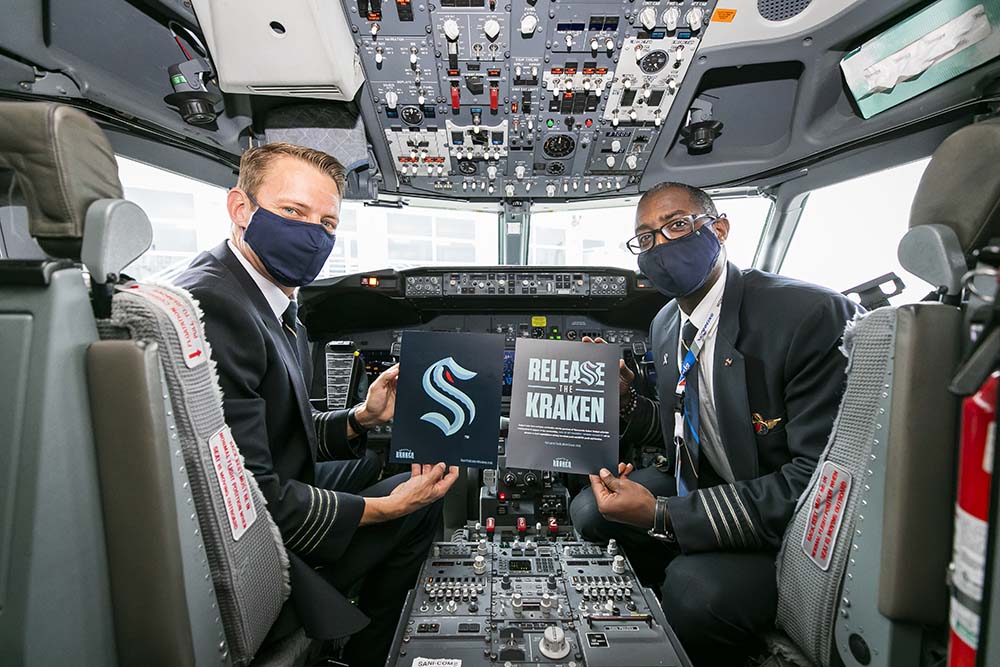
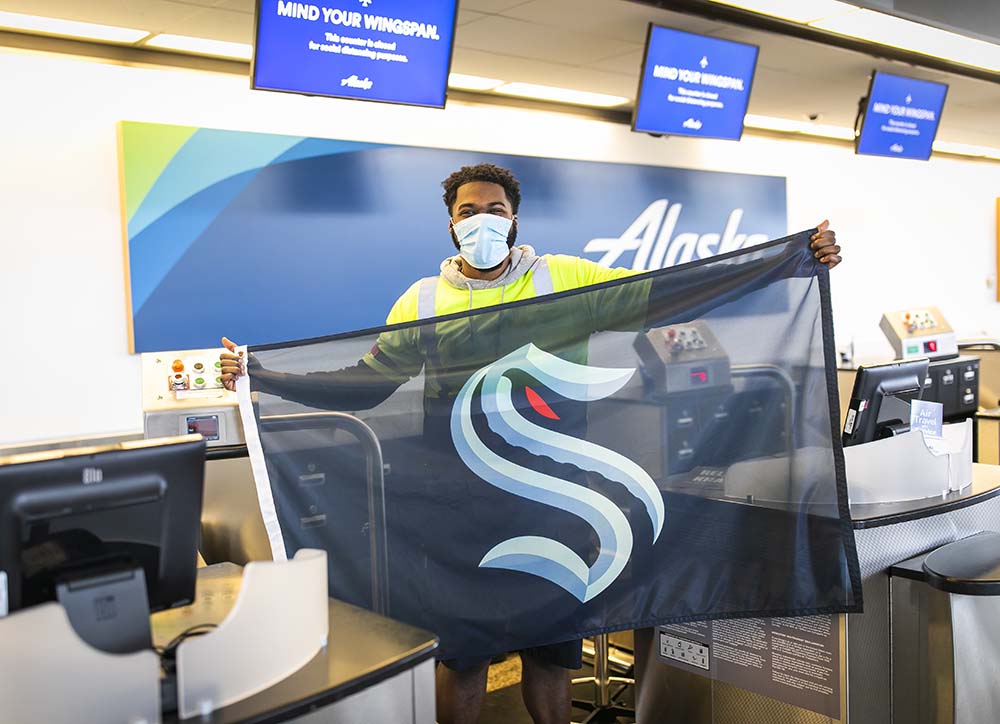
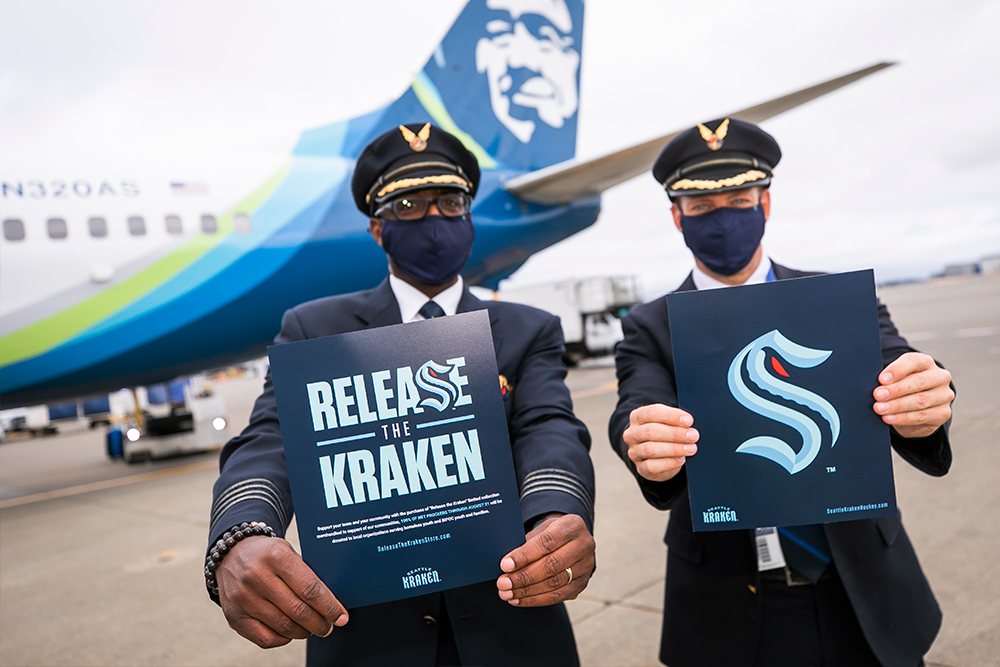
We’re the official airline of the Kraken!

NHL ANNOUNCES SEATTLE TEAM NAME, LOGO AND COLORS

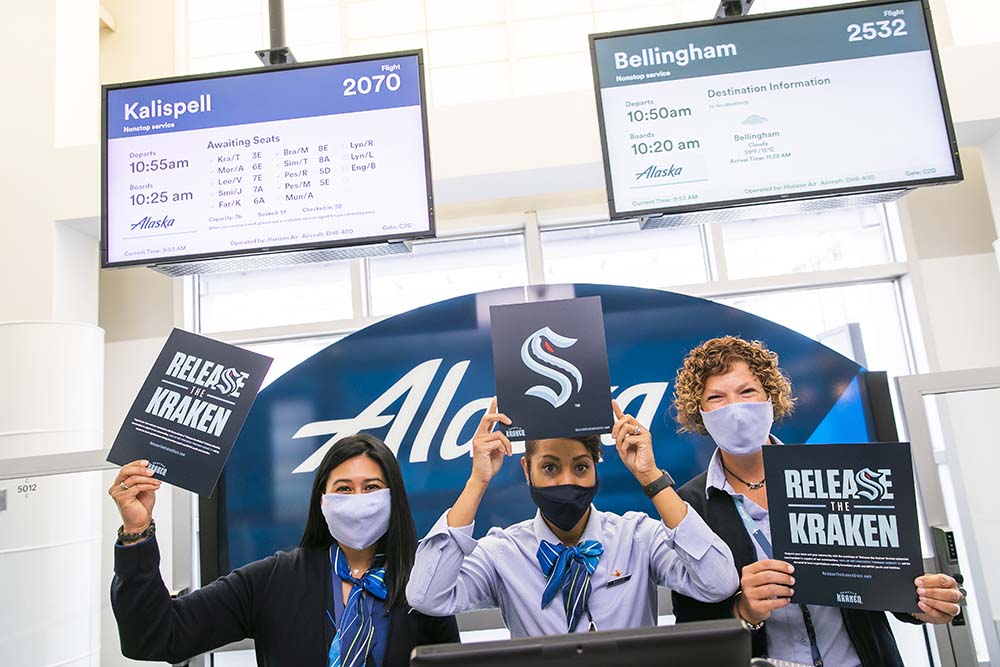
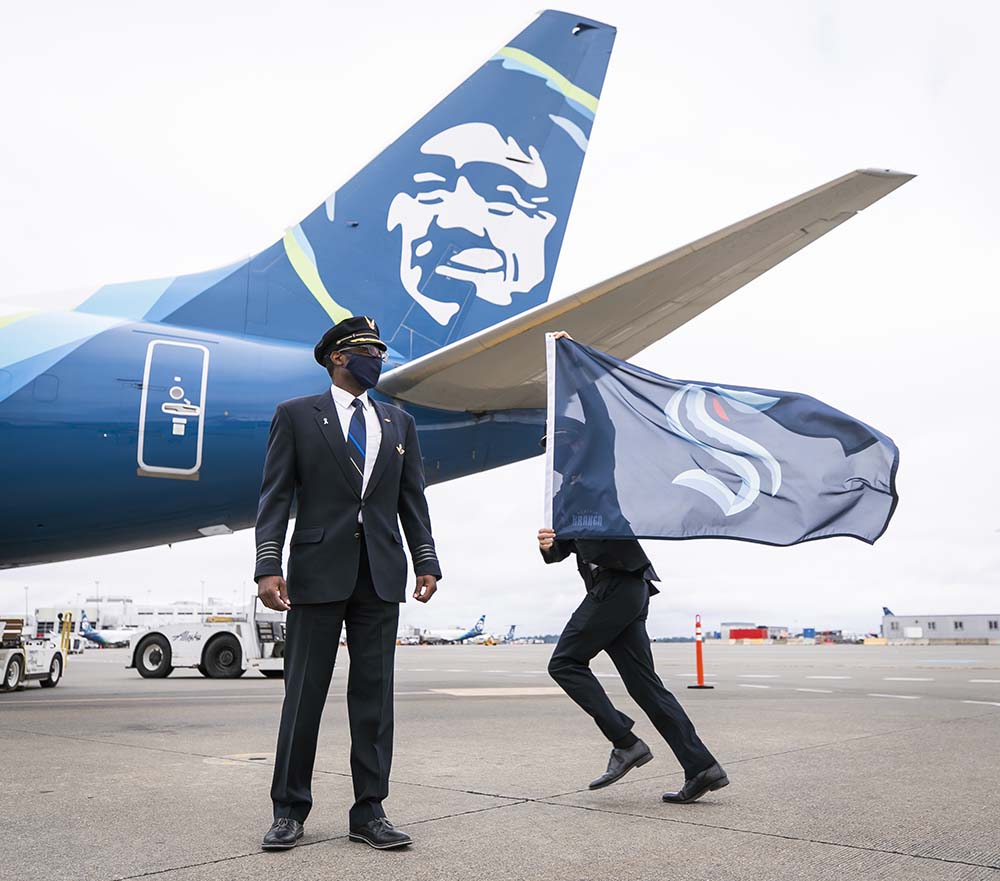
It’s official! Kraken is the name of the National Hockey League (NHL) expansion team from Seattle.

In an announcement Thursday at the construction site for the new Climate Pledge Arena in downtown Seattle, the NHL’s 32nd team revealed its name, logo and colors. Flanked by construction workers charged with building the new site, team officials said the name was an ode to the region’s maritime history and was born of the fans.

The long-anticipated news follows last January’s big announcement that Alaska Airlines is the founding partner and official airline of the Seattle NHL team, and will have naming rights to the stadium’s atrium.

The Seattle Kraken will beginning playing in the 2021-22 season  and already has an enthusiastic following across the region and beyond.

“I love it!! It’s such a cool logo!” said Alex Wigoda, senior schedule planning analyst who, being from Pittsburgh is a die-hard Penguins fan. “I’m having an internal conflict though. Guess I can have an East Coast team and a West Coast team.”

RELEASE THE KRAKEN MERCH & SUPPORT A GOOD CAUSE

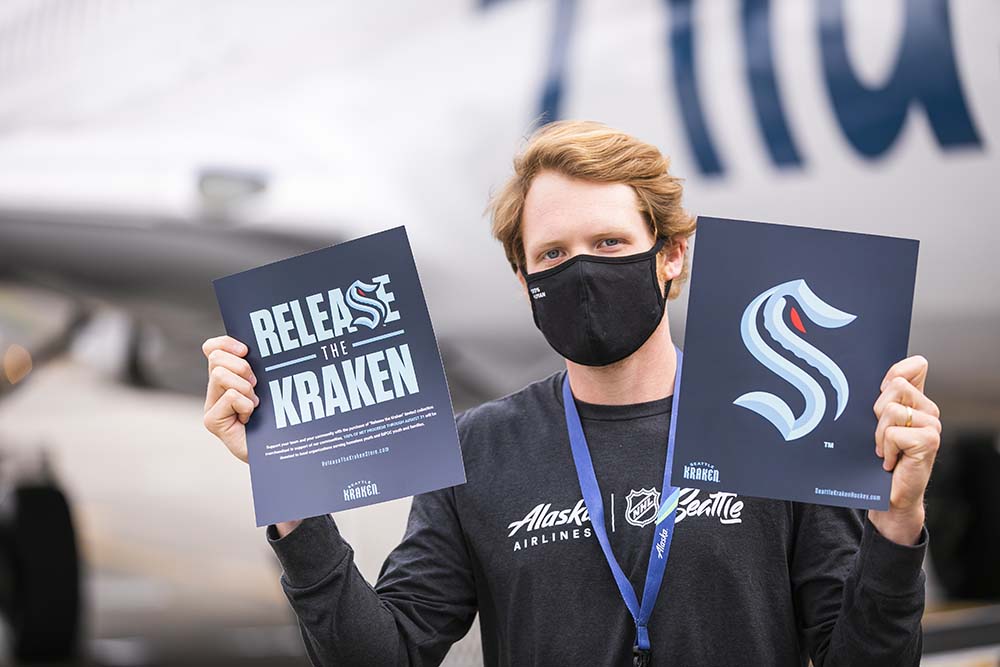
Seattle hockey fans can support the community by simply buying the franchise’s new branded gear at releasethekrakenstore.com, including blue (with a dash of red) t-shirts, hoodies, hats and more.

Through Aug. 21, the Seattle Kraken will give all net sale proceeds to local non-profits YouthCare, Community Passageways and the Urban League of Metropolitan Seattle to end youth homelessness an create positive pathways and opportunities for BIPOC youth in our region. We couldn’t be more on board with that kind-heartedness!

Welcome to Seattle, Kraken!

Watch: Meet the Seattle Kraken

Kōkua Our Schools: Coming Together for Hawai‘i’s Keiki

At Hawaiian Airlines, we know that when the going gets tough, our employees will always come together to help one another. The perpetuation of values like lōkahi (unity) and mālama (to care for) is intrinsic to our company, strengthening our role as the hometown carrier for over 90 years.

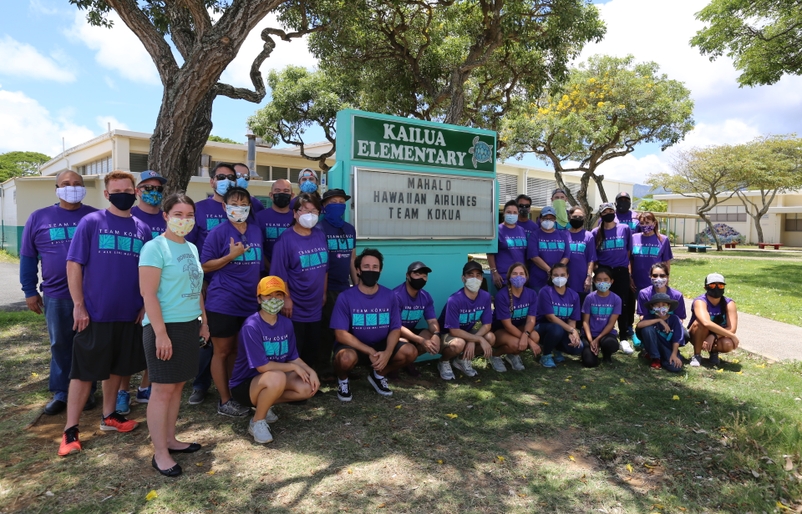
When the Hawai‘i State Department of Education (HIDOE) announced the Aug. 4 reopening of public schools with new COVID-19 protocols, we unveiled the Kōkua Our Schools program. The initiative, which kicked off in June in partnership with City Mill and POW! WOW! Hawai‘i, started with a callout to HIDOE school principals that offered volunteers through Team Kōkua, Hawaiianʻs employee community outreach group, to help ready their campuses for the fall semester.

Maunawili

Alisa Onishi, director of brand management at Hawaiian Airlines, power-washing the walkways of Maunawili Elementary, a participating school.


Ka‘elepulu Elementary was the first to call for assistance.

Each year, Ka‘elepulu welcomes over 200 keiki (children) in grades K-5 at its campus in Kailua, O‘ahu. Nestled in a quiet residential area, the elementary school has eight classrooms, a multipurpose room and administrative office, and two gardens. Its three buildings sit on over 11 acres of land, including a large hill that borders the back of campus and sported unruly, eight-foot-tall California grass and gnarled haole koa trees. 

Year-round, Ka‘elepulu’s two custodians maintain the school’s buildings and green space. However, the pandemic brought an early end to in-person learning, forcing the school to shutter for several weeks. As a result, tropical growth overran its grounds and gardens.

Kaelepulu4

Team Kōkua tackling the invasive California grass that lined the backside of Ka‘elepulu’s property.


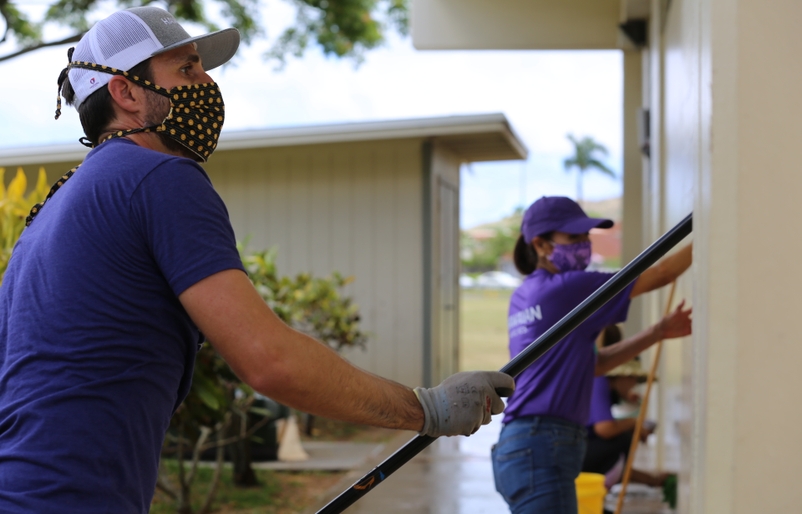
That’s when Team Kōkua lent a hand. For three six-hour workdays, 49 volunteers cleared fickle weeds, removed invasive trees, mowed overgrown grass, cleaned gardens, moved heavy classroom materials and furniture, and painted alongside Ka‘elepuluʻs caretakers and principal, Cherilyn Inouye.

Kaelepulu23

Inouye, pictured far right, worked alongside Team Kōkua as they gardened, landscaped and completed other duties before the start of the new school year.


“We have to maintain a large campus, so we often rely on community volunteers and parents to help with our gardens and landscaping during the summer. Hawaiian Airlines provided us with the manpower at no cost to us, and we were able to complete several major projects on campus in just a few days (which would have taken our staff weeks to complete),” Inouye said. 

“This allowed us to complete our summer cleaning schedule ahead of time, work on backlogged projects, and prepare for reopening school.”

When the campus refresh was complete, the school boasted a reinvigorated and vibrant learning environment.

Kaelepulu3

Volunteers working in the central garden at Ka'elepulu.


“It was an incredible feeling to step back and see the impact of our employees’ hard work. That was a moment when we felt the impact of coming together for the greater community,” said Debbie Nakanelua-Richards, director of community and cultural relations at Hawaiian Airlines. “Hawai‘i is our home, and when we invest in our community, we are also investing in ourselves. Being able to help our islands’ schools and breathe life back into our communities is an honor.”

Haleiwa-Lorna

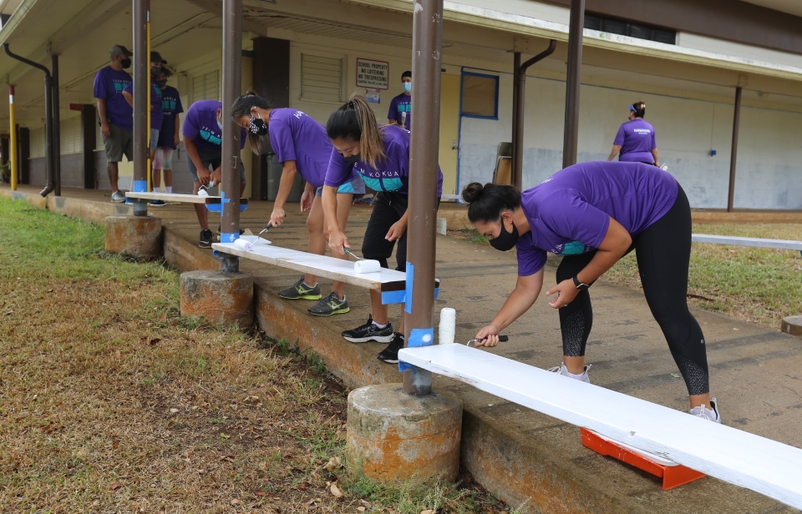
Volunteers and their 'ohana painting benches at Hale‘iwa Elementary School on O‘ahu's North Shore.


Our partners City Mill and POW! WOW! Hawai‘i played a critical role in supporting our employees’ work, contributing yard supplies, painting materials, and artists who painted a vibrant mural in the school’s cafeteria.

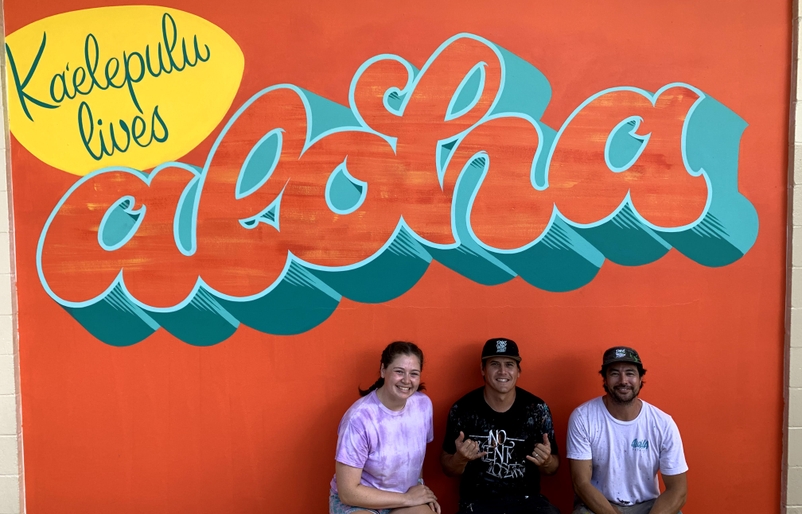
“It meant a lot to our custodians to have a team of volunteers to help with (literally) the heavy lifting and moving of furniture and tackle a seemingly endless hillside of invasive grass and trees behind the school,” Inouye said. “Our teachers stop by the campus and express their gratitude for the work the volunteers did and how beautiful our campus looks. We were also thankful for mural artists Jeff Gress and Kamea Hadar of the Pow! Wow! Hawaiʻi team, who completed an ‘Aloha’ mural in just two days. Our staff loves how bright and welcoming it is, and we cannot wait for our students to see it when they return.”

PowWow Mural

POW! WOW! Hawai‘i artists Alana Wilson, Kamea Hadar, and Jeff Gress pictured with their final artwork at Ka‘elepulu Elementary.


Ka‘elepulu is one of six schools throughout the state benefitting from the Kōkua Our Schools program this summer. Other schools with completed Team Kōkua projects include Waimea Canyon Middle on Kauaʻi, Hale‘īwa Elementary on Oʻahu’s North Shore, and Maunawili and Kailua Elementary, also on Oʻahu’s eastside. King Kamehameha III Elementary in Lahaina, Maui, is planned for the end of July. Each school’s need is different, though jobs have primarily focused on time-intensive and arduous projects, including landscaping, classroom prep, student device cleaning and set-up, painting, adding social distancing markers to walkways, and mural installations.

Kailua

Fun, locally inspired social distancing markers, such as this shaka, were painted throughout Kailua Elementaryʻs walkways to help keep keiki safe when they return to school.


“The reopening of school is especially stressful this year with the COVID-19 social distancing requirements, so having help with our summer cleaning and landscaping was such a gift,” Inouye added. “Partnerships like these work to strengthen our school's connections to the greater community and allow local organizations, businesses, and members of the public to learn about our school firsthand and build relationships with our students, families, and staff.”

Since Kōkua Our Schools’ inception, over 340 Team Kōkua employee volunteers and their family members have donated 2,219 hours of labor. POW! WOW! Hawai‘i artists have spent 64 hours designing and painting, and City Mill has contributed $2,500 in supplies. 

Maunawili 3

Scores of our employees worked together to prepare Maunawili Elementary School for the Aug. 4 reopening.


“We have many employees on voluntary furlough who reached out to us to find ways to give back in their downtime,” added Nakanelua-Richards. “We have volunteers participating in school projects on O‘ahu as well as Maui and Kaua‘i. It’s encouraging to see our ‘ohana and our partners use this difficult time to mālama our school communities.”

Kailua 2

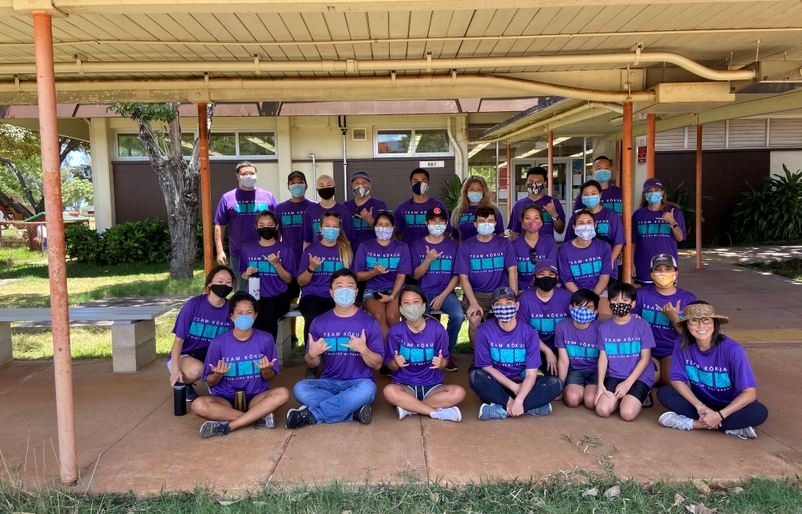
Team Kōkua volunteers gathered in front of Kailua Elementary School's sign.


Kōkua Our Schools is an ongoing project available to all Hawai‘i’s public schools. Principals interested in bringing the program to their campus can contact the HIDOE Community Engagement Branch at 808-305-0691 or ​dolly.wong@k12.hi.us​.  

Alaska Airlines Flight Attendant & Soul Food Chef Hampton Isom recognized for his ‘Giant’ heart

When Hampton Isom joined Alaska Airlines in 2015, he had no idea what would become of it and the joy he’d bring to people in the skies and his community.

Nominated by his peers, Isom, who is a flight attendant based in Seattle and also runs his own food truck business, recently won an initiative from the Brawny® paper towel brand for going out of his way to support his community.

Hampton Isom

The Brawny® Giants Initiative was created to recognize and support people who are going out of their way across the country to help those who’ve been affected by the COVID-19 pandemic.

After roaming the globe, first as a professional basketball player and later a flight attendant for Alaska Airlines, Isom aka “The Boss,” had big plans to bring his love of Cajun Cuisine to the Pacific Northwest while also giving back to people in need. Through “sweatin‘ and workin hard” and his Louisiana-rooted culinary skills, he created Dat Creole Soul, a nonprofit business in Seattle. He takes his cooking a step further by sharing hot plates with people who are homeless.

Whether he’s setting up shop down on Pine St. or at an annual festival or family reunion, when you see his Creole Soul truck pull up you know you’ll be taken care of with some hot food that “will stick to your ribs” like gumbo jambalaya, shrimp et tu fe, red beans and rice.

“When I got my food truck, every time I go out on location to sell food, the food that I have left over, instead of throwing it away, I will park somewhere and I got this sign that says ‘If you’re hungry stop on by and come get something to eat,’” he said.

Hampton says he hears the same questions and quips from guests almost every flight. From “If you were any taller, you wouldn’t fit in this plane” to “Do you play basketball?” And to reply, he says “You should’ve seen me with an afro,” and “yes” to playing basketball – Isom played in college and professional for 12 years in Turkey, Italy and Australia.

Born and raised in New Orleans, Isom says he grew up poor and knows what it’s like to be hungry. He says if he can help someone avoid it, he will.

“I grew up in the projects, food stamps the whole nine yards. I’ve been there. I know what it’s like to be hungry, I know how it feels to be cold,” he said. “It’s easy to give. Everyone has to eat plain and simple. More importantly, the world just needs to come together as a whole and everybody needs to be nice to somebody, it doesn’t cost anything to be nice.”

Before applying to work at Alaska, Isom was nervous that a 7-foot tall Black man might not be the best fit for working inside of an airplane all day or night, but it happened. Not only is he giant by nature—many airlines do have maximum height limitations that fall well under 7-feet—but he’s also a ‘Giant’ to people in his community.

“When it comes down to the grind, everyone I work with is ‘in.’ I use that same motto when I’m helping the homeless—I’m all in—whether I get donations from somebody or whether I gotta do it myself,” Isom said. “If I don’t get donations or a lot of stuff I just go out of pocket because I chose to go down this road to feed people and I will do it until I can’t do it anymore.”

Isom received a supply of Brawny® paper towel and a donation toward his business as part of the recognition.

Over eight weeks, Brawny® asked consumers to nominate their friends, family members and neighbors who are making a difference. Brawny® recognized and supported recipients like Isom (of course) with paper towels and donations to help him and others continue the work they are doing.

“Being a giant has nothing to do with a person’s height but everything to do with the action they take to bring good to this world,” says Katie Kolesky, Senior Director of Brand Building, Brawny®. “Giants like Hampton embody the Brawny® brand purpose of inspiring others to overcome life’s challenges with strength and resilience and do things from their hearts without expecting anything in return. We’re honored to help him continue to cook meals with love, kindness and compassion.”

Michelle Spackman, an Alaska flight attendant based in Los Angeles, nominated Isom for the award. She says she’s only met him a handful of times but he made a lasting impression on her and that he just has something about him.

“He could not be a more deserving person. Forget the fact that he is 7 feet tall and what he is doing with the community. Just as a person, Hampton is remarkable. There’s no other word that describes him,” Spackman said.

Michelle Spackman

Alaska talks about going above and beyond and when you go through his posts, you see what he’s doing with the community and he even takes his time to go out to hand out flyers that say ‘my truck will be here at this date and this time and if you want a hot meal I will be here.’”

Spackman says she is normally the type of person who fast forwards through commercials and for whatever reason, she stopped to watch the Brawny® Giants Initiative commercial. She says the first person that came to my mind was Hampton.

“Whether he won or not, I’m glad there was somebody, a virtual stranger, who did something for him and to affect his life. He’s a legend in the making.” – Michelle Spackman

Photo shot by Ingrid Barrentine in 2019.

For more information about Isom & what’s on his menu visit Dat Creole Soul’s website and check out other Brawny® ‘Giants’ taking action here.

Katharine McEntee contributed to this story.

Hawaiian Holdings Announces 2020 Second Quarter Results Conference Call

HA High Res Logo_mid

HONOLULU, July 21, 2020 /PRNewswire/ — Hawaiian Holdings, Inc. (NASDAQ: HA), parent company of Hawaiian Airlines, Inc. ("Hawaiian"), plans to report its second quarter 2020 financial results after the market closes on Tuesday, July 28, 2020.  An investor conference call is scheduled for 4:30 p.m. Eastern Time that day.

The call will be open to all interested investors through a live audio webcast accessible in the Investor Relations section of Hawaiian's website at HawaiianAirlines.com. For those who are not able to listen to the live webcast, the call will be archived for 90 days on Hawaiian's website.

About Hawaiian Airlines     

Hawaiian Airlines, Inc. is a subsidiary of Hawaiian Holdings, Inc. (NASDAQ: HA). Additional information is available at HawaiianAirlines.com. Follow Hawaiian's Twitter updates (@HawaiianAir), become a fan on Facebook  (Hawaiian Airlines), and follow us on Instagram (hawaiianairlines). For career postings and updates, follow Hawaiian's LinkedIn page.

For media inquiries, please visit Hawaiian Airlines' online newsroom.


Cision View original content to download multimedia:http://www.prnewswire.com/news-releases/hawaiian-holdings-announces-2020-second-quarter-results-conference-call-301097397.html

SOURCE Hawaiian Holdings, Inc.

Donate Alaska Airlines miles to support HBCU students with UNCF

Alaska Mileage Plan members can donate miles to UNCF to fly students to and from Historically Black Colleges and Universities (HBCUs), as well as career-development opportunities like the annual HBCU Innovation Summit and more.

Miles donated will continue to help students fly to college tours at HBCUs, travel back and forth between school and home, and participate in a variety of leadership development programs and other programming offered by UNCF.

Robert, an aspiring economics major at Norfolk State University of the graduating class of 2020.

“Thank you Team Alaska and the Mileage plan family. Your generous support helps our UNCF students achieve their college and career dreams. Education can break the cycle of poverty and together we create access to educational opportunity, one student at a time,” said Linda Thompson-Black UNCF Pacific Northwest Area Development Director.

UNCF is one of more than a dozen other nonprofit organizations supported year-round by Alaska’s Mileage Plan members through the airline’s LIFT Miles donation program. Since 2011, members have donated more than 300 million miles.

Related: The gift of miles brings HBCU students home for the holidays – and opens doors to careers.

How to give

Mileage Plan members can donate as few as 1,000 miles through Alaska’s LIFT Miles program at alaskaair.com/donatemiles. Bonus: Donating will help keep your account active if you haven’t been flying or redeeming as frequently.

UNCF also accepts cash donations for its various programs, including scholarships, mentorship and other programming. Learn more at uncf.org.

UNCF brings dreams within reach

In 2017, Alaska Airlines named UNCF a LIFT Miles partner which allows Alaska Mileage Plan members to donate miles to assist the organization in fulfilling its mission.

Founded in 1944, UNCF is the national leader in the effort to expand college access for Black students and other minority groups.

Sanyh Aarons, student at Benedict College.

“UNCF does amazing work, and we’re thrilled Mileage Plan members have the opportunity to help further this organization’s mission,” said Shaunta Hyde, a UNCF board member and Alaska’s managing director of community relations. “We chose UNCF because the work they do has a direct impact on underserved Black communities across the United States.”

Supporting young people and helping them to pursue their educational dreams is an initiative that Alaska strongly supports. Alaska believes that every young person deserves the opportunity to have the best start in life, and education allows them the opportunity to pursue their goals and dreams.

Additional partner organizations Mileage Plan members can donate to include The Nature Conservancy, Make-A-Wish Foundation, Medical Teams International, Fred Hutch Cancer Research Center, National Forest Foundation, Fisher House Foundation, Dream Foundation, Angel Flight West, Seattle Children’s Hospital, and the Alaska Airlines Disaster Relief pool, and the Alaska Airlines Miles for Youth. Learn more at alaskaair.com/donatemiles.

Changing Course: Planning our Future in Uncertain Times

Network Planning and Revenue Management is arguably one of the most complex areas of the airline business. At Hawaiian, it is where we make crucial decisions ranging from where we deploy our fleet to how we arrange our seats and the services we offer our guests to maximize value to travelers and keep us growing. So, what happens when a global pandemic forces the airline industry to almost shut down with nearly no markets to serve or seats to sell?

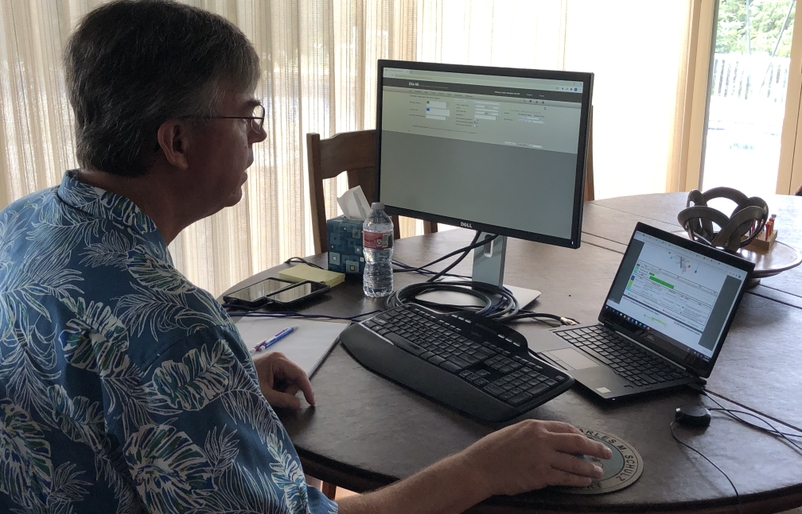
Bob Westgate, Hawaiianʻs managing director of network and schedule planning, explains how his 16 team members have had to quickly adapt to these exceptional industry changes.

IMG_7221

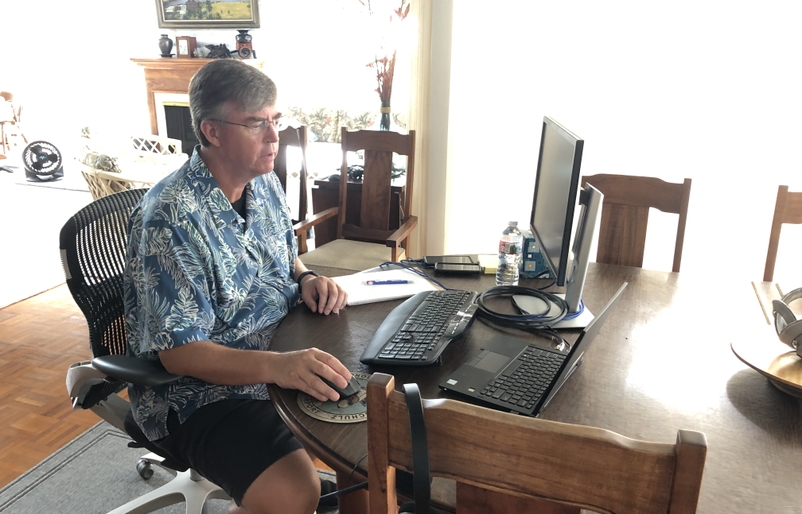
Bob Westgate currently manages his 16 team members from his home office.

Network Planning

Our Network Planning team has been actively monitoring industry developments since traditional, weekly updates are quickly out-of-date in the very fast-paced and fluid pandemic environment. The team has been analyzing how past economic events, including 9/11 and the last financial crisis, impacted Hawaiʻiʻs visitor numbers. They are reviewing the relationship between unemployment rates and Hawaiʻi visitor levels to see if any parallels to our current situation can be discerned. The group continues to monitor currency exchange rates and the status of various international travel restrictions to determine when we will be able to resume services to many of our international markets.

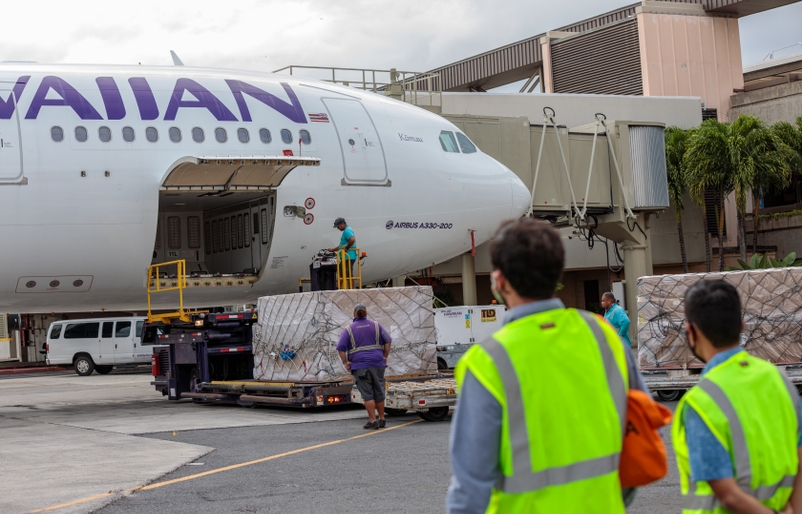
Lastly, we have been assisting our cargo team in determining the costs associated with all freight operations. Since mid-April, we have been operating regular all-cargo Airbus A330 flights between Honolulu and Incheon, South Korea, and Narita in Japan and Los Angeles, along with one-off flights from Shenzhen, China, to Honolulu and Taipei to San Francisco. We have several more flights planned from Hong Kong and Taipei and others under consideration.

PTHM0315

Our Network Planning and Cargo teams worked together to ship 1.6 million masks from Shenzhen, China to Honolulu in April.

Future Schedules

Members of our Future Schedules team have been working through a significant number of ramp-up scenarios to help us plan our future. These exercises have led to very detailed schedule modeling so we can determine the resources we may need under different situations. The team recently took the lead in determining what it would take for us to operate one-stop flights in the event they became necessary to be CARES Act compliant. An example of a one-stop flight would be Honolulu-New York-Boston, using one flight to serve two East Coast stations in our network. This option, which falls outside our existing model as a destination carrier, in which every one of our flights begins or ends in Hawaiʻi, was not deemed necessary.  

This team is also responsible for monitoring block times – the amount of time a flight takes, from pushing back from the departure gate to arriving at the destination gate. Accurate block times help with flight planning and ensure we don’t arrive too early when a gate may not be available. Our block times analyst has been studying the impact of significantly less industry activity at our airports and in the sky. This effort has led to modest one-to-two-minute block reductions for our Honolulu and neighbor island flights, and up to 10 minutes for our flights to and from the U.S. mainland.

Alex B

Alex Bachwich, manager of future schedules, is working around the clock in his home office to stay on top of the fast-paced industry changes.

Current Schedules

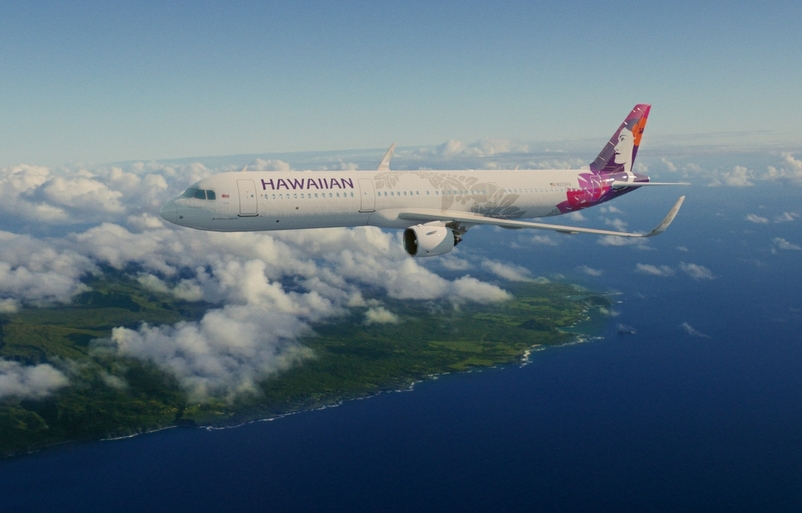
The Current Schedules team has been producing multiple scenarios before finalizing each month’s schedule. This preparation has been challenging because we need to rely on various governments for key dates, including when local, state and country quarantines are scheduled to be lifted. This team is also responsible, along with Revenue Management, for determining when neighbor island up gauges or extra flights are deemed necessary to accommodate in-flight social distancing, particularly on peak travel days. As an example, we have occasionally been operating our midsize Airbus A321neo aircraft in place of our smaller Boeing B717s on select Maui-Honolulu routes where we’ve seen higher bookings. This allows us to meet demand while capping our loads to allow for distancing onboard.

We have also increased our charter planning now that we have more available aircraft to pursue charter opportunities, which help offset some of the lost revenue on our reduced commercial schedule. Slot coordination, an often-complicated process to maximize the efficient use of airport infrastructure, continues to take up a lot of time, especially for ad hoc charters and cargo-only operations, and because we are making decisions relatively late in the slot coordination process.


2019_A321_Over_Maui

Our Current Schedules team is also responsible, along with Revenue Management, for determining when neighbor island up gauges or extra flights are deemed necessary to accommodate in-flight social distancing, particularly on peak travel days.

Publications

Each time we add, cancel or retime our flights, we run a schedule change that is reflected on HawaiianAirlines.com, the Sabre reservation system and the global distribution systems. Prior to the pandemic, our Publications team would process one or two schedule changes per week. This has evolved into one or two changes per day as rapidly changing conditions force us to make relatively close-in decisions about our capacity. They have also been tasked with implementing the new seat maps with middle seat blocks to provide more personal space for our guests.

Additionally, codeshare coordination has become increasingly challenging as all airlines are scrambling to identify close-in schedules that offer passengers a seamless connection and, when necessary, reaccommodation options. We typically have 10 days to work with our codeshare partners but the urgency to make last-minute schedule changes has forced us to coordinate with partners in near real-time. This is especially important for our codeshare partners that rely on our neighbor island network since most nonstop flights between the U.S. mainland and neighbor island points have been cancelled due to decreased demand caused by the ongoing pandemic. 

At the end of the day, my team is doing their best to break down complicated information and communicate it as effectively as possible, and I’d like to mahalo all the teams we have been working closely with, especially airport operations, crew, maintenance planning, our System Operations Control Center and catering. This close and speedy coordination has made it easier for us to do our jobs and continue to serve our guests in these tumultuous times.

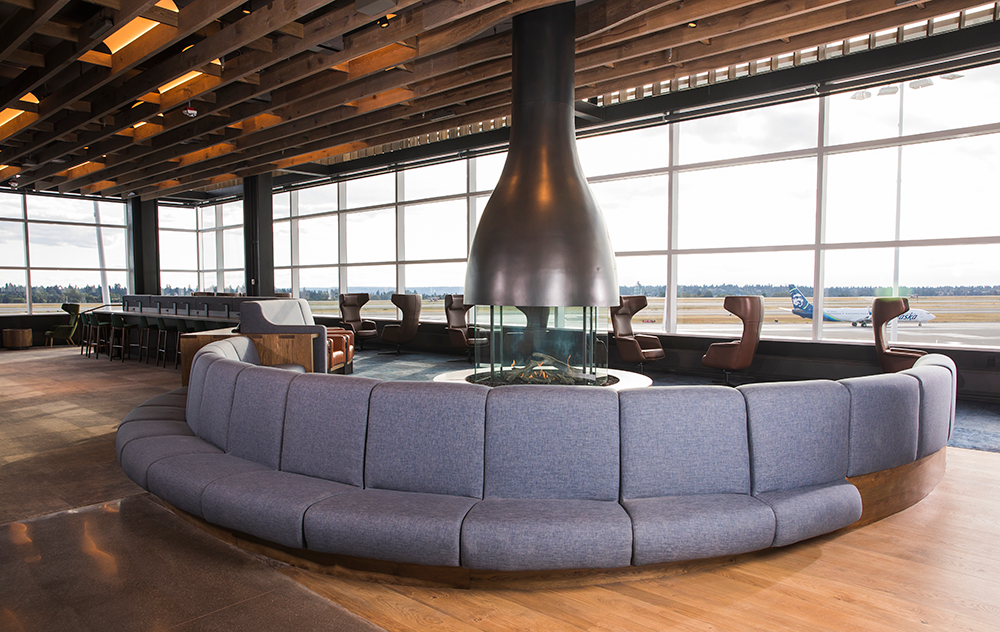
Alaska Airlines plans to start reopening Lounges Aug. 1

We’re providing our guests with Next Level Care on board, at the airport and in our Lounges.  We’ve made some changes to our Lounges to ensure your comfort and safety. Please continue to check back for updates as the situation evolves. Thank you for your patience, flexibility and understanding during this time.

Locations & hours

  • Currently, only our SEA D Concourse Lounge is open.
  • Effective Aug. 1 we will be reopening our Lounges in ANC, PDX, LAX and SEA North Satellite.
  • Our current hours are available on our locations and hours page.
  • We’ll continue to update this page with any additional closures or changes to hours of operation.

Cleaning + Safety

  • Employees are taking temperature checks before starting each shift.
  • We are limiting each location’s capacity based on local restrictions, which in most cities is currently 50%.
  • Guests and employees are required to wear masks when not eating or drinking.
  • Hand-sanitizing stations have been installed in multiple locations throughout each Lounge.
  • Foot-pull door handles have been installed in each restroom.
  • Our staff will be continuously cleaning each Lounge throughout the day.
  • We will be replacing physical newspapers with complimentary online access to digital media while on our Lounge Wi-Fi.
  • We have added signage to encourage social distancing and have removed seats at high-density areas.
  • When checking-in, we request that you hold out your boarding pass to our staff to scan, rather than passing your phone or boarding pass to them.
  • We have paused the use of fingerprint scanners.

Food & beverage

  • While self-service buffets are most likely a thing of the past, fresh food options will be available in locations where current local restrictions allow.
  • Pre-packaged snacks will be available in all locations.
  • You’ll see our team continuing to wear gloves and only pour drinks into clean glasses.
  • Beer, wine and liquor selections will be reinstated as local authorities permit.
  • We’ve removed free-standing water towers and instead encourage guests to ask for a clean glass or bring a water bottle that our barista would be happy to fill for you.

Memberships

  • This spring all guests with an active membership as of April 1, 2020, received a 6-month extension.
  • Your digital membership card was updated in May.  To access, open the Alaska Airlines mobile app, go to “Account,” then click “Alaska Lounge card.”
  • We no longer send out physical membership cards, except upon request. To request a physical card, please email Alaska.Lounge@alaskaair.com with your Mileage Plan number.

Alaska Airlines is setting sustainable goals to make flying matter

The onset of the COVID-19 pandemic changed many of your plans and ours. On top of the public health crisis, many around the country and world have lost their jobs and are experiencing an unprecedented amount of uncertainty. Our eyes have also been opened wider to the senseless race-related violence and painful experiences that our Black neighbors, friends and colleagues live with every day. In addition, the challenge of climate change remains critical to address. These are not easy times, but they do remind us how deeply we are connected, and how critical our individual and collective actions are.

At Alaska Airlines, we know something about connection: our top priority is to connect people safely, with fantastic travel experiences and a workplace our employees are proud of. Flying is – and will remain – an important part of how we see family, do business, learn about other cultures and explore the world. It’s up to us to keep it thriving for many years to come and to do so in a way that is responsible to all those who depend on us.

Photo by Ingrid Barrentine

A few years ago, we began using the term “LIFT” for our long-time efforts around environmental and social impact, riffing on the physics principle at the root of aviation. And today, we released our 2019 LIFT Report, which includes data we use to hold ourselves accountable for goals set over the last decade to measure our performance and progress in these areas. The report shares progress in areas such as fuel emissions, waste management and reduction, employee engagement, and supplier labor practices – and 2020 goal attainment in areas such as safety and supporting education opportunity.

This year, to increase transparency, we are also reporting according to Sustainable Accounting Standards Board (SASB) guidelines including deeper commentary on safety and climate. We are proud of our industry leadership on aviation safety and have expanded that focus to the personal health and safety of our guests and employees in light of COVID-19. We also know that our greatest material impact is the carbon generated through burning fuel in our operation and that this has an impact on the climate. We hold ourselves accountable to continue to address that impact through ongoing effort to improve fuel efficiency, use of sustainable aviation fuels and investment in carbon offsets.

This work is as imperative as ever to address racial equity, economic opportunity, and climate change. In the next year, we will roll out new five-year objectives to reflect our commitments in each of these areas, including our impact on carbon, waste and water. We’ve learned from the coronavirus pandemic that our collective actions have impacts around the globe – and, that they can change a trend. These global challenges will require action from all of us. We are grateful for your support and partnership on this continued journey in creating “lift.”

Here are some of our sustainability efforts:

We’re reducing aircraft emissions by:

  • Investing in sustainable aviation fuels that are renewable and produce less emissions.
  • Purchasing more efficient aircraft and upgrading existing planes with advanced design features.
  • Using technology to fly safer routes that use less fuel.

We’re producing less waste by:

We’re making flying matter by:

Many of these initiatives are truly employee-driven.

Our robust recycling program (which we’re itching to return to) began in the mid-80s from the passion of a Horizon Air flight attendant. Though inflight recycling is paused during Covid-19 to reduce risk for guests and employees alike, we look forward to restarting on all our flights.

Our business resource groups, such as the Green Team and Air Group Black Employees Allies & Advocates (ABEA) push us to learn and continue to improve. They’ve created training and education programs, connected employees to volunteer and mentor to support young people’s educational and career advancement, and helped galvanize installation of water bottle filling stations and a move to #FillBeforeYouFly away from plastic water bottles in our offices.

Our safety reporting systems are a top priority every day – and since 2014, Alaska Air Group has honored more than 1,200 employees with the Safe Operations Award & Recognition (SOAR) program, in which peers nominate their fellow employees who’ve gone above and beyond to keep our operation safe.

See the full 2019 report here

We can’t do it alone.

When it comes to making an impact, we all have a role to play. At Alaska Airlines we are building toward a more equitable and sustainable future. With your help, we can make flying matter and help our planet thrive.

Here’s what you can do:

#FillBeforeYouFly: We’re partnering with The Lonely Whale to reduce plastic bottles by making sure you fill up your reusable water bottle before you board. Every time you bring a prefilled water bottle on an Alaska flight and post it to social media with the hashtag #FillBeforeYouFly, we are planting a tree with help from the Bonneville Environmental Foundation. Learn more

Donate Charity Miles: Our Charity Miles program offers members a unique and meaningful way to support important causes and use travel for impact. In 2019, our passengers donated 73 million miles, valued at over $2 million, to [10 partners, including The Nature Conservancy and the National Forest Foundation]. Read more

Pack light, fly direct, and purchase carbon offsets: Every pound you bring on the plane and every mile you travel matters. We encourage every guest to take the least amount of luggage possible and to pick the most direct flights to reduce the amount of emissions it takes to get you and your luggage to your destination. If you want to do more, you can offset your travel by participating in our carbon offset program. More info

Learn more about our sustainability efforts at FlySustainably.com.

Hawaiian Airlines’ volunteers, partners helping Hawaiʻi’s public school campuses get ready for fall

HONOLULU – Hawaiian Airlines’ community outreach group, Team Kōkua, and partners have been working with interested Hawaiʻi public school principals on projects to freshen up their campuses and prepare for the new school year. The Kōkua Our Schools program will continue after the 2020-21 school year begins.

Three campus projects have been completed at Kaʻelepulu Elementary in Enchanted Lake, Waimea Canyon Middle on Kauaʻi, and Haleʻiwa Elementary on Oʻahu’s North Shore. The projects included landscaping work, classroom prep, student device cleaning and set-up, painting and mural installations. Two more projects are planned in July at Maunawili Elementary and King Kamehameha III Elementary in Lahaina.

Kaelepulu21

Team Kōkua volunteers at Kaʻelepulu Elementary in Enchanted Lake


The work has been supported with donations of supplies from City Mill Co., Ltd. and the labor, talent and expertise of POW! WOW! Hawaiʻi, local artists, and teams of Hawaiian Airlines employees who live in these communities. School staff guided and participated in the work.

“Our state and our business have been hurt by the COVID-19 pandemic, but the resiliency and community spirit of our employees through Team Kōkua demonstrate again that they are our greatest asset. They just get it done,” said Hawaiian Airlines President and CEO Peter Ingram. “Schools are a vital support to our working families and we’re happy to do what we can to help bring them back.”

Kaelepulu4

A Team Kōkua volunteer at Kaʻelepulu Elementary in Enchanted Lake


“Hawaiian Airlines has been a valuable partner to the Department during this global health crisis and a tremendous supporter of our school communities. The time and resources donated by the company and its employees will have a lasting impact on our students, faculty and staff. We appreciate their willingness to give even as they dealt with the personal and professional impacts of this situation,” added Hawaiʻi Department of Education (DOE) Superintendent Dr. Christina Kishimoto.

The initiative came together in the spring after school campuses were closed during the early days of the pandemic and the state’s “safer at home” orders, when students and teachers began distance learning after spring break. Many Hawaiian Airlines employees were on voluntary furlough due to a significantly decreased flying schedule and the company sought opportunities to extend more kōkua into its communities. In addition to working with Lanakila Meals on Wheels and the Hawaii Foodbank, an offer to help the schools was presented to Hawaiʻi DOE leadership, who shared it with principals.

For the three projects completed thus far, Team Kōkua brought 221 volunteers who provided 1,064 hours of assistance, along with 55 hours provided by local artists.

Haleiwa-Group2

Team Kōkua volunteers at Haleʻiwa Elementary on Oʻahu’s North Shore.


City Mill Co., Ltd. donated $2,500 in supplies including paint, brushes and rollers, drop cloths, buckets and more. Hawaiian Airlines employees also donated an estimated $2,000 in paint and supplies to support the work.

A specially designed aloha mural was installed at Kaʻelepulu by POW! WOW! Hawaiʻi Director of Operations Jeff Gress and Co-Founder Kamea Hadar, with assistance from Alana Wilson. At Haleʻiwa Elementary, artists Jack Soren, Mark Visaya and Gary Fisher provided whimsical mauka-to-makai designs on student bathroom entrances. Two more POW! WOW! aloha murals are planned for King Kamehameha III Elementary and Maunawili Elementary.

To participate in the Kōkua Our Schools program, principals are encouraged to contact Dolly Wong in the DOE Community Engagement Branch.

Click here to download b-roll and images.


About Hawaiian Airlines

Hawaiian Airlines, Inc. is a subsidiary of Hawaiian Holdings, Inc. (NASDAQ: HA). Additional information is available at HawaiianAirlines.com. Follow Hawaiian’s Twitter updates (HawaiianAir), become a fan on Facebook  (Hawaiian Airlines), and follow us on Instagram (hawaiianairlines). For career postings and updates, follow Hawaiian’s LinkedIn page. For media inquiries, please visit Hawaiian Airlines’ online newsroom.
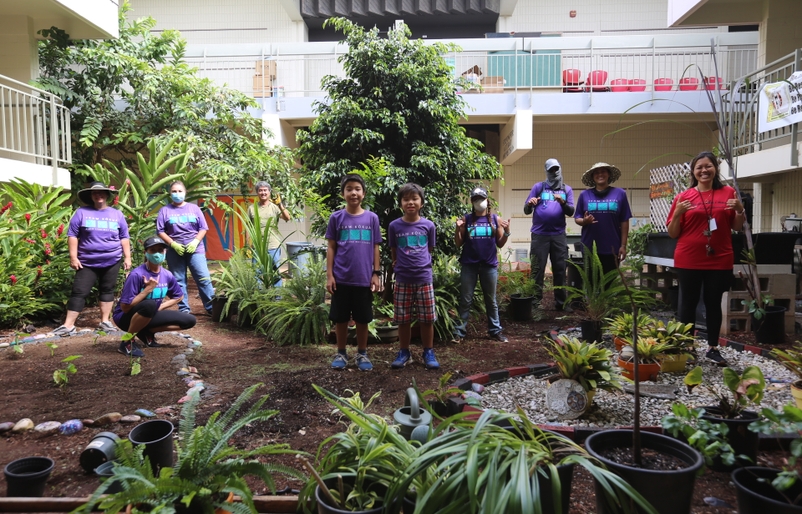
Learn more about its community partners: City Mill, POW! WOW! Hawaiʻi, and Jack Soren.

About the Hawaiʻi Department of Education

Hawaiʻi's public school system was founded on Oct. 15, 1840 by King Kamehameha III. It is the oldest public school system west of the Mississippi. Its 293 schools (256 public, 37 charter) belong to one statewide public school district with 15 regional Complex Areas. Learn more at HawaiiPublicSchools.org.

Hawaiian Airlines Launches Travel Assistance Program for Hawai‘i College Students

HA High Res Logo_mid

HONOLULU – As thousands of college students prepare to travel to Hawai‘i and within the islands for the fall semester, Hawaiian Airlines is hoping to ease their transition to campus life amid the pandemic. Under a new travel assistance program, Hawaiian is offering students registered for fall classes at Chaminade University, Hawaii Pacific University (HPU) and the University of Hawai‘i (UH) a five percent fare discount on its transpacific flights, and two complimentary checked bags and a flexible booking policy on all flights. The airline will also match HawaiianMiles that universities opt to purchase through the end of the year to provide additional travel support for students and their families.

“We are delighted to welcome onboard local, out-of-state and international students attending Hawai‘i universities so they can arrive refreshed and ready to resume their studies or begin their higher education,” said Theo Panagiotoulias, senior vice president for global sales and alliances at Hawaiian Airlines. “We always look forward to bringing students to Hawai‘i at the start of a new semester, and it will be a specially rewarding experience for us this year.”

Collectively, Chaminade, HPU and UH anticipate some 8,000 students may benefit from the program, with more than 6,100 of them expected to arrive in Hawai‘i from the U.S. mainland and international destinations. Students will enjoy discounted tickets and baggage allowances when booking travel at a special portal available via their universities through Dec. 31. Understanding travel plans may change, students will also be able to reschedule flights without change fees.

“Our students are excited to return to campus for fall and, given that HPU students come from every state and numerous countries, this generous offer from Hawaiian Airlines will provide relief to many of our families,” said HPU President John Gotanda. “Moving steadily toward a more normal way of living here in Hawai‘i includes bringing back the university students who add so much to our community. We greatly appreciate Hawaiian Airlines’ commitment both to our broader community and to the HPU ‘ohana.”

"We are grateful for the manawaleʻa (generosity) Hawaiian Airlines has extended university students (and their families) to travel to Hawaiʻi and continue their education,” said Chaminade University President Lynn Babington. “For many of our out-of-state, returning students, Hawaiʻi is home and we are anxious to welcome them back to campus and reunite as 'ohana. This program will provide much-needed savings, peace of mind and special consideration to our families as we learn to thrive in a new normal together."   

"The University of Hawaiʻi is looking forward to welcoming back our out-of-state students in the fall," said UH President David Lassner. "We are very grateful for the generosity of Hawaiian Airlines and their willingness to assist students and their families as they face unprecedented challenges in this new normal."

Hawaiian, which currently offers daily nonstop flights between Honolulu and Los Angeles, San Francisco, Seattle and Portland, will resume additional U.S. mainland routes next week and in August. It plans to restart international flights when countries begin reopening for travel. The airline continues to operate the best network of Neighbor Island flights offering convenient connectivity between Honolulu, Līhu‘e, Kahului, Kona, Hilo, Moloka‘i and Lāna‘i.

Guests arriving at Hawaiian’s airport lobbies will notice layered health and safety protocols throughout their journey, including social distancing measures when checking in, boarding and in-flight, plexiglass shields at counters and podiums, and frequent cleaning of self-service kiosks and aircraft, including electrostatic disinfection of cabins. Hawaiian is also encouraging travelers to check-in via its mobile app and requiring all guests to wear a mask or face covering (except for young children and those unable to do so due to a medical condition). Click here to learn more about how Hawaiian is keeping guests and employees safe.

About Hawaiian Airlines

Hawaiian Airlines, Inc. is a subsidiary of Hawaiian Holdings, Inc. (NASDAQ: HA). Additional information is available at HawaiianAirlines.com. Follow Hawaiian’s Twitter updates (@HawaiianAir), become a fan on Facebook  (Hawaiian Airlines), and follow us on Instagram (hawaiianairlines). For career postings and updates, follow Hawaiian’s LinkedIn page.
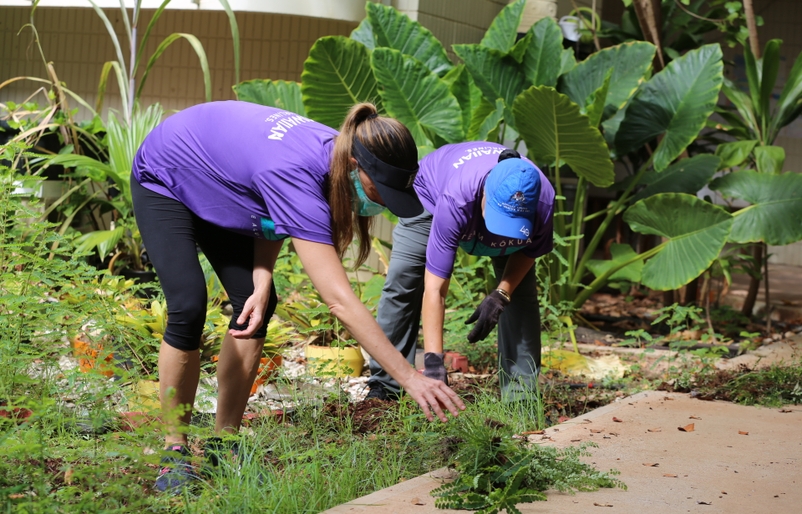
For media inquiries, please visit Hawaiian Airlines’ online newsroom.

Loading...