Travel Pono on the Island of Hawai‘i: From Volcanoes to Waterfalls, Memorable Experiences for All

From tropical forests and black sand beaches to fields of lava rock and active volcanoes, the Island of Hawai‘i runs the gamut in outdoor wonder. Known as the Big Island, this destination offers more than 4,000 square miles of endless opportunities to experience Hawai‘i in its most authentic form. No matter what your interests are, from exploring trails to walking the beaches or just taking a sightseeing drive, there’s a safe activity for all who are traveling responsibly during the COVID-19 pandemic.


Experience a Hotel with Nature, Adventure and Relaxation

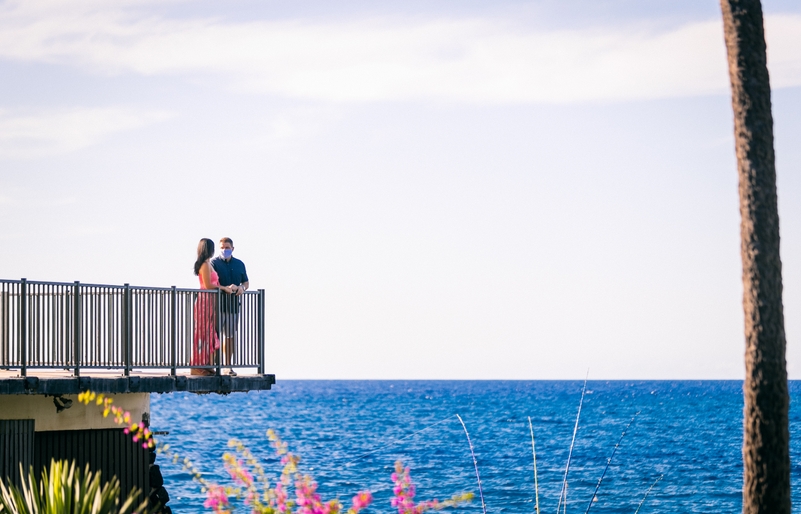
If a hotel with incredible views and superior outdoor experiences is on your wish list, consider the Sheraton Kona Resort and Spa at Keauhou Bay. On the island’s Kona Coast, the resort, surrounded by lush green forests and volcanic rock, sits directly on the edge of the historic Keauhou Bay, where you can snorkel with manta rays at night. The hotel’s expansive property evokes a relaxing feeling that speaks to the beauty of the island, with panoramic views and plenty of opportunities to learn about its rich history with cultural tours and activities such as hula lessons. 

hawaiianairlines-227

Guests will find helpful reminders to wear face coverings while wandering the Sheraton Kona Resort and Spa at Keauhou Bay property.


"On behalf of the Sheraton Kona ‘ohana, we would like to express our appreciation to our community, our partners, our customers and clients for their support,” said Paul Evasick, general manager of Sheraton Kona Resort and Spa at Keauhou Bay.

hawaiianairlines-194

Check-in is still a breeze at Sheraton Kona, but masks are required and a plexiglass shield protects both guests and employees.


“The wellbeing of our guests and associates is our priority as we adhere to Marriott International’s Commitment to Clean, with enhanced health and cleaning protocols. These include signage throughout the resort to remind guests to maintain social distancing plus sanitizing stations with masks, hand sanitizer and gloves. We have limited elevator capacity, occupancy limits and installed partitions at front desks and require face coverings by employees and guests in accordance with state and local guidelines. We look forward to the return of our visitors when they are ready to travel, so they may experience the spirit of Aloha," Evasick added. More information on what guests can expect when visiting the resort can be found here.

Renting a car? Plan to explore nearby attractions, including Kona coffee farms, Kealakekua Bay State Historical Park and Hawai‘i Volcanoes National Park.


Explore One of Hawai‘i’s Pristine National Parks

Hawai‘i Volcanoes National Park is one of the state’s two major national parks and home to Kīlauea and Mauna Loa, two of the world’s most active volcanoes. Visitors can explore the park’s over 123,000 acres of designated wilderness, which includes plenty of day hikes, far-off cabins for more experienced trekkers, and a scenic drive around the summit of Kīlauea.

GettyImages-599886370

Hawai‘i Volcanoes National Park at night


Travelers should plan their trip before exploring the park and brief themselves on its cultural significance. While most of the park is open to visitors during the COVID-19 pandemic, some services may be restricted. All visitors are required to follow strict health and safety protocols, including wearing a mask when distancing is difficult, practicing social distancing, not visiting while sick, and more.

17_Volcano House_hawaii--23

The view from one of the Hawai‘i Volcanoes National Park's scenic points.


“Services are limited, and visitors should bring everything they might need for a safe visit including water, meals, and hand sanitizer. Above all, visitors should pack their patience, avoid crowds, and have alternate destinations planned should parking lots be full,” said Rhonda Loh, acting superintendent of Hawai‘i Volcanoes National Park.


Adventure Responsibly, No Matter Where You Go

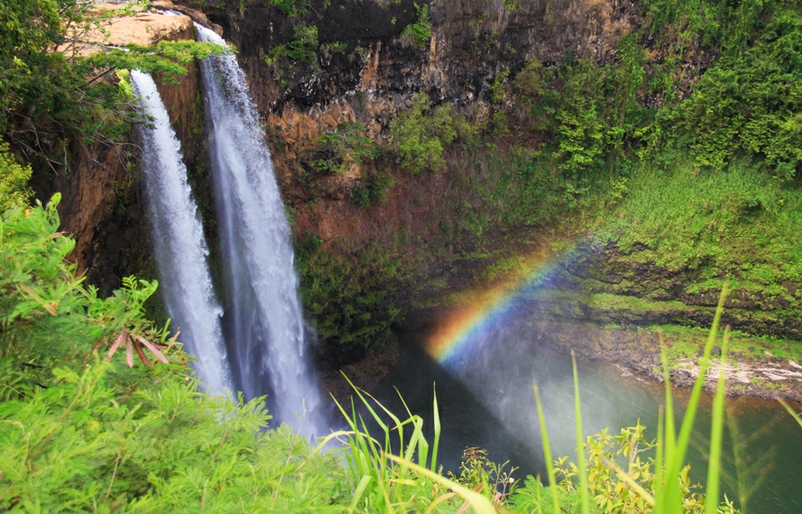
The Island of Hawai‘i is a treasure trove of spectacular outdoor destinations, including Rainbow FallsPōlolu Valley‘Akaka Falls and more. We recommend visiting GoHawaii.com to learn about each place and their cultural history. Please also reference the Hawai‘i County website for the latest COVID-19 requirements and protocols before visiting the island. 

15_Wailua Waterfalls_hawaiiCU-127-v3

Rainbow Falls is a remarkable, must-see destination for visitors to Hilo.


As always, mahalo for traveling pono (responsibly)!

Giving Tuesday: The Gift of Voyaging

In June 2017, some 50,000 Hawai‘i residents and visitors gathered at O‘ahu’s Magic Island, as well as offshore on surfboards, kayaks and boats, to greet the voyaging canoe Hōkūle‘a, whose crew had sailed 42,000 nautical miles over four years to “weave a lei of hope” around the world.

The Mālama Honua (to care for our Earth) Worldwide Voyage sponsored by Hawaiian Airlines was an exceptional feat by brave and skilled crewmembers who sailed using only Polynesian wayfinding techniques. But the voyage could not have succeeded without the kōkua of passionate volunteers with the nonprofit The Friends of Hokule‘a and Hawai‘iloa.

The Friends was established in 1996 by master canoe builder, Wright Bowman Jr., who was concerned that the art of canoe building would be lost. By building, maintaining, and restoring canoes, the Friends hope to improve understanding and appreciation for this unique Hawaiian heritage, not only for Hawaiians but for anyone interested in learning.

Students

Halau Ku Mana Public Charter School students learning the ropes as part of a program of the Kanehunamoku Voyaging Academy.


We recently talked story with the Friends, one of 14 local nonprofit partners of our HawaiianMiles Charity Program, whose operations have also been disrupted by the COVID-19 pandemic.​ In preparation for Giving Tuesday, we are highlighting our hardworking charities and inviting our HawaiianMiles members to join us in supporting them in a special promotion.

For every mile donated on Dec. 1, we will match up to 100,000 HawaiianMiles to each recipient organization – on top of 500,000 miles we pledge to match annually.


How has the COVID-19 pandemic impacted the work and operations of the Friends?

Like most if not all of the population here in Hawai’i, the impact has been moderate to severe. Moderate in that our volunteers have not been infected (to date) by the virus because they adhere to the safe practices that all of our citizenries have been asked to abide by. But also severe in that because of those very practices, and the protocols put in place by our state (for our own safety), we are for the most part unable to access the canoes within our care. It is not the fault of anyone – it is a result of a virus that has changed the way we must think, act and respond.

Funding, too, is an obvious victim of the pandemic. Corporations, as well as charity-minded individuals, have suffered economically. They must choose between what keeps their companies and/or family afloat and/or give to well-meaning organizations to which they have supported for years. To those who have given us that support over the years, please know that we are most grateful.

What are some projects currently underway to support the Friends’ mission?

We have multiple projects underway simultaneously, both big and small.

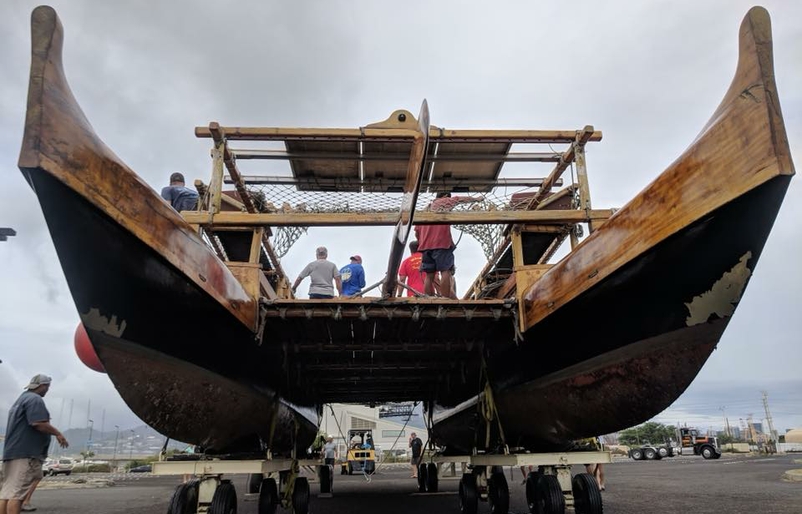
Our largest is the voyaging canoe Hawai‘iloa, a 58-foot sailing canoe built entirely out of natural materials, including two hollowed-out logs, a gift of native Alaskans, which serves as its hulls. Launched in 1993, Hawai’iloa was a project of both the Bishop Museum and the Polynesian Voyaging Society, and was the second vessel to be built and sailed to Tahiti and back in the traditional manner of Hawai’i’s ancient voyagers. Owned by the Bishop Museum, the Friends accepted responsibility for the maintenance, upkeep, and care of this living cultural artifact upon completion of its maiden voyages.  

Canoe maintenance

Volunteers Moana and Keoe varnishing the mast, boom and spar of Hawai'iloa.

Our smaller projects consist of a collection of outrigger canoes ranging in size from 12 to 40 feet in length. Many of these canoes are over a century old – the centerpiece being a canoe once belonging to Prince Jonah Kūhiō Kalaniana‘ole. The smaller size of the outriggers allows us to share canoe building skills and traditions with those interested in the craft. More importantly, within the educational system, we have had charter school students take part in the refurbishing of very old and worn canoes, and make them new again. The idea then is to keep these traditions alive, lest they be lost.

What is the biggest challenge the Friends are facing today?

Interestingly enough, the challenges we face are the same as what we all are facing. The latest is the ongoing pandemic. Not being allowed as such to access the vessels and projects because of COVID protocols. “Cluster” is the new moniker for the work crew. Fundraising events canceled, and it goes on. But perhaps it was inevitable because our environment has been suffering the same for years.

In our search for replacement materials for our projects, we face the difficult decision as to whether we can replace old parts of the voyaging canoe Hawai’iloa, which are made of ‘ohia, for fear of spreading rapid ʻōhiʻa death. Or, parts made of koa because of diseases as rust and wood-rotting fungi.

Fundraising has of course suffered accordingly due to the pandemic. Annual events to raise monies have all but been canceled, and a plethora of fundraisers compete daily within a virtual landscape.

How can the community support the efforts of the Friends?

Your miles, should you decide to donate to the Friends of Hokule’a and Hawai’iloa, will allow us to travel interisland to search for environmentally safe materials for canoe building, maintenance, and repair. It will also allow for outreach into our communities and schools to share in the traditions of our ancestors.

We are also planning to take Hawai’iloa to Alaska as an expression of gratitude for their gift of the Sitka Spruce logs used for the making of the hulls. Donated miles would let us switch out our crews at selected ports of call so as to not have them away from their family and jobs for an extended period of time.

However, mindful support would be in the form of taking action to care for yourself and come to a deeper understanding of the changes in our lives brought on by COVID. Apply it then, to you, your family, and your community, and relate it to our environment, which has suffered the same fate for years as a result of viruses and disease. The fate of one tree, one forest, one island, and one Earth is in our hands.

Hawaiian Airlines Brings Convenient Pre-Travel Testing to Los Angeles, Las Vegas, Portland and Seattle

HA High Res Logo_mid

HONOLULU – Hawaiian Airlines today announced it is offering drive-through and walk-up COVID-19 pre-flight tests for its guests traveling to the islands from Los Angeles, Las Vegas, Portland and Seattle. Guests who test within 72 hours of their flight and receive a negative result prior to departure will be exempt from the state of Hawai‘i quarantine.

Hawaiian’s guests in the Los Angeles area have exclusive access to the carrier’s newest testing site that opened today in Culver City, its second location in partnership with Worksite Labs. Hawaiian began offering the $90 shallow nasal swab tests – with results provided within 36 hours – last month near San Francisco International Airport. It will open its third site tomorrow across from the Main Street Casino Brewery Hotel in Las Vegas.

The airline’s guests departing from McCarran International Airport can also receive testing from University Medical Center of Southern Nevada (UMC) at the Las Vegas Convention Center, the UMC Advanced Center for Health or any of UMC’s nine Quick Care locations. Meanwhile, Hawaiian has joined with US BioTek to offer nasal swab and saliva tests in Portland and three Seattle locations, including Shoreline, Redmond and Tacoma.

“We know how important it is for our guests to have convenient, reliable access to pre-travel tests and we are pleased to bring them more options in key gateway cities,” said Avi Mannis, senior vice president of marketing at Hawaiian Airlines. “Our dedicated testing locations guarantee guests will receive results within 36 hours of being tested, so they can meet the state’s requirements and focus on enjoying safe travel.”

In addition to its growing network of testing sites, Hawaiian also offers travelers anywhere in the United States a mail-in test option through Vault Health. To learn more about all testing options or schedule an appointment, please visit: https://www.hawaiianairlines.com/COVIDTesting

About Hawaiian Airlines

Hawaiian® has led all U.S. carriers in on-time performance for each of the past 16 years (2004-2019) as reported by the U.S. Department of Transportation. Consumer surveys by Condé Nast TravelerTravel + Leisure and TripAdvisor have placed Hawaiian among the top of all domestic airlines serving Hawai‘i.

Now in its 92nd year of continuous service, Hawaiian is Hawai‘i's biggest and longest-serving airline. In 2019, Hawaiian offered nonstop flights between Hawai‘i and more U.S. gateway cities (13) than any other airline, along with service connecting the islands with Japan, South Korea, Australia, New Zealand, American Samoa and Tahiti. As a result of the COVID-19 pandemic, Hawaiian is operating an adjusted schedule of daily flights within the Hawaiian Islands and between Hawai‘i and the U.S. west coast to support essential travel and critical cargo services.

The airline is committed to the health and safety of its guests and employees and has reinforced enhanced cleaning procedures across its business. While the experience may be a little different, the authentic Hawaiian hospitality remains unchanged. Additional details on how Hawaiian is keeping guests and employees safe can be found at HawaiianAirlines.com/KeepingYouSafe.

Hawaiian Airlines, Inc. is a subsidiary of Hawaiian Holdings, Inc. (NASDAQ: HA). Additional information is available at HawaiianAirlines.com. Follow Hawaiian’s Twitter updates (@HawaiianAir), become a fan on Facebook  (Hawaiian Airlines), and follow us on Instagram (hawaiianairlines). For career postings and updates, follow Hawaiian’s LinkedIn page.

For media inquiries, please visit Hawaiian Airlines’ online newsroom.

You’ve got mail: Alaska Airlines sends flight carrying nearly 30,000 lbs of cargo on passenger jet

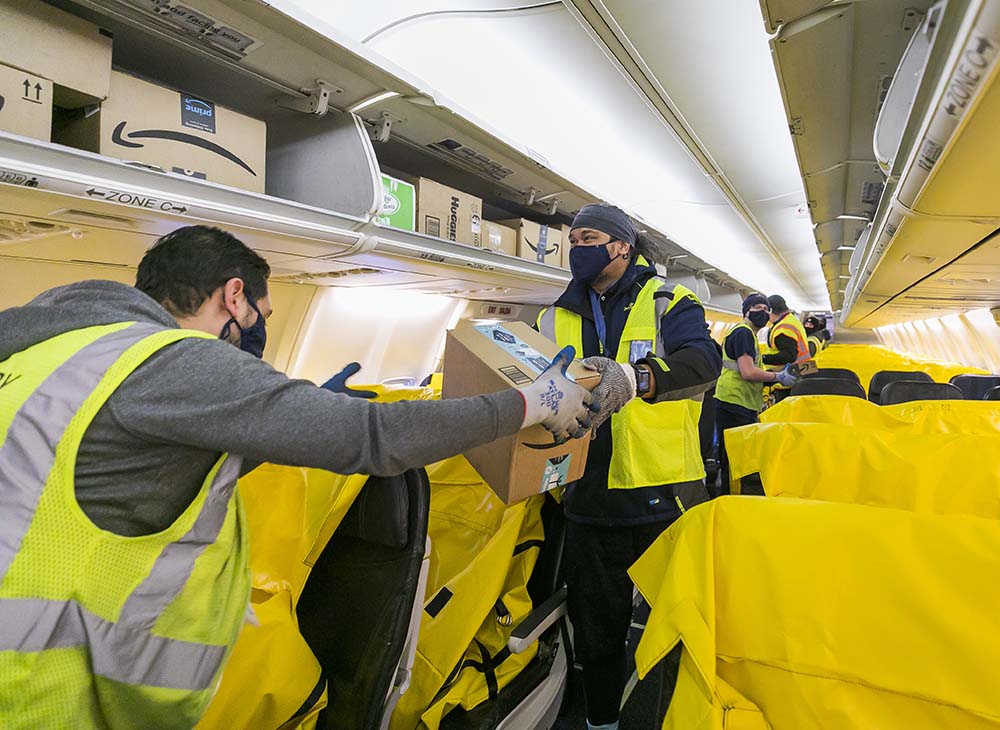
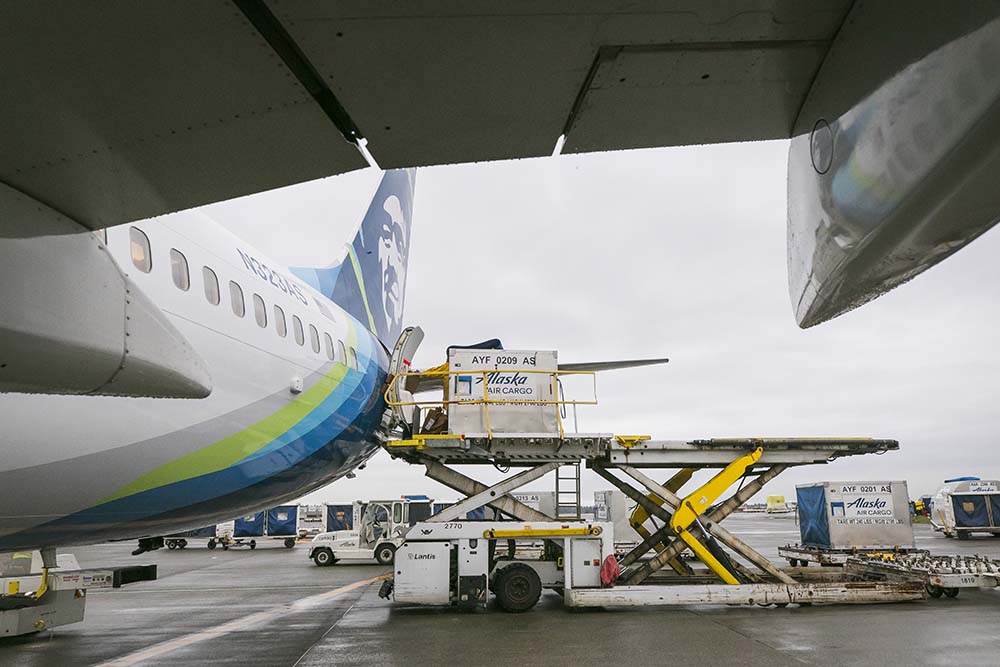
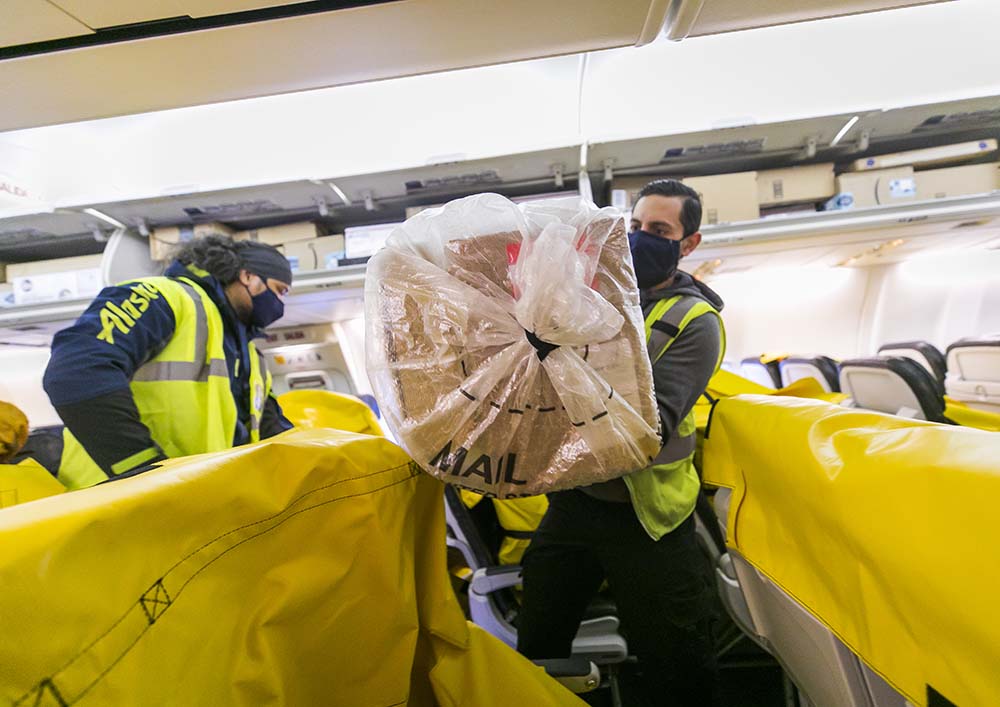
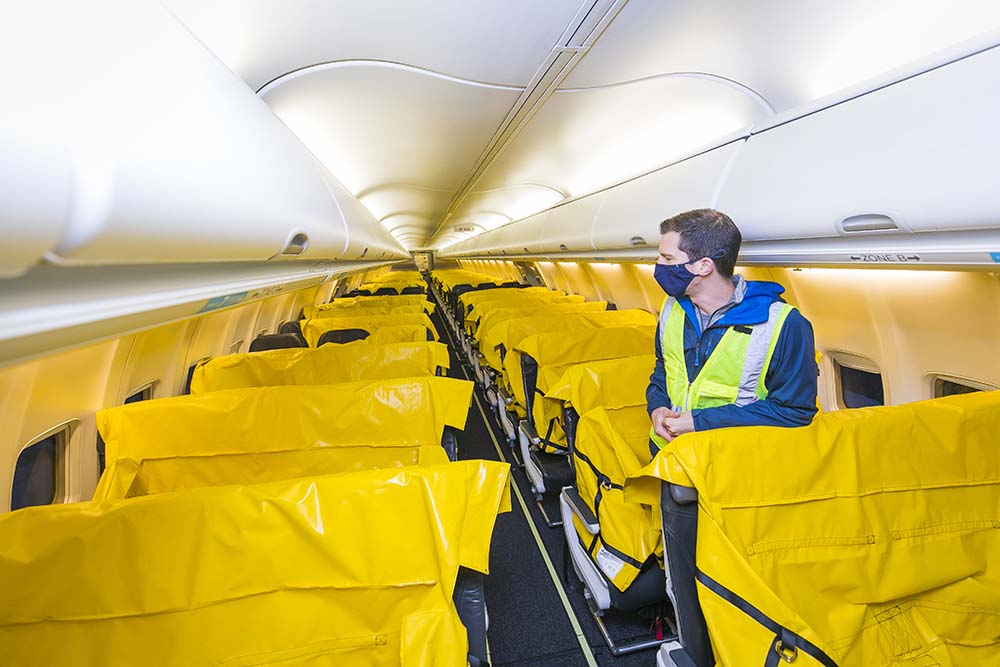
Last week, Alaska Airlines operated its first flight with a cabin full of mail instead of passengers. Since reducing our flying due to the coronavirus, we’ve been looking at other ways to utilize passenger aircraft to carry essential goods to people and businesses who need it most.

The first revenue cargo flight, on a classic 737-900, carrying mail and freight was a success. It flew from Seattle to Southeast Alaska.

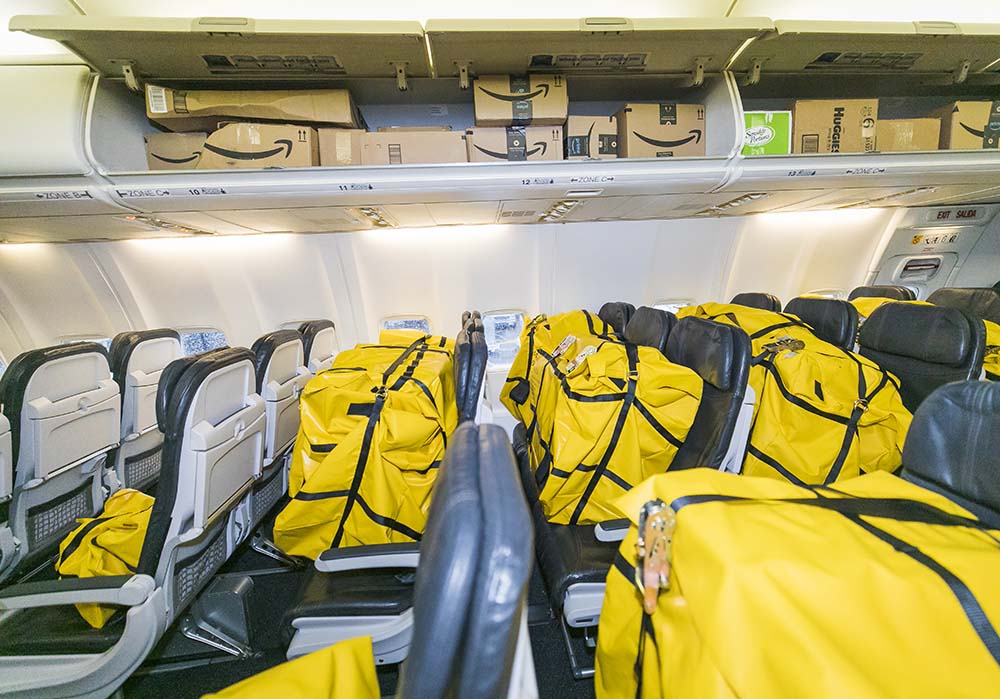
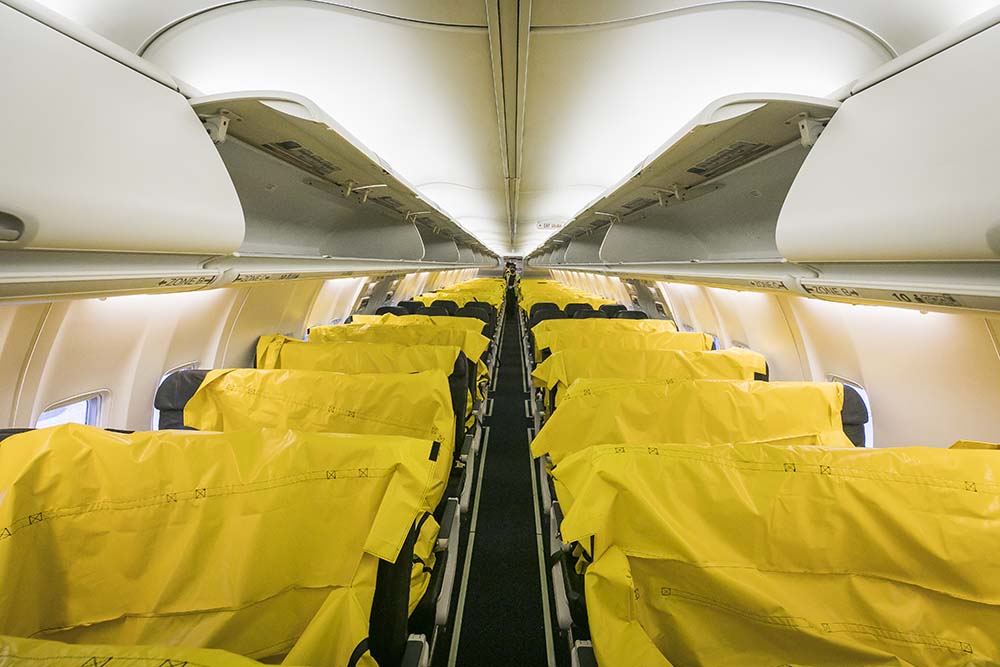
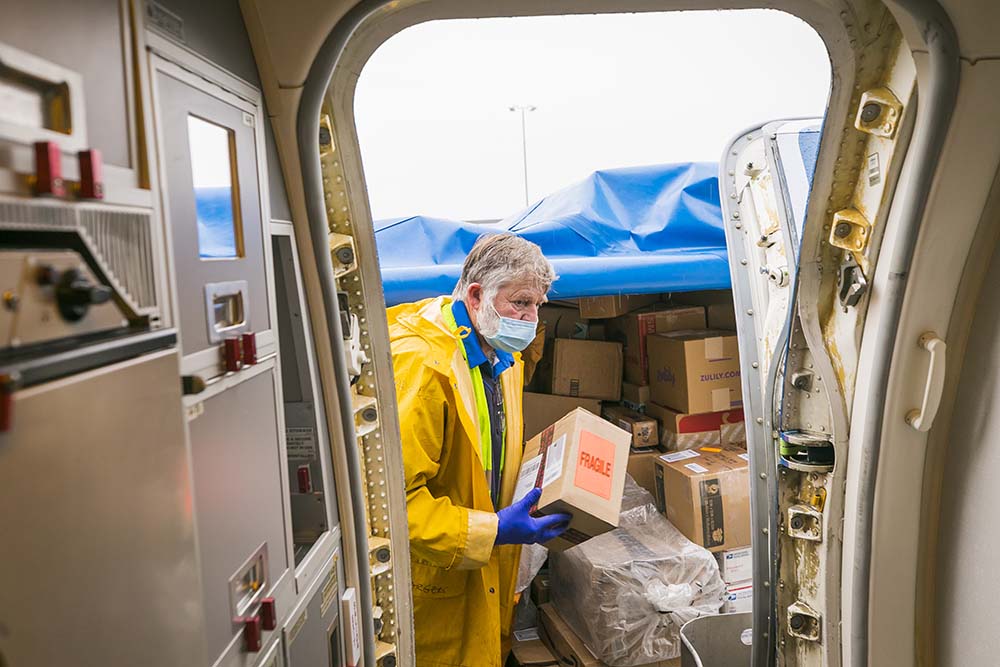
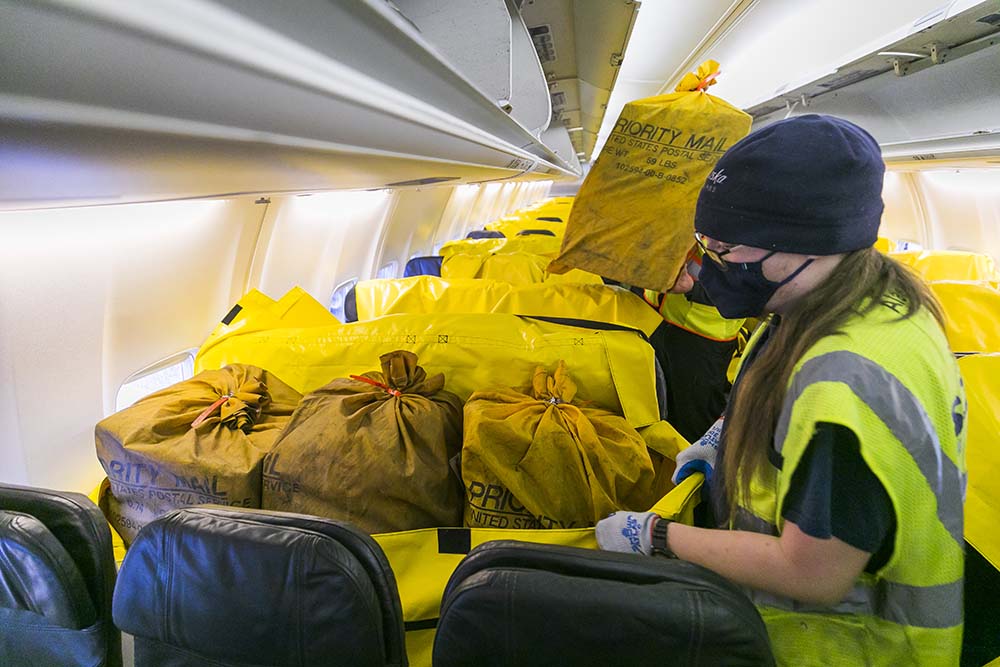
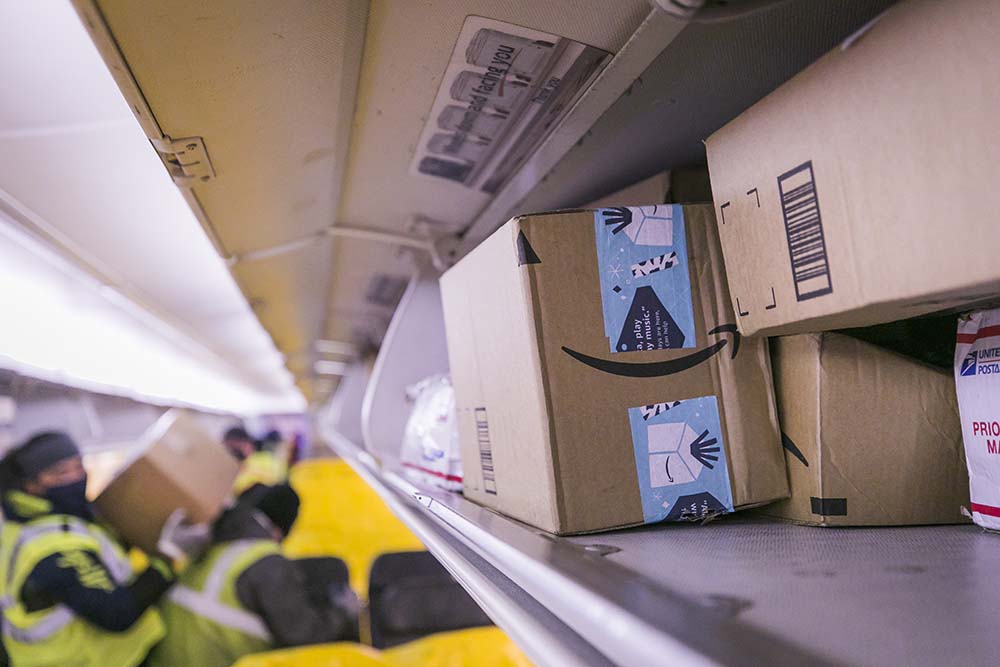
This mail-illion dollar idea and FAA-approved-design allows cargo to use all available space on the main deck for essential goods like mail, medical equipment, e-commerce packages and other freight.

Each one of these flights can carry close to 30,000 pounds of cargo, including belly capacity where luggage is typically stored.

Trying to pull off a passenger-to-freighter operation is relatively new. No other known carriers in the country are doing anything similar on domestic flights, with cargo on seats. After months of planning, we worked with HAECO, one of the world’s leading independent aircraft engineering and maintenance groups, to be their first launch customer in North America.

Our teams have been working since the pandemic hit to identify the safest and most effective processes to increase our cargo capacity,” said Torque Zubeck, managing director of cargo. “HAECO’s design will allow us to maximize the available space, increase our cargo capacity and protect the supply chain by connecting critical cargo to the communities we serve during this public health crisis.”

How does it work?

First, the cargo container bags are installed on the passenger rows by the maintenance team, a process that can take six to eight hours.

Each container bag is limited to 110 pounds of mail to meet FAA requirements, and once fitted, the main deck will carry an additional 13,500 pounds of cargo on top of what a passenger-only cargo flight can carry. Our seats did not require any modifications to install the containers, the existing seat belts are used to secure the bag.

Once the containers are installed and safely secured, the cargo flight is equipped for its scheduled route. The crew for these cargo flights will consist of two pilots and cargo load agents. The cargo load agents will be seated in the jumpseat during the flight and provide oversight of loading, ensure proper tagging and cargo integrity. They’ll also provide fire suppression if required and will make sure cargo is safe and secure within the in-seat package stowage system.

Over 100,000 pounds of mail to Alaska are expected daily this winter.

What happens next? Although we have just one cargo aircraft fitted with the in-seat solution, we’re planning to continue flying it in the state of Alaska to help with the holiday rush. The passenger aircraft will operate alongside our 3 freighters to supplement heavy holiday demands, which will help to free up space for cargo that truly needs the freighter.

Depending on its continued success, Alaska hopes to expand the cargo container solution to other 737-900 aircraft throughout the rest of the winter. The extra capacity could allow us to bring 100,000 pounds of additional e-commerce into Southeast Alaska.

Thousands of Steps in the Right Direction: 852,700 Miles Covered, $68K Raised for Special Olympics Hawai‘i

The Holoholo Challenge, Hawaiian’s first month-long virtual fitness challenge, was created to enable our guests to connect at a time when it is so deeply craved amid isolation and uncertainty. What started as a fun way for Hawai‘i lovers across the country to stay fit during a global pandemic resulted in an outpouring of support for not only fellow challengers but also Hawaii’s most determined athletes. At the beginning of October, nearly 12,000 participants decided to embark on a physical test that would have them holoholo (to go out) and run or walk a 50- or 130-mile “course” while practicing safe social distancing. By Nov. 1, that group collectively clocked in approximately 852,700 miles, or the equivalent of walking the Oʻahu perimeter more than 6,500 times, and raised over $68,000 for Hawaiian’s nonprofit partner, Special Olympics Hawaii.

Participants collectively clocked in approximately 852,700 miles, or the equivalent of walking the Oʻahu perimeter more than 6,500 times

Participants collectively clocked in approximately 852,700 miles, or the equivalent of walking the Oʻahu perimeter more than 6,500 times.

“When we decided to create this virtual fitness challenge, we had no idea at how engaged and supportive the participants would be,” said Rob Sorensen, Hawaiian’s vice president of marketing and e-commerce, and competitive runner. “I’m so inspired by everyone that stepped out and stepped up to donate to benefit the incredibly deserving Special Olympics athletes.”

Our decision to support Special Olympics Hawaii was a natural one. Hawaiian has partnered with the organization for over 30 years to transport athletes to competitions within Hawai‘i as well as the U.S. mainland.

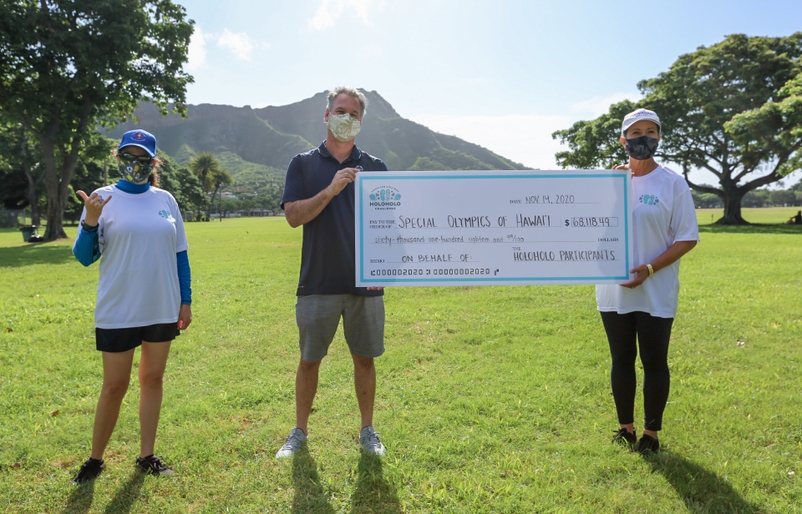
Debbie Nakanelua-Richards presents Dan Epstein and Renee Manfredi of Special Olympics Hawaii with a check for $68K, donated by participants of the Holoholo Challenge

Debbie Nakanelua-Richards presents Dan Epstein and Renee Manfredi of Special Olympics Hawaii with a check for $68K, donated by participants of the Holoholo Challenge .

“We’ve had a longstanding relationship with Hawaiian Airlines,” said Dan Epstein, president and CEO of Special Olympics Hawaii. “We’ve had athletes traveling from the neighbor islands to O‘ahu for years to participate in our state games and to the mainland to participate in national competitions, almost always working with Hawaiian Airlines, so this is just an extension of that. It’s been just fantastic to work with Hawaiian Airlines, and we’re truly grateful.”

“Special Olympics Hawaii does incredible work and it’s our privilege to be affiliated with them,” shared Debbie Nakanelua-Richards, director of community and cultural relations at Hawaiian Airlines. “When we thought about who we could serve with this opportunity, it was an instantaneous decision. What they do for the athletes and the spirit of competition is in perfect alignment with the idea of holoholo. To be able to have them as a partner and the recipients of over $68,000 is an incredible display of generosity, and with that generosity comes hope in this time of uncertainty.”

In addition to the donation raised by participants, we sponsored 20 Special Olympics Hawaii athletes and coaches who took part in the challenge.

Renee Manfredi, athlete, sargeant shriver international global messenger and Special Olympics health messenger, was excited to compete with participants across the country at a time when other events have been canceled or postponed.

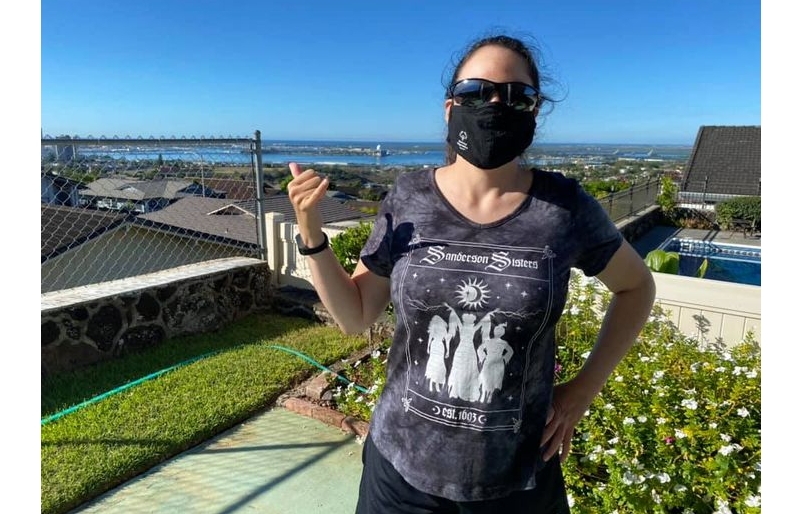
Renee Manfredi flashes a shaka as she earns her mileage around Honolulu

Renee Manfredi flashes a shaka as she earns her mileage around Oʻahu.

“This has been an amazing opportunity for everybody and hopefully we get to do it again face to face when this pandemic is over,” said Manfredi. “I’m so grateful to Hawaiian Airlines because not only did they come up with the idea, they supported and raised money for athletes such as myself with IDD [intellectual or developmental disabilities], and it’s very beneficial since everything that we do or try to do has been put on hold. Special Olympics Hawaii has gone above and beyond to ensure the athletes stay engaged and active. And with events such as this, it’s an opportunity for everybody, not just here on the islands but on the mainland too to get involved.”

Participants took to the official Holoholo Challenge Facebook Group page to share stories of their progress and offer words of encouragement throughout the event. Many have kept the conversation going by sharing links to new virtual races and showing off their finisher medals.

“Thank you, Hawaiian Airlines, for a wonderful experience. This was my first marathon and I walked much further than I ever thought I could! I am 78 (almost 79) and I walked a total of 232 miles. A month ago, I would have said that was not impossible,” beamed one Holoholo Challenge participant.  

Congratulations to all the participants of the Holoholo Challenge, mahalo for your generosity and support of Special Olympics Hawaii!

Travel Pono on the Island of Hawai‘i: From ‘Āina to Kitchen

The Island of Hawai‘i’s rich volcanic soil, climate diversity and ample sunshine make it the perfect place for vegetable, tropical fruit, and specialty crops, like cacao and coffee, to thrive. While staying on the Big Island, take time to visit, support and learn from its many skilled artisans, hardworking growers and groundbreaking tastemakers.


Honey 101 From the Bee Experts

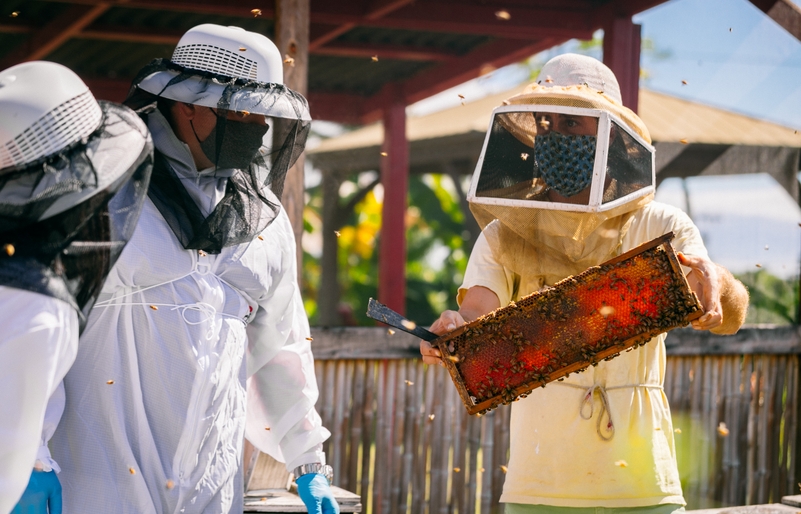
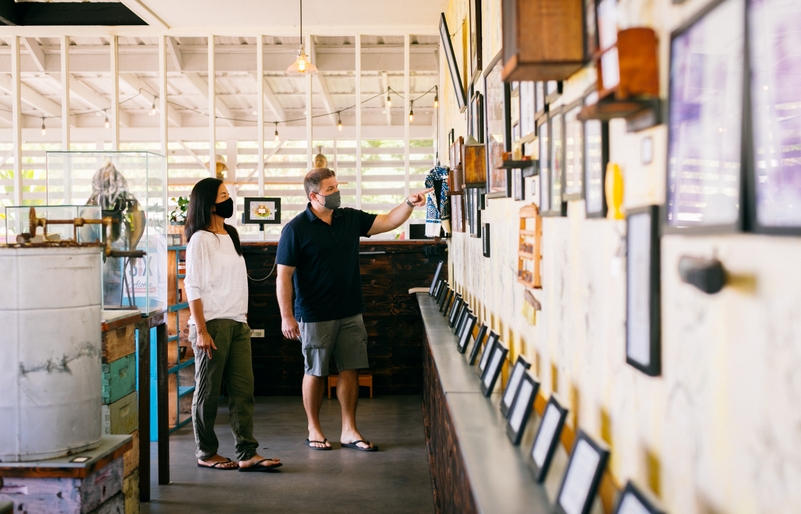
Big Island Bees started as a small family-owned operation and has grown into one of the biggest honey producers in the state. Hand-poured in South Kona, its organic honey boasts flavor profiles rooted in the island’s tropical flower varieties. Visit the honey maker’s headquarters, which encompasses a museum, store and tasting room, and take a tour with a beekeeping expert to learn about its history and process.

hawaiianairlines-128

Beekeepers at Big Island Bees give tour participants an immersive experience with explaining the honey-making process.


Whendi Grad, the owner of Big Island Bees, said the company adjusted operations to safely welcome customers as a result of the COVID-19 pandemic and local government restrictions. To keep employees and visitors safe, her team has implemented several health and safety procedures at every service touchpoint. “Our store currently offers curbside pickup for phone and online honey orders, and our tour and museum operations have re-opened with reduced capacity. We also frequently clean all common surfaces, offer hand sanitizer throughout our store and museum, and require masks to be worn at all times,” Grad said.

hawaiianairlines-150

Have some time to spare? You can sample a selection of Hawaiian floral honey with guidance from Big Island Bees' honey experts.


“During the time that our island shut down, we were so grateful for the support of the community that continued to stop by to pick up honey at our farm and who brought their keiki down for a tour. We are now very excited to be welcoming back visitors as well and will do so in a caring environment that protects all of us,” she added.

hawaiianairlines-101

Big Island Bees' museum is free and open to the public, though masks are required to be worn by staff and visitors at all times.


Reservations are required for beekeeping tours and honey tastings, but the museum is open with free admission. For more information, including Big Island Bee’s latest COVID-19 policies and procedures, click here.


Experience Hawaiian Coffees Made by Local Connoisseurs 

Coffee lovers rejoice on the Big Island, where trees grow both wild and farmed. At Big Island Coffee Roasters, producing the perfect cup of coffee is a practice – but mastering the art form wasn’t an easy feat.

The company took root in 2010, when its two founders, Kelleigh Stewart and Brandon von Damitz, stumbled upon an online advertisement listing a small coffee farm for sale in Puna, a district south of Hilo. The duo purchased the farm, with no experience growing coffee, and spent years learning how to cultivate one of modern Hawai‘i’s most prized specialty crops. After years of teaching themselves how to farm, roast, and process locally grown coffee, they perfected their first batches and earned Grand Champion in the Hawaii Coffee Association’s Statewide Cupping Competition.

hawaiianairlines-91

Love a good cup of coffee and want to support as many local businesses as possible? Big Island Coffee Roasters is sold and served at local cafes throughout the state.


Big Island Coffee Roasters is still based on the original Puna farm, and now roasts some of Hawai‘i’s finest regional varieties, including Kona, Kaʻū, Puna, and Maui. Their teams do it all, from tending to the trees and hand-picking the coffee cherries (which produce the beans), to milling the beans in small batches and roasting them to order.

hawaiianairlines-61

Big Island Coffee Roasters' loyal customers and Hawaiian Coffee Club members can request a tour of its facility to learn more about what it takes to produce an artisanal coffee.


“When COVID hit, most of our larger customers that serve roasted Hawaiian coffee shut down. It was difficult for everyone. But fortunately, Hawaiʻi coffee lovers found our online store and we've been able to recover and continue hiring,” Stewart said. “We're so grateful to those who have supported us by ordering online – artisan agriculture survives thanks to them.”

hawaiianairlines-87

Owners Brandon and Kelleigh pictured with one of the company's newest gift sets, available for purchase on its website.


Interested in supporting Big Island Coffee Roasters? Currently, customers can purchase beans and learn how to make the perfect cup via its website, or visit one of many local cafes brewing and selling their coffees.


Invest Your Dollars in Local Farmers, Florists and Businesses

Downtown Hilo is home to the Hilo Farmers’ Market, a popular destination for both hungry kama‘āina and visitors. The market is open every day (hours may vary) and has copious fruits, vegetables, and flowers grown by local farmers. Ready-made meals and drinks are also available for grab-and-go, and the market is within walking distance of several shops and restaurants.

“Hilo Farmers’ Market has been in the heart of downtown Hilo for as long as I can remember,” said ‘Iwalani Kaho‘ohanohano, senior specialist of internal communications at Hawaiian Airlines who was raised in Hilo. “Growing up, I’d go there with my mom to pick up fresh vegetables for a dish she’d make for dinner, or flowers to make arrangements to take up the road to our family graves.”

hawaiianairlines-14

Hilo Farmers' Market has a bountiful supply of locally grown fruits, vegetables and flowers, and is the perfect place to stock up on groceries or grab a few fresh snacks to go.


Downtown Hilo, she believes, is a special business community. “It’s home to a mix of longtime and new shops that continue to make Hilo the friendly town it has always been. Each purchase is more than a transaction; it’s a show of support for the town’s entrepreneurs and the life, culture and stories they share.”

When walking the farmers market or downtown Hilo, remember that masks are required at all times. We also suggest that patrons bring cash, reusable bags, and hand sanitizer for their shopping.

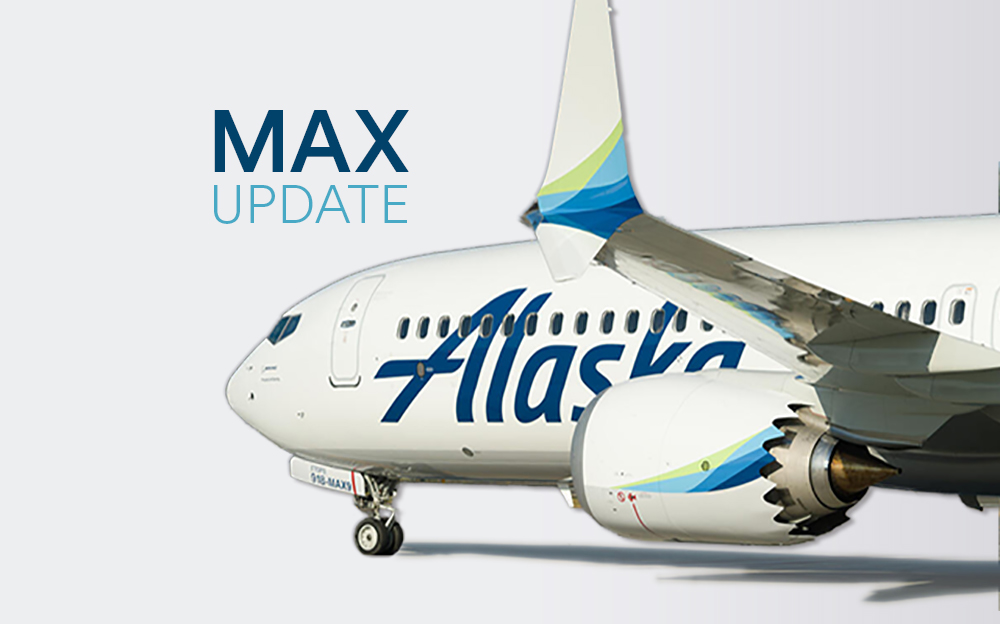
Alaska prepares for the Boeing 737 MAX to safely join our fleet with first passenger flights expected in March

This March, Alaska Airlines is scheduled to start welcoming guests on our first Boeing 737 MAX aircraft. We currently don’t have a MAX in our fleet. We expect delivery of the first plane in January, followed by several more throughout 2021.

On Nov. 18, the Federal Aviation Administration (FAA) certified the MAX, giving the approval to all airlines to begin the process of bringing the aircraft back into service. Our guests will only fly on a MAX aircraft after we’ve tested and verified all required and necessary processes to prepare the aircraft for passenger service.

We have high expectations and confidence that Boeing has made the required changes and necessary improvements to the MAX. With these enhancements and the FAA’s thorough inspection processes, this aircraft will meet the high safety standards we expect.

For us, safety is always priority number one. If an aircraft is not safe, we won’t fly it.

“As a safety professional with decades of experience, including many years with the FAA, I’ve had the opportunity to stay very close to the FAA and Boeing through the grounding and recertification of the 737 MAX,” said Max Tidwell, Alaska’s vice president of safety and security. “I’m very confident with all the steps the FAA and Boeing have taken and the steps we’re taking at Alaska to prepare us to safely bring this aircraft into our fleet.”

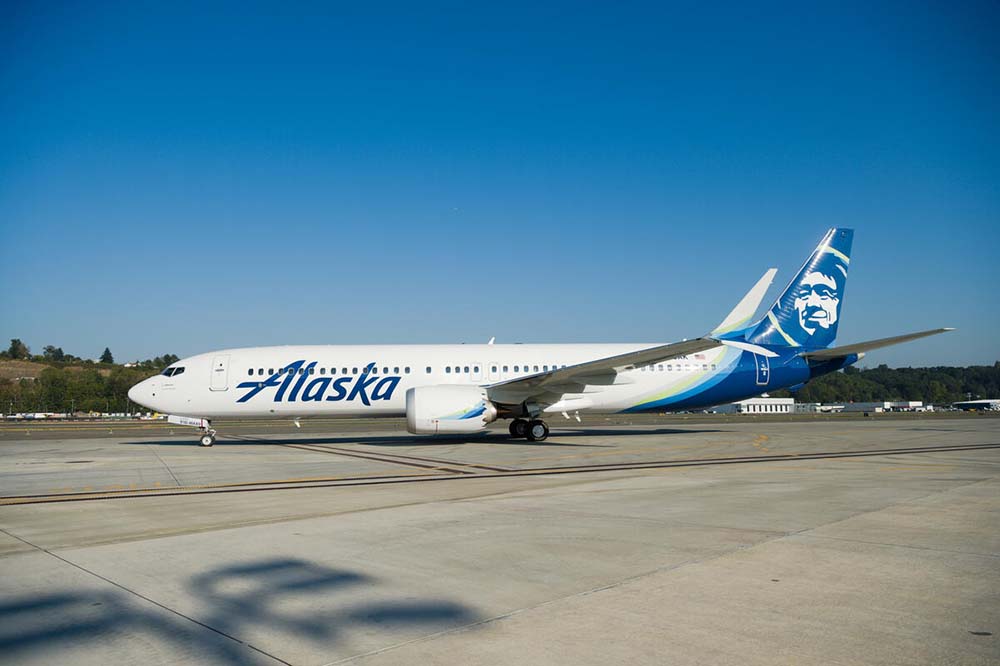
One of Alaska’s 737-9 MAX at Boeing Field in Seattle.

Once our first MAX is delivered, we’ll begin two months of testing and verifying all the necessary processes to prepare the aircraft for passenger service, which is scheduled to begin in March. Our teams will put the plane through its paces, which includes flying it more than 19,000 miles and over 50 flight hours all over the country, including Alaska and Hawaii.

In the coming weeks, our pilots will also begin the required eight hours of flight simulator and computer-based training that focuses on the operation of the MAX. Our pilot training program for the MAX is more extensive than what’s required by the FAA. All of our maintenance technicians undergo a minimum 40 hours of training on the variations between the MAX and our existing 737 NG fleet, with certain technicians receiving additional specialized training.

Learn more about our dedication to safety and our training programs for the MAX at alaskaair.com/737MAX.

Giving Tuesday: Preserving Maui’s Forests and Birds

“It takes a community of dedicated individuals and support to make conservation happen” – the Maui Forest Bird Recovery Project.

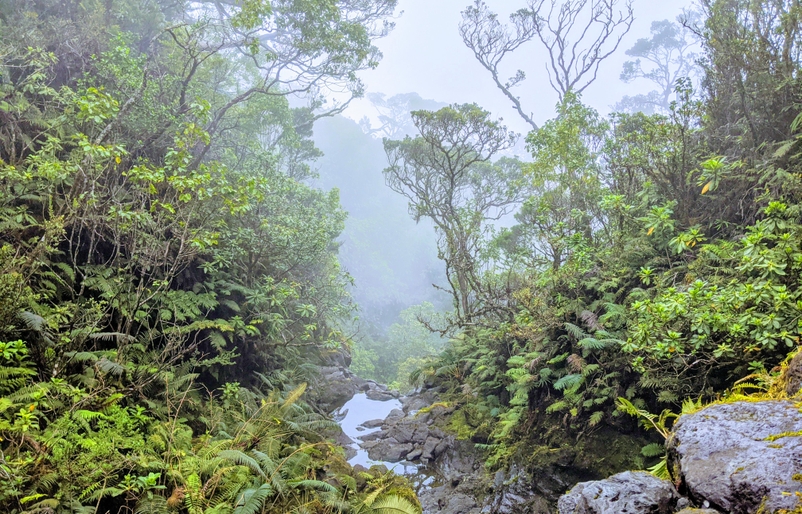
Operating on a shoestring budget and with the help of volunteers and dozens of organizations, the Maui Forest Bird and Recovery Project, a HawaiianMiles nonprofit partner, conducts impactful work to recover the island’s endangered birds and restore their habitats.

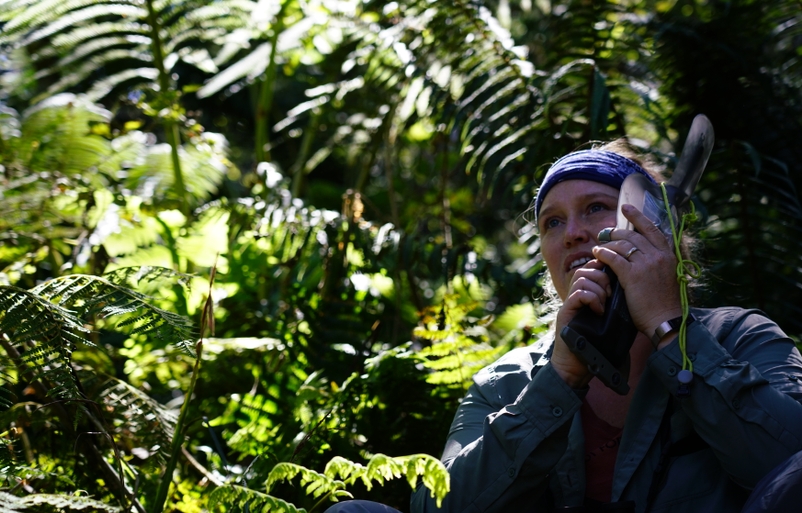
With only six native forest birds remaining on Maui, project staff tag species with a leg bracelet that does not restrict their mobility and feeds researchers data on health, reproductive status, age and measurements. Over 10,000 birds have been banded to date.

Kiwikiu

The endangered kiwikiu (Maui Parrotbill) bird.

The project – established in 1997 by the state of Hawai‘i’s Division of Forestry and Wildlife and the U.S. Fish and Wildlife Service to support both agencies’ recovery work – also addresses the restoration of forest habitat and the control of predators such as mongoose, rats and cats, as well as the threat of ungulates and mosquitoes.   

Anyone can get behind its mission by volunteering with writing and researching skills, venturing into the wilderness, planting a tree, or, our favorite, donating HawaiianMiles!

This year, in commemoration of Giving Tuesday, miles contributed to our nonprofits partners will take them farther. For every mile donated on Dec. 1, we will match up to 100,000 HawaiianMiles to each recipient organization – on top of 500,000 miles we pledge to match annually.

For the Maui Forest Bird Recovery Project, miles are used to transport birds to safe environments while habitat threats are being mitigated and take staff and volunteers to research sites, training and scientific conferences.

We asked Dr. Hanna Mounce, who joined the project in 2006 as a field technician and now serves as its coordinator, for an update on the group’s work.

Hanna

Dr. Hanna Mounce

How has the COVID-19 pandemic affected operations at the Maui Native Bird Recovery Project?

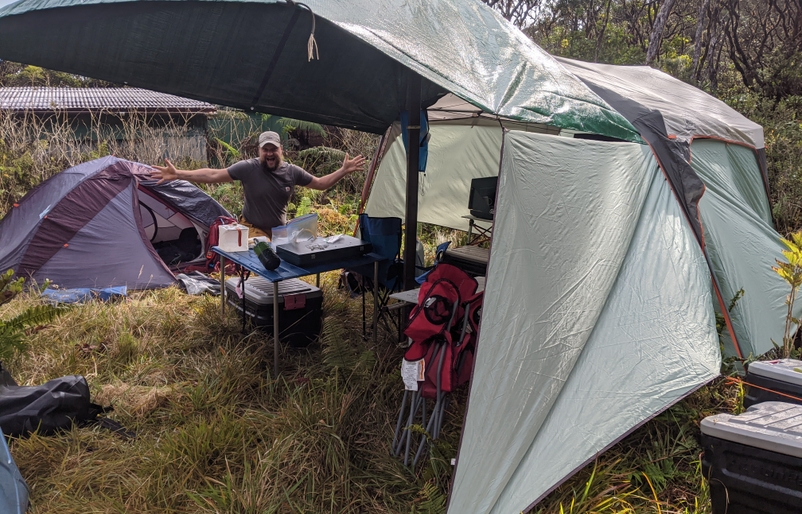
Our field teams have had to make a lot of changes to be able to continue our work while practicing safe social distancing. Our team members all work remotely at home for reports, publications and grant writing, and our Olinda base yard is only used pre- and post-field trips. Our team of three that does the bulk of our fieldwork has had to learn to camp individually instead of using base camps and cabins as we have done in the past.

Camp1

A socially distanced camping site, where project researchers stay for up to a week in the field.

What are some research and conservation projects currently underway?

Currently, our team has been surveying for endangered kiwikiu (Maui Parrotbill) in areas of east Maui. We are trying to cover all areas that this species was previously known from to quantify range contractions for this critically endangered bird. While in these forest areas, we are also surveying for mosquitoes. Mosquitoes and the diseases that they carry, particularly avian malaria, are the single biggest threat to our native forest birds and the mosquitoes are moving higher up the mountain with warmer temperatures.

What is the biggest challenge you are facing today?

Our biggest challenge right now is to develop and implement the tools to control mosquitoes and disease. This is something that has not been done before and may be the only way that we can save the Hawaiian honeycreepers that we have left.

How can the community support your efforts?

As a small project, we have been hit hard with the inability to work with volunteers in 2020. With the risks of COVID-19 transmission likely extending into 2021, we are going to be very strapped for funding and personnel to push our work forward. We can always use any support that people can give, as well as their advocacy in support of conservation work at the county, state, and federal levels. We have also not been able to share our work and messages as much in 2020 without public events. Please follow us online, including on Facebook and Instagram, or attend a conservation training to be able to help spread the information about threats to Hawai'i's wildlife and what we can do to help prevent further extinctions.

Hawaiian Airlines, Barclays, CPI Card Group, Collaborate on Recovered Ocean-Bound Plastic Credit Cards

HawaiianMilesBehindtheLogin2020002_mid_mid

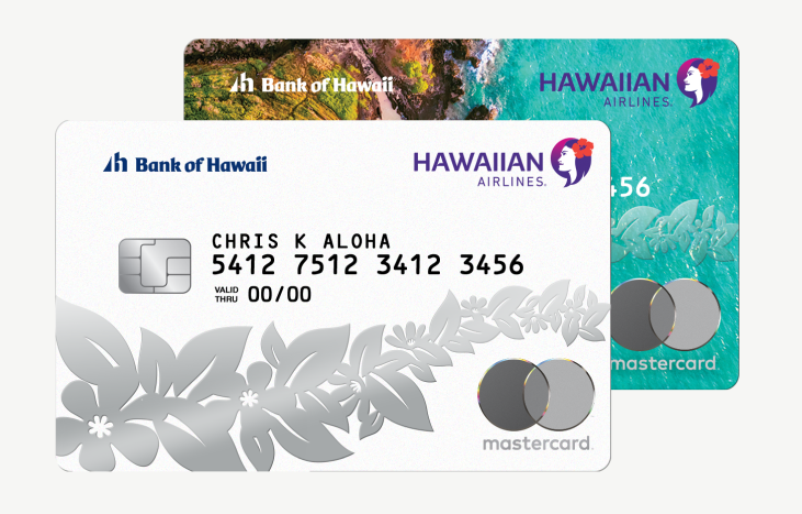
HONOLULU – Hawaiian Airlines and Barclays US Consumer Bank today announced a collaboration with CPI Card Group (OTCQX: PMTS, TSX: PMTS), a payment technology company and leading provider of credit, debit and prepaid solutions, to produce Second Wave™ credit cards with contactless technology and featuring a core made with recovered ocean-bound plastic for its Hawaiian Airlines World Elite Mastercard® members.

“As a destination carrier located in the middle of the Pacific Ocean, we are deeply concerned about the threat posed by plastic waste in our oceans,” said Avi Mannis, senior vice president of marketing at Hawaiian Airlines. “Second Wave cards from CPI allow our cardmembers to share in our long-standing commitment to clean, healthy oceans and beaches.”

Second Wave™ payment cards, which are EMV® compliant and contactless capable, feature a core produced with plastic typically recovered within about 30 miles of a seashore, or near streams and rivers that lead to the ocean, in countries or regions that lack adequate waste management infrastructure. CPI estimates that for every one million Second Wave™ cards produced, over one ton of plastic will be diverted from entering the world’s oceans, waterways and shorelines. Second Wave™ reflects CPI’s continued commitment to environmentally conscious initiatives and is part of Earth Elements™, the company’s innovative portfolio of more eco-focused payment cards designed to help reduce first-use plastic. The convenient and secure contactless feature allows cardmembers to safely pay by simply waving the card over a contactless enabled terminal reader.

“Hawaiian’s reputation and leadership has been founded on caring – for their guests, their home in Hawai‘i and the people within their community. We’re proud to support them in caring for the environment as well,” said Guy DiMaggio, senior vice president and general manager, Secure Card Solutions, CPI Card Group. “Second Wave is allowing companies across card industry segments to empower themselves and their customers to play a role in addressing the problem of discarded plastic entering the Earth’s oceans.”

HawaiianMiles Behind the Login 2020 002

The new Hawaiian Airlines World Elite Mastercard®, which is currently available for all cardmembers, builds on the carrier’s corporate responsibility and environmental stewardship. Hawaiian continues to invest in fuel-efficient aircraft and new technology to reduce carbon emissions before, during and after each flight. Hawaiian’s green practices extend to energy efficiency programs at its offices and facilities and eco-friendly materials and recycling across flight, ground and corporate operations.

To celebrate the Second Wave collaboration and further support coastal stewardship, Hawaiian Airlines and Barclays are joining together to make a $50,000 contribution to the carrier’s long-standing nonprofit partner Sustainable Coastlines Hawai‘i (SCH), which was created to inspire local communities to care for their coastlines through fun, hands-on beach cleanups. SCH also provides educational programs, team building corporate cleanups and waste diversion services. The airline has supported SCH for nearly a decade in statewide cleaning efforts that resulted in the removal of thousands of pounds of debris.

“Barclays is dedicated to long-term environmental sustainability and the management of environmental impacts is integral to our business,” said Bob Highland, head of US Cards and Partnerships, Barclays US Consumer Bank. “Through our partnership with Hawaiian Airlines and our support for SCH, we are working our way to minimizing our impact on the environment and building a better and cleaner world for all.”

"We are honored and deeply appreciative of this generous donation in recognition of Hawaiian Airlines and Barclays' new credit card collaboration," said Rafael Bergstrom, executive director of Sustainable Coastlines Hawai‘i. "We consider it a privilege to serve the communities and coastlines of Hawai‘i, and collaborations like this enhance our ability to create high impact. The move to use upcycled ocean-bound plastic in place of virgin materials in products like credit cards is an important step to reducing the overall impact of plastic on our oceans and environment. Mahalo to all the partners in this project who are contributing to our work. We could not execute our mission without the support of our entire community."


About Barclays

Barclays is a British universal bank. The company is diversified by business, by different types of customers and clients, and by geography. Barclays' businesses include consumer banking and payments operations around the world, as well as a top-tier, full service, global corporate and investment bank, all of which are supported by their service company which provides technology, operations and functional services across the Group. For further information about Barclays, please visit www.home.barclays.

Barclays US Consumer Bank is one of the fastest-growing top 10 credit card issuers in the United States. The bank creates customized, co-branded credit card programs for some of the country's most successful travel, entertainment, retail and affinity institutions, and offers its own branded online savings accounts and CDs. For more information, please visit www.BarclaysUS.com.

About CPI Card Group®

CPI Card Group® is a payment technology company and leading provider of credit, debit and prepaid solutions delivered physically, digitally and on-demand. CPI helps our customers foster connections and build their brands through innovative and reliable solutions, including financial payment cards, personalization, and Software-as-a-Service (SaaS) instant issuance. CPI has more than 20 years of experience in the payments market and is a trusted partner to financial institutions and payments services providers. Serving customers from locations throughout the United States, CPI has a large network of high security facilities, each of which is registered as PCI compliant by one or more of the payment brands: Visa, Mastercard®, American Express® and Discover®. Learn more at www.cpicardgroup.com.

EMV® is a registered trademark in the U.S. and other countries and an unregistered trademark elsewhere. The EMV trademark is owned by EMVCo, LLC.

About Hawaiian Airlines

Hawaiian® has led all U.S. carriers in on-time performance for each of the past 16 years (2004-2019) as reported by the U.S. Department of Transportation. Consumer surveys by Condé Nast Traveler, Travel + Leisure and TripAdvisor have placed Hawaiian among the top of all domestic airlines serving Hawai‘i.

Now in its 92nd year of continuous service, Hawaiian is Hawai‘i's biggest and longest-serving airline. In 2019, Hawaiian offered nonstop flights between Hawai‘i and more U.S. gateway cities (13) than any other airline, along with service connecting the islands with Japan, South Korea, Australia, New Zealand, American Samoa and Tahiti. As a result of the COVID-19 pandemic, Hawaiian is operating an adjusted schedule of daily flights within the Hawaiian Islands and between Hawai‘i and the U.S. west coast to support essential travel and critical cargo services.

The airline is committed to the health and safety of its guests and employees and has reinforced enhanced cleaning procedures across its business. While the experience may be a little different, the authentic Hawaiian hospitality remains unchanged. Additional details on how Hawaiian is keeping guests and employees safe can be found at HawaiianAirlines.com/KeepingYouSafe.

Hawaiian Airlines, Inc. is a subsidiary of Hawaiian Holdings, Inc. (NASDAQ: HA). Additional information is available at HawaiianAirlines.com. Follow Hawaiian’s Twitter updates (@HawaiianAir), become a fan on Facebook  (Hawaiian Airlines), and follow us on Instagram (hawaiianairlines). For career postings and updates, follow Hawaiian’s LinkedIn page.

For media inquiries, please visit Hawaiian Airlines’ online newsroom.

Alaska Airlines is planting a tree for every flight to the Hawaiian Islands—and we invite you to Malama Hawaii with us

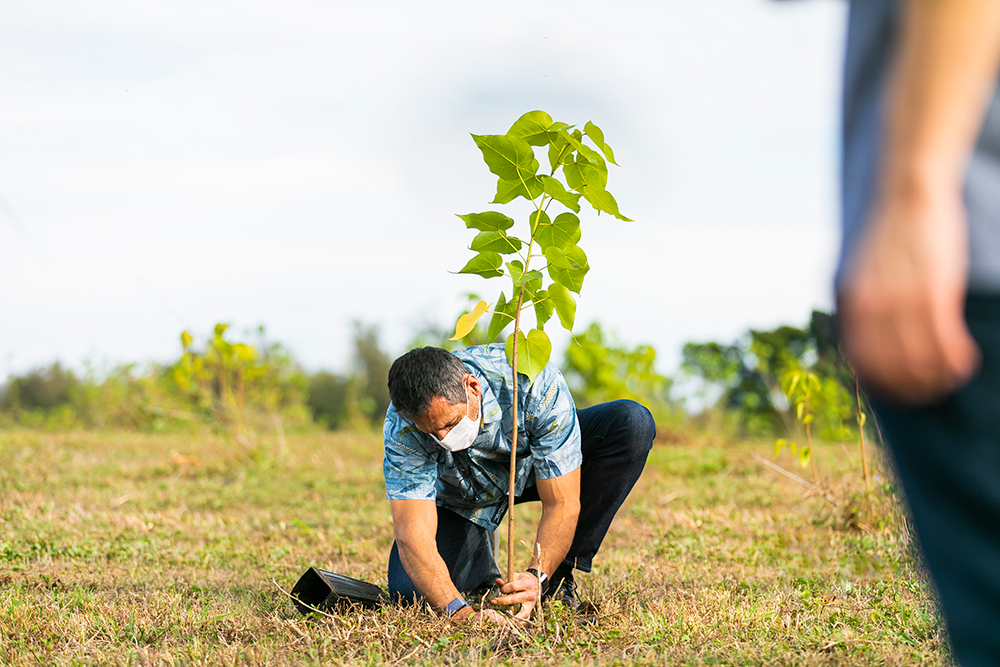
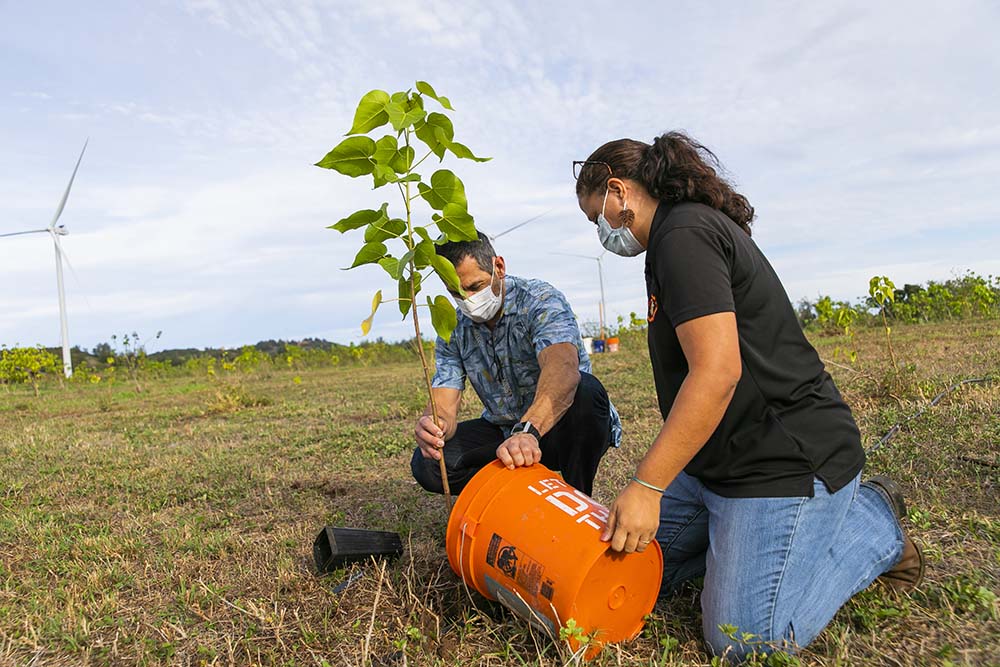
In the spirit of giving back as Hawaii tourism recovers, Alaska Airlines will plant one tree for every flight we fly to the Hawaiian Islands from now through the end of the year, in support of Malama Hawaii. Malama means to “take care,” and as visitors return to Hawaii, the Islands are asking travelers to be respectful of Hawaii’s beauty and leave with a better understanding of what it means to care for the earth and each other.

Whether you plan to work from Hawaii or are planning a future trip to the islands, we’re encouraging our guests to experience the Islands on a deeper level with a greater emphasis on connecting with the community, culture and to leave Hawaii better than when they arrived — and help preserve it for the future. Now through the end of 2020, Alaska will plant nearly 900 trees, in partnership with the Hawaiian Legacy Reforestation Initiative. We invite our guests to join us in support of Malama Hawaii by sponsoring their very own Alaska Airlines Legacy Tree or participating in another volunteer activity during their visit.

The trees will be planted with the Hawaiian Legacy Reforestation Initiative (HLRI) at Gunstock Ranch, located on the island of Oahu — the same location where our President Ben Minicucci planted a tree with other Alaska employees during a recent visit to Hawaii.

Why trees? Trees produce oxygen for the environment while improving our air, land, and water quality. According to HLRI, when you plant a native endemic tree, like the Milo tree, it helps to reforest lands in Hawaii that have been decimated by livestock and commercialization. Native Hawaiian birds, insects and wildlife also benefit from these forests, as well as the environment and lands that are passed on to the next generation.

“Travel has fundamentally changed, and travelers have become aware of their personal impact on the places they visit now more than ever,” said Jeffrey Dunster, Hawaiian Legacy Reforestation Initiative’s co-founder and executive director. “By planting an Alaska Airlines Legacy Tree and helping to offset your carbon footprint during your stay in Hawaii, you’ll be making a difference for our island home — and the only footprint you’ll leave behind will be left in the sand of our beautiful beaches.”

While visiting Hawaii might look and feel different these days, visitors can count on strengthening their connection to the Islands by experiencing its natural beauty and learning from its residents — all while helping regenerate the destination.

“As we welcome visitors back to Hawaii, we want to support awareness of mindful travel to the Islands—both in the air and on the ground,” said Daniel Chun, Alaska’s director of sales, community and public relations for Hawaii, who is also a Hawaii Tourism Authority board member. “Alaska has always taken great pride in being responsible stewards of the places we fly, and we hope our guests take pride in this, too. We’re excited to support Malama Hawaii, as it provides a way for our guests to partner with local residents and organizations to help strengthen the communities they visit.”

When you’re ready to explore, rejuvenate and reconnect, Hawaii is waiting for you and offers plenty of opportunities to not only visit, but to give back to Hawaii.

Book a stay that really stays with you at alaskaair.com.

COVID testing for Alaska flyers.

We’re helping our guests travel to destinations that require a negative COVID-19 test result. Hawaii’s pre-travel testing program allows anyone entering the state who tests negative for COVID-19 in advance to proceed without the current 14-day mandatory quarantine. Learn more.

We’re partnering with multiple testing providers such as Carbon Health, Bartell Drugs and Costco to offer COVID-19 testing — available by appointment in-person, at-home, or drive-thru. More details.

Related:

Travel Pono on Maui: Indulge in Island-Grown Flavors

Maui, with its beautiful beaches and postcard scenery, gives travelers plenty of reasons to visit, but the Valley Isle is also known for its bustling farm-to-table scene and locally made products. Small towns bring out the best of Maui’s flavors, offering unique tours and experiences to indulge. The walkable streets of Pa‘ia and Lāhainā, for example, are lined with small cafés and aromatic restaurants that deserve an afternoon or evening to explore. 

hawaiianairlines-maui-12

Pa‘ia is home to galleries, cafes, restaurants and other local businesses, and is one of the best places for shopping local or taking an afternoon stroll with friends and family.


During the COVID-19 pandemic, isle entrepreneurs, farmers, tastemakers and foodies have worked hard to keep this innovative culinary destination available for kama‘āina and visitors with new health and safety measures. We encourage our guests to explore respectfully and kōkua by wearing a face mask while observing all county and business protocols.


Support Local Farmers at the Upcountry Farmers Market

Among the vast rolling hills of Haleakalā is the town of Kula, where slow, rustic vibes meet sweeping views of Lāna‘i, Kaho‘olawe, Molokini crater, and the West Maui Mountains. The area, known as Upcountry Maui, sits high on the crisp, fertile slopes of the dormant volcano and is home to communities deeply rooted in agriculture and caring for the land.

The Upcountry Farmers Market, open every Saturday, is a core hub for many of Kula’s ranchers, farmers and artisans, and is a popular stop. Shoppers can browse vendor tents filled with tropical bouquets, fresh honey, freshly harvested produce, grab-and-go meals, rustic bread, local clothing brands, and more.

When you visit, remember to wear your mask at all times and carry hand sanitizer in your reusable shopping bag as social distancing can be difficult during peak hours. While many vendors accept credit cards, we recommend also bringing cash (ATMs are available in a shopping center adjacent to the market).


Sip and Savor Maui-Grown Wines 

MauiWine3

Photo credit: MauiWine/Stu Soley
Wine tasting at MauiWine


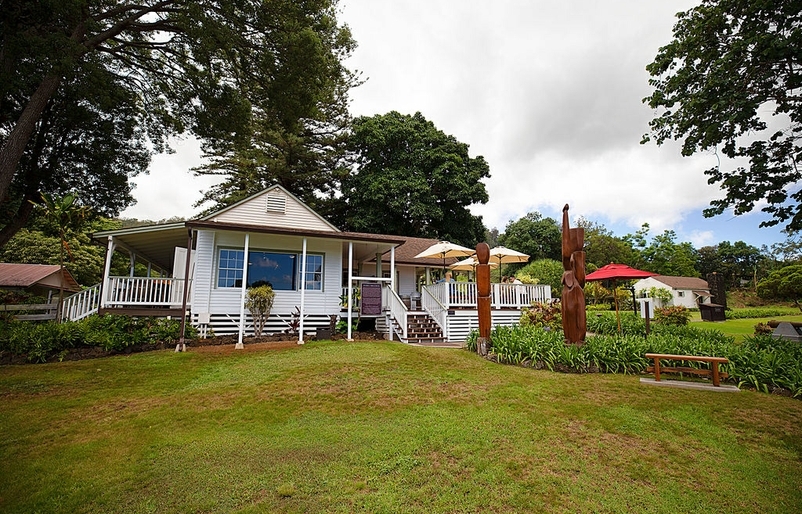
MauiWine is among Kula’s best-known purveyors and the only winery in Hawai‘i that produces sparkling wines. Its winery rests on ʻUlupalakua Ranch, where King Kalākaua, the last reigning patriarch of the Kingdom of Hawai’i, historically re-embraced the tradition of hula. Today, MauiWine produces wines made from pineapple, raspberries, and six varieties of locally grown grapes. Visitors can sip their wines and share pūpūs (appetizers) on the lānai (balcony) of the King’s Cottage, a plantation-style home built in the 1870s to accommodate King Kalākaua and what today is the heart of MauiWine.

MauiWine only accommodates seated groups of up to six people and requires face masks at all times (until seated). Reservations are strongly encouraged, as the winery has reduced its capacity to keep customers safe and socially distanced. Tours are also temporarily suspended, but patrons can still wander the lavish property, learn more about its historic sites via self-guided maps and take photos beneath centuries-old trees. Guests can also purchase their favorite wines during their visit, and have their bottles shipped or specially packaged for airplane travel by MauiWine staff.

i-CH8LNcd-XL

Photo credit: MauiWine/Stu Soley
The King's Cottage on MauiWine at ʻUlupalakua Ranch.


"We often ask ourselves, “Can we do this well?” If the answer is yes, then we’ll take a shot at it," said Paula Hegele, president of MauiWine. "The idea of spending more time with fewer guests had a lot of upsides. In many ways, the guest experience we offer now is the guest experience we’ve always sought to offer. Pivoting to a seated, reservation-based service fits who we are as a business and our space in Ulupalakua. We keep looking for silver linings throughout this pandemic. One aspect we are very grateful for was the way our local community came out to the tasting room and supported us as we worked through redesigning the MauiWine experience," she added.


Chocolate with a Purpose

Maui Ku‘ia Estate Chocolate opened the doors to its Lāhainā factory earlier this year with a top-of-the-line facility, a mission rooted in sustainability, and chocolates uniquely created with a local flavor. The owner, a retired scientist with a passion for growing cacao, spent years developing a cacao farm on 20-plus acres of the West Maui Mountains before perfecting his first batch and opening the factory. 

hawaiianairlines-maui-119

Cacao pods after a harvest at Maui Ku‘ia Estate Chocolate's farm.


Today, visitors can tour the farm to learn how cacao grows, visit the factory to see how cacao is turned into chocolate, and enjoy a nine-piece chocolate tasting on a spacious, covered outdoor pavilion. All guests are required to wear masks until seated, and a staff member will walk them through each chocolate variety’s tasting notes and best practices for experiencing optimal flavor. Each table, spaced to allow social distancing, has its own hand sanitizer pump, and the furniture, made of repurposed monkeypod tree wood, is cleaned after each tasting. 

“We have learned that having people taste our chocolate is the best way to convince them to buy, so we make certain our tasting experiences are memorable — not only for the quality of the chocolate but also for the information and entertainment value,” said Dr. Gunars Valkirs, CEO and founder of Maui Ku‘ia Estate Chocolate.


hawaiianairlines-maui-125

Maui Ku‘ia Estate Chocolate offers a fun, educational and worthwhile nine-piece tasting at its new factory.


A bonus: all proceeds from its Saturday chocolate tastings are donated to the Maui Food Bank to help local families affected by COVID-19’s economic impacts.

Hawaiian Airlines Offers HawaiianMiles Redemption for COVID-19 Mail-In Test Kit

HA High Res Logo_mid

HONOLULU – Hawaiian Airlines, Hawai‘i's biggest and longest-serving airline, today became the first U.S. carrier to allow members in its loyalty program to redeem miles for a pre-travel COVID-19 test. HawaiianMiles members across the United States can redeem 14,000 HawaiianMiles to order a mail-in test kit by Vault Health, a state of Hawai‘i trusted testing partner.

“We remain dedicated to making testing for our guests as convenient and accessible as possible, so we’re incredibly pleased to extend our partnership with Vault Health to allow our HawaiianMiles members to purchase their at-home test kit with miles,” said Avi Mannis, senior vice president of marketing at Hawaiian Airlines.

The redemption offer will be available to HawaiianMiles members for a limited time only. Members who choose to redeem their miles for a test kit will receive a confirmation email which includes a link to order the COVID-19 mail-in test kit from the Vault Health website.

"Our at-home supervised saliva COVID test provides a safe, convenient and reliable result delivered pre-travel," said Vault Health Founder and CEO Jason Feldman. "We are excited to work with Hawaiian Airlines who continues to innovate on behalf of their customers making travel easier and safer for everyone."

The test kit, which is available for travelers of all ages including children, will be mailed to guests who will self-collect their saliva sample with assistance from a testing supervisor in a video call. The kit is then express shipped to a lab, which will process and analyze the sample and provide travelers their results electronically within 24 hours of receiving the sample for an overall turnaround time under 72 hours.

Learn more about Hawaiian’s testing options at HawaiianAirlines.com/COVIDTesting.

All travelers to Hawai‘i or flying between the islands must follow the state’s travel procedures and complete its online Safe Travels form.

About Hawaiian Airlines

Hawaiian® has led all U.S. carriers in on-time performance for each of the past 16 years (2004-2019) as reported by the U.S. Department of Transportation. Consumer surveys by Condé Nast Traveler, Travel + Leisure and TripAdvisor have placed Hawaiian among the top of all domestic airlines serving Hawai‘i.

Now in its 92nd year of continuous service, Hawaiian is Hawai‘i's biggest and longest-serving airline. In 2019, Hawaiian offered nonstop flights between Hawai‘i and more U.S. gateway cities (13) than any other airline, along with service connecting the islands with Japan, South Korea, Australia, New Zealand, American Samoa and Tahiti. As a result of the COVID-19 pandemic, Hawaiian is offering an adjusted schedule of daily flights within the Hawaiian Islands, and between Hawai‘i and the U.S. mainland as well as Japan.

The airline is committed to the health and safety of its guests and employees and has reinforced enhanced cleaning procedures across its business. While the experience may be a little different, the authentic Hawaiian hospitality remains unchanged. Additional details on how Hawaiian is keeping guests and employees safe can be found at HawaiianAirlines.com/KeepingYouSafe.

Hawaiian Airlines, Inc. is a subsidiary of Hawaiian Holdings, Inc. (NASDAQ: HA). Additional information is available at HawaiianAirlines.com. Follow Hawaiian’s Twitter updates (@HawaiianAir), become a fan on Facebook  (Hawaiian Airlines), and follow us on Instagram (hawaiianairlines). For career postings and updates, follow Hawaiian’s LinkedIn page.

For media inquiries, please visit Hawaiian Airlines’ online newsroom.


Loading...